Garick Elordi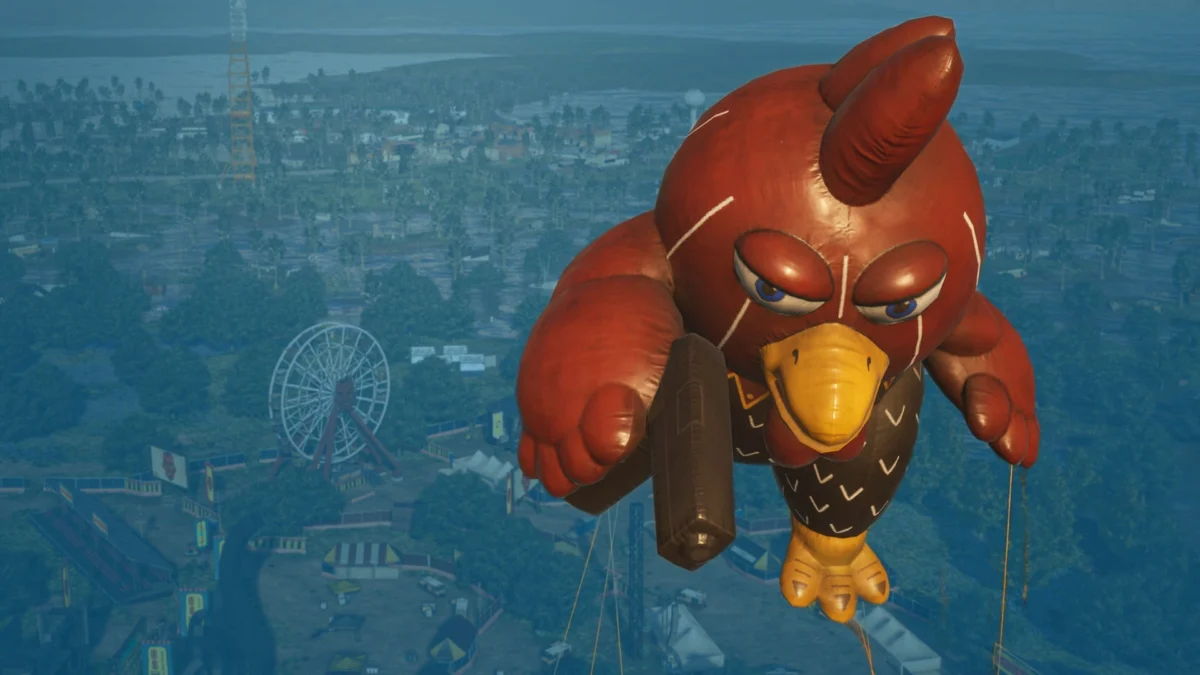
The South Korean video game titan Krafton has officially announced a landmark financial performance for the second quarter of 2026, underscored by a massive surge in revenue from its flagship intellectual property, PUBG: Battlegrounds. According to the company’s latest earnings report, the PUBG brand collectively generated 25 percent more revenue in the first half of 2026 compared to the same period in the previous year. This growth is not merely a localized success but a reflection of a broader, diversified strategy that has seen the franchise maintain its status as one of the most played and profitable entities in the global gaming industry. While many titles in the battle royale genre have struggled with player retention over the years, PUBG has defied market trends, consistently securing its position within the top five most-played games on Steam and effectively competing with the industry’s newest high-budget releases.
Unprecedented Financial Milestones in Q2 2026
The second quarter 2026 financial report reveals that Krafton’s operating profit reached a staggering 410.9 billion KRW (approximately £213 million or $272 million), marking a record-breaking 67.0 percent increase year-on-year. This financial windfall was propelled by an aggressive expansion of content and a revitalization of the game’s core mechanics on PC and console platforms. Interestingly, the report highlights a significant shift in revenue distribution. While mobile gaming has historically been the primary engine of Krafton’s wealth, the PC and console segments led the charge in growth during this period.
Revenue from the PC segment saw an extraordinary 155.1 percent increase year-on-year, while the console segment followed closely with a 143.3 percent growth rate. In contrast, the mobile segment, which includes the global version of PUBG Mobile and the region-specific Battlegrounds Mobile India (BGMI), recorded a more modest growth of 5.5 percent. This data suggests that Krafton has successfully re-engaged the "hardcore" gaming audience on traditional platforms, leveraging high-fidelity updates and complex gameplay modes that appeal to a dedicated user base.
The Strategic Evolution of the PUBG Ecosystem
The sustained success of PUBG: Battlegrounds can be attributed to Krafton’s ability to evolve the title from a standard battle royale experience into a multifaceted gaming ecosystem. In the first half of 2026, the introduction of the "Xeno Point" mode proved to be a pivotal moment for the PC version. Xeno Point shifted the focus toward a co-operative Player-versus-Environment (PvE) experience, offering players a strange, atmospheric vision of a post-battle royale future. This diversification allowed the game to capture players who may have grown weary of the high-stress competitive environment of standard matches.
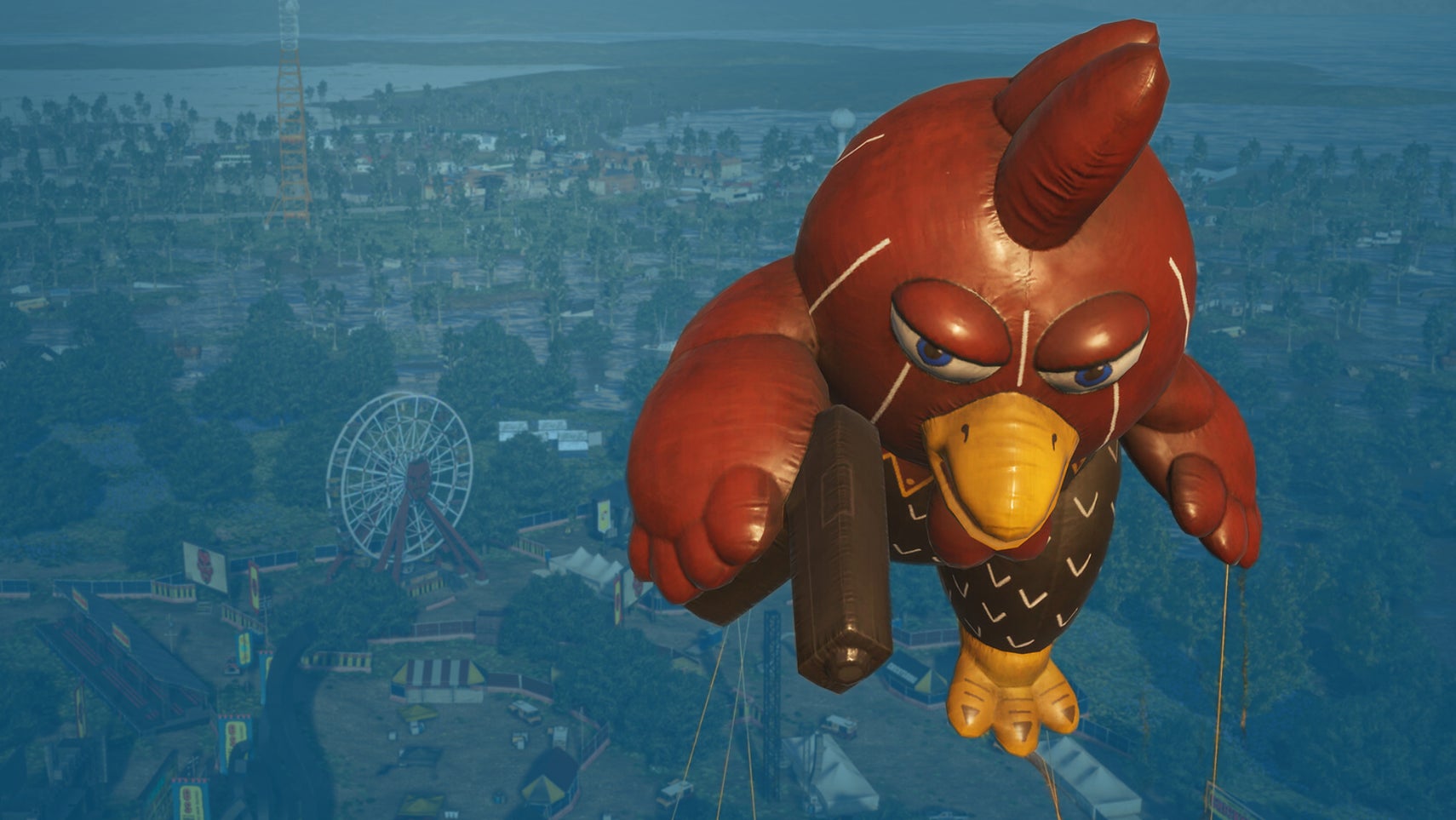
Furthermore, Krafton’s collaboration strategy has reached new heights. The crossover event with the Payday series integrated heist-themed elements and cosmetics, which resonated strongly with the Western market. The company has confirmed that this "collaboration-first" approach will continue through the remainder of 2026, with several high-profile global IPs slated for integration. By blending the tactical gunplay of PUBG with the aesthetic and thematic elements of other popular franchises, Krafton has created a recurring "event-driven" economy that encourages consistent spending on in-game cosmetics and battle passes.
Dominance in the Mobile Sector and the Rise of UGC
Despite the slower growth percentage compared to PC, the mobile division remains a colossal pillar of Krafton’s business model. The stability of PUBG Mobile and BGMI is increasingly tied to the "World of Wonder" initiative—a comprehensive User-Generated Content (UGC) suite. Similar to the creative ecosystems found in Fortnite and Roblox, World of Wonder allows players to design their own maps, game modes, and social spaces.
In its earnings report, Krafton emphasized that UGC is the future of mobile engagement. "Going forward, Krafton will upgrade its creation tools and expand UGC built on global IPs such as Naruto and Spider-Man, while enhancing user engagement and creator rewards through a new in-game currency," the publisher stated. This move toward a creator-driven economy is designed to increase "stickiness," ensuring that players remain within the PUBG ecosystem even when they are not participating in the core battle royale mode. The integration of massive cultural icons like Naruto and Spider-Man into the UGC framework represents a significant investment in licensing, aimed at capturing a younger demographic that prioritizes creative expression.
Chronology of Krafton’s Strategic Pivot (2024–2026)
To understand the magnitude of the 2026 results, one must look at the strategic timeline Krafton followed over the preceding 24 months:
- Late 2024: Krafton initiated a major engine overhaul for PUBG on PC, improving graphical fidelity and physics to keep pace with next-generation competitors.
- Early 2025: The "World of Wonder" creative suite launched on mobile, initially as a beta, before expanding into a full-scale creative platform.
- Mid 2025: Battlegrounds Mobile India (BGMI) secured long-term regulatory stability in the Indian market, allowing for renewed investment in local esports and regional content.
- Late 2025: The acquisition of several Western development studios was finalized, broadening Krafton’s internal expertise in PvE and narrative-driven content.
- Q1 2026: The launch of Xeno Point and the Payday collaboration set the stage for the record-breaking H1 revenue figures.
This timeline illustrates a deliberate move away from being a "one-hit wonder" company. Krafton has transitioned into a diversified global publisher that uses the PUBG IP as a foundation for experimental gameplay and cross-media partnerships.

Diversification: The Subnautica 2 Factor
While PUBG remains the crown jewel, Krafton is actively seeking to build a portfolio of "franchise IPs" to mitigate the risks associated with over-reliance on a single brand. A significant portion of the Q2 report was dedicated to the performance of Subnautica 2. Recently released into early access, the sequel to the beloved underwater survival game has exceeded internal sales and engagement targets.
Krafton acquired Unknown Worlds, the developers of Subnautica, in 2021, and the success of the sequel validates that acquisition. The publisher noted that the strong reception has convinced them to elevate Subnautica to a "franchise IP," implying that the company will invest in further sequels, expansions, and potentially even spin-off media. This success in the survival-exploration genre provides Krafton with a foothold in a market segment entirely different from the competitive shooter space, offering a hedge against shifts in consumer trends.
Industry Analysis and Future Implications
The financial health of Krafton serves as a bellwether for the broader "Live Service" gaming market. At a time when many publishers are struggling with the high costs of development and the volatility of player interests, Krafton’s 67 percent increase in operating profit is an anomaly. It suggests that the "Games as a Service" (GaaS) model is still highly lucrative, provided the developer can balance core gameplay integrity with frequent, high-quality content injections.
Analysts suggest that the massive growth in the PC and console sectors is a result of the "Free-to-Play" transition maturing. Since PUBG: Battlegrounds moved to a F2P model in 2022, the company spent several years building the infrastructure to monetize a larger, non-paying player base. The 2026 figures indicate that this monetization strategy—centered on premium "Hideout" skins, progressive gear, and licensed collaborations—has reached peak efficiency.
Furthermore, Krafton’s focus on the Indian market through BGMI continues to be a masterstroke of regional strategy. By tailoring content specifically for the Indian audience and navigating complex local regulations, Krafton has secured a near-monopoly on the mobile shooter market in one of the world’s fastest-growing gaming economies.

Conclusion and Outlook for H2 2026
As Krafton enters the second half of 2026, the company remains in a position of extreme strength. With a record-breaking operating profit and a 25 percent increase in H1 revenue for the PUBG IP, the publisher has the capital necessary to pursue even more ambitious projects. The upcoming months are expected to feature the full integration of the new UGC currency system and the launch of the Naruto and Spider-Man creative modules, which could potentially drive a surge in mobile revenue to match the growth seen on PC.
While the gaming industry at large continues to face challenges related to saturation and rising production costs, Krafton has demonstrated that a combination of legacy brand power, aggressive regional expansion, and a willingness to experiment with new game modes can produce unprecedented financial success. The PUBG IP, far from fading into the background, appears to be entering a new era of global influence, solidifying its place as a permanent fixture of the digital entertainment landscape.