Clarissa Hana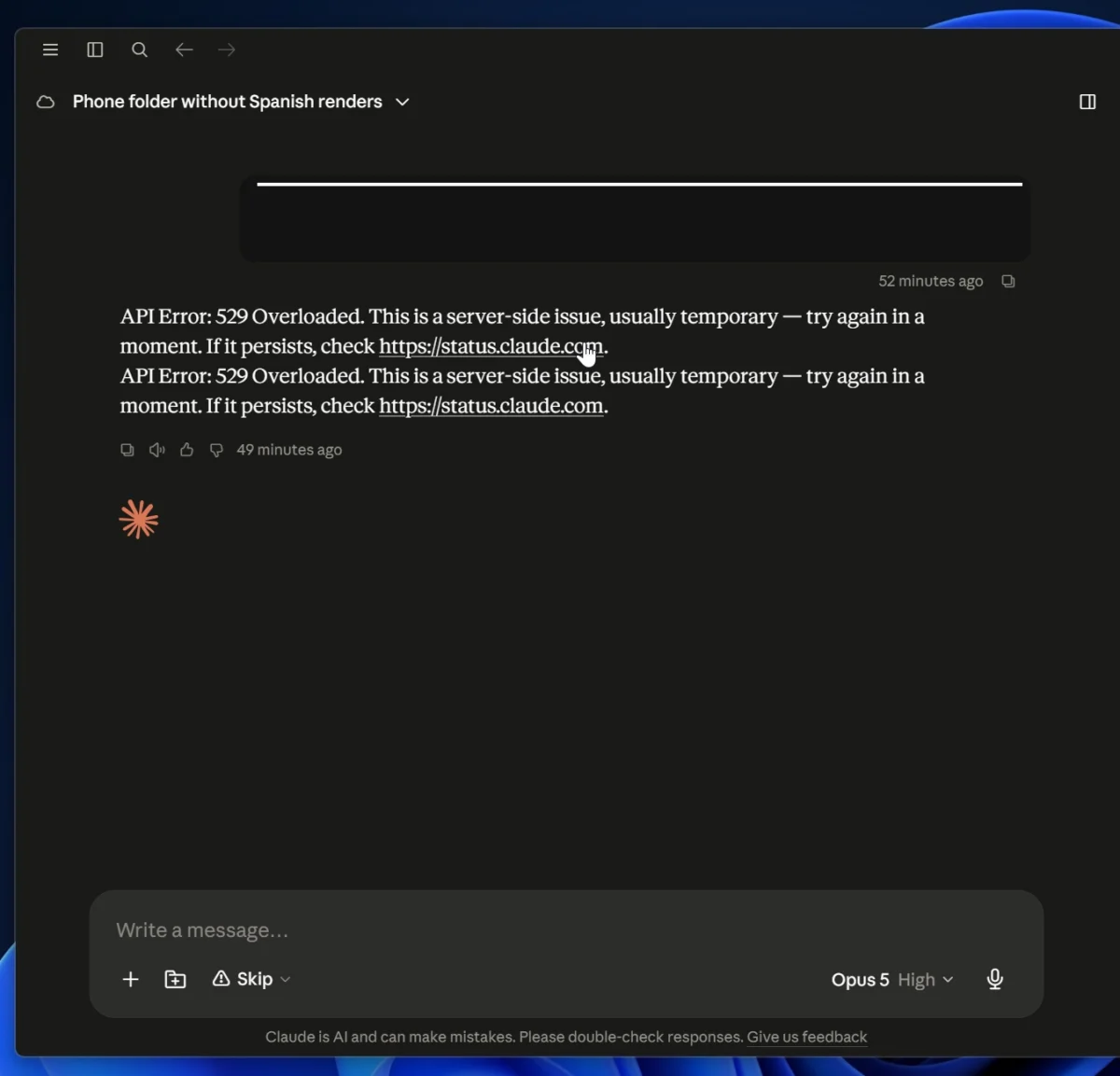
Anthropic’s advanced artificial intelligence models, including its flagship Claude chatbot, experienced a significant disruption on July 29th, leading to widespread unavailability for numerous users. The incident, characterized by "529 Overloaded" error messages, affected not only direct interactions with Claude but also a range of applications and services that rely on Anthropic’s powerful AI for their functionalities. The outage underscored the growing dependence on sophisticated AI infrastructure and the critical implications of its instability for businesses and individuals alike.
The initial report of issues surfaced on July 29th at 7:49 p.m. UTC, prompting Anthropic, a leading artificial intelligence research company, to launch an immediate investigation. The company acknowledged the elevated error rates across its AI models, confirming that user requests were failing to be processed. By 8:33 p.m. UTC, Anthropic stated that the core issue had been identified and that its engineering teams were actively working towards a resolution. However, at that juncture, the company declined to disclose the specific cause of the overload or provide an estimated timeframe for full service restoration, a common practice during ongoing technical incidents to avoid premature or inaccurate reporting.
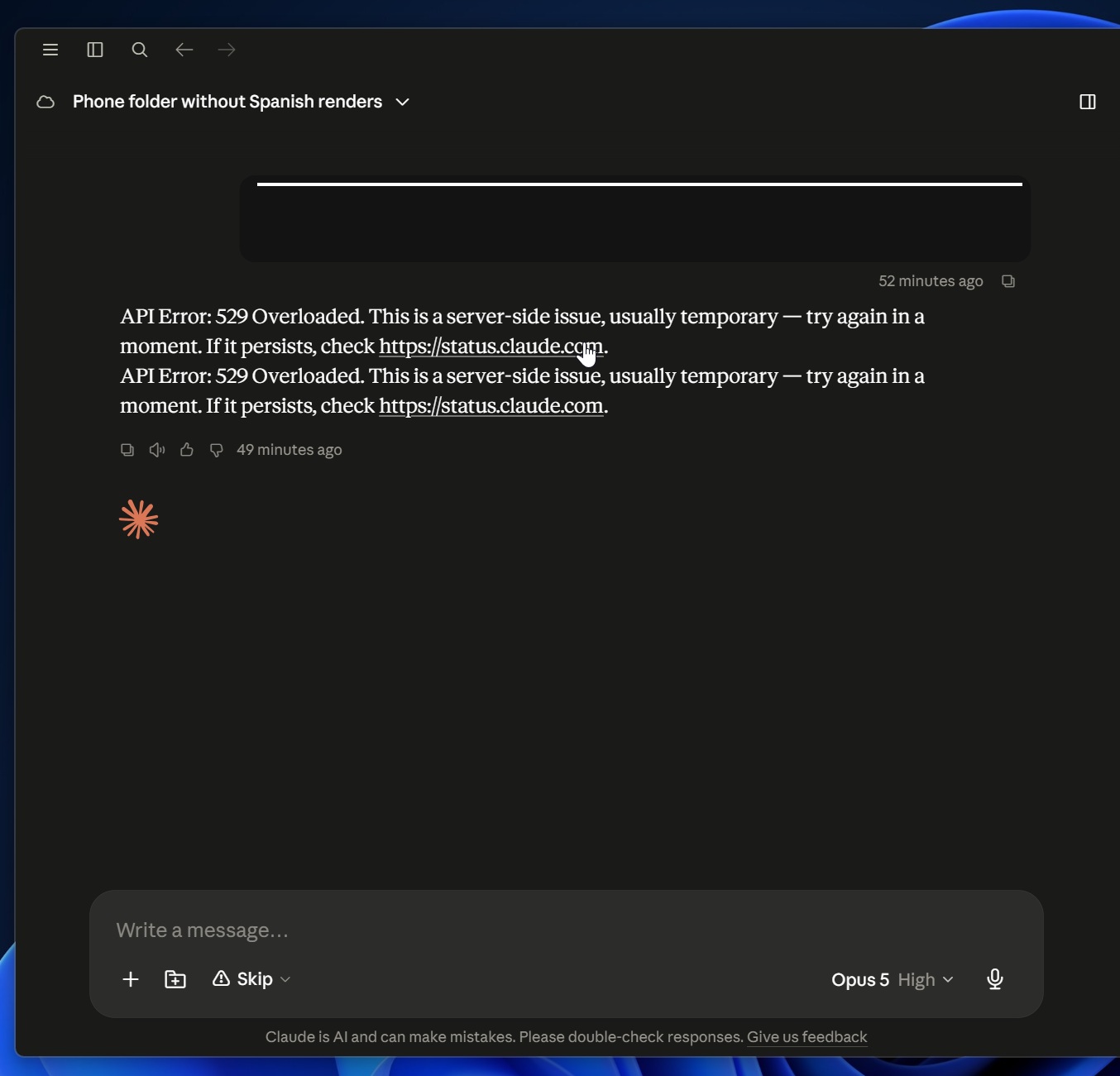
Users attempting to access Claude or integrated services reported encountering a persistent "API Error: 529 Overloaded. This is a server-side issue, usually temporary – try again in a moment" message. This error code is a standard indicator in web infrastructure, signifying that a server is unable to handle the volume of incoming requests at that particular moment, often due to a surge in traffic or a bottleneck in processing capacity. The repeated appearance of this message suggested a substantial and sustained strain on Anthropic’s AI processing infrastructure.
Chronology of the Disruption
The outage’s timeline, as reported by Anthropic’s system status page and corroborated by user reports, provides a clearer picture of the incident’s progression:

- July 29, 7:49 p.m. UTC: Anthropic’s monitoring systems detect elevated error rates and initiate an investigation into potential service disruptions affecting its AI models.
- July 29, 8:33 p.m. UTC: The company confirms the identification of the underlying issue and reports that efforts to resolve it are underway. No specifics regarding the cause or recovery timeline are released.
- Ongoing User Reports: Throughout the evening and into the early morning hours of July 30th, users continue to report encountering the "529 Overloaded" error when attempting to interact with Claude or services dependent on its API.
- Update 1 (July 30, approximately 17:30 EDT / 21:30 UTC): Anthropic issues an update stating that while significant progress has been made, and recovery has been observed across most models, issues resulting in elevated requests and latency are still being fully resolved. Some users might continue to experience intermittent errors.
This chronological breakdown illustrates a multi-hour incident that required sustained engineering effort to mitigate and rectify. The phased approach to recovery, as indicated by the update, suggests a complex underlying problem that may not have a single, instantaneous fix.
Understanding the "529 Overloaded" Error
The "529 Overloaded" error is a specific HTTP status code that indicates a server is experiencing an excessive amount of traffic and is currently unable to process incoming requests. In the context of a large-scale AI model like Claude, this can stem from several factors, including:
- Unprecedented User Demand: A sudden and massive surge in the number of users simultaneously querying the AI for complex tasks, creative writing, coding assistance, or information retrieval.
- Complex Computational Tasks: A wave of particularly computationally intensive requests that require more processing power and time than the system can allocate efficiently under peak load.
- Underlying Infrastructure Limitations: Potential issues with the distributed computing infrastructure that underpins the AI, such as network bandwidth constraints, insufficient processing cores, or problems with load balancing mechanisms.
- Interdependencies: If Claude relies on other internal or external services that are themselves experiencing issues, this can cascade and lead to overload.
The fact that Anthropic identified the issue suggests it was not a random occurrence but likely related to the operational capacity of their AI inference servers. For companies like Anthropic, managing the scalability of their AI models is a constant challenge. As AI becomes more integrated into daily workflows, the demand for reliable and high-performance AI services intensifies.
Supporting Data and Broader Context
While specific data on the exact volume of requests during the outage was not released by Anthropic, the general trend in AI usage provides context. The global AI market is experiencing exponential growth. According to Statista, the global artificial intelligence market size was valued at USD 196.6 billion in 2023 and is projected to grow at a compound annual growth rate (CAGR) of 37.3% from 2024 to 2030. This rapid expansion signifies a continuously increasing demand for AI services, placing immense pressure on the infrastructure of AI providers.

Anthropic, founded by former OpenAI researchers, is a prominent player in the field, known for its focus on AI safety and its powerful Claude models. Claude 3, the latest iteration, has been praised for its advanced reasoning capabilities, multimodal understanding, and longer context windows, making it a competitive offering against other leading AI models. Its widespread adoption across various industries – from content creation and customer service to software development and research – means that disruptions can have far-reaching consequences.
The reliance of third-party applications on AI APIs like Anthropic’s adds another layer of complexity. Many startups and established companies integrate AI capabilities into their products, offering enhanced features to their own customer bases. When an API provider experiences an outage, these dependent services can be crippled, leading to a loss of functionality for their users and potential revenue impacts for the businesses themselves.
Official Responses and Mitigation Efforts
Anthropic’s communication throughout the incident, while brief on specifics, followed a standard protocol for managing technical outages. The company’s proactive acknowledgement of the problem and the subsequent updates, even if they indicated ongoing work, demonstrated transparency. The statement that recovery had begun across "most models" suggests that Anthropic operates a sophisticated, potentially segmented infrastructure, allowing for partial restoration while specific bottlenecks are addressed.
The absence of a revealed cause for the overload could indicate a complex technical issue, a vulnerability that is still being contained, or a strategic decision to withhold information until a full post-mortem analysis is complete. This approach is common in cybersecurity and large-scale technical incident management to prevent exploitation or unnecessary alarm.
Broader Impact and Implications
The Claude outage, while temporary, highlights several critical implications for the AI landscape:
- Infrastructure Scalability is Paramount: For AI companies, ensuring their infrastructure can scale to meet unpredictable demand is no longer a secondary concern but a primary operational imperative. Investing in robust, elastic cloud computing resources and efficient load-balancing algorithms is crucial.
- Resilience and Redundancy: The incident underscores the need for built-in redundancy and failover mechanisms. For critical services, even brief downtime can be costly. This applies not only to the AI provider but also to the organizations integrating these services.
- Dependence on AI Services: As AI becomes more deeply embedded in business processes, the potential impact of outages grows. Organizations relying heavily on AI for core functions may need to develop contingency plans, explore multi-vendor strategies, or invest in internal AI capabilities to mitigate risks.
- User Trust and Reliability: Frequent or prolonged outages can erode user trust in AI platforms. The perceived reliability of an AI service is a significant factor in its adoption and long-term success.
- API Stability for Developers: For developers building on AI platforms, API stability is non-negotiable. Disruptions can halt development cycles, impact product roadmaps, and damage the reputation of their own applications.
The long-term implications of such events will likely drive further innovation in AI infrastructure management, distributed systems, and robust error handling. As AI technology continues to evolve and integrate into the fabric of digital life, ensuring its consistent availability and performance will be a defining challenge and opportunity for the industry. The "529 Overloaded" error, while a technical glitch, serves as a potent reminder of the complex engineering feats required to power the next generation of artificial intelligence and the significant impact when these systems falter.