Galang Taruna
This summer, Samsung has once again expanded its formidable Galaxy Watch lineup, introducing the new Galaxy Watch 9 alongside the more premium Galaxy Watch Ultra 2. Positioned as a direct successor to the critically acclaimed Galaxy Watch 8, the Watch 9 aims to solidify Samsung’s standing in the competitive smartwatch market by refining its core offerings while introducing key internal upgrades designed to elevate user experience in fitness, health, and daily interaction. The launch on July 30, 2026, with deliveries slated for August 7, signals Samsung’s commitment to continuous innovation in wearable technology, even as persistent challenges like battery longevity continue to define the segment.
A Legacy of Innovation: Samsung’s Evolution in the Smartwatch Arena
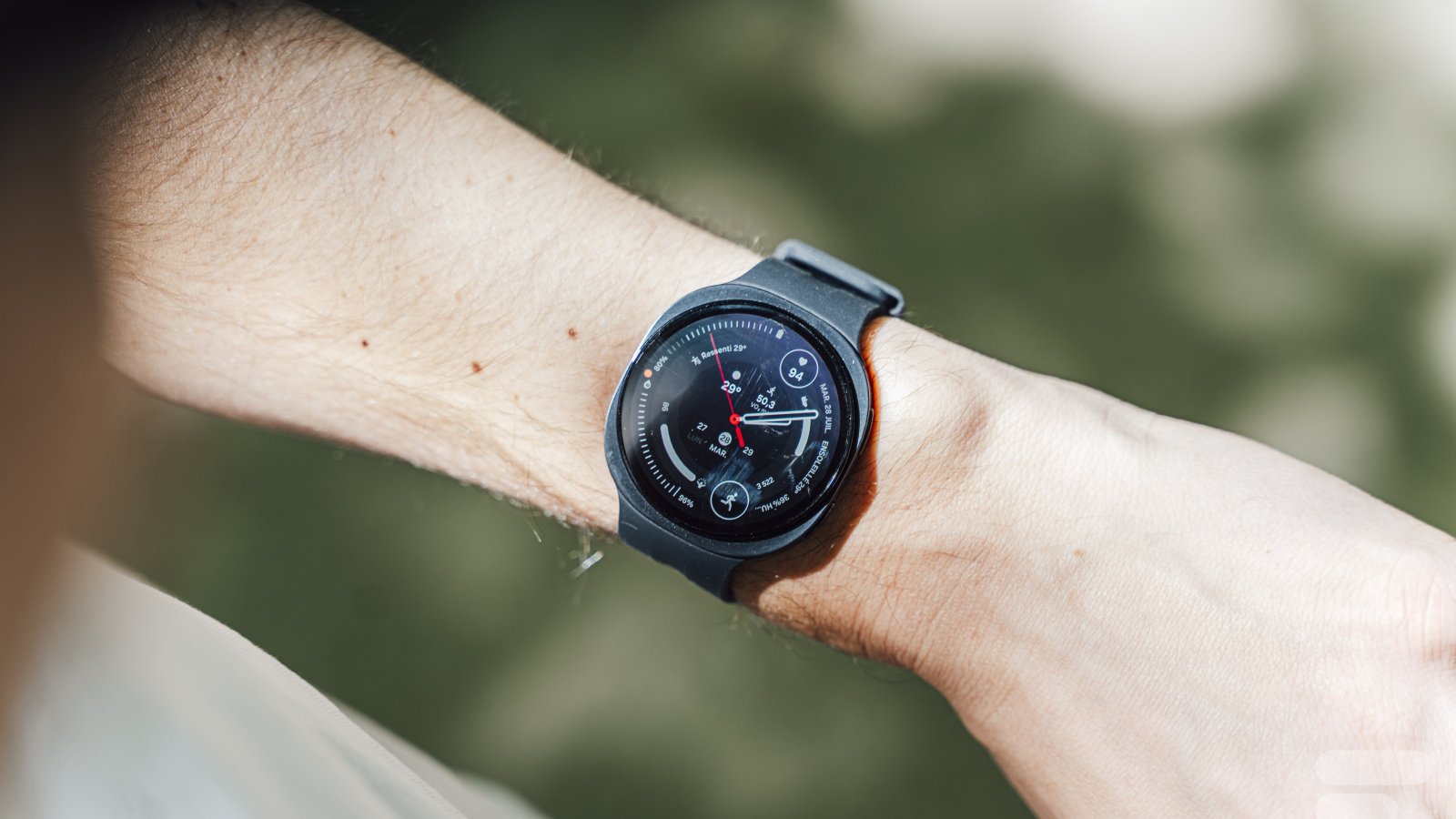
Samsung’s journey in the smartwatch market has been marked by significant evolution, from its early forays with Tizen OS to its pivotal collaboration with Google on Wear OS. This partnership, initiated several generations ago, has allowed Samsung to combine its hardware prowess with Google’s robust software ecosystem, creating a powerful synergy that has challenged Apple’s dominance. The shift from a traditional circular design to the "squircle" format, first seen in the Galaxy Watch 8 and embraced by the Watch Ultra series, represented a strategic move to optimize both aesthetics and display functionality. This design choice, which balances the classic appeal of a round watch with the practical screen real estate of a square, has been well-received, contributing to the devices’ comfort and usability. The Galaxy Watch 9 continues this design philosophy, underscoring Samsung’s belief in the ergonomic and visual benefits of the "squarish" form factor.
Design Continuity Meets Enhanced Comfort and Durability
The Samsung Galaxy Watch 9 retains the exact design language of its predecessor, the Galaxy Watch 8, a decision that speaks to the success and user acceptance of last year’s aesthetic overhaul. Crafted from durable aluminum, the watch maintains its remarkably thin profile of 8.6 mm, a significant reduction from the 9.7 mm of the Galaxy Watch 7. This slimness is crucial for daily wear, allowing the device to seamlessly integrate into the wearer’s life without feeling cumbersome, even during rigorous physical activities. The two available sizes, 40 mm and 44 mm, ensure a fit for a wide range of wrist sizes, with the 40 mm model measuring 40.4 x 39.3 x 8.6 mm and the 44 mm model at 44.4 x 43.7 x 8.6 mm.

While the dimensions remain consistent, a subtle increase in weight—2.6g for the 40mm model (+9%) and 0.2g for the 44mm model (+0.59%)—is noted. This marginal increment is attributed to the integration of new, larger capacity batteries, a necessary trade-off for potentially improved endurance. Despite this, the Watch 9 remains exceptionally comfortable.
A notable improvement lies in the redesigned silicone strap. Moving away from the tuck-under clasp system prevalent in many smartwatches, including previous Samsung models, Google Pixel Watches, and Apple Watches, the Galaxy Watch 9 adopts a classic pin-buckle closure. This change addresses a common user complaint: skin irritation caused by the tucked-under strap, particularly in warmer climates or during intense workouts. The new strap also features an "air pocket" design, intended to enhance lightness and facilitate sweat evaporation, further boosting comfort. While the proprietary lug system remains, limiting compatibility with standard watch straps, the new strap is compatible with those designed for the Galaxy Watch 8, offering some interchangeability.
Durability is also a cornerstone of the Galaxy Watch 9’s design. The display is protected by sapphire crystal glass, a premium material renowned for its scratch resistance, ensuring the screen remains pristine through daily wear and tear. Furthermore, the watch boasts an IP68 rating for dust and water resistance, is 5ATM certified for water immersion up to 50 meters, and meets the MIL-STD-810H military standard for ruggedness. This robust construction means the Watch 9 can withstand showers, dishwashing, and surface swimming, though it is not designed for scuba diving or high-velocity water sports.

Brilliant Display, Familiar Luminosity
The display of the Galaxy Watch 9 echoes the excellence of its predecessor, featuring a Super AMOLED panel that delivers vibrant colors, deep blacks, and exceptional contrast. The 40 mm model sports a 1.3-inch display with a resolution of 432 x 432 pixels, while the 44 mm version expands to 1.5 inches with a resolution of 480 x 480 pixels. These specifications are identical to the Galaxy Watch 8, ensuring a consistently crisp and engaging visual experience.
Peak brightness remains at a robust 3000 cd/m², placing the Galaxy Watch 9 squarely in the high-end category alongside competitors such as the Google Pixel Watch 4 and the Apple Watch Series 11. While this is a significant achievement for outdoor visibility and readability under direct sunlight, it is worth noting that Samsung’s own Galaxy Watch Ultra 2 pushes boundaries further with an astonishing 5000 cd/m² peak brightness. This strategic differentiation highlights Samsung’s segmentation between its flagship and ultra-premium offerings.

An integrated ambient light sensor dynamically adjusts screen brightness to match environmental conditions, preserving battery life and enhancing user comfort. The always-on display (AOD) mode, a staple feature, reduces brightness and displays essential information, allowing for discreet time checks without overtly raising the wrist. This feature, along with the "raise to wake" gesture, is intelligently deactivated during sleep mode, which can be custom-scheduled, for example, from 11 PM to 9 AM, to prevent disturbances and conserve power.
Customization is extensive, with over thirty pre-installed watch faces that are fully customizable in terms of color schemes and complications. The watch even intelligently suggests relevant watch faces based on user activity, such as a sports-oriented face with quick training shortcuts after a run. Beyond the native options, users can access a vast array of additional watch faces through the Google Play Store and third-party platforms like Facer, allowing for unparalleled personalization.
Performance and Software: Snapdragon Power and Wear OS Sophistication

Underpinning the Galaxy Watch 9’s smooth operation is the new Snapdragon Wear Elite processor from Qualcomm. This marks a significant departure for Samsung, which has historically relied on its proprietary Exynos chips for its smartwatches. The adoption of Snapdragon Wear Elite is a strategic move, likely aimed at enhancing performance, energy efficiency, and potentially broadening the appeal for developers. This powerful chip is paired with 32 GB of storage and 2 GB of RAM, ensuring fluid navigation, rapid app loading, and ample space for applications and media. While the Galaxy Watch Ultra 2 boasts 64 GB of storage, the 32 GB in the Watch 9 is more than sufficient for the vast majority of users.
The software experience is driven by Wear OS 7, overlaid with Samsung’s One UI 9 Watch interface. This combination offers a highly refined and intuitive user experience, characterized by seamless transitions and responsive controls. Configuration and pairing with a smartphone are managed through two essential applications: Galaxy Wearable for device settings and Samsung Health for comprehensive health and fitness data.
The ecosystem is rich and expansive, benefiting from the full breadth of Google’s services, including the Gemini assistant, which can be activated with a simple wrist gesture for hands-free interaction. The Google Play Store provides access to a gargantuan library of third-party applications, ranging from navigation and communication to entertainment and productivity tools, making the Galaxy Watch 9 a truly versatile companion.

However, a key differentiation from the Galaxy Watch Ultra 2, and a point of contention, is the absence of a third physical button on the Watch 9’s casing. The Ultra 2 features an additional programmable button, often used for quick access to sports tracking. On the Watch 9, with only two physical buttons, launching a specific workout can be less intuitive. The reviewer noted a particular difficulty in initiating manual workouts directly from the application list, requiring a somewhat convoluted process of adding an "exercise" block to the Samsung Health app on the phone for the option to appear on the watch. This design choice, while perhaps intended to simplify the interface or further segment the product lines, introduces an unnecessary hurdle for an otherwise robust software experience.
Advanced Health and Fitness Tracking: Precision and Limitations
The Galaxy Watch 9 is equipped with a comprehensive suite of sensors designed for detailed health and fitness monitoring. These include an accelerometer, barometer, bioelectrical impedance analysis (BIA) sensor, electrocardiogram (ECG), gyroscope, compass, temperature sensor, optical heart rate monitor (HRM), pulse oximeter (SpO2), and a multi-constellation, dual-frequency GPS chip.

GPS Precision:
A significant highlight is the enhanced GPS accuracy. For two years, Samsung smartwatches have supported multiple GNSS constellations (GPS, Glonass, Beidou, Galileo, and QZSS), and the Watch 9 further benefits from dual-frequency GPS. This technology is theoretically designed to provide superior precision, even in challenging urban environments with tall buildings. To validate this, the reviewer conducted multiple running sessions in varied settings—parks, city streets, and tracks—comparing the Watch 9’s data against a high-end sports watch, the Garmin Fenix 8.
The results demonstrate a remarkable improvement in GPS tracking for the Galaxy Watch 9. Over nearly 60 km of cumulative distance, the average deviation from the highly accurate Garmin Fenix 8 was approximately 0.5%, a substantial leap from previous Samsung models. While minor discrepancies were observed in dense urban areas, where the Watch 9 occasionally struggled with sharp turns and narrow alleys more than the Fenix 8, the overall precision is highly commendable. This level of accuracy makes the Galaxy Watch 9 a reliable tool for runners and outdoor enthusiasts.
However, a notable limitation for serious outdoor navigation is the absence of GPX trace import functionality, which is available on the Galaxy Watch Ultra 2. This means the Watch 9 cannot offer native mapping or turn-by-turn guidance based on pre-loaded routes. Users must rely on third-party applications like Google Maps, Komoot, or AllTrails for navigation, which might not offer the same level of integrated experience.

Heart Rate Accuracy:
The Galaxy Watch 9 incorporates Samsung’s BioActive sensor for optical heart rate monitoring, consistent with the previous two generations. Its accuracy was rigorously tested during various running intensities, from steady-state jogging to intense interval training and pyramidal VMA sessions, with data compared against a reference chest strap, the Garmin HRM 600.
The findings indicate excellent heart rate tracking across all intensities. The average heart rate measurements from the Watch 9 showed deviations of less than 0.5% from the chest strap, demonstrating its reliability during exercise. It is important to note that these tests were conducted in summer conditions, where higher ambient temperatures generally aid optical heart rate sensor performance due to increased blood flow. In colder conditions, wrist-based heart rate measurements can sometimes be less accurate due to vasoconstriction. Unfortunately, the Galaxy Watch 9 does not support external heart rate sensors (like chest straps or armbands), which could provide even greater accuracy, particularly in challenging environments or for specific training needs.
Comprehensive Health Features:
Beyond core tracking, the Galaxy Watch 9 inherits the extensive health monitoring features of the Galaxy Watch Ultra 2, including new vitality indicators, cardio load, fitness index, and heart score. It integrates an electrocardiogram (ECG) for detecting irregular heart rhythms, a pulse oximeter for measuring blood oxygen saturation (SpO2), comprehensive sleep tracking with detailed sleep stage analysis, all-day stress monitoring, and a bioelectrical impedance sensor for body composition analysis. Uniquely, it also includes a blood pressure monitor.

However, a critical limitation persists: the ECG and blood pressure monitoring functionalities are restricted exclusively to Samsung smartphone users. This walled-garden approach, while perhaps intended to promote the Samsung ecosystem, alienates a significant portion of Android users and prevents them from accessing these advanced health features, undermining the watch’s full potential.
Sport Profiles and Further Limitations:
The Galaxy Watch 9 offers a wide array of sport profiles, but some advanced features present in the Ultra 2 are deliberately omitted. The dedicated "trail" profile, for instance, is not available. While standard profiles benefit from hydration alerts, the more specialized elevation alerts for trail running are absent. Furthermore, unlike the Ultra 2, the Watch 9’s cycling profile does not support connectivity with external power meters, a crucial feature for serious cyclists. These omissions underscore Samsung’s strategy to differentiate its standard and ultra-premium smartwatch offerings.
Battery Life and Charging: The Achilles’ Heel

Despite internal upgrades and increased battery capacities, the Galaxy Watch 9’s autonomy remains its most significant drawback. The 40 mm model is equipped with a 300 mAh battery (up from 290 mAh in the Watch 8), while the 44 mm version houses a 425 mAh battery (compared to 410 mAh previously). Samsung claims up to 30 hours of intensive use with the always-on display active, irrespective of the model size.
In real-world testing of the 44 mm model, with all parameters pushed to the maximum—always-on display active from 9 AM to 11 PM, continuous heart rate and stress monitoring, SpO2 and skin temperature tracking during sleep, and AGE index measurement—the watch managed approximately 36 hours (including 1 hour 2 minutes of GPS-tracked activity) and 39 hours (with 1 hour 17 minutes of GPS-tracked activity) before depletion. This necessitates daily recharging, a significant inconvenience compared to competitors like the Oppo Watch X3, which offers over three days of autonomy, or the Google Pixel Watch 4 (45 mm), which can exceed 50 hours.
Compounding this issue is the exceptionally slow charging speed. A full charge from 0% to 100% using the provided magnetic charger takes a protracted 2 hours and 28 minutes. This slow pace makes overnight charging almost mandatory, which then interrupts continuous sleep tracking, undermining one of the smartwatch’s core health benefits. This persistent battery and charging limitation represents a major area where Samsung lags behind key rivals and continues to be a point of frustration for users.

Connectivity: Comprehensive and Reliable
The Samsung Galaxy Watch 9 offers robust connectivity options for seamless integration into the user’s digital life. It features Bluetooth 6.0 for efficient and stable connection to smartphones, enabling hands-free calls through its integrated microphone and speaker. For enhanced independence, a 4G (LTE) variant is available, allowing users to make calls, stream music, and receive notifications without their smartphone nearby. It’s important to note that this is a 4G/LTE connection, not 5G.
Wi-Fi 4 (802.11n) is included for faster app downloads and software updates. For convenient tap-to-pay functionality, the watch integrates an NFC chip, supporting Samsung Pay and Google Pay. As previously discussed, the dual-frequency GPS supports multiple satellite constellations (GPS, Glonass, Beidou, Galileo, and QZSS), ensuring accurate geolocation for navigation and activity tracking.

Pricing and Market Positioning
The Samsung Galaxy Watch 9 is available for pre-order, with initial deliveries expected by August 7, 2026. The watch comes in various color options: graphite or cream for the 40 mm version, and graphite or silver for the 44 mm model. Pricing is stratified based on size and connectivity:
- Galaxy Watch 9 (40 mm, Bluetooth): 349 euros
- Galaxy Watch 9 (40 mm, 4G): 399 euros
- Galaxy Watch 9 (44 mm, Bluetooth): 379 euros
- Galaxy Watch 9 (44 mm, 4G): 429 euros
These price points position the Galaxy Watch 9 as a premium offering in the mainstream smartwatch segment, directly competing with the latest Apple Watch Series and Google Pixel Watch models. Samsung’s strategy is clear: provide a highly capable and feature-rich smartwatch that offers excellent value for its core functionalities, while reserving ultra-premium features and extreme durability for its "Ultra" variant.

Broader Impact and Implications
The Samsung Galaxy Watch 9 represents a continued push by Samsung to refine its core smartwatch offering. The adoption of the Snapdragon Wear Elite processor marks a significant internal shift, potentially paving the way for more consistent performance and broader ecosystem compatibility in future models. The substantial improvements in GPS and heart rate tracking are particularly noteworthy, addressing past criticisms and making the Watch 9 a genuinely reliable device for fitness enthusiasts.
However, the persistent battery life limitations and slow charging speed remain a critical hurdle for Samsung. In an increasingly competitive market where rivals are achieving multi-day autonomy, the necessity of daily, lengthy recharges significantly impacts the user experience, especially for continuous health monitoring like sleep tracking. This is an area where Samsung needs urgent innovation to maintain its competitive edge.

Furthermore, the software-imposed restrictions on advanced health features like ECG and blood pressure monitoring, limiting them to Samsung smartphone users, creates an ecosystem barrier that can deter potential buyers outside the Samsung fold. While understandable from a business perspective, it fragments the Android smartwatch experience and limits the watch’s universal appeal.
In conclusion, the Samsung Galaxy Watch 9 is a highly polished and comfortable smartwatch with a brilliant display, fluid performance, and impressively accurate health and fitness tracking. It will undoubtedly appeal to users seeking an advanced and customizable connected experience within the Android ecosystem. Yet, its Achilles’ heel remains its battery life and charging speed, which, alongside the specific software restrictions, prevent it from achieving a near-perfect score. Samsung’s continued success in the smartwatch market will hinge on its ability to address these fundamental challenges while maintaining its strong points of design, performance, and comprehensive health integration.