Galang Taruna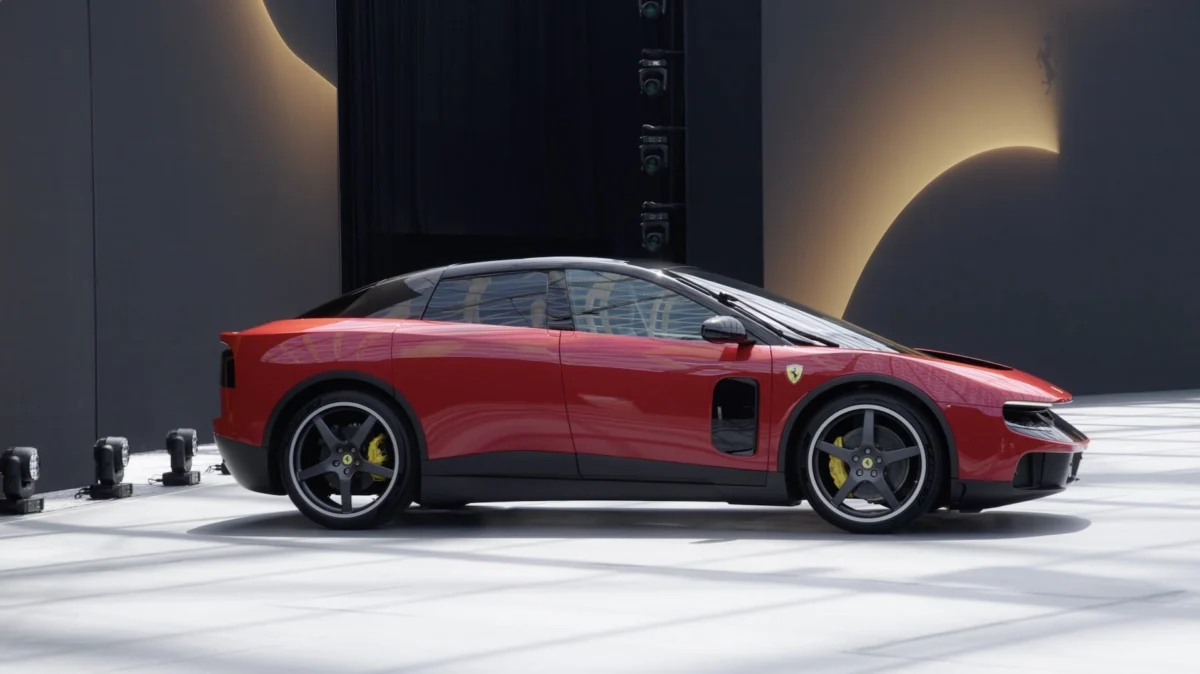
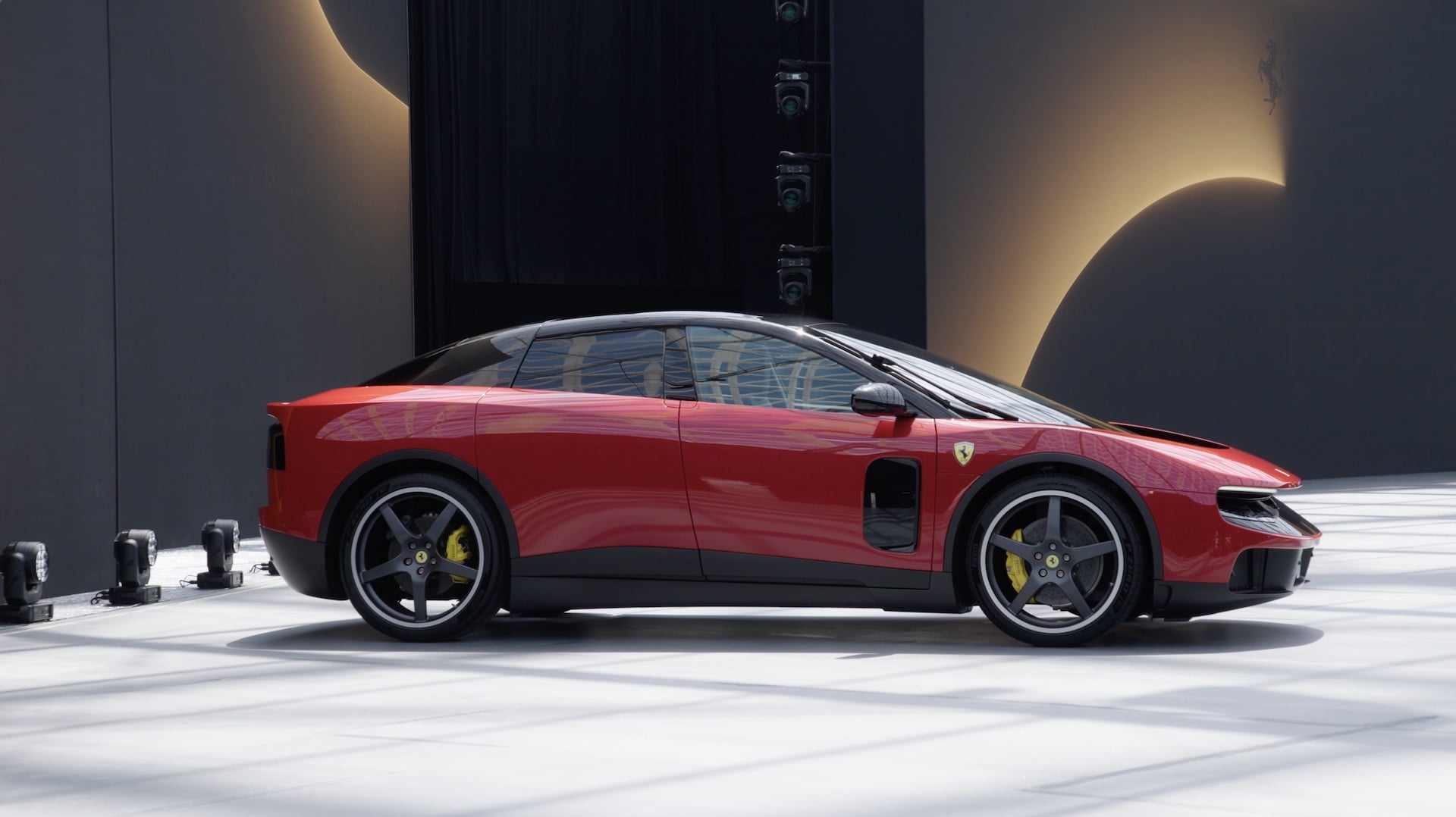
Maranello’s inaugural all-electric vehicle, the Ferrari Luce, has reportedly secured its entire 2026 production allocation within a mere two months of its unveiling, signaling robust demand for the marque’s venture into electrification. However, this commercial triumph is accompanied by a nuanced market reception, particularly in China, where new orders are now projected for delivery in the third quarter of 2027. This rapid uptake occurs against a backdrop of considerable public discourse surrounding the vehicle’s aesthetic design and the broader implications of an electric powertrain for a brand synonymous with high-revving internal combustion engines.
The Dawn of an Electric Prancing Horse
The introduction of an electric Ferrari has been a monumental step for the iconic Italian automaker, known for its unwavering commitment to performance, heritage, and the visceral experience of its V12 and V8 engines. Ferrari has historically approached electrification with caution, emphasizing that any electric model must uphold the brand’s core values of performance, emotion, and exclusivity. The Luce represents the culmination of years of research and development, aiming to translate the unique "Ferrari feeling" into an electric format. Its debut was anticipated as a pivotal moment, not just for Ferrari but for the entire luxury performance vehicle segment, as it signifies a definitive shift towards sustainable powertrains even at the pinnacle of automotive engineering.
The global automotive industry is undergoing a transformative period driven by stricter emissions regulations and a burgeoning consumer interest in electric vehicles. Luxury and performance brands, once seen as holdouts, are increasingly embracing electrification. Competitors like Porsche with the Taycan, Lotus with the Evija, and Rimac with the Nevera have already demonstrated the potential for electric powertrains to deliver breathtaking performance. Ferrari, while traditionally a purist, has publicly outlined its electrification strategy, with plans for a significant portion of its lineup to be electric or hybrid by the end of the decade. The Luce is the vanguard of this new era, challenging preconceived notions of what a Ferrari can be while aiming to capture new segments of the ultra-luxury market.
Market Reception: A Tale of Two Discussions
While commercially successful, the Ferrari Luce’s initial reception has been multifaceted. The vehicle’s design, a departure from some traditional Ferrari cues, has sparked considerable debate among enthusiasts and critics alike. Online forums and automotive publications have seen discussions ranging from admiration for its futuristic lines to criticisms labeling its aesthetics as "controversial" or even "lacking soul." This polarizing reaction underscores the challenge for heritage brands like Ferrari in evolving their design language for a new era without alienating their loyal customer base, which often values classic aesthetics and brand identity above all else.
Despite the aesthetic discourse, the commercial performance of the Luce appears largely unaffected. The Financial Times reported on July 29, citing anonymous sources, that the planned production for 2026, estimated at fewer than 500 units, was fully allocated within two months of the car’s market debut. This rapid absorption of initial supply demonstrates the powerful allure of the Ferrari brand, even when venturing into uncharted electric territory. The intrinsic value of owning a pioneering model from such an esteemed marque, regardless of its powertrain, remains a significant draw for discerning collectors and high-net-worth individuals globally.
The Chinese Market Dynamics: A Deeper Dive
The Chinese market has emerged as a critical battleground for luxury automakers, and the Ferrari Luce’s performance there provides a fascinating case study. On July 30, the Chinese media outlet Sina reported an astounding figure of over 500 pre-orders originating solely from China, a number that, if accurate, would exceed the entire global production capacity for 2026. Ferrari, however, has not officially confirmed these specific order figures, maintaining a characteristic level of discretion regarding sales data for its exclusive models.
The pricing structure for the Luce in China also reveals an interesting dynamic. The vehicle is listed at 3,988,000 yuan (approximately 480,000 euros) excluding options. This figure is notably lower than the European price tag of 550,000 euros before taxes. Ferrari has clarified that this price differential is primarily attributable to local fiscal policies favoring electric vehicles in China, rather than a deliberate strategic move to offer the car at a reduced rate in that specific market. China’s robust government incentives for EV adoption and its efforts to promote sustainable transportation have created a highly competitive and attractive environment for electric luxury cars.
This strong demand has led to aggressive practices among Chinese dealerships. Reports indicate that some Ferrari dealers in China are requiring non-refundable deposits ranging from 400,000 to 500,000 yuan (between 50,000 and 60,000 euros) for the Luce. Furthermore, customers placing recent orders are being quoted delivery timelines extending to the third quarter of 2027, highlighting the significant backlog and the premium placed on early access to this highly sought-after model.
An earlier narrative surrounding the Luce’s launch in Shanghai claimed that 88 units had been sold within 72 hours of its presentation. This figure quickly circulated across Chinese media. However, an investigation by Jiemian News subsequently clarified that this number actually corresponded to an allocation quota distributed to dealerships, rather than confirmed, signed sales contracts for identifiable production vehicles. This distinction is crucial, as it underscores the importance of verifying sales figures in a market often characterized by rapid information dissemination and enthusiastic reporting. The actual number of firm contracts signed for the Luce in China remains officially undisclosed by Ferrari.
Adding to the intrigue, by late July, major Ferrari dealerships in key Chinese cities such as Beijing, Shanghai, Guangzhou, and Shenzhen reportedly did not have production-ready Luce vehicles available for customer test drives. Only engineering prototypes were being utilized for promotional events. This suggests a strategy of generating demand and securing orders based on brand prestige and early marketing, rather than extensive direct customer experience with the final product. For a vehicle of this caliber and price point, the absence of test drive units could be interpreted as a testament to the brand’s immense pull, where potential buyers are willing to commit substantial deposits based on reputation and future promise alone.
Technical Prowess and Competitive Landscape
The Ferrari Luce’s technical specifications are undoubtedly impressive, reflecting Maranello’s engineering capabilities adapted for an electric era. It boasts an 800-volt architecture, enabling ultra-rapid charging, and is equipped with a 122 kWh battery pack (with 115 kWh usable capacity). Power is delivered through four electric motors, generating a combined output of 1,035 horsepower and 990 Nm of torque. These figures translate into breathtaking performance: a 0 to 100 km/h acceleration time of just 2.5 seconds and a top speed of 310 km/h. The vehicle also claims a WLTP-rated range of 530 km and a rapid charging capability, replenishing the battery from 10% to 80% in approximately 23 minutes.

While these numbers are formidable, they situate the Luce within a highly competitive segment, particularly when compared to the rapidly advancing capabilities of high-end electric vehicles emerging from China. Brands such as Nio, Xpeng, Zeekr, HiPhi, and even BYD’s luxury sub-brand Yangwang are now producing EVs that match, and in some metrics, even surpass these specifications. For instance, some Chinese luxury EVs offer larger battery capacities, quicker acceleration times, or even more advanced autonomous driving features at potentially lower price points. This comparison highlights a critical aspect of Ferrari’s strategy: for the Prancing Horse, the value proposition has never been solely about raw, quantifiable metrics. Instead, it has historically resided in the intangible qualities of driving dynamics, emotional engagement, the symphony of its engine, and the heritage woven into every curve. The challenge for the Luce is to translate these traditional Ferrari attributes into an electric experience, an endeavor that relies heavily on bespoke tuning, chassis dynamics, and a unique driver interface rather than merely chasing headline performance figures.
Managing Exclusivity and Future Vision
Ferrari’s business model thrives on exclusivity and limited production, and the Luce is no exception. The company aims for a total production of approximately 2,500 units of the Luce by 2030. This volume, while substantial for a single model, remains marginal when viewed against Ferrari’s total annual production figures, which typically hover around 13,000 to 14,000 vehicles. This controlled output is a deliberate strategy to maintain the brand’s prestigious status and ensure that demand consistently outstrips supply, thereby preserving the high resale values and desirability of its models. The "commercial phenomenon" described by the early sell-out must therefore be understood within this context of intentionally constrained supply.
Furthermore, Ferrari has actively addressed and refuted rumors that purchasing a Luce would be a prerequisite for gaining access to future limited-edition V12 models. Such a strategy, if true, would have been highly controversial, potentially forcing loyal customers to buy a model they might not desire purely to secure access to more traditional, coveted vehicles. By denying these claims, Ferrari reaffirms its commitment to transparency and fairness in its allocation processes for its most exclusive offerings, ensuring that the Luce stands on its own merits rather than as a gateway to other models.
Broader Implications for the Supercar Segment
The successful, albeit complex, launch of the Ferrari Luce carries significant implications for the broader supercar segment and the luxury automotive industry. It demonstrates that even the most tradition-bound brands can pivot towards electrification while maintaining, or even enhancing, their commercial appeal. The strong demand for the Luce, particularly in key growth markets like China, underscores a growing appetite among ultra-luxury consumers for high-performance electric vehicles that combine cutting-edge technology with brand prestige.
However, the journey is not without its challenges. The debate surrounding the Luce’s aesthetics and the inherent differences in driver engagement between electric and internal combustion powertrains highlight the delicate balancing act required of heritage brands. They must innovate to remain relevant and compliant with future regulations, yet simultaneously preserve the "soul" and unique characteristics that define their brand identity. Ferrari’s ability to imbue the Luce with the emotional resonance expected of a Prancing Horse will be crucial for its long-term success and for shaping the future direction of electric supercars. As Ferrari continues its electrification roadmap, the lessons learned from the Luce’s debut will undoubtedly inform its subsequent electric models, influencing design philosophy, powertrain development, and global market strategies, solidifying its position at the forefront of automotive evolution.