George Chandra Eka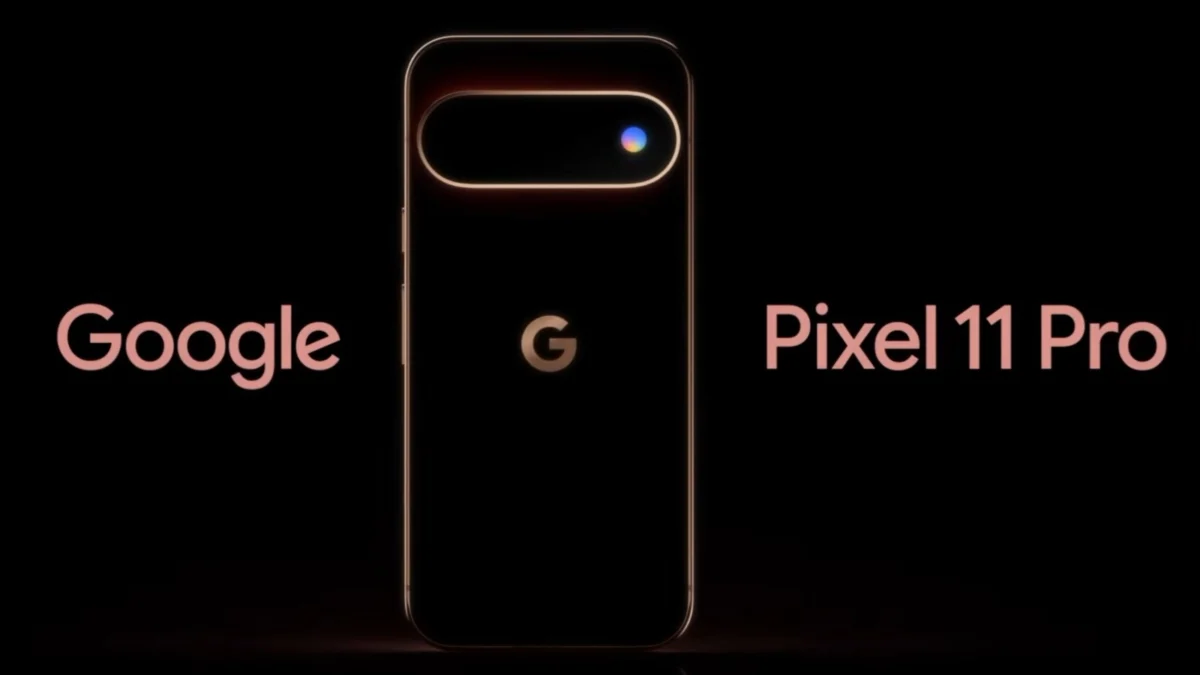
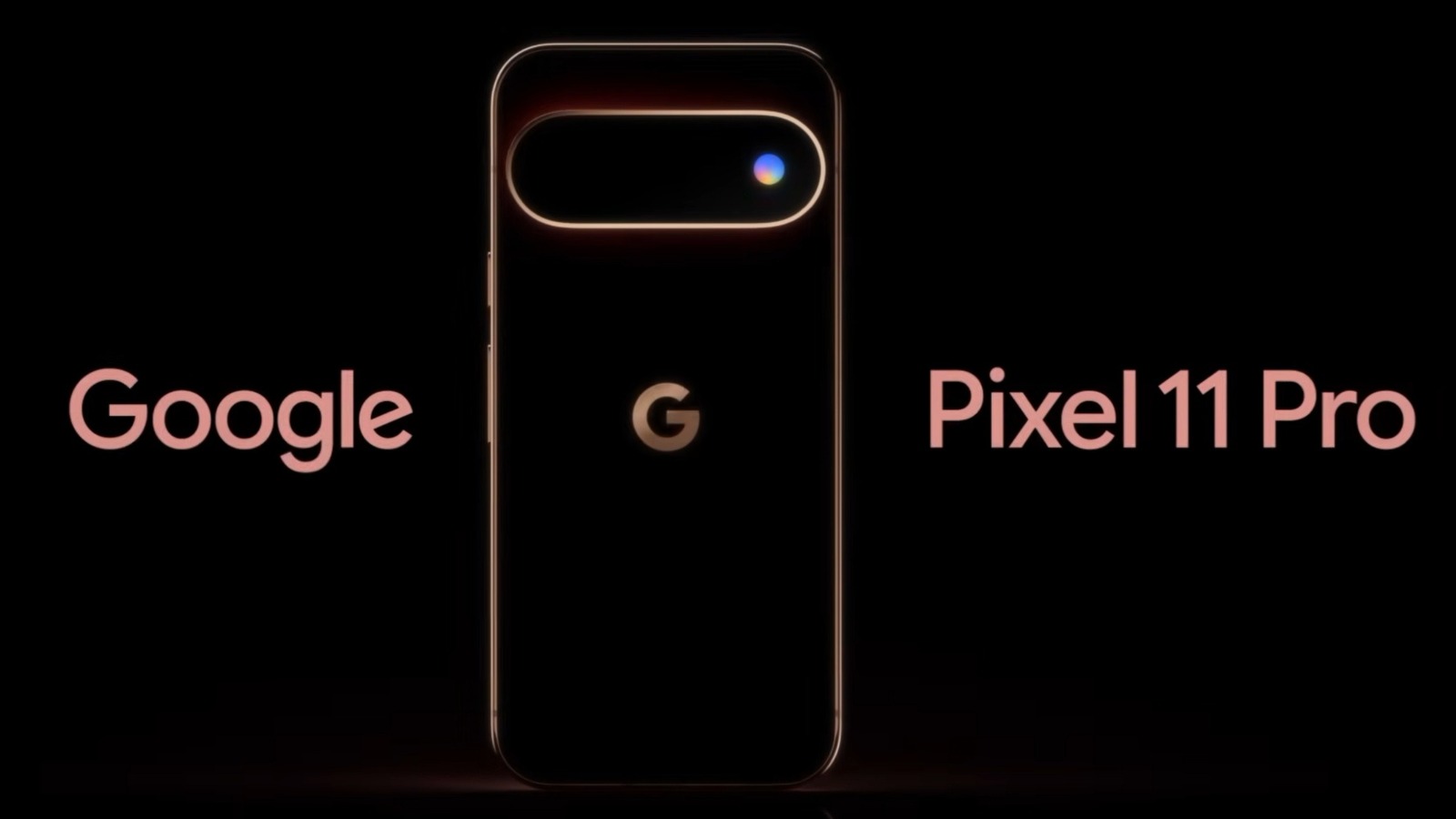
Google has initiated its traditional pre-launch marketing campaign for its upcoming smartphone lineup, offering a tantalizing glimpse of the Pixel 11 Pro and hinting at a novel feature integrated into its signature camera bar. The tech giant is set to formally unveil its 2024 Pixel devices at a dedicated hardware event scheduled for August 12, a date that has become a key fixture in the annual technology calendar for enthusiasts and industry observers alike. This latest teaser, disseminated through a brief video clip, strategically focuses on a mysterious, colorful, spinning circle positioned adjacent to the device’s triple-lens camera array, sparking widespread speculation across the technology community regarding its function and implications.
Unveiling the Enigma: The Pixel 11 Pro Teaser
The recently released promotional video, titled "the next obvious move," opens with a voiceover emphasizing the integral role of Google services in users’ daily lives—highlighting ubiquitous platforms such as Gmail, Maps, Search, Calendar, and the increasingly prominent AI assistant, Gemini. While the narrative grounds itself in the established utility of Google’s ecosystem, the visual focus quickly shifts to the physical design of the Pixel 11 Pro. The device, partially obscured in shadow, prominently displays its characteristic horizontal camera bar housing three distinct lenses, a design hallmark that has defined the Pixel series for several generations. However, it is the enigmatic addition next to these sensors that has captured immediate attention: a dynamic, circular indicator displaying a vibrant, spinning array of colors.
This visual element stands in stark contrast to Google’s typically minimalist and functional design language, immediately raising questions about its purpose. The teaser deliberately offers no explicit details, allowing for a broad spectrum of interpretations from technology analysts and the public. The strategic ambiguity is a classic Google marketing tactic, designed to build anticipation and generate buzz leading up to the official announcement. The company’s history of introducing innovative, often AI-powered, features suggests that this visual cue is likely more than a mere aesthetic flourish, pointing instead to a significant functional enhancement.
The Annual Hardware Showcase: What to Expect on August 12
The August 12 event continues Google’s tradition of hosting dedicated hardware launches, typically held in the fall, to introduce its flagship smartphones, smartwatches, and other ecosystem devices. These events serve as a crucial platform for Google to showcase its advancements in hardware design, computational photography, and, increasingly, its pervasive artificial intelligence capabilities. Historically, Pixel launches have been pivotal in demonstrating Google’s vision for the future of mobile computing, often pushing boundaries in areas like camera performance, on-device AI processing, and integration with the broader Android ecosystem.
Beyond the Pixel 11 Pro, the August 12 event is expected to feature the unveiling of the standard Pixel 11 model, offering a slightly more accessible entry point into Google’s latest smartphone technology. Additionally, industry insiders and past patterns suggest the debut of the Pixel Watch 5, Google’s next iteration of its Wear OS smartwatch, which will likely feature updated health tracking sensors, improved battery life, and enhanced integration with Pixel phones. Minor updates to Pixel Buds or other smart home devices could also be part of the presentation, reinforcing Google’s commitment to a cohesive hardware and software experience. The event is a strategic moment for Google to solidify its position in the fiercely competitive premium smartphone market, differentiating its offerings through software intelligence and unique hardware integrations.
Decoding the Colorful Indicator: Speculations and Precedents
The "colorful circle" has become the focal point of intense speculation. One immediate association for many tech-savvy observers is with the "rainbow pinwheel" cursor familiar to macOS users, which typically signifies an application is processing or unresponsive. This parallel suggests the Pixel 11 Pro’s indicator could be a visual cue for on-device processing, particularly relevant given Google’s heavy investment in artificial intelligence. With the increasing complexity of AI tasks performed locally on smartphones—such as advanced image processing, real-time language translation, or intricate Gemini AI operations—a clear visual signal of active processing could enhance user experience by managing expectations during computationally intensive tasks.
Another prominent theory draws inspiration from the Glyph interface pioneered by Nothing Phone. The Nothing Phone series, known for its transparent design and customizable LED lighting patterns on its rear panel, utilizes these lights for color-coded notifications, charging status, and even visual timers. If Google were to adopt a similar concept, the colorful circle on the Pixel 11 Pro could serve as a sophisticated, multi-purpose notification light. Different color sequences or patterns could indicate specific types of alerts—perhaps a distinct color for Gmail, another for messages, and a third for an incoming call. Such an implementation would provide users with at-a-glance information without needing to fully activate the screen, adding a layer of subtle yet effective communication. This approach aligns with a broader industry trend towards more ambient and less intrusive ways for devices to interact with users.
The integration of Gemini, Google’s advanced AI model, into the core functionality of the Pixel 11 series makes the processing indicator theory particularly compelling. As Gemini expands its on-device capabilities, handling increasingly complex queries, generative tasks, and proactive suggestions, a visual representation of its activity could be invaluable. This could signify anything from real-time transcription during a video recording, sophisticated image analysis for "Best Take" or "Magic Editor" features, or even a visual representation of Gemini "thinking" when responding to complex voice commands or contextual queries. The video’s title, "the next obvious move," implies a logical progression for the Pixel line, and deeper, more intuitive AI integration certainly fits this description.
Google’s AI and XR Ambitions: A Broader Context
Beyond mere processing indicators or notification lights, the teaser could also hint at Google’s burgeoning ambitions in mixed reality (XR). Google has been steadily renewing its focus on augmented reality (AR) and virtual reality (VR) technologies, evidenced by initiatives like Android XR and various experimental projects aimed at blurring the lines between the digital and physical worlds. The phrase "the next obvious move" could signify a more profound integration of XR capabilities into the daily smartphone experience, with the colorful circle serving as an indicator for AR overlays, depth sensing, or interaction with digital elements projected into the real world.
Google’s Project Starline, a real-time 3D communication booth, and its continued investment in ARCore for developers underscore a long-term strategy to make mixed reality more accessible and functional. If the Pixel 11 Pro is indeed designed to be a more robust platform for AR applications, the camera bar—the primary sensor array for perceiving the physical environment—would be the logical place for such an indicator. It could signify active AR sessions, successful environment mapping, or even provide feedback during object recognition and tracking. This interpretation positions the Pixel 11 Pro not just as a smartphone, but as a stepping stone towards a more immersive and interactive computing paradigm.
The Pixel Lineage: A History of Innovation
To understand the potential significance of this new feature, it’s crucial to look at the Pixel series’ history. Launched in 2016 as a successor to the Nexus line, the Pixel phones were conceived as Google’s definitive vision for Android, integrating hardware and software seamlessly. From its inception, the Pixel line distinguished itself through its groundbreaking computational photography, often achieving superior image quality with fewer lenses than competitors, thanks to advanced software algorithms. Features like HDR+, Night Sight, and Magic Eraser have consistently set industry benchmarks, demonstrating Google’s commitment to leveraging AI for enhanced user experiences.
The distinctive camera bar, introduced with the Pixel 6, became an iconic design element, housing not just the camera sensors but also the custom-designed Tensor chip. The Tensor chip, developed by Google, represents a strategic pivot towards on-device AI processing, enabling faster and more efficient execution of complex machine learning tasks directly on the phone. This bespoke silicon is fundamental to the Pixel’s differentiation, powering everything from real-time language processing to advanced photo and video enhancements. The evolution of the camera bar, therefore, is not merely aesthetic; it reflects the ongoing advancements in Google’s hardware and AI capabilities. Each iteration of the Pixel has sought to refine this integration, and the mysterious circular indicator on the Pixel 11 Pro suggests the next leap in this continuous innovation cycle.
Anticipated Specifications and Market Dynamics
Beyond the enigmatic camera feature, leaked information and industry rumors provide a clearer picture of what to expect from the Pixel 11 Pro’s core specifications. Reports suggest the Pro model will feature a 6.3-inch display, maintaining a comfortable form factor while offering ample screen real estate. Critically, the display is rumored to boast a peak brightness of 3,600 nits, a significant upgrade that would position it among the brightest smartphone screens on the market. This enhancement would greatly improve outdoor visibility and HDR content consumption, offering a more vibrant and immersive visual experience.
At its heart, the Pixel 11 Pro is expected to run on the Tensor G6 chipset, the latest iteration of Google’s custom silicon. The Tensor G6 is anticipated to deliver substantial improvements in AI processing capabilities, overall performance, and power efficiency compared to its predecessors. These advancements are crucial for supporting the increasingly sophisticated on-device AI features that Google integrates into its Pixel phones, from enhanced photography algorithms to more responsive Gemini interactions. The chip’s architecture will likely be optimized for machine learning tasks, further cementing the Pixel’s reputation as an "AI-first" smartphone.
A leaked retail listing also indicated the Pixel 11 Pro will be available in three distinct colorways: a sophisticated pink-beige option, a vibrant forest green visage, and an elegant gray-lavender look. These color choices suggest a continued emphasis on aesthetic appeal and personalization, offering users more diverse options to match their style. While specific camera upgrades remain unclear, it is highly probable that Google will introduce new computational photography features or refine existing ones, building upon its strong legacy in mobile imaging. Expect enhancements in low-light performance, video capabilities, and perhaps new AI-driven tools for image manipulation and enhancement.
Pricing Trends and Component Demand
A significant concern for consumers and a topic of frequent discussion among analysts is the potential for increased pricing for the Pixel 11 series and the Pixel Watch 5. The original article hints at "chaos caused by AI-driven demand for RAM, storage and chips." This observation aligns with broader industry trends. The burgeoning demand for high-performance computing components, fueled by the rapid expansion of AI technologies across various sectors (from data centers to edge devices), has put considerable pressure on the supply chain. Manufacturers of advanced memory modules (RAM), high-speed storage solutions, and cutting-edge chipsets are facing unprecedented demand, which inevitably translates into higher production costs.
For smartphone manufacturers like Google, these increased component costs often trickle down to the consumer in the form of higher retail prices. Furthermore, the overall inflationary environment and geopolitical factors affecting global supply chains contribute to an upward pressure on consumer electronics pricing. If Google aims to maintain or enhance the performance benchmarks of the Pixel 11 series, particularly with its Tensor G6 chip and potential increases in RAM and storage to support more demanding AI applications, a price adjustment compared to last year’s models seems plausible. This trend is not unique to Google, with many flagship smartphones across the industry seeing incremental price increases year-over-year. The challenge for Google will be to justify any price hike with compelling new features and performance improvements that offer clear value to consumers.
Analyst Perspectives and Industry Implications
Industry analysts are closely watching Google’s strategy with the Pixel 11 series. The emphasis on a potentially new camera bar feature, possibly related to AI processing or mixed reality, underscores Google’s continued efforts to differentiate its hardware through software intelligence. "Google’s strength lies in its AI integration, and any hardware feature that visually communicates or enhances that AI experience will be a significant talking point," noted a mobile technology analyst. "If this circular indicator is indeed a nuanced notification system or an AR activity cue, it could push the boundaries of how users interact with their devices, moving beyond mere screen-based interactions."
The potential influence of Nothing Phone’s Glyph interface is also a point of discussion. While Google rarely directly copies competitors, the concept of ambient, customizable rear-panel indicators for notifications represents a novel approach to smartphone interaction. If Google adopts a similar philosophy, it could validate the trend and encourage other manufacturers to explore alternative notification methods, fostering a new design language in the crowded smartphone market.
Moreover, Google’s renewed push into XR, potentially signaled by this teaser, is seen as a long-term strategic play. With Apple having launched its Vision Pro and Meta heavily invested in the metaverse, Google cannot afford to be left behind in the spatial computing race. Integrating subtle XR cues into its flagship smartphone could be a way to gradually acclimate users to these technologies, setting the groundwork for future, more immersive AR/VR devices. The Pixel line, with its advanced sensors and AI capabilities, is a natural platform for pioneering these mixed reality experiences.
Looking Ahead: The "Obvious Next Move"
The teaser has undoubtedly achieved its objective: generating significant intrigue and discussion ahead of the August 12 event. The "colorful circle" is more than just a visual curiosity; it represents Google’s ongoing commitment to innovation at the intersection of hardware, software, and artificial intelligence. Whether it turns out to be an advanced processing indicator for Gemini, a sophisticated ambient notification system, or a subtle gateway to enhanced mixed reality experiences, its integration into the iconic Pixel camera bar suggests a deliberate and strategic design choice.
The phrase "the next obvious move" implies a logical evolution that builds upon Google’s existing strengths and addresses emerging trends in mobile technology. It hints at a feature that will seamlessly integrate into the user’s daily routine, making the interaction with their Pixel phone more intuitive, informative, or immersive. As the countdown to August 12 continues, the tech world eagerly awaits Google’s official unveiling, anticipating a detailed explanation of this enigmatic feature and a comprehensive look at the company’s vision for the future of the Pixel ecosystem. The stakes are high for Google to deliver a compelling narrative that justifies its "next obvious move" and further solidifies the Pixel’s position as a leader in smart, AI-driven mobile innovation.