
 George Chandra Eka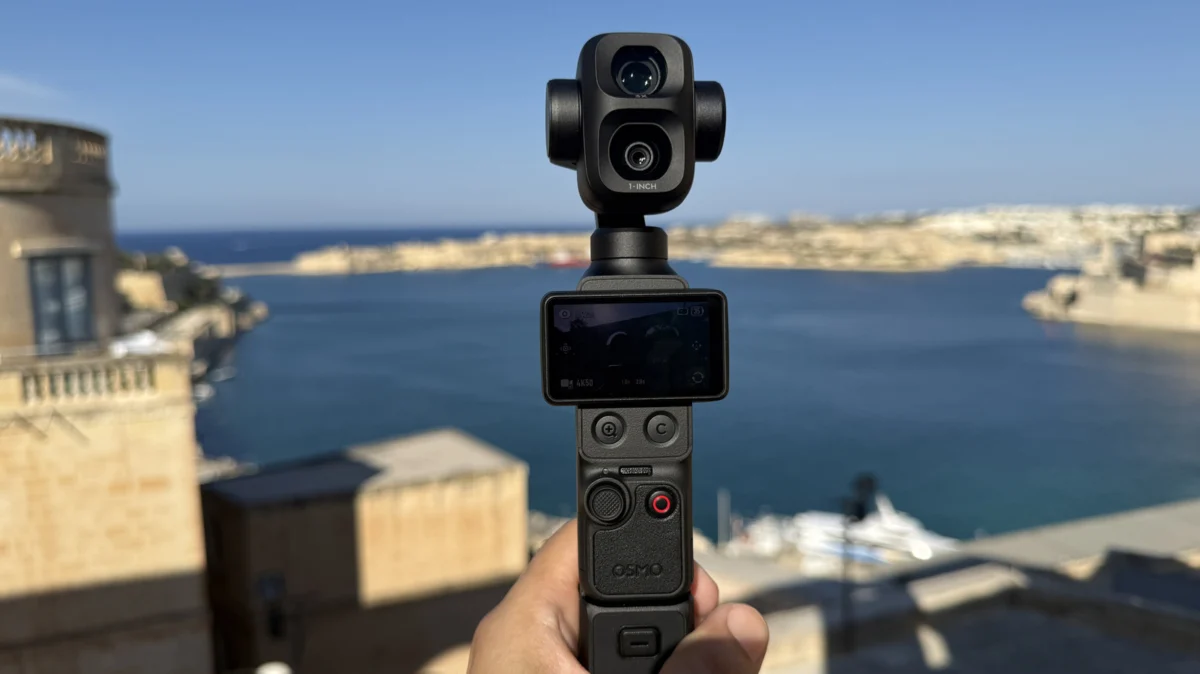
A New Benchmark in Dynamic Range for Compact Cameras
The most striking revelation regarding the Osmo Pocket 4P is DJI’s claim of achieving an unprecedented 17 stops of dynamic range. This figure, if verified upon the camera’s official release, would position the Pocket 4P far ahead of virtually every other consumer-level camera currently available on the market. To put this into perspective, many high-end mirrorless and DSLR cameras typically offer between 12 and 14 stops of dynamic range, while even professional cinema cameras like the ARRI ALEXA series, renowned for their exceptional image quality and dynamic range, often hover in the 14-16 stop range. The prospect of a compact, handheld gimbal camera achieving parity with such industry giants represents a paradigm shift in portable filmmaking technology.
Dynamic range refers to the ratio between the brightest and darkest tones that a camera can capture in a single exposure without losing detail. A wider dynamic range means the camera can simultaneously record intricate details in brightly lit areas, such as a glaring sky, and deeply shadowed regions, like underbrush, preventing blown-out highlights or crushed blacks. This capability is crucial for professional videographers and serious content creators who often encounter challenging lighting conditions and require maximum flexibility in post-production. The ability to retain detail across a broad luminosity spectrum allows for more sophisticated color grading, exposure correction, and overall image manipulation, leading to a significantly more polished and cinematic final product.
To fully harness this extended dynamic range, DJI has also introduced a new log mode, D-Log2. Log profiles are specialized color profiles that compress the camera’s dynamic range into a flat, desaturated image, preserving as much tonal and color information as possible. This "flat" footage is not intended for direct viewing but serves as a blank canvas for colorists, providing maximum latitude for adjustments in editing software. The D-Log2 profile will enable users to extract the full benefit of the 17-stop dynamic range, ensuring that every nuance of light and shadow is meticulously captured and available for creative manipulation. Industry experts anticipate that this feature will be particularly appealing to filmmakers shooting in high-contrast environments or those aiming for a high-production-value look that demands extensive post-processing.
Dual-Lens Versatility: Catering to Diverse Creative Needs
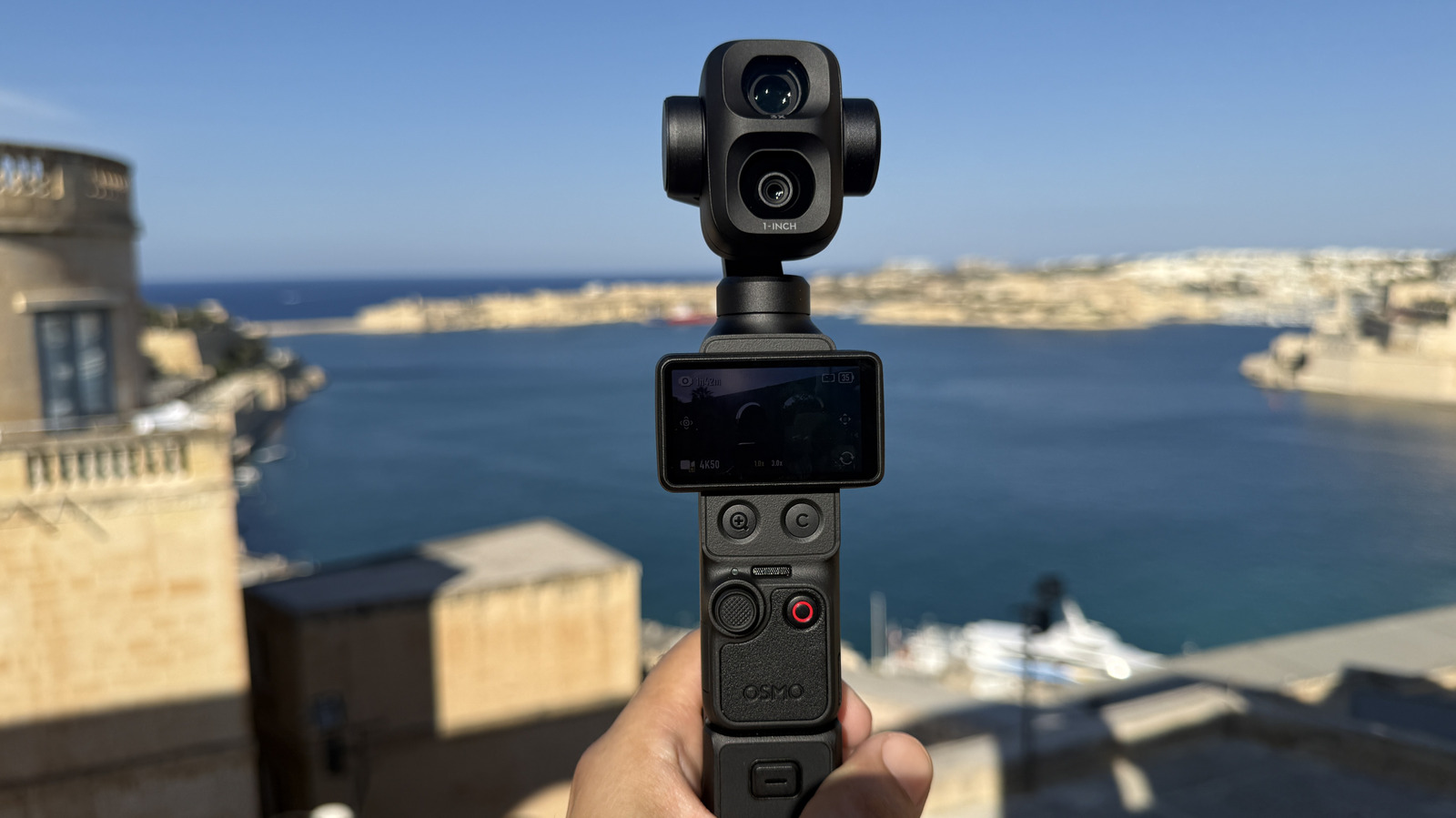
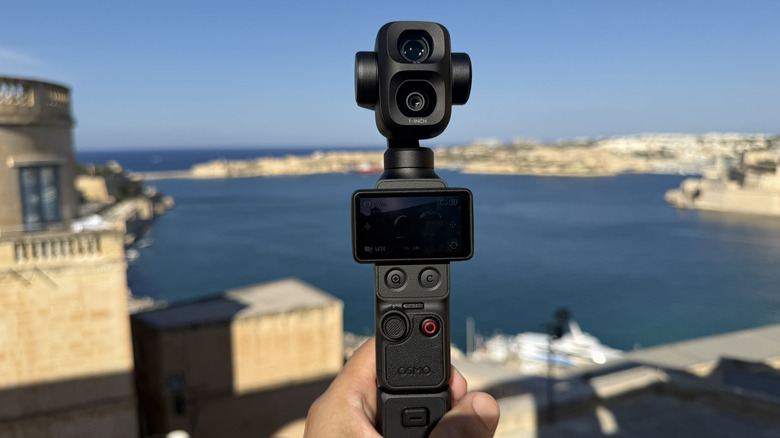
Beyond its impressive dynamic range, the Osmo Pocket 4P distinguishes itself with a sophisticated dual-camera setup. This system incorporates one lens with a regular wide field of view, akin to the primary lens found on the Osmo Pocket 4, ideal for capturing expansive scenes, vlogging, and general action shots. Complementing this is a second lens featuring a 3x zoom, specifically designed for portraiture and product photography.
DJI has confirmed that the focal length of this zoom lens is equivalent to 60mm on a full-frame camera. A 60mm equivalent focal length is highly regarded in photography for its ability to produce natural-looking portraits with minimal distortion, offering a flattering perspective that subtly compresses features and creates a pleasing bokeh effect (background blur). For product shots, this focal length is equally advantageous, allowing creators to isolate subjects effectively, highlight intricate details, and achieve a professional, studio-like aesthetic. The presence of both an ultra-wide (estimated around 20mm equivalent, given the 3x zoom ratio) and a portrait-friendly 60mm lens within such a compact form factor provides unprecedented versatility, enabling creators to switch seamlessly between different shooting styles without needing external lenses or additional equipment.
While DJI has yet to disclose the exact aperture of the 60mm lens, it has been described as "large." A larger aperture (indicated by a smaller f-number, e.g., f/1.8, f/2.0) is crucial for several reasons. Firstly, it allows more light to reach the sensor, significantly improving low-light performance and enabling cleaner images in dimly lit environments. Secondly, a larger aperture contributes to a shallower depth of field, which is essential for achieving the desirable background blur in portraits and product shots, further enhancing the professional appearance of the footage. The combination of an optimal focal length and a large aperture underscores DJI’s commitment to delivering professional-grade image quality in a highly portable package.
Design Evolution and Market Aesthetics
In a notable aesthetic departure, the Osmo Pocket 4P will be available in white, alongside the traditional black. This expansion of color options is a strategic move, aligning the device with a growing market trend for personalized consumer electronics. The white finish draws a direct comparison to its main rival, the Insta360 Luna Ultra, which also offers a similar light-colored design.
While the white variant offers a fresh, modern look and provides buyers with more choice, it also raises practical considerations. Light-colored devices, particularly those handled frequently outdoors, can be more susceptible to showing dust, dirt, and scuffs compared to their darker counterparts. This could be a minor concern for users who prioritize pristine aesthetics in rugged shooting environments. However, the visual appeal of a white camera often outweighs these practicalities for many consumers, especially those who value style and differentiation. The introduction of a white option suggests DJI is not only focused on technical performance but also on broadening the Osmo Pocket series’ appeal to a more style-conscious demographic.
Anticipated Specifications and Global Rollout
Despite the exciting revelations regarding dynamic range and dual lenses, DJI has maintained a tight lid on many other key specifications. Details such as the camera’s maximum resolution, available frame rates, sensor size, battery life, and most importantly, its price, remain officially unconfirmed for the global market. This deliberate secrecy often builds anticipation, but it also creates a unique market dynamic for DJI.
Interestingly, while official global release details are pending, information about the camera’s capabilities and even its availability has begun to surface due largely to DJI’s characteristic staggered release schedule. The Osmo Pocket 4P is reportedly already on sale in China, a common practice for the company, which often launches products in its domestic market first before a broader international rollout. This strategy allows DJI to gather initial user feedback, fine-tune production, and potentially address any unforeseen issues before a wider release.
Based on industry trends and the "pro" designation of the Pocket 4P, it is highly anticipated that the camera will support advanced video recording capabilities, likely including 4K resolution at high frame rates (e.g., 60fps, 120fps, or even higher for slow-motion capture). Speculation also includes potential improvements in sensor technology for enhanced low-light performance, refined image stabilization algorithms, and possibly longer battery life to accommodate extended shooting sessions. The price point is expected to be premium, positioned above the standard Osmo Pocket 4, reflecting its advanced features and professional-grade capabilities.
As for the global release, DJI has indicated that European and North American markets can expect the Osmo Pocket 4P to go on sale sometime early next quarter. This timeline aligns with typical product launch cycles following a domestic debut and allows for adequate preparation of international distribution channels and marketing campaigns. The delay, while potentially frustrating for eager consumers, is part of DJI’s established market entry strategy.
Market Landscape and DJI’s Strategic Vision
The introduction of the Osmo Pocket 4P reaffirms DJI’s dominant position in the portable camera and gimbal market. By pushing the boundaries of dynamic range and offering a versatile dual-lens system in a compact form factor, DJI is directly targeting professional content creators, serious vloggers, and independent filmmakers who demand high-quality imaging and robust stabilization without the bulk of larger camera setups.
The competitive landscape for compact cameras is vibrant, with players like Insta360 offering innovative solutions such as the Luna Ultra, which similarly focuses on portability and advanced features. GoPro also remains a formidable competitor in the action camera segment, though its primary focus is often on ruggedness and extreme sports rather than the cinematic precision offered by gimbal-stabilized cameras. The Osmo Pocket 4P carves out a niche by blending the best aspects of action cameras (portability, stabilization) with features typically found in higher-end cinema cameras (exceptional dynamic range, log profiles, specialized lenses).
DJI’s strategy with the Osmo Pocket 4P appears to be multifaceted:
- Innovation Leadership: By achieving 17 stops of dynamic range, DJI aims to set a new benchmark, showcasing its engineering prowess and pushing the entire industry forward.
- Market Segmentation: The Pocket 4P clearly targets the "pro" segment, differentiating it from the more mainstream Pocket 4 and allowing DJI to cater to a broader range of users with specific needs.
- Ecosystem Integration: The Osmo Pocket series is an integral part of DJI’s wider ecosystem, which includes drones, professional gimbals (like the Ronin series), and action cameras. Innovations in one product line often inform and enhance others, reinforcing DJI’s overall brand strength.
- User Empowerment: Providing tools like D-Log2 and a versatile dual-lens system empowers creators with greater creative control and the ability to produce higher-quality content, fostering loyalty within its user base.
Broader Impact and Future Prospects
The technological advancements embodied in the DJI Osmo Pocket 4P are poised to have a significant impact on the content creation industry. For mobile journalists, vloggers, and independent filmmakers, the camera offers a powerful, discreet tool that can capture professional-grade footage in a variety of challenging scenarios. The enhanced dynamic range means less time spent correcting exposure in post-production and more flexibility for creative grading, ultimately streamlining workflows and elevating the overall quality of online content.
This release also signals a continuing trend towards miniaturization and convergence of features. As technology progresses, the line between professional cinema cameras and consumer devices becomes increasingly blurred, with compact cameras gaining capabilities once reserved for much larger and more expensive equipment. The Osmo Pocket 4P stands as a testament to this evolution, suggesting that high-fidelity video capture is becoming more accessible than ever before.
Looking ahead, the success of the Osmo Pocket 4P will likely spur further innovation across the industry. Competitors will undoubtedly strive to match or exceed its dynamic range claims, leading to an exciting period of technological advancement in the compact camera market. DJI’s commitment to pushing performance boundaries, particularly in critical areas like dynamic range and optical versatility, reinforces its position as a key innovator and trendsetter in the world of imaging technology. The Osmo Pocket 4P is not just a new camera; it represents a significant step forward in making professional-grade videography more portable, powerful, and creatively flexible for a new generation of creators.







