Metty Iskandar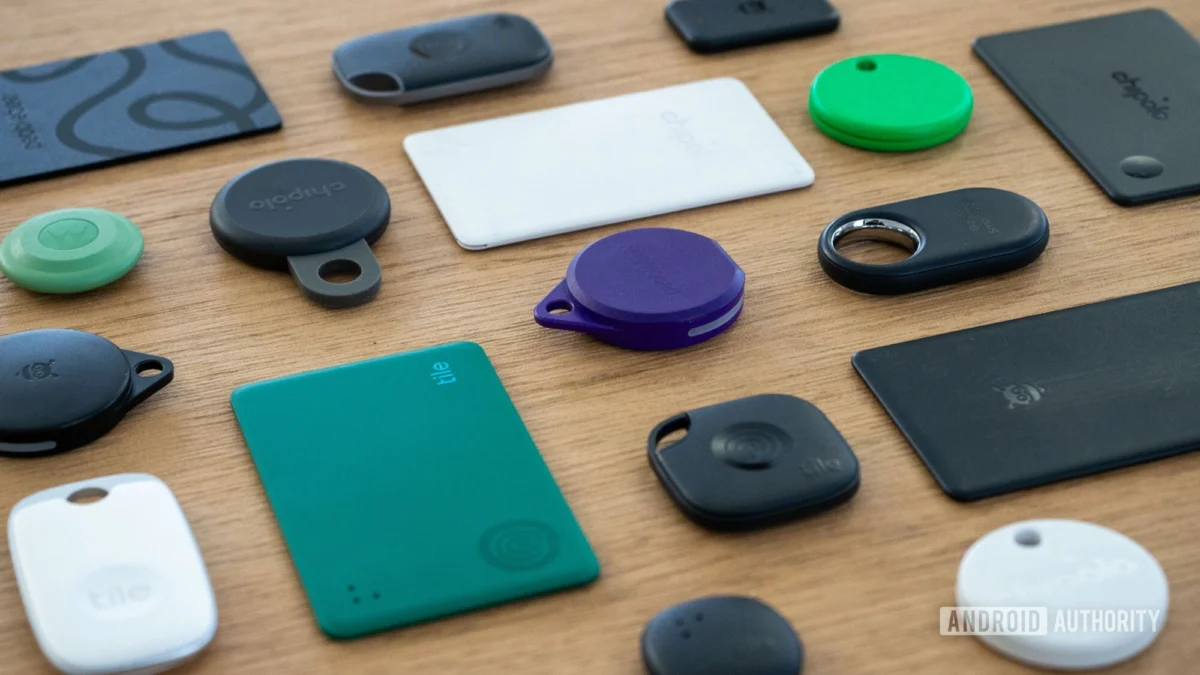
As August approaches, anticipation builds for Google’s highly anticipated "Made By Google" product launch event, signaling the imminent arrival of the Pixel 11 smartphone series and the Pixel Watch 5. While these flagship devices have been the subject of considerable speculation, emerging details suggest that Google may also be preparing to enter the burgeoning market for personal tracking devices with a product tentatively known as the "Pixel Tag." This development, hinted at in earlier Pixel 11 leaks concerning "Pixel Tag" support, is now gaining traction with the discovery of European product listings that offer the first glimpse of the device and confirm its functionality as a "Find My Device" tracker.
The recent uncovering of these European product listings by 9to5Google, including one with a hardware description, strongly indicates that Google is indeed preparing to launch its own tracker fob. This move positions Google to compete directly with established players like Apple’s AirTag, Samsung’s Galaxy SmartTag, and Tile. The discovery has been further bolstered by the emergence of the first publicly available image of what is believed to be the Pixel Tag.
Unveiling the Pixel Tag: Design and Functionality
The leaked image reveals a compact, disc-shaped device, similar in form factor to many existing trackers. A notable detail is a small hole located towards the bottom of the device, featuring what appears to be a fine grille. This design element is corroborated by one of the product listings, which mentions "a loud speaker for easy nearby search." This feature is crucial for users trying to locate misplaced items within a close proximity, offering an audible cue to aid in the search. The model number associated with the device, GA12506, and references to "Fog Light" suggest a potential color designation for the Pixel Tag, indicating a possible naming convention for its aesthetic options.
The integration of a speaker aligns with the core functionality expected from a "Find My Device" tracker. This system, pioneered by Apple with its "Find My" network, allows users to leverage a vast network of compatible devices to anonymously and securely locate their belongings. Google has been developing its own iteration of this network, aiming to provide a similar, robust tracking solution for Android users. The impending release of the Pixel Tag signifies Google’s commitment to bolstering its ecosystem with this essential utility.
Strategic Entry into a Crowded Market
Google’s venture into the tracker market is a strategic move, addressing a perceived gap in its hardware offerings. For some time, the absence of a dedicated Google-branded "Find My Device" tracker has been an oversight, particularly as competitors have solidified their positions. Samsung, for instance, is reportedly on the verge of introducing its third-generation Galaxy SmartTag, signaling ongoing innovation and commitment to this product category. Similarly, other smartphone manufacturers have offered their own tracking solutions for years, demonstrating the established demand and utility of such devices.
The tracker market has experienced significant growth, driven by consumer demand for peace of mind and the ability to safeguard valuable possessions. From keys and wallets to luggage and even pets, these small, unobtrusive devices offer a critical layer of security. By entering this space, Google aims to capture a share of this expanding market, further integrating its services and hardware into the daily lives of its users.
The "Find My Device" Network: A Foundation for the Pixel Tag
The Pixel Tag will operate within the framework of Google’s "Find My Device" network. This network is designed to leverage the vast number of Android devices globally to create a crowdsourced tracking system. When a user’s Pixel Tag goes missing, its last known location can be anonymously reported by other Android devices that come within Bluetooth range. This decentralized approach offers a powerful and scalable solution for locating lost items, even when they are outside the direct range of the owner’s phone.
Google has been actively refining its "Find My Device" network, addressing privacy concerns and enhancing its capabilities. The rollout of this network has been gradual, with initial phases focusing on enabling basic tracking functionalities and ensuring user privacy. The introduction of a dedicated hardware tracker like the Pixel Tag is a natural progression, providing a tangible product that directly benefits from and contributes to the network’s effectiveness.
Unanswered Questions and Future Expectations
Despite the growing certainty surrounding the Pixel Tag’s existence and basic functionality, several key questions remain. Foremost among these is the potential inclusion of Ultra-Wideband (UWB) technology. UWB offers highly precise, directional location tracking, enabling features like "precision finding" that guides users directly to their lost item. While there is no direct evidence yet to confirm UWB support for the Pixel Tag, its inclusion would significantly enhance its capabilities and bring it closer to parity with premium offerings like Apple’s AirTag, which features UWB. The absence of UWB could position the Pixel Tag as a more budget-friendly option, relying solely on Bluetooth for proximity detection.
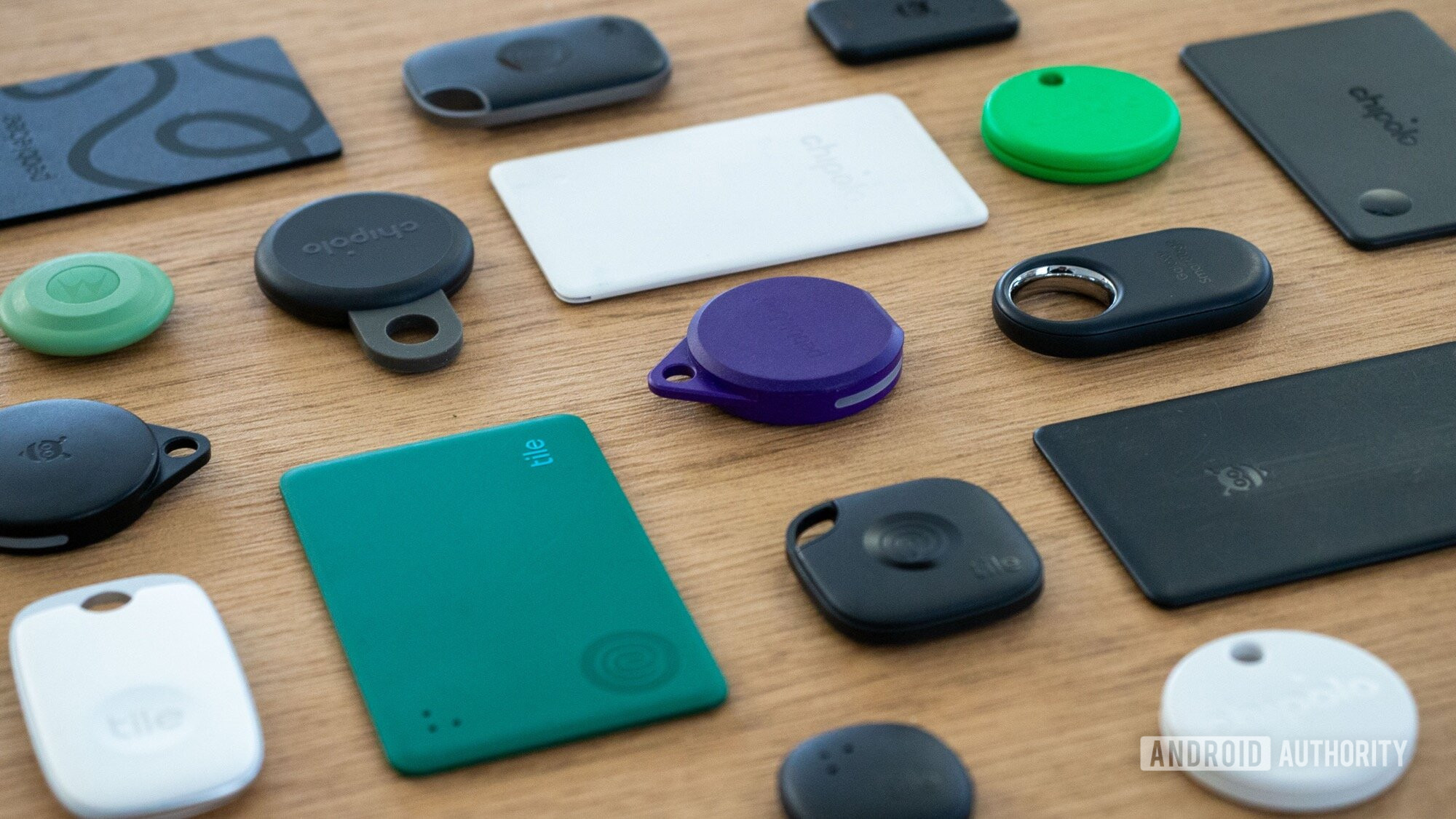
Another significant question revolves around the Pixel Tag’s power source. Industry standards for trackers vary, with some utilizing replaceable coin-cell batteries, similar to Apple’s AirTag, while others opt for rechargeable batteries. A replaceable battery offers convenience in terms of immediate power restoration, while a rechargeable battery aligns with a growing trend towards more sustainable and integrated device charging solutions. Google’s choice here could reflect its broader environmental and product design philosophies.
Pricing also remains a critical unknown. The competitive landscape suggests that Google will aim for an accessible price point to encourage widespread adoption. The possibility of multi-packs for cost savings or bundle deals with new Pixel 11 devices could be strategic incentives to drive initial sales and integrate the tracker seamlessly into the Pixel ecosystem. The pricing strategy will undoubtedly be a key factor in the Pixel Tag’s success in a market where cost-effectiveness is a significant consideration for many consumers.
Chronology of Leaks and Developments
The journey from initial speculation to a tangible product has been a gradual one. The first hints of a Google tracker emerged in early leaks related to the Pixel 11, where "Pixel Tag" support was identified within the device’s software. This early indication suggested that Google was preparing to integrate such functionality into its upcoming hardware releases.
More recently, the discovery of European product listings provided concrete evidence of the Pixel Tag’s existence. These listings, often a precursor to official product announcements, offered technical specifications and descriptive details that confirmed the device’s role as a "Find My Device" tracker. The inclusion of a hardware description, mentioning a speaker for nearby searching, was a pivotal moment in solidifying the understanding of the product’s core features.
The subsequent emergence of the first image of the Pixel Tag, showcasing its design and the distinctive speaker grille, further fueled public interest and anticipation. This visual confirmation provided a tangible representation of the device, moving it from the realm of abstract rumors to a concrete product in development.
Broader Impact and Implications for the Android Ecosystem
The introduction of the Pixel Tag could have several significant implications for the broader Android ecosystem. Firstly, it strengthens Google’s hardware portfolio, offering a compelling accessory that complements its smartphone and wearable devices. This integration is crucial for fostering customer loyalty and creating a more cohesive user experience.
Secondly, it enhances the functionality and appeal of Google’s "Find My Device" network. A dedicated hardware tracker will likely drive greater adoption and utilization of the network, making it a more powerful and reliable tool for all Android users, not just those who own a Pixel device. This could encourage other manufacturers to further invest in and integrate with Google’s tracking infrastructure.
Furthermore, the Pixel Tag’s entry into the market could intensify competition, potentially leading to more innovative features and competitive pricing across the board. This benefits consumers by offering a wider array of choices and more affordable options for personal tracking solutions. As Google’s ecosystem continues to expand, the Pixel Tag represents another step towards providing a comprehensive suite of connected devices and services for its users.
The upcoming "Made By Google" event on August 12th is anticipated to provide official confirmation of the Pixel Tag, along with detailed specifications, pricing, and availability. Until then, the leaked information offers a compelling preview of Google’s strategic move into the personal tracking device market, poised to offer a robust and integrated solution for Android users worldwide.