Chandra Wibowo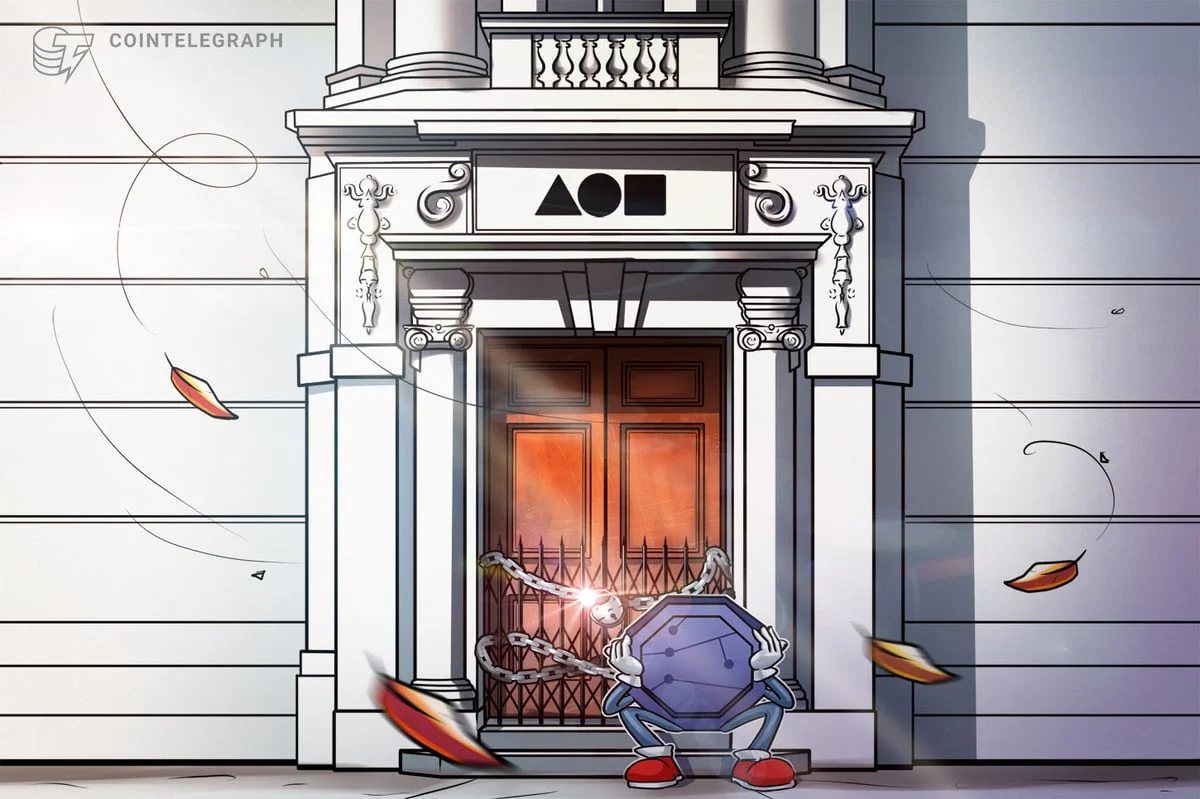
Foundation, a prominent non-fungible token (NFT) marketplace that emerged during the fervent NFT boom of 2021, has announced its permanent closure. The decision comes in the wake of a failed acquisition by Blackdove, a digital art distribution platform, which was intended to secure the marketplace’s future operations. Kayvon Tehranian, Foundation’s founder and CEO, confirmed the shutdown via a post on X (formerly Twitter) on Wednesday, citing the collapse of the acquisition as the primary reason.
"That’s no longer possible," Tehranian stated in his announcement, directly referencing the original objective of the sale to ensure continuity under new ownership. He further elaborated that Foundation is not in a financial or operational position to reinstate the marketplace. In a subsequent message attributed to the Blackdove team, it was communicated that the Foundation website would be temporarily reinstated to allow users to delist their NFTs, a crucial step for artists and collectors to regain control of their digital assets. This development underscores the significant challenges facing many NFT platforms in the current market climate, where declining trading volumes and liquidity have made independent operation increasingly untenable.
The Genesis and Rise of Foundation Amidst the 2021 NFT Frenzy
Foundation first launched in early 2021, a period characterized by unprecedented enthusiasm and speculative investment in the realm of digital art and collectibles. This era saw a meteoric rise in the value of NFTs, with some individual pieces fetching astronomical sums, most notably Beeple’s "Everydays: The First 5000 Days," which sold for a record-breaking $69 million at Christie’s. Foundation quickly established itself as a curated platform, attracting a discerning community of artists and collectors eager to participate in this nascent digital economy.

The platform distinguished itself by focusing on a more curated approach, often requiring artists to be invited by existing members to mint their work. This exclusivity, coupled with a commitment to showcasing high-quality digital art, helped Foundation carve out a significant niche in a rapidly expanding market. According to Blackdove’s own statements regarding the acquisition, Foundation had facilitated over $230 million in primary sales for artists globally. Its roster of featured artists included notable names such as Jen Stark, James Jean, and Reuben Wu, further solidifying its reputation as a premier destination for digital art.
Beyond established artists, Foundation also became a platform for significant cultural and political commentary. In 2021, it hosted the sale of Edward Snowden’s NFT titled "Stay Free." This piece, a digital self-portrait created by the whistleblower, garnered significant attention and sold for approximately 2,200 Ether (ETH), which was valued at roughly $5 million at the time of the sale. This event highlighted Foundation’s capacity to engage with broader societal issues and attract high-profile contributors, further cementing its place in the NFT landscape.
The Inevitable Downturn and the Struggle for Survival
The vibrant NFT market of 2021, however, proved to be unsustainable. By 2022, broader market trends began to shift, and the frenzy surrounding NFTs started to cool. This deceleration was marked by a significant decrease in trading volumes, a decline in the overall market capitalization of NFTs, and a general cooling of investor interest. For NFT marketplaces like Foundation, this translated into reduced liquidity and fewer sustainable transaction flows. The once-bustling digital art market began to contract, presenting significant operational challenges for platforms reliant on transaction fees and user engagement.
The initial announcement of Blackdove’s intention to acquire Foundation surfaced in early 2025. At the time, this was perceived as a potential lifeline for the embattled marketplace. Blackdove, which focuses on digital art distribution, saw an opportunity to integrate Foundation’s existing user base and infrastructure into its own operations. The transition of ownership was slated to occur over the subsequent year, signaling a potential new chapter for Foundation. However, as details surrounding the acquisition began to emerge and the due diligence process unfolded, it became apparent that the deal was encountering insurmountable obstacles. The eventual collapse of this acquisition has now precipitated the marketplace’s demise.

A Waning Landscape: Foundation Joins a Growing List of Departures
The closure of Foundation is not an isolated incident but rather a stark indicator of a broader trend within the NFT ecosystem. The past few years have witnessed a significant consolidation and a wave of closures among NFT platforms that were unable to adapt to the evolving market conditions. As of February 2026, the overall market capitalization of NFTs had reportedly fallen back to levels seen prior to the 2021 hype cycle, reflecting a substantial correction from the market’s peak.
This year alone has seen several notable NFT platforms wind down their operations. Mint Blockchain, an infrastructure network built on Ethereum specifically for NFTs, announced on Friday that it has ceased operations and is urging users to withdraw their assets. This follows earlier shutdowns that have sent ripples through the industry. Gemini exchange-backed Nifty Gateway, once a prominent player in the high-end NFT market, also announced its closure earlier this year. Similarly, the social NFT platform Rodeo announced its cessation of operations, highlighting the challenges faced by platforms with different business models.
The trend of market contraction extends further back. Last year, MakersPlace, another platform that gained prominence during the boom, shut down amidst declining NFT activity. X2Y2, which had transitioned from a trading platform to offering other NFT-related services, also wound down its operations and pivoted away from digital art trading. Even major cryptocurrency exchanges have felt the impact; Bybit, for instance, closed its dedicated NFT marketplace as trading volumes plummeted across the sector.
The Dominant Players and the Future Outlook
Despite the widespread contraction, a few platforms have managed to maintain a significant presence. OpenSea has consistently remained the dominant NFT marketplace, commanding a substantial share of the market. At the time of reporting, OpenSea accounted for over 73% of all activity across the sector, according to data from DefiLlama. Its enduring leadership, even amidst a downturn, suggests that established platforms with broad user bases and robust infrastructure can weather market volatility. Competition, though diminished, still exists, with platforms like Blur also vying for market share.

The current state of the NFT market presents a complex picture. While the speculative fervor of 2021 has undoubtedly subsided, and many platforms have faltered, some industry figures remain optimistic about the long-term prospects of NFTs. For instance, Yat Siu, the chairman of Animoca Brands, a prominent player in the blockchain gaming and metaverse space, has expressed predictions that the NFT sector could eventually recover and even surpass previous all-time highs. These viewpoints suggest that while the current market conditions are challenging, the underlying technology and potential use cases for NFTs may still hold significant promise for the future. The current period of consolidation, therefore, could be seen as a necessary recalibration, paving the way for a more sustainable and mature NFT ecosystem in the years to come. The closure of Foundation, while a significant event for its community, is a testament to the dynamic and often unforgiving nature of emerging digital asset markets.