admin
admin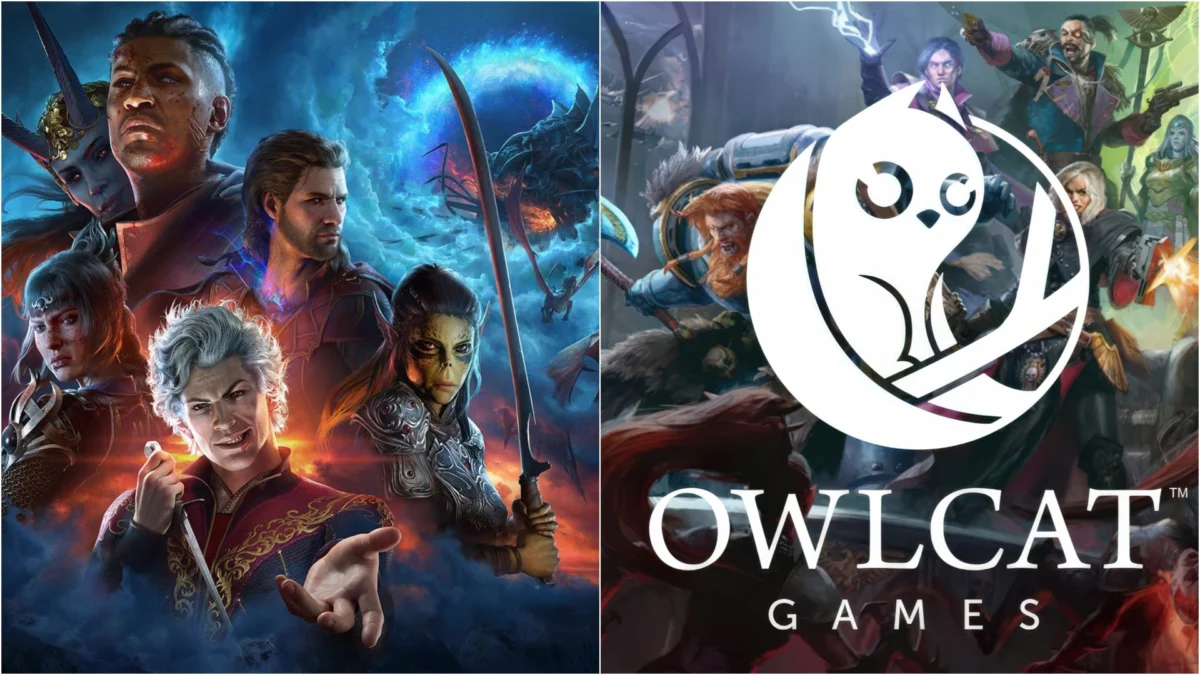
The landscape of the computer role-playing game (cRPG) genre underwent a seismic shift in early 2024 when Larian Studios, the developer behind the critically acclaimed and commercially dominant Baldur’s Gate 3, announced it would not be returning for a sequel or any downloadable content. This revelation left a vacuum in one of gaming’s most storied franchises, a series that has sold over 20 million units and swept nearly every major "Game of the Year" award in 2023. As fans and industry analysts speculated on who might be capable of succeeding such a monumental achievement, Owlcat Games, the studio behind the Pathfinder series and Warhammer 40,000: Rogue Trader, has emerged as a potential contender, expressing a measured but distinct interest in the challenge.
The Succession Crisis in the Forgotten Realms
The vacancy at the helm of the Baldur’s Gate franchise is not due to a lack of brand power, but rather the sheer scale of the benchmark set by Larian Studios. Baldur’s Gate 3 was a "lightning in a bottle" moment for the industry, combining high-fidelity cinematic presentation with the deep, systemic complexity of Dungeons & Dragons 5th Edition. When Larian Studios founder Swen Vincke confirmed at the Game Developers Conference (GDC) that the studio would return to its own intellectual property, Divinity, he cited a desire for creative freedom and a departure from the constraints of licensed mechanics.
This exit prompted Wizards of the Coast, the Hasbro subsidiary that owns the Dungeons & Dragons IP, to seek new partners. However, the prospect of following Baldur’s Gate 3 has proven daunting even for industry veterans. James Ohlen, a lead designer on the original Baldur’s Gate (1998) and Baldur’s Gate II: Shadows of Amn (2000), reportedly declined the opportunity to lead a fourth installment. Ohlen, who currently heads Archetype Entertainment, suggested that the bar raised by Larian was so high that attempting to replicate it would be a task bordering on "insanity" for most development teams.
Owlcat Games and the Masochism of Development
In a recent dialogue with IGN, Alexander Mishulin, co-founder and creative director of Cyprus-based Owlcat Games, addressed the growing fan sentiment that his studio is the most logical successor. Unlike other developers who have shied away from the project, Mishulin described the prospect of developing Baldur’s Gate 4 as a "great challenge" that the studio would be willing to consider, albeit with a caveat: it would not be a carbon copy of Larian’s work.
Mishulin noted that Owlcat Games possesses a "little bit of a masochistic" streak, a reference to the studio’s history of tackling massive, systems-heavy RPGs that demand thousands of hours of development and balancing. He emphasized that any studio taking on the mantle must avoid the trap of trying to replicate the "Larian formula." According to Mishulin, Baldur’s Gate 3 is a reflection of Larian’s 30-year evolution, from the early days of Divine Divinity to the systemic mastery of Divinity: Original Sin II. He argued that a successful Baldur’s Gate 4 must instead reflect the "DNA" of its new creator.
A Chronology of Owlcat Games’ Rise
To understand why Owlcat is viewed as the primary candidate for the franchise, one must look at the studio’s rapid ascent within the cRPG niche. Founded in 2016, the studio has consistently delivered deep, narrative-driven experiences that cater to the "hardcore" segment of the RPG market.
- Pathfinder: Kingmaker (2018): Owlcat’s debut title, based on the Paizo tabletop ruleset, was praised for its depth and ambitious kingdom-management mechanics. Despite a rocky technical launch, it established Owlcat as a serious player in the genre.
- Pathfinder: Wrath of the Righteous (2021): This sequel vastly expanded the scope of the first game, introducing "Mythic Paths" and a massive crusade-management layer. It sold over one million copies within its first year, proving that there was a significant market for complex, isometric RPGs.
- Warhammer 40,000: Rogue Trader (2023): Released shortly after Baldur’s Gate 3, Rogue Trader demonstrated Owlcat’s ability to handle major third-party licenses. It translated the grimdark universe of Games Workshop into a turn-based tactical RPG, further cementing the studio’s reputation for mechanical density and narrative choice.
Technical and Operational Capacity
One of the primary arguments for Owlcat taking over the franchise is the studio’s recent expansion. From a small team in 2016, Owlcat has grown to employ approximately 600 staff members. This workforce size puts them in a similar tier to Larian Studios during the peak of Baldur’s Gate 3’s development.
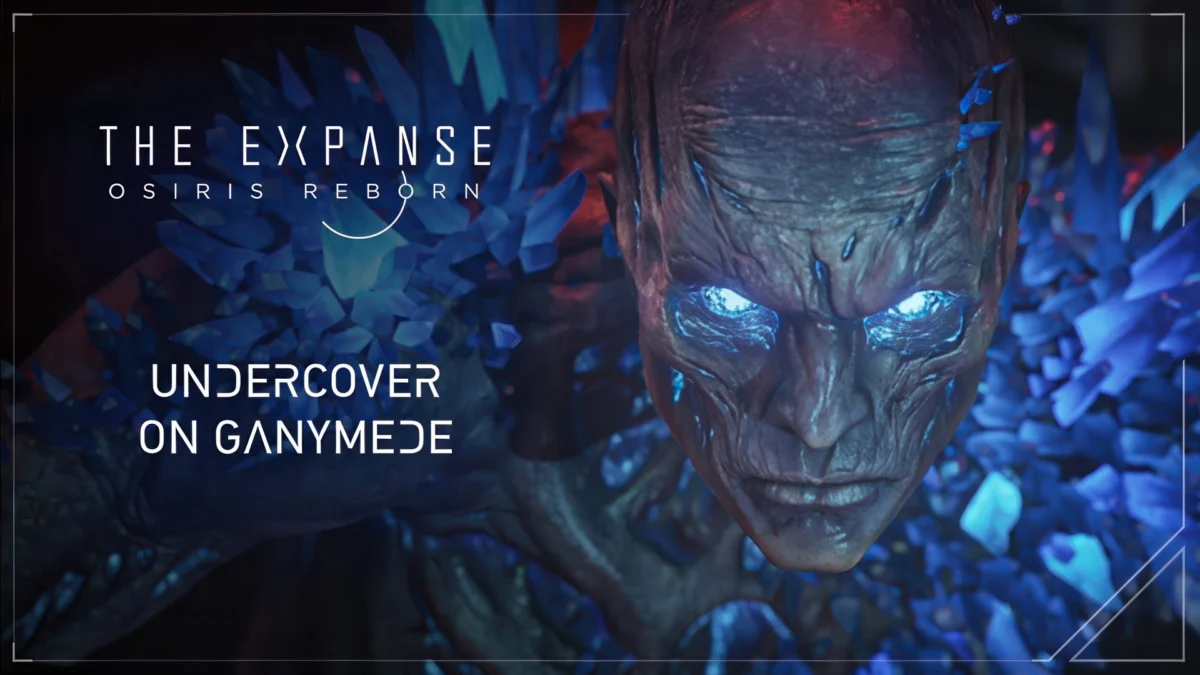
However, Owlcat’s current resources are divided across several high-profile projects. The studio is currently working on Warhammer 40,000: Dark Heresy, a follow-up to their successful foray into the 40k universe. More significantly, they are developing The Expanse: Osiris Reborn, a third-person action-oriented RPG based on the popular science fiction series.
The shift toward a third-person perspective in The Expanse: Osiris Reborn is a strategic move for Owlcat. While their previous titles utilized an isometric camera—a staple of traditional cRPGs—moving to a third-person "over-the-shoulder" view aligns more closely with the presentation style of Baldur’s Gate 3 and BioWare’s Mass Effect. This transition suggests that Owlcat is building the technical infrastructure and cinematic expertise required to meet the modern expectations of a "AAA" RPG, which Baldur’s Gate 4 would undoubtedly require.

Supporting Data: The RPG Market Post-Baldur’s Gate 3
The success of Baldur’s Gate 3 has fundamentally altered the financial expectations for the genre. Data from Hasbro’s 2023 earnings reports indicated that Baldur’s Gate 3 contributed roughly $90 million in revenue to the company through licensing fees alone. For Wizards of the Coast, the franchise is no longer a niche computer game but a cornerstone of their digital strategy.
Industry analysts suggest that any developer chosen for Baldur’s Gate 4 would need to secure a budget exceeding $100 million to match the production values—including full motion capture and extensive voice acting—that players now expect. While Owlcat’s Pathfinder titles were largely crowdfunded or self-published on smaller budgets, their expansion to 600 employees and their partnership with major IP holders like Games Workshop and the estate of James S.A. Corey (The Expanse) indicates they are moving into a higher tier of production.
Official Responses and Strategic Silences
While Alexander Mishulin’s comments to IGN represent the most direct statement from a potential developer to date, Wizards of the Coast has remained relatively tight-lipped regarding the specific future of the sequel. Eugene Evans, Hasbro’s Senior Vice President of Digital Strategy and Licensing, has previously stated that the company is "talking to many partners" and is taking its time to ensure the next step for the franchise is the correct one.
"We’re not going to rush into a decision," Evans noted in a separate industry brief. "Baldur’s Gate 3 showed us that there is a massive audience for high-quality D&D experiences. Our goal is to find a partner who shares that passion for the lore and the mechanics."
Meanwhile, Larian Studios has moved on entirely. Swen Vincke has publicly expressed his excitement to see what another studio does with the "toys" they left behind in the Baldur’s Gate sandbox. This endorsement of a "new vision" aligns with Mishulin’s assertion that the next game should not try to be "BG3 Part 2."
Broader Impact and Industry Implications
The potential appointment of Owlcat Games for Baldur’s Gate 4 would signify a consolidation of the cRPG market. With BioWare shifting focus toward the Dragon Age and Mass Effect franchises, and Obsidian Entertainment working on Avowed and The Outer Worlds 2, Owlcat and Larian remain the two primary "heavyweights" dedicated to the classic, systems-driven RPG format.
If Owlcat were to take the project, it would likely mean a return to a more "crunchy," rules-heavy interpretation of Dungeons & Dragons. Owlcat’s games are known for their strict adherence to tabletop rules, often including complex math and deep character customization that exceeds even what was seen in Baldur’s Gate 3. This could pivot the franchise back toward its more hardcore roots while utilizing the cinematic advancements the studio is currently developing for The Expanse.
Furthermore, the brand’s expansion continues outside of the gaming sphere. Rumors of a Baldur’s Gate 1 and 2 remake persist, aimed at modernizing the Infinity Engine classics for current consoles. Additionally, the announcement of an HBO television series developed by Craig Mazin (The Last of Us, Chernobyl) suggests that Hasbro is intent on turning Baldur’s Gate into a multi-media juggernaut.
Conclusion: A High-Stakes Handover
The path to Baldur’s Gate 4 remains fraught with creative and financial risks. The "Larian Formula" of environmental interactivity and co-operative play is difficult to replicate, but Owlcat Games’ track record of narrative depth and mechanical complexity makes them a formidable candidate. As the industry watches, the decision of Wizards of the Coast will determine whether the franchise continues to chase the cinematic heights of Larian’s masterpiece or returns to the dense, tactical simulations that defined the genre’s golden age. For now, Owlcat stands ready, acknowledging the "masochism" of the task while signaling a clear readiness to step into the light of the Forgotten Realms.