Garick Elordi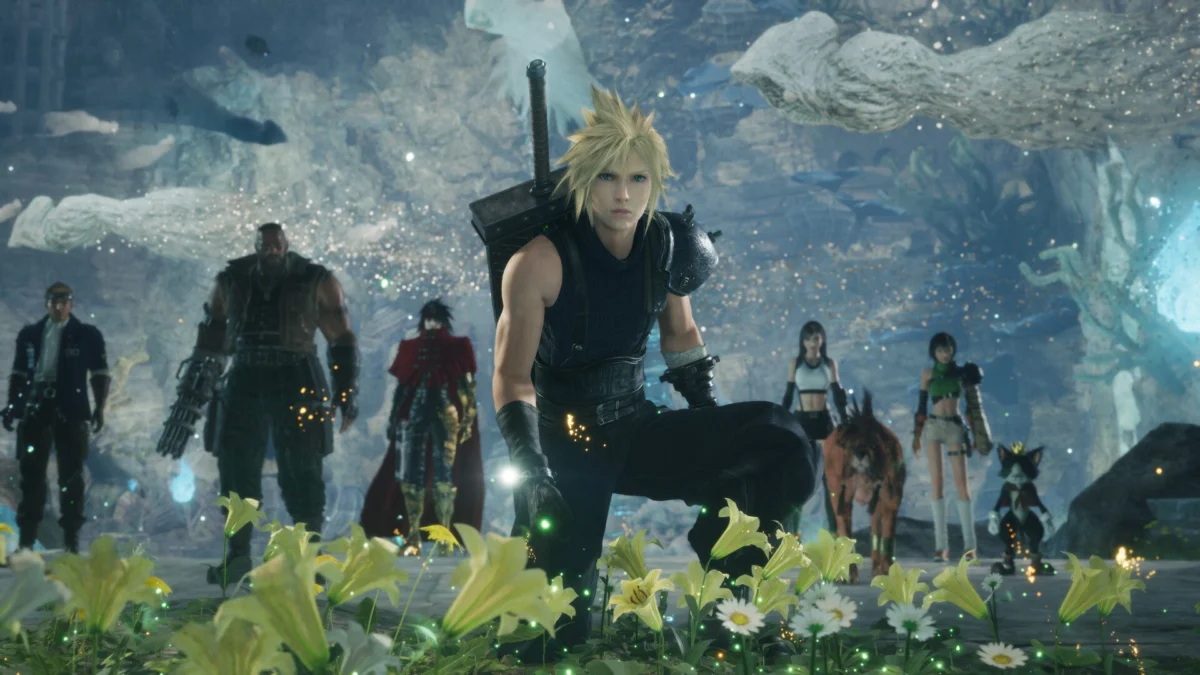
The reveal of Final Fantasy 7 Revelation at Summer Game Fest 2026 has catalyzed a significant commercial resurgence for the first two entries in the remake trilogy, with sales for Final Fantasy 7 Remake and Final Fantasy 7 Rebirth reportedly exceeding internal projections by substantial margins. According to trilogy director Naoki Hamaguchi, the renewed interest following the announcement of the final chapter has led to a "halo effect," where the momentum of the upcoming title is driving new and returning players back to the earlier installments. In a comprehensive interview with Automaton, Hamaguchi noted that both games are performing "even better than most people probably imagine," signaling a robust tail for the multi-year project as it approaches its conclusion.
The surge in sales highlights a unique trend in episodic or multi-part gaming narratives, where the conclusion of a story often validates the investment in the beginning. Hamaguchi observed that this pattern was first established when Rebirth was announced, noting that every peak in public interest for the second game resulted in a corresponding spike for the 2020 original, Remake. With the trilogy’s finale now on the horizon, this trend has intensified, bolstered by an expanding global audience and a pivot in Square Enix’s platform strategy that seeks to bring the Final Fantasy experience to a broader demographic than ever before.
The Revelation Effect and Market Performance
While Square Enix’s strict investor relations policies prevent the disclosure of exact unit sales outside of official quarterly earnings reports, Hamaguchi’s commentary suggests a high level of confidence within the development team and the corporate offices. The "several times better" performance mentioned by the director refers to the post-reveal sales velocity compared to the baseline expectations for titles that are several years into their lifecycle. This performance is particularly noteworthy for Final Fantasy 7 Remake, which launched over six years ago, and Rebirth, which arrived in early 2024.
A critical driver of this sustained performance is the diversification of the PC market. Historically, the Final Fantasy franchise has seen its strongest performance on PlayStation consoles; however, the shift toward PC has altered the commercial landscape. Hamaguchi pointed to the English-speaking PC market as a pillar of strength, but he specifically highlighted the rapid growth of the Simplified Chinese PC market. This region has grown to a level comparable to Western markets, representing a massive new frontier for the franchise. The accessibility of the games on platforms like Steam and the Epic Games Store has allowed the trilogy to reach audiences who may not have owned the hardware required during the initial launch windows.
A Decadelong Journey: The Road to Revelation
The Final Fantasy 7 Remake project was officially announced at E3 2015, a moment that remains one of the most celebrated in gaming history. The project was conceived not as a simple graphical update, but as a reimagining of the 1997 classic, expanding the lore, deepening character relationships, and modernizing the combat systems.
The first installment, Final Fantasy 7 Remake, focused entirely on the Midgar portion of the original game and was released in April 2020. Despite launching at the height of global pandemic lockdowns, it became a critical and commercial success, selling over 7 million copies by late 2023. The second part, Final Fantasy 7 Rebirth, released in February 2024, moved the story into the "Forgotten Capital" and introduced a massive open-world structure.
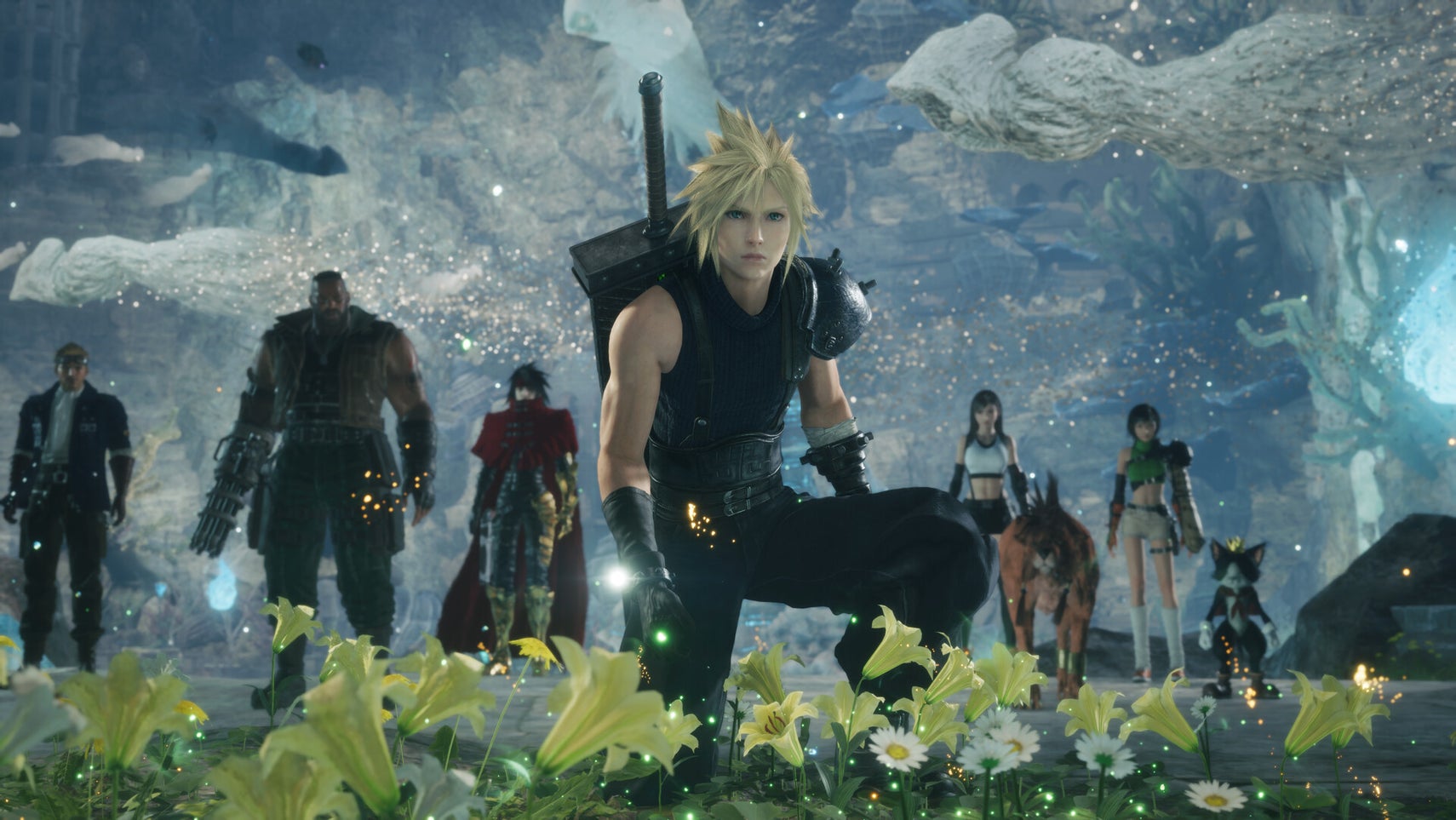
The reveal of Final Fantasy 7 Revelation at the 2026 Summer Game Fest serves as the final milestone in this timeline. By setting a release window of Spring 2027, Square Enix aligns the conclusion of the trilogy with the 30th anniversary of the original Final Fantasy 7’s release on the PlayStation 1. This chronological symmetry is viewed by analysts as a deliberate move to maximize nostalgia while celebrating the franchise’s longevity.
Development Continuity and Staff Retention
One of the most striking revelations from Hamaguchi’s recent statements is the internal stability of the development team at Creative Business Unit I. In an industry often characterized by high turnover and "brain drain" during long-term projects, the Final Fantasy 7 trilogy has maintained an unprecedented level of continuity. Hamaguchi confirmed that more than 90 percent of the staff who worked on Remake have remained with the project through the development of Revelation.
This retention rate is virtually unheard of for a project spanning over a decade. Hamaguchi attributed this loyalty to the cultural and emotional weight of the Final Fantasy 7 intellectual property. The developers, many of whom grew up playing the original game, view the project as a definitive career milestone. This continuity has allowed for a more efficient development cycle, as the team has refined their proprietary tools and internal workflows over the course of three games. The "shared language" developed among the staff has reportedly reduced the friction often associated with AAA game production, allowing for a more cohesive vision in the final product.
Addressing Player Feedback and Design Refinements
The transition from Rebirth to Revelation is not merely a narrative continuation but a mechanical evolution based on community response. While Rebirth received near-universal acclaim for its world-building and combat, some players expressed frustration with the density and mandatory nature of certain minigames and side activities.
Hamaguchi addressed these concerns directly, stating that the development team is actively listening to the "heated" discussions within the fandom. For Revelation, the team is implementing changes to make minigames more skippable and adjusting the reward structures to ensure that players do not feel forced into content they do not enjoy. "When people discuss and get heated about the minigames, the story, or the relationships between characters in FFVII, I think that only happens because they see value in those elements," Hamaguchi remarked, framing the criticism as a sign of deep player engagement rather than purely negative sentiment.
The director emphasized that the goal for the final chapter is to minimize points of frustration while maintaining the variety that fans expect. This iterative approach to game design—treating the trilogy as a living project that learns from its previous entries—is a cornerstone of the team’s philosophy heading into 2027.
Multiplatform Strategy and the Nintendo Switch 2
In a significant departure from the exclusivity deals that defined the first two games, Final Fantasy 7 Revelation is set to launch simultaneously on PlayStation 5, Xbox Series X/S, PC, and the "Nintendo Switch 2" (the successor to the current Nintendo Switch). This move marks the end of the timed-exclusivity era for the trilogy and aligns with Square Enix’s broader corporate shift toward an "aggressive multiplatform" strategy.

The inclusion of the Nintendo Switch 2 is particularly notable. While the technical specifications of the console have not been fully disclosed by Nintendo, its ability to run a game of Revelation’s scale suggests a significant leap in hardware capabilities. This multi-platform approach is designed to capture the widest possible audience on day one, ensuring that the finale of the trilogy is a global cultural event.
However, the shift toward a digital-first future has raised questions regarding physical media. While Square Enix has not officially decided whether Revelation will receive a physical disc release, the industry trend toward digital distribution is evident. With Sony and Microsoft both offering disc-less console variants, the logistics of shipping a game that will likely span multiple Blu-ray discs—given the sheer size of the assets—presents a complex challenge for the publisher.
The Broader Impact on the Gaming Industry
The success of the Final Fantasy 7 Remake project serves as a blueprint for how legacy publishers can modernize their most valuable assets. By breaking the original story into three distinct, full-length AAA titles, Square Enix has successfully transformed a single 1997 game into a decade-long ecosystem of content.
This model has proven that there is a massive market for high-budget, single-player RPGs when they are backed by strong IP and consistent quality. The performance of the trilogy also underscores the importance of the global PC market and the growing influence of Chinese gamers in the console-style RPG space.
As the industry moves toward 2027, the anticipation for Final Fantasy 7 Revelation is expected to remain high. The game will not only conclude the journey of Cloud Strife and his companions but will also serve as a technical showcase for the current generation of hardware and a testament to the enduring power of one of gaming’s most beloved stories. For Square Enix, the trilogy represents more than just a sales success; it is a successful navigation of the transition from the traditional development models of the past to the multiplatform, feedback-driven landscape of the future.