Vera Intan Clara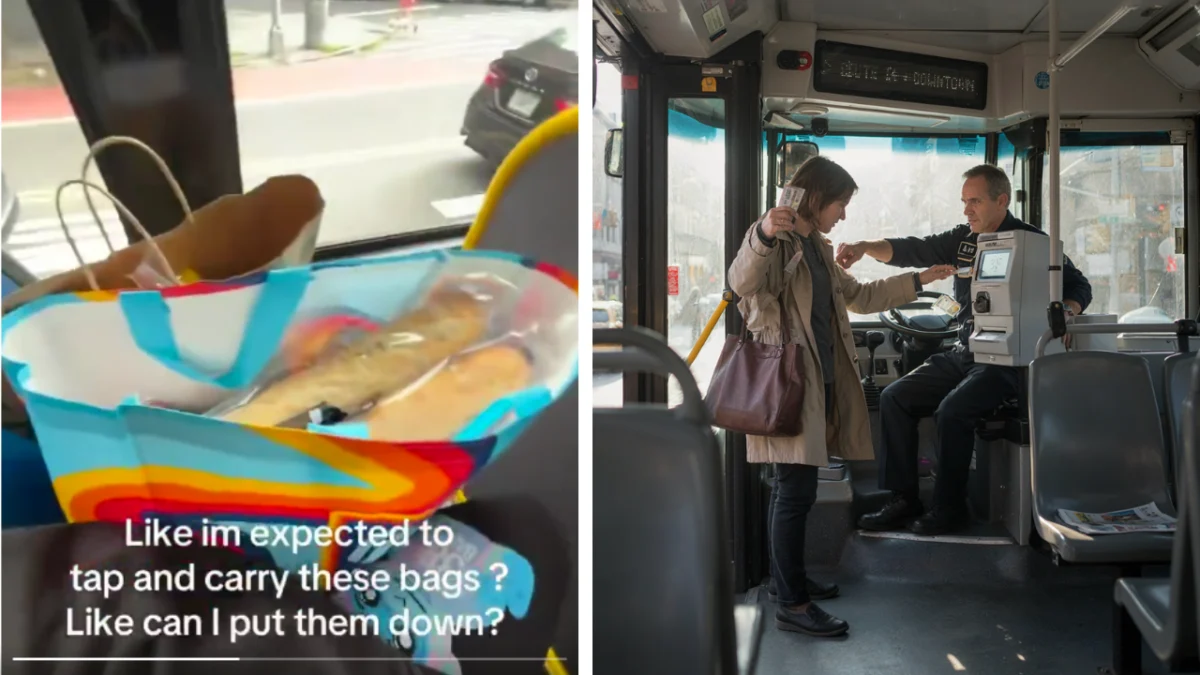
A recent video posted on X, formerly Twitter, has brought the contentious issue of public transportation fare evasion back into the spotlight, sparking widespread debate across social media platforms. The short clip, shared by user @ImMeme0, depicts a bus passenger criticizing a driver for activating a fare-evasion alarm as she attempted to board with multiple bags. While the passenger’s video sought to highlight what she perceived as an overzealous driver, many online commenters questioned her intent, suggesting she may have been attempting to bypass payment from the outset. This incident unfolds against a backdrop of intensified efforts by transit authorities to combat fare evasion, which has become a significant financial drain on public transportation systems nationwide.
The Incident: A Passenger’s Account Sparks Controversy
The viral video, which originated from an unnamed passenger, begins with a close-up shot of the bus entrance, overlaid with text expressing frustration. "Bus drivers be so quick to press that fare evasion button," the text reads, followed by, "Like I’m supposed to tap and carry these bags? Like can I put them down?" The passenger’s narrative suggests a momentary delay in payment due to the practical challenge of managing luggage. However, the video concludes with a more defiant statement: "Now I’m really not paying," written on screen after the fare evasion alarm was reportedly triggered. This shift in tone from inconvenience to outright refusal to pay has been a central point of contention in the online discussion.
While the exact location of the incident remains undisclosed, the scenario presented—a passenger struggling with bags and a driver responding to perceived fare evasion—is a common friction point in urban transit. Bus drivers often operate under strict schedules and are trained to identify patterns of behavior that may indicate an attempt to evade fares. These "cues" can range from passengers bypassing the fare box to immediately moving past the designated payment area without tapping a card or inserting cash. For drivers with extensive experience, these subtle indicators can inform their actions, including activating the internal fare evasion alarm system, which typically alerts transit supervisors or records the incident for later review.
Public Reaction and the Online Forum
The video quickly garnered thousands of views and comments, polarizing viewers. Many commenters sided with the bus driver, interpreting the passenger’s actions as a calculated attempt to avoid payment. "She knew exactly what she was doing and still chose to play the victim," one user posted, echoing a sentiment that questioned the passenger’s sincerity. Another commenter remarked, "Once you sit down, the driver knows full well you’re not getting up until your stop," implying that the passenger intended to secure a seat before addressing payment, if at all. These reactions highlight a prevalent public perception that fare evasion is a widespread and deliberate issue.
Conversely, some users expressed sympathy for the passenger, acknowledging the difficulty of navigating public transit with heavy luggage. They suggested that a momentary delay should not automatically trigger an alarm, advocating for more understanding from drivers. However, the passenger’s final declaration, "Now I’m really not paying," significantly undermined this sympathetic viewpoint for many, shifting the focus from a potential misunderstanding to an explicit intent to avoid payment. This direct statement transformed the incident from a simple inconvenience into a clear refusal, fueling the more critical responses.
The Pervasive Challenge of Fare Evasion
The viral video serves as a micro-level illustration of a much larger, systemic problem confronting public transportation agencies across the globe: fare evasion. Defined as the act of using public transit without paying the required fare, fare evasion manifests in various forms, including jumping turnstiles, tailgating legitimate passengers, using invalid passes, or simply boarding without attempting to pay. While some instances may be accidental or due to genuine hardship, a significant portion is deliberate, contributing to substantial revenue losses for transit operators.
For instance, major transit systems in the United States report annual losses ranging from tens of millions to hundreds of millions of dollars due to unpaid fares. New York’s MTA, one of the largest systems, reported estimated annual losses exceeding $690 million in 2022 from fare evasion across its subways and buses. Similarly, the Washington Metropolitan Area Transit Authority (WMATA) estimated losses of over $40 million in 2023, while Chicago’s CTA faced tens of millions in losses annually. These figures represent not just abstract deficits but tangible impacts on service quality, maintenance, infrastructure upgrades, and employee wages. Every dollar lost to fare evasion is a dollar that cannot be invested in more frequent trains, cleaner buses, safer stations, or critical repairs.
The financial strain imposed by fare evasion is particularly acute in the post-pandemic era. Public transit ridership has yet to fully recover to pre-2020 levels in many cities, further exacerbating revenue challenges. As operational costs continue to rise, transit agencies are increasingly under pressure to find stable funding sources, making fare recovery a critical component of their financial sustainability.
Escalating Enforcement: The Cook County Model
In response to the growing problem, many transit agencies are implementing more robust enforcement strategies. The Cook County Sheriff’s office, in conjunction with the Chicago Transit Authority (CTA), has notably dedicated a special CTA police force to patrol public transit systems. This initiative, highlighted in a recent report by WTTW News, underscores a shift towards more proactive policing on transit lines. The primary mandate of this specialized force includes addressing a range of issues, with fare evasion identified as one of their initial and most significant findings.
The deployment of law enforcement officers on transit lines is a multifaceted strategy. Beyond deterring fare evasion, these officers also aim to enhance overall public safety, address other forms of crime, and improve rider confidence. The presence of uniformed personnel is intended to act as a visible deterrent, signaling a renewed commitment to upholding transit rules and regulations. This approach, however, also raises questions about the balance between enforcement and the potential for increased interactions, which some argue could disproportionately affect certain communities or lead to unnecessary confrontations.
The CTA’s own policies generally instruct bus drivers to avoid direct confrontation with passengers over unpaid fares, prioritizing passenger and driver safety, and maintaining the bus schedule. The "fare evasion button" serves as a non-confrontational tool, allowing drivers to report incidents without engaging in potentially escalating disputes. Data collected from these button presses can then be used by transit authorities to identify hotspots for fare evasion, inform the deployment of enforcement teams, and refine operational strategies.
The Broader Socioeconomic Context
The debate surrounding fare evasion extends beyond simple enforcement and financial loss; it delves into complex socioeconomic issues. For some individuals, particularly those experiencing homelessness or severe financial hardship, fare evasion may be a desperate measure to access essential services, employment, or shelter. Critics of strict enforcement often argue that it disproportionately impacts low-income communities and can criminalize poverty, advocating instead for reduced fares, fare assistance programs, or universal basic mobility initiatives.
Conversely, many regular commuters express frustration and a sense of unfairness when they witness others evading fares. An X user shared a common sentiment: "My husband uses public transportation to get to work because we work opposite shifts and says he’s the only one who pays." This perspective highlights a feeling that law-abiding passengers are subsidizing those who choose not to pay, eroding trust in the system and creating resentment. The perception of widespread fare evasion can also deter potential riders, as it may contribute to an environment perceived as less orderly or safe.
Passenger advocacy groups often weigh in on these discussions, emphasizing the need for transit systems to be accessible and affordable. They might argue for a tiered fare system, or programs that offer discounted or free transit passes to those below a certain income threshold, rather than solely relying on punitive measures. The goal, from this perspective, is to address the root causes of fare evasion that stem from economic hardship, while still ensuring the financial viability of public transit.
Implications and Future Outlook
The incident captured in the viral video, while specific, encapsulates a broader societal tension between individual responsibility, economic realities, and the collective need for a well-funded, efficient public transportation system. The ongoing discussions about fare evasion highlight the complex challenge faced by transit agencies: how to recover essential revenue without alienating riders or creating undue hardship.
The trend towards increased enforcement, as exemplified by the Cook County Sheriff’s CTA police force, suggests a renewed focus on deterrence and accountability. However, the long-term effectiveness of such measures will depend on their ability to reduce evasion rates significantly while maintaining public confidence and avoiding unintended negative consequences. Striking a balance will require a multi-pronged approach that combines robust enforcement with thoughtful social policies, accessible payment options, and continuous engagement with the community.
Technological advancements may also play a role in the future of fare collection. Innovations such as open-loop payment systems (where riders can tap credit cards or mobile wallets directly), advanced sensor technologies at boarding points, or integrated digital ticketing platforms could streamline the payment process, reduce friction, and potentially lower opportunities for evasion. However, these solutions often come with their own set of challenges, including implementation costs and ensuring equitable access for all users.
Ultimately, the debate sparked by a single viral video underscores the critical importance of public transit as a cornerstone of urban infrastructure and the persistent challenges in sustaining it. The incident serves as a stark reminder that every ride, paid or unpaid, contributes to the ongoing narrative of public transportation in a dynamic and evolving urban landscape. The resolution of the fare evasion challenge will require sustained effort, innovative solutions, and a collaborative spirit among transit authorities, law enforcement, policymakers, and the riding public.