Galang Taruna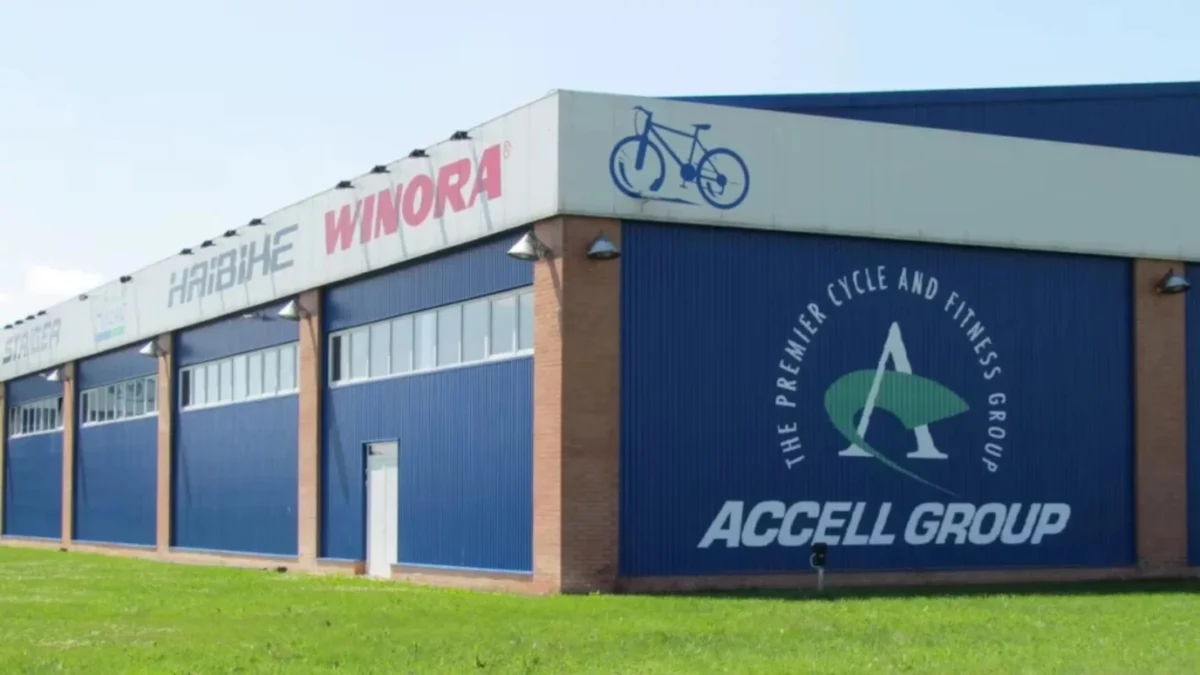
The European bicycle industry experienced a significant upheaval this past week as Accell Group, the continent’s foremost bicycle manufacturer and parent company to a portfolio of well-known brands including the French stalwart Lapierre, formally declared bankruptcy. This development sent shockwaves through the entire cycling sector, casting a pall of uncertainty over more than a dozen brands and thousands of bicycles currently in production or distribution. Accell Group, with its extensive network and historical dominance, had long been a pillar of the European market, making its collapse a profound event with far-reaching implications for retailers, suppliers, and consumers alike. The company’s financial woes had been escalating, reportedly stemming from a confluence of factors including a post-pandemic market correction, substantial overstocking, inflationary pressures, and persistent supply chain disruptions that have plagued various industries. The initial discussions aimed at securing a viable future for the group ultimately failed, leading to this drastic outcome. This situation underscores a challenging period for the cycling industry, which, after an unprecedented boom during the early stages of the COVID-19 pandemic, is now navigating a complex landscape of fluctuating demand and economic headwinds.
In the wake of Accell Group’s bankruptcy, Cycles Lapierre, the iconic French bicycle brand founded in Dijon in 1946, has sought protection through judicial reorganization (redressement judiciaire). This critical step is intended to provide the company with a crucial window of opportunity to restructure its operations, stabilize its finances, and actively seek new investors capable of securing its long-term future. The primary objective is to safeguard as many of its 106 employees as possible, preserving the invaluable expertise and heritage embedded within the brand. Lapierre, known for its innovation in road, mountain, and electric bikes, represents a significant piece of French industrial history and a cherished name among cycling enthusiasts. Its resilience in the face of its parent company’s collapse will be closely watched as it endeavors to pivot and rebuild under new stewardship. Industry analysts suggest that this strategic move reflects a broader trend of European cycling brands grappling with intense global competition and the need for robust capital injection to remain competitive. The search for an investor is expected to draw interest from various entities looking to capitalize on Lapierre’s established brand equity and manufacturing capabilities, potentially ushering in a new chapter for the venerable company.
Conversely, while one giant falters, another ambitious player is rising. The French group Rebirth, a significant entity in the cycling world that operates Peugeot Cycles and holds a diverse portfolio including Solex, Matra, Gitane, Lejeune, Easybike, Angell, and Cowboy, has unveiled an ambitious plan for reindustrialization. The group is set to construct a state-of-the-art 29,000 square meter factory in Romilly-sur-Seine, with an anticipated completion date by the end of 2027. This impressive facility is projected to have an annual production capacity ranging from 150,000 to 200,000 units, marking a substantial commitment to bolstering domestic manufacturing. Grégory Trebaol, President of Rebirth, has detailed the extensive construction timeline for this new site, alongside outlining the future of their existing Norman site in Saint-Lô. A cornerstone of Rebirth’s industrial strategy lies in its innovative use of injected thermoplastic frame technology. This cutting-edge method allows for the rapid production of bicycle frames—reportedly in as little as three minutes per frame—offering significant advantages in terms of manufacturing efficiency, material usage, and potentially lower production costs compared to traditional metal or carbon fiber frames. This strategic investment is not merely about increasing output; it represents a deliberate effort to reduce reliance on overseas supply chains, enhance the "Made in France" label, and integrate advanced manufacturing processes that can adapt more swiftly to market demands and technological advancements. The move is seen as a key step in strengthening the French cycling industry’s global competitiveness and fostering a more sustainable production model.
Beyond the cycling world, the electric vehicle (EV) market also saw important developments. Renault is currently implementing a strategic streamlining of the options available for its highly anticipated R5 Electric model, along with its Trafic and Kangoo electric variants. This tactical adjustment precedes a significant software and feature update expected for both the R5 and R4 models in the autumn. The R5 Electric, with its retro-futuristic design and promise of accessible electric mobility, is a crucial component of Renault’s "Renaulution" strategy, aiming to redefine the brand’s position in the EV segment. The current simplification of its trim levels and options is likely intended to optimize production, manage inventory more efficiently, and prepare for the integration of enhanced functionalities and potentially new battery or powertrain configurations. The forthcoming autumn update is keenly awaited by industry observers and potential buyers alike, as it is expected to bring improvements in range, charging capabilities, infotainment systems, or advanced driver-assistance features, thereby reinforcing the R5’s competitive edge in the rapidly evolving compact EV market. This proactive approach by Renault highlights the dynamic nature of the EV sector, where continuous product refinement and technological upgrades are essential to maintain consumer interest and market relevance.
Further illustrating the dramatic shifts in the global automotive industry, recent data reveals a significant reshuffling of market leadership, particularly driven by the ascendance of Chinese manufacturers. Toyota, a long-standing titan of the automotive world, continues to hold its position as the overall global leader. However, the electric vehicle segment is witnessing a profound transformation. BYD, the Chinese EV giant, has made a remarkable leap, securing the 6th position in global automotive sales rankings, a testament to its aggressive expansion and diversified portfolio of battery electric vehicles (BEVs) and plug-in hybrid electric vehicles (PHEVs). This achievement places BYD directly behind the Renault-Nissan alliance, signaling a powerful entry of Chinese innovation into the top echelons of the global market. In contrast, Tesla, which has largely spearheaded the modern EV revolution, has seen its ranking drop to 16th globally. This shift underscores the intensifying competition within the EV space, where Chinese manufacturers, backed by robust domestic markets, substantial government support, and rapid technological advancements, are now posing a formidable challenge to established players and pure-play EV specialists. Industry analysts characterize this as a "seism" in the automotive world, indicating a fundamental redistribution of power and influence. The implications of this shift are vast, potentially leading to increased price competition, accelerated innovation, and a reshaping of global supply chains as manufacturers adapt to new market dynamics and consumer preferences. The strategic moves by companies like BYD, with their vertically integrated production models and extensive product ranges, are setting new benchmarks for efficiency and market penetration, prompting a re-evaluation of long-held assumptions about automotive leadership.
Finally, the urban mobility landscape continues to evolve with promising new entrants such as the Smart #2. A recent video highlighted the potential disruptive impact of this compact electric vehicle, particularly emphasizing its less-than-three-meter length and rapid charging capabilities. These features position the Smart #2 as a compelling option for navigating congested urban environments, where maneuverability and convenient charging are paramount. The repositioning of the Smart brand, now under a joint venture between Mercedes-Benz and Geely, focuses on delivering premium electric mobility solutions tailored for city living. The Smart #2’s design philosophy and technical specifications suggest a strong contender in the niche but growing market for efficient, space-saving urban EVs. Its ability to offer quick charging times could significantly alleviate range anxiety, a common concern for city drivers, thereby enhancing its appeal and potentially challenging existing compact EV models.
In summary, the past week has underscored the volatile yet dynamic nature of the electric mobility sector, encompassing both two-wheeled and four-wheeled transport. From the significant challenges faced by established European bicycle manufacturers to the ambitious reindustrialization efforts aimed at securing future growth, and from the strategic adjustments by major automotive players to the monumental shift in global EV leadership towards Chinese brands, the industry is in a constant state of flux. These developments collectively point towards an era of intense competition, accelerated innovation, and a continuous reshaping of market structures as the world transitions towards more sustainable and electrified transportation solutions.