Garick Elordi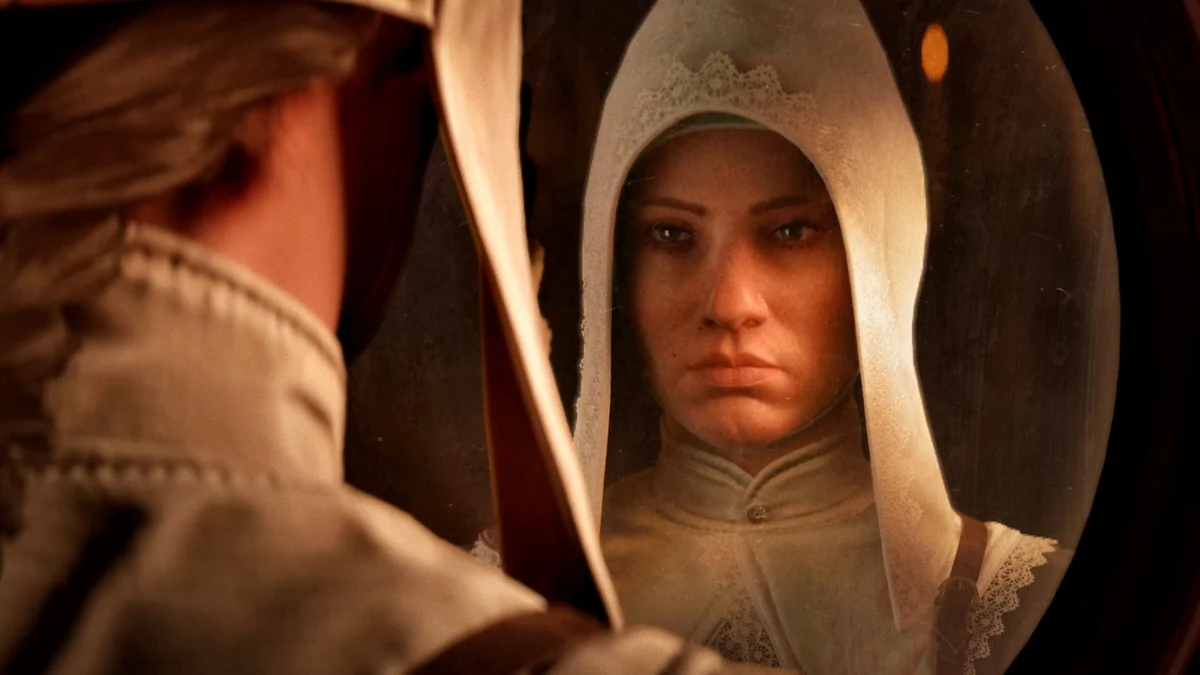
The long-gestating project 1666: Amsterdam has returned to the forefront of the gaming industry following a complex fifteen-year development cycle characterized by corporate legal disputes, shifting creative concepts, and a period of clandestine publishing arrangements. Orchestrated by Patrice Désilets, the original creative director of the Assassin’s Creed franchise and founder of Panache Digital Games, the title represents a significant departure from mainstream blockbuster conventions while maintaining the historical DNA of his earlier work. Following a mixed reception to its initial playable prologue released on Steam in June, new hands-on demonstrations and developer insights have provided a clearer picture of the game’s ambitious scope, which blends supernatural elements with a meticulous recreation of the Dutch Golden Age.
The Genesis and Chronology of 1666: Amsterdam
The conceptual origins of 1666: Amsterdam date back to 2011, inspired by a chance encounter during an aeroplane layover. While navigating Amsterdam, Désilets observed a historical plaque inscribed with "Anno 1666," sparking the idea for a narrative set during a year of profound historical significance—a period marked by the Great Plague and the peak of the Dutch Golden Age. However, the path to production was fraught with institutional hurdles.
The project was initially conceived while Désilets was at THQ Montreal. When THQ collapsed in 2013, Ubisoft acquired the studio and subsequently terminated Désilets’ employment, leading to a protracted legal battle over the intellectual property rights of 1666: Amsterdam. It was not until 2016 that Désilets successfully regained the rights to the project, allowing his independent studio, Panache Digital Games, to begin development in earnest. In the interim, the studio released Ancestors: The Humankind Odyssey in 2019, a survival title that served to establish the studio’s technical foundations.
The current development timeline indicates a pivotal milestone on August 25, when the game will enter Early Access. This move is designed to facilitate a systems-led development process, allowing the team to refine mechanics based on community feedback.
Narrative Structure and Temporal Duality
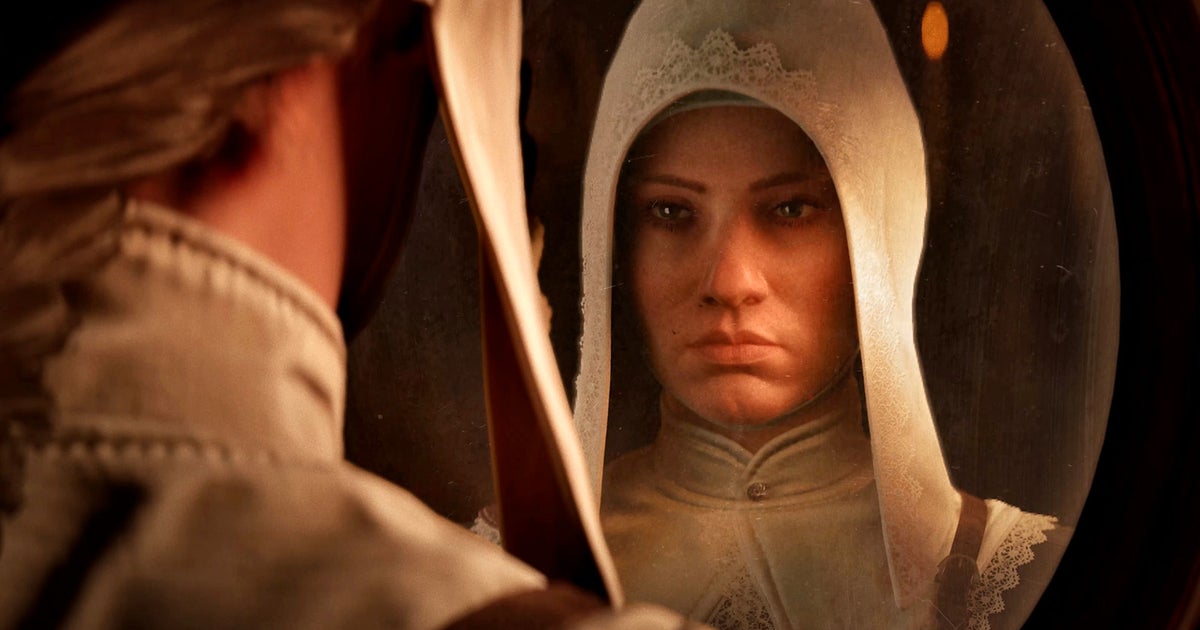
1666: Amsterdam employs a non-linear narrative structure that spans three distinct eras: the titular year of 1666, the year 1999, and the modern day. The narrative centers on Noa, a protagonist who operates as a "debt collector for the devil." In the 17th-century setting, Noa is a witch tasked with hunting "Originals"—individuals who entered into Faustian bargains 333 years prior and whose debts have now come due.
A unique mechanic of the game is the symbiotic relationship between Noa and her familiar, a cat named Aaron. The game utilizes a "reversed roles" mechanic across its timelines: in 1666, Noa is the human protagonist and Aaron is the feline companion; in 1999, the roles are inverted, with Aaron appearing in human form and Noa serving as his familiar. This dual-perspective approach influences both the storytelling and the mechanical exploration of the environment.
Gameplay Mechanics: Combat, Exploration, and the Roguelite Loop
The gameplay of 1666: Amsterdam is a hybrid of traditional action-adventure and experimental systems-led design. Unlike the fluid, highly polished combat systems found in modern AAA titles, the combat in 1666: Amsterdam currently emphasizes a more deliberate, albeit scruffier, approach.
Combat and Supernatural Abilities
In the 1666 timeline, Noa utilizes a wooden broomstick as her primary melee weapon. The combat system is built upon a foundation of basic attacks, defensive maneuvers, and dodges. As players progress, they unlock supernatural abilities, such as a petrification spell to immobilize enemies and a levitation spell for aerial engagement.
Encounters are largely wave-based and cinematically locked, requiring players to clear specific stages before moving forward. A notable feature is the "intimidation level" system; players can bypass certain fights by escalating their presence to a point where enemies flee in terror.

Feline Parkour and Environmental Interaction
Exploration in the game leverages the verticality of 17th-century Amsterdam. While Noa can traverse the city using a broomstick—limited to specific "flight paths" that function more like hovering—the most intricate exploration occurs through the cat familiar. Players can possess the cat to access restricted areas, navigating through small gaps, drainpipes, and rooftops to unlock doors or retrieve items for the human protagonist. This "cat burglary" mechanic introduces a puzzle-solving element to the navigation of the city’s iconic, leaning architecture.
The Roguelite Framework
Perhaps the most significant revelation regarding the game’s structure is its integration of roguelite elements. Each "Original" hunt is treated as a self-contained chapter. Within these chapters, players accrue power-ups and spells that are lost upon death, requiring a strategic approach to character builds. These powers are visually represented on the character model—such as decorations in Noa’s hair—allowing for an immediate visual assessment of the player’s current capabilities. Successful hunts allow players to retain certain upgrades, creating a persistent sense of progression amidst the shifting challenges.
Artistic Direction and Technical Specifications
Panache Digital Games, a studio comprising approximately 70 developers, has opted for a distinct aesthetic inspired by the Dutch Masters. The visual language of the game draws heavily from the works of Rembrandt and Vermeer, particularly in its use of light and shadow within interior spaces. The "Day & Night" cycle is not merely a cosmetic feature but a mechanical one, as Noa must manage a "suspicion gauge." Operating as a witch in broad daylight increases the risk of being identified by authorities, necessitating the use of civilian disguises or nocturnal activity.
Despite the strong artistic vision, technical demonstrations have revealed challenges common in independent "Double-A" development. Observers have noted inconsistent frame rates and a degree of "jank" in character animations and performance. With the Early Access launch approaching, these technical hurdles remain a primary focus for the development team.
The Financial Reality of Independent Development
The development of 1666: Amsterdam has been marked by financial shifts. For several years, the project was supported by a "secret publisher," widely rumored to be Microsoft’s Xbox division, though Désilets has declined to confirm these reports. Currently, Panache Digital Games is operating independently, having moved away from the traditional publisher model.

Désilets has stated that the decision to enter Early Access is both a strategic and a financial one. "The publisher is the people who are going to play the game with us," he remarked, emphasizing that revenue from the initial launch will be funneled back into completing the full vision of the game. The Early Access version is expected to offer approximately 10 hours of content, representing less than half of the planned final experience.
Industry Implications and the Return of the "Double-A" Game
The emergence of 1666: Amsterdam highlights a broader trend within the gaming industry: the revival of the "Double-A" (AA) tier. Former PlayStation executive Shawn Layden has recently advocated for the return of this middle tier, arguing that it serves as a vital engine for innovation and risk-taking that is often absent in the risk-averse world of $200 million AAA blockbusters.
1666: Amsterdam exemplifies this philosophy. It is a project that prioritizes unique, overlapping ideas—such as the triple-timeline narrative and the witch-cat familiar system—over the high-gloss polish and standardized mechanics of mainstream sequels. While the game’s complexity may lead to a steeper learning curve or a less refined initial experience, its existence challenges the homogenization of the action-adventure genre.
Conclusion: A Fifteen-Year Ambition
As 1666: Amsterdam nears its public debut, it stands as a testament to the persistence of its creator. Patrice Désilets’ journey from the heights of Ubisoft to the independent struggle of Panache Digital reflects a broader narrative of creative autonomy in the digital age. Whether the game’s unconventional systems and historical-supernatural blend will resonate with a wide audience remains to be seen, but its release marks the conclusion of one of the industry’s most storied development cycles.
The project serves as a reminder that in an industry increasingly dominated by established franchises, there remains a space for personal, auteur-driven visions. As Désilets himself noted, the drive to finish a project started over a decade ago is a powerful motivator: "I finish what I started." For the gaming community, August 25 will provide the first real opportunity to see if that finish line leads to a new standard for historical interactive fiction.