Lina Irawan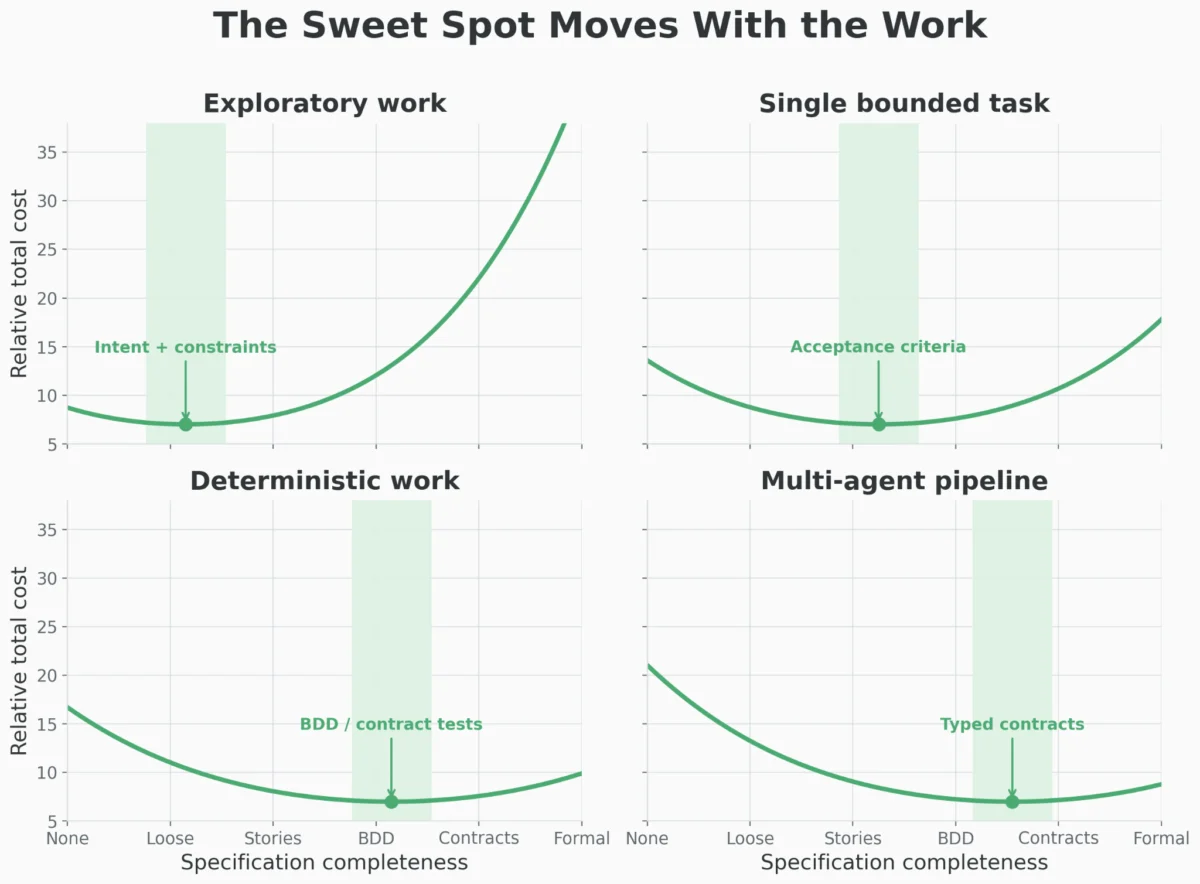
The rapid proliferation of autonomous AI agents in software development is fundamentally altering the economic and procedural landscape of the industry, shifting the primary burden of engineering from the act of writing code to the rigorous discipline of specification and verification. As implementation becomes increasingly automated and inexpensive, the "hidden cost" of vague requirements has emerged as a critical bottleneck. Industry experts and software architects are observing a transition where the speed of machine execution outpaces the clarity of human intent, leading to a phenomenon colloquially known as "vibe-coding"—an inefficient cycle of implementation and correction driven by underspecified prompts. This evolution does not render traditional engineering principles obsolete; rather, it elevates the importance of formal structures, contract-driven design, and continuous feedback loops.
The Implementation Paradox: When Speed Increases Cost
For decades, the high cost of manual coding served as a natural, albeit crude, forcing function for clarity. Because human implementation was slow and expensive, teams were incentivized to resolve ambiguities before a single line of code was written. In the contemporary landscape, where AI agents can generate complex systems from a single paragraph of text, this friction has vanished. However, the removal of implementation friction has not removed the necessity of decision-making.
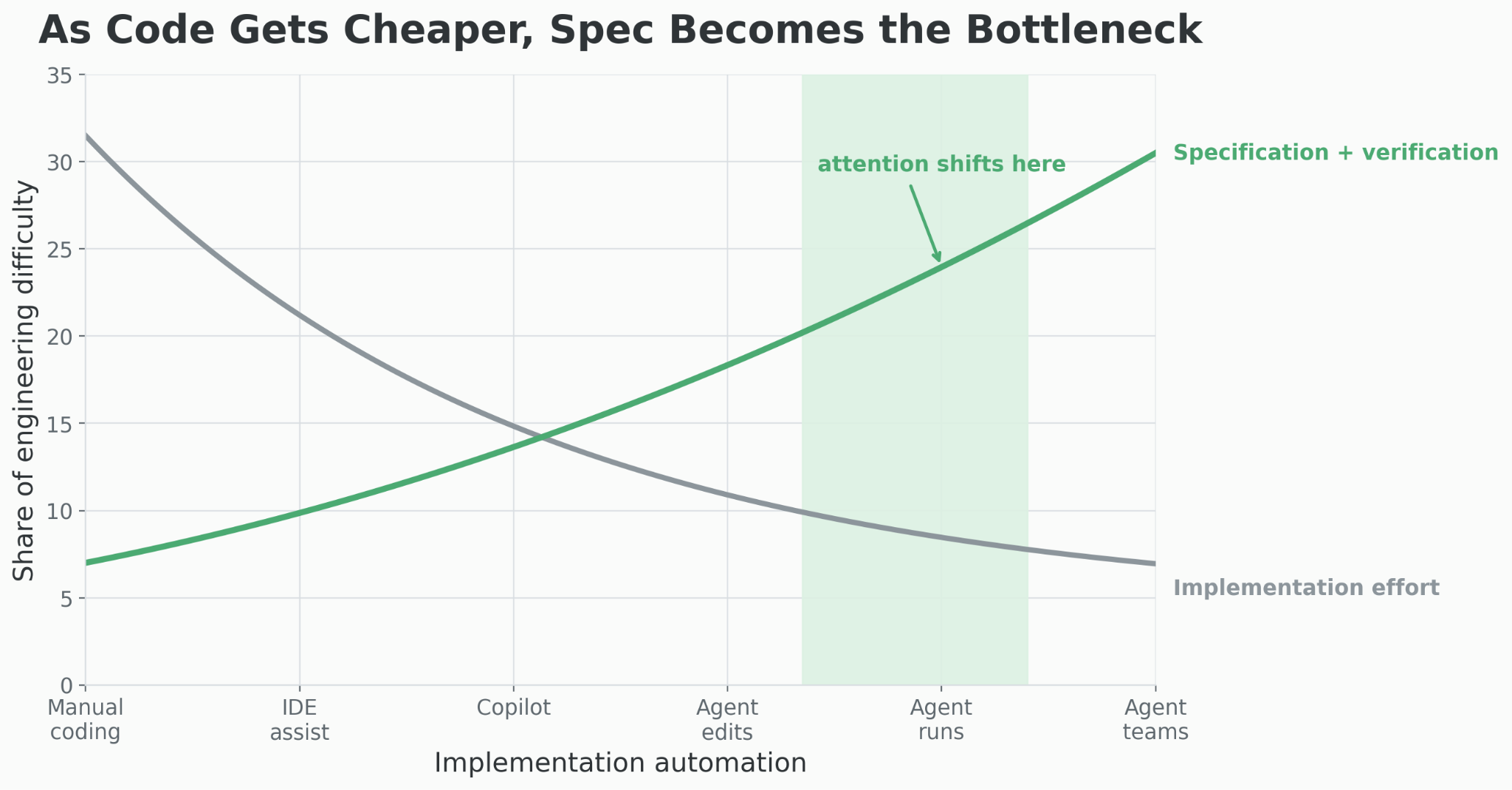
When a developer provides an agent with a "rough goal" without detailed specifications, the initial implementation appears cheap and fast. The subsequent "correction loops," however, introduce a different kind of overhead. The human developer transitions from a creator to an "oracle," a role that requires constant vigilance to determine if the agent’s output aligns with the unstated goals of the project. This process often involves reviewing output, clarifying intent, and rerunning tests in an iterative cycle that can ultimately exceed the cost of upfront specification.
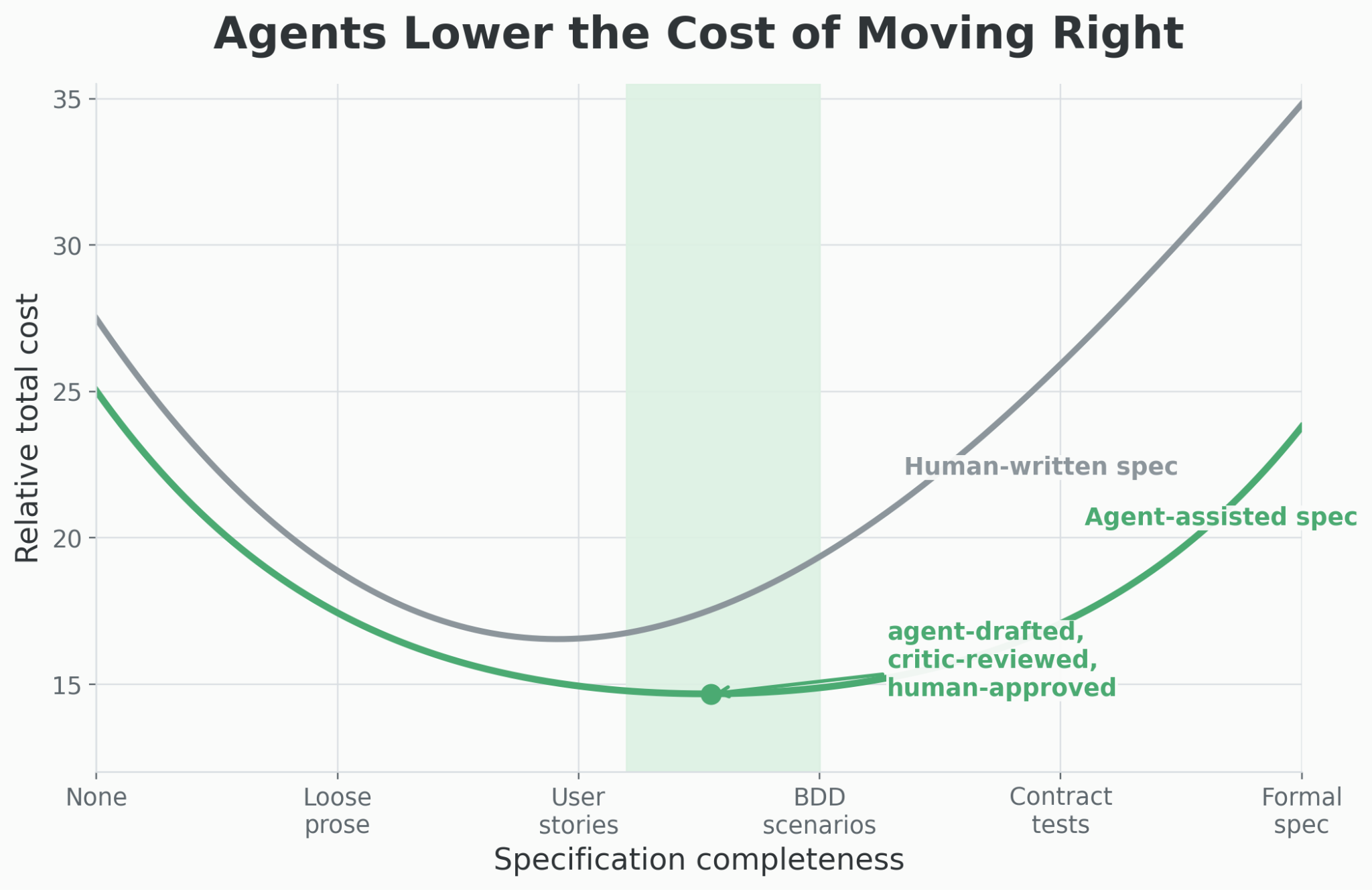
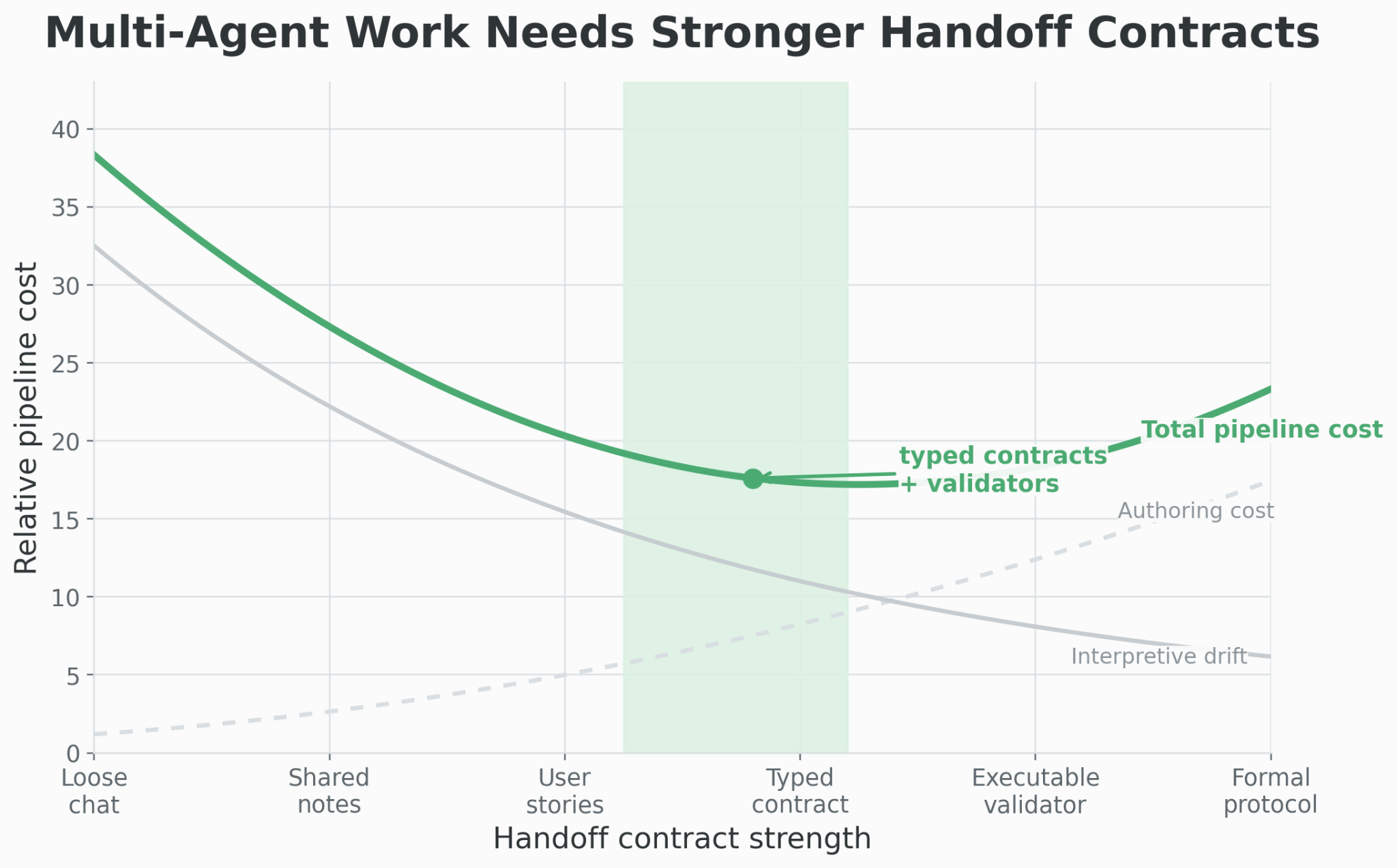
The trade-off is no longer between "specifying" and "not specifying," but rather where the minimum total cost of a project resides. For most agentic workflows, the optimal point is a middle ground: providing enough structure to constrain the work and enough executable checks to ensure that human review does not devolve into guesswork.

A Chronology of Software Specification and Implementation
The relationship between how we describe software and how we build it has undergone several distinct phases, leading to the current "agentic era."
- The Waterfall Era (1970s–1990s): High implementation costs necessitated exhaustive upfront documentation. Specification was a separate, lengthy phase, often resulting in "shelfware"—documents that were obsolete by the time coding began.
- The Agile Revolution (2000s–2010s): Recognizing the rigidity of Waterfall, Agile emphasized "working software over comprehensive documentation." Human friction—peer reviews, QA testing, and senior engineer oversight—became the primary method for discovering missing specifications.
- The Copilot Era (2020–2022): Large Language Models (LLMs) began assisting with code completion. Implementation costs dropped slightly, but the human remained the primary driver of logic and structure.
- The Agentic Era (2023–Present): Autonomous agents begin to handle end-to-end tasks. Implementation costs plummet, but "machine speed" causes vague requirements to manifest as plausible-looking but fundamentally flawed systems.
Supporting Data: The Rising Difficulty of Verification
Recent industry data underscores the shift in engineering effort. According to a 2023 analysis of developer productivity in AI-augmented environments, while the time spent on initial code generation decreased by up to 45%, the time allocated to debugging and verification increased by nearly 30% in teams using low-specification workflows.
Furthermore, research into "context rot"—a term popularized by the team at Chroma—highlights the technical limitations of over-relying on prose-heavy specifications. As the input context grows with design documents, comments, and historical tickets, model performance becomes less reliable. The model begins to "average" across competing sources of truth, unable to distinguish between an active requirement and a historical artifact. This data suggests that the "sweet spot" for specification is not maximal text, but rather structured, executable data.
The Strategic Importance of Spec Validation
A critical failure in modern AI-assisted workflows is the assumption that the sequence is a simple linear path: write the spec, then let the agent implement it. In practice, the specification itself requires a dedicated validation phase. A flawed spec, when executed faithfully by an agent, produces failures that are exceptionally difficult to diagnose because the implementation may appear coherent and pass local checks while still violating the broader intent.
Industry leaders are now advocating for "spec validation" as a standalone line item in project planning. This involves using agents not just to write code, but to "attack" the requirements. A multi-agent workflow for this process typically involves:
- The Drafter: An agent creates the smallest viable spec, including assumptions, non-goals, and acceptance criteria.
- The Adversary: A second, independent agent analyzes the draft to find contradictions, ambiguous terms, and untestable claims.
This "adversarial specification" lowers the cost of reaching a level of specificity that is actually useful for the implementation agent, reducing the likelihood of downstream interpretive drift.
Multi-Agent Systems and the Necessity of Contracts
The challenge of specification intensifies in multi-agent ecosystems. In a single-agent task, a human can often steer the model back on course. However, when the output of Agent A becomes the input for Agent B, any initial misunderstanding is compounded. Agent B treats Agent A’s output as "ground truth," burying the original error under layers of seemingly competent work.
In these scenarios, the specification must transition from a "paragraph of intent" to a "formal contract." This includes:
- Typed Interfaces and Schemas: Explicitly defining data formats to prevent interpretive errors.
- Invariants and Validation Rules: Establishing what must always be true within the system.
- Contract Tests: Automated checks that ensure the handoff between agents remains stable.
The "handoff" itself becomes a primary product of the engineering process, moving the industry closer to a model where "the code is the spec."
The Evolution of API Design for AI Consumption
As agents become the primary "users" of internal APIs, the principles of API design are shifting toward "AI-friendliness." Traditional APIs often rely on "setup magic," weakly typed parameters, and generic error messages—hurdles that human developers can navigate through trial and error but which cause agents to fail.
AI-friendly design emphasizes explicit discoverability. Methods are designed to align with real-world tasks rather than forcing an agent through a sequence of fragile, low-level steps. Strong types and readable validation show the agent what legal input looks like, while actionable error messages provide a roadmap for the agent to fix its own mistakes. When an API is sufficiently transparent and self-documenting, the agent can treat the code as the authoritative specification, reducing the need to include extensive prose in the prompt context.
Methodology Survival: What Remains of Agile and XP?
The rise of AI agents does not render methodologies like Agile or Extreme Programming (XP) irrelevant, but it does strip away the "ceremony" that existed primarily to coordinate human schedules. Daily status meetings and inflated backlog grooming are becoming less critical as agents accelerate the pace of change.
However, the core tenets of XP and Agile are arguably more vital than ever:
- Test-First Thinking: Executable checks become more valuable as implementation becomes cheaper. They serve as the "gates" that prevent machine-speed errors from reaching production.
- Short Feedback Cycles: Because agents can generate "convincing wrongness" quickly, teams must be able to discover errors by "lunchtime" rather than at the end of a two-week sprint.
- Refactoring: Agents often produce code that works but lacks long-term maintainability. Human-led refactoring ensures the system remains navigable for future iterations.
The concept of "Pair Programming" is also evolving. It no longer requires two humans at one keyboard; instead, it manifests as a human-agent partnership where the human provides high-level design judgment while the agent handles the rapid generation of logic.
Broader Implications and Industry Impact
The shift toward specification-heavy engineering has profound implications for the labor market and corporate strategy. The role of the "Junior Developer," traditionally focused on simple implementation tasks, is being squeezed by agents that can perform those tasks more efficiently. In its place, there is an increasing demand for "Systems Architects" and "Verification Engineers"—professionals who can define complex requirements and build the automated testing infrastructure necessary to validate agentic output.
From a strategic standpoint, organizations that master the balance of specification will gain a significant competitive advantage. The goal is not to eliminate specification to save time, but to utilize agents to reach a level of specificity that was previously too expensive to maintain.
In conclusion, while AI agents make the "typing" of code dramatically cheaper, they do not alleviate the fundamental challenges of software engineering: deciding what should exist, what must never happen, and what "done" looks like in a real-world context. The teams that thrive in this new era will be those that recognize specification and verification as the new primary drivers of project success. The agents are becoming more capable implementers, but the responsibility of definition remains a human prerogative.