Metty Iskandar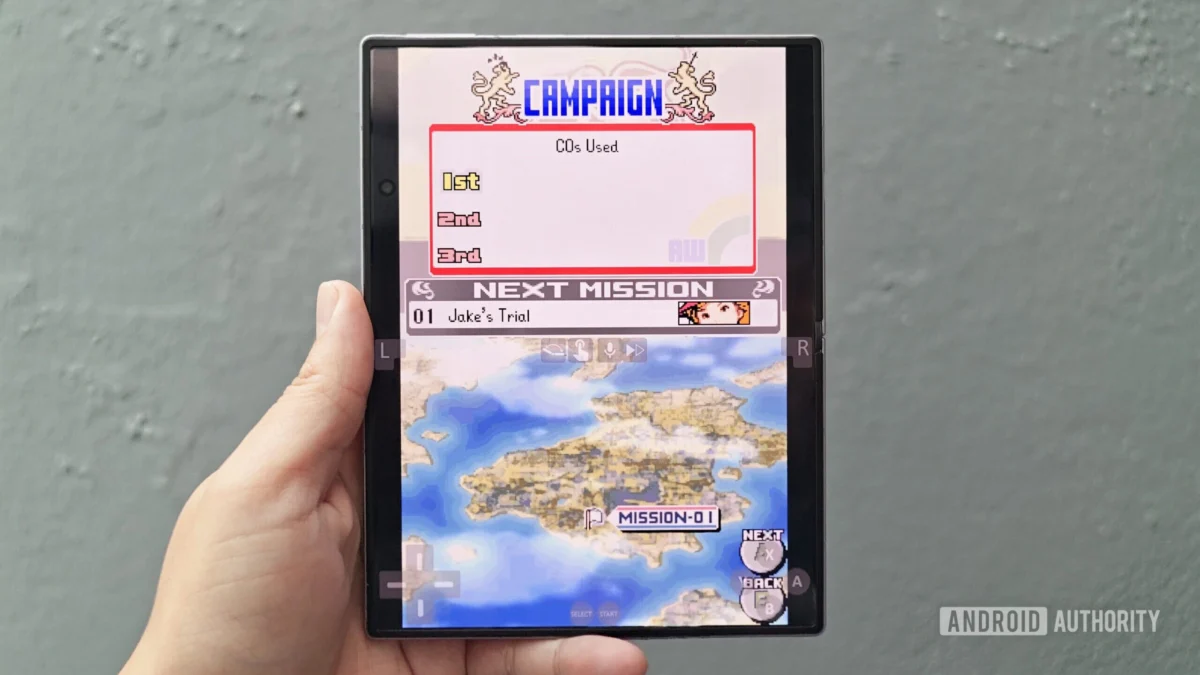
Samsung’s latest foldable innovation, the Galaxy Z Fold 8, represents a significant shift in the company’s approach to the expansive book-style foldable market. Unveiled at the company’s highly anticipated Unpacked event in July, this device immediately distinguished itself from its predecessors and contemporaries with a notably shorter yet wider form factor. While not the first to explore this design, Samsung’s iteration arrives with the considerable weight of its brand’s influence and market leadership, particularly as the Android foldable landscape matures and even Apple makes its foray into the foldable arena with the anticipated iPhone Duo, positioning itself as a direct competitor.
The initial reception at Samsung’s pre-briefing was one of intrigue and immediate attention. The departure from the taller, narrower aspect ratio that has characterized previous Galaxy Folds and many other foldables on the market was a deliberate choice. This design philosophy aims to address long-standing user feedback and evolving usage patterns, prioritizing a more intuitive and media-friendly experience. As the device undergoes extensive review, the question remains: does this strategic pivot from Samsung deliver on its promise, or does it fall short of the comprehensive flagship replacement many are seeking in the foldable category?
A Compact Design with Familiar Underpinnings
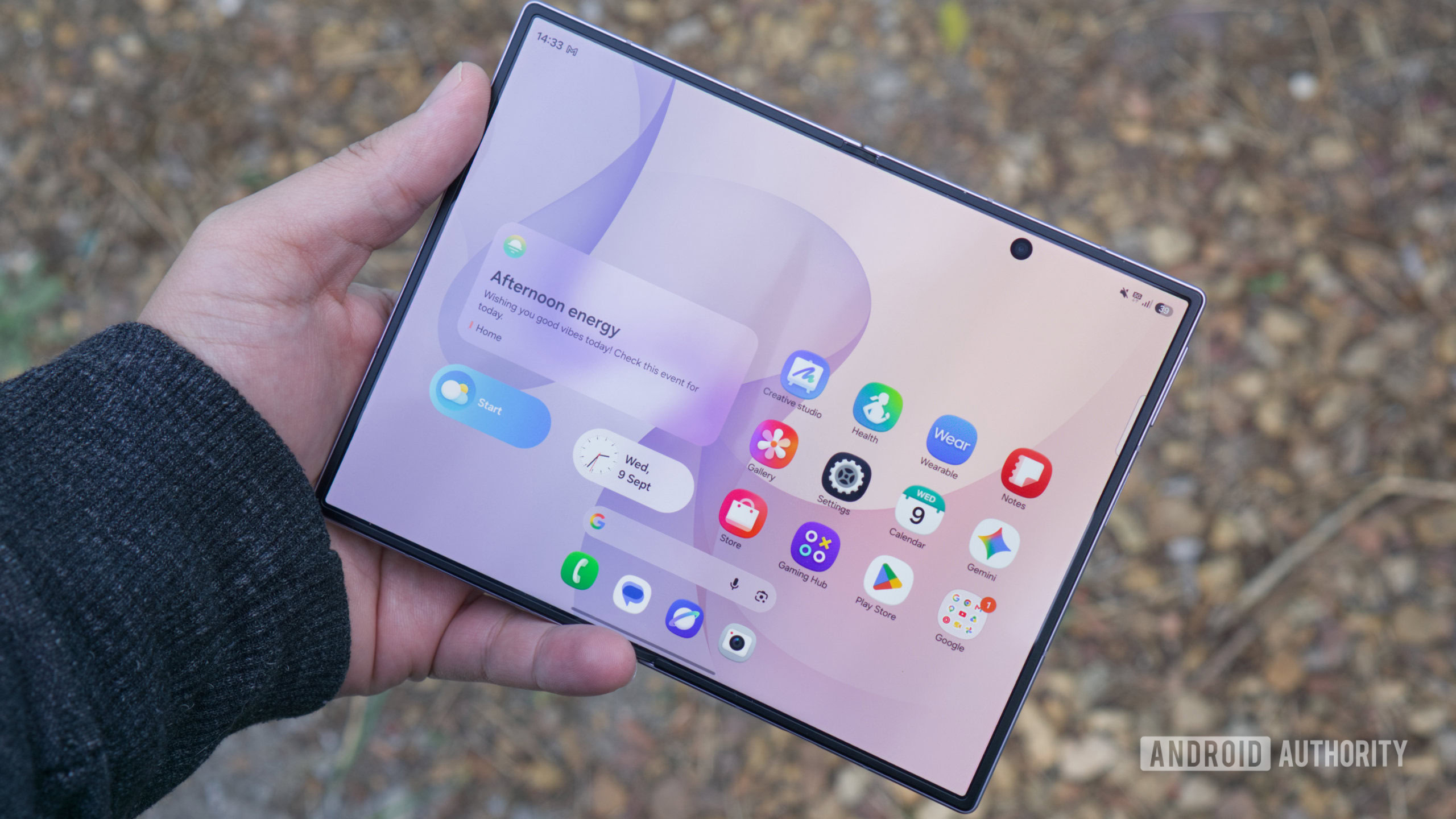
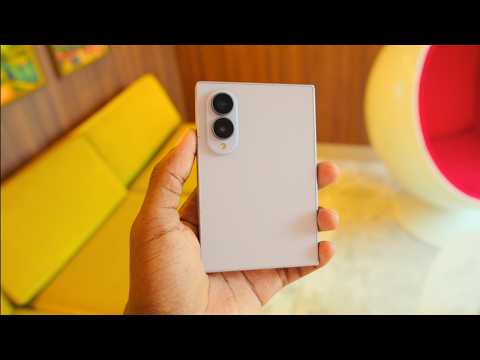
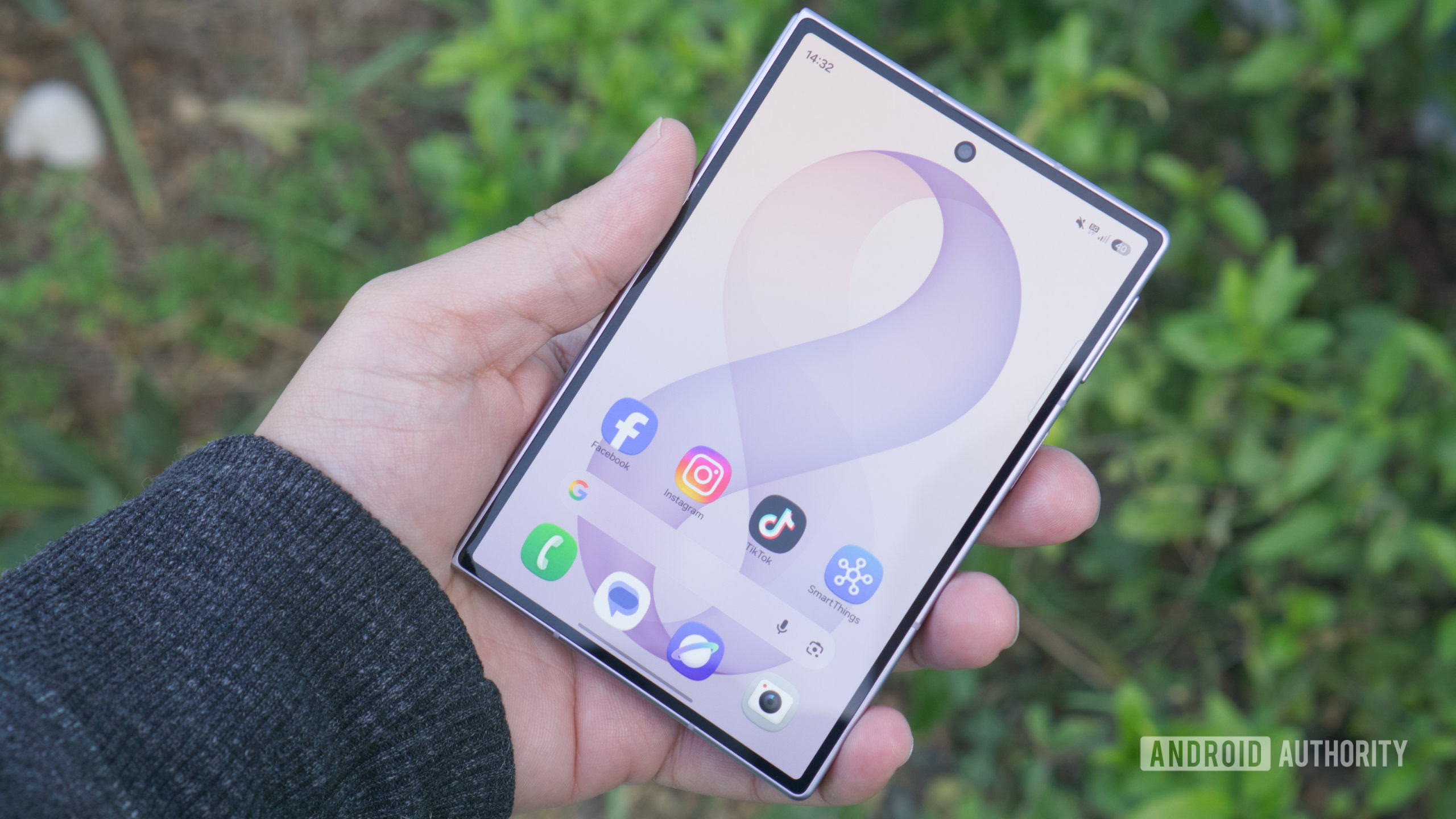
Upon first inspection, the Galaxy Z Fold 8’s most striking attribute is its compact dimensions. Measuring a mere 123.9mm in height, it is notably shorter than many standard smartphones, including recent flagship models like the Galaxy S26 and Google Pixel 11, and even surpasses the diminutive iPhone 13 Mini in its brevity. This reduction in height is coupled with a slim profile, measuring 9.7mm when folded and a remarkably thin 4.5mm when unfurled. While marginally thicker than a device like the Galaxy S23 Ultra, its reduced overall footprint and a competitive weight of 201 grams, significantly lighter than its "Ultra" sibling and the iPhone Duo, contribute to a more manageable and comfortable in-hand feel.
The construction of the Galaxy Z Fold 8 emphasizes durability and premium materials. It features a robust aluminum frame with elegantly flat edges, contributing to its sleek aesthetic. Samsung has integrated its Flex Titanium hinge, engineered to enhance crease management and bolster impact resistance. The rear of the device is protected by Gorilla Glass Victus 2, a testament to Samsung’s commitment to using industry-leading protective materials. An anecdotal incident involving an accidental 1.2-meter drop onto a tiled kitchen floor, which the unfolded and unprotected device seemingly survived without functional damage, suggests a commendable level of resilience, although such occurrences should not be considered a guarantee of future performance.
However, the design is not without its critiques. The sharp corners, while less pronounced than on some older Samsung devices, can still present a minor ergonomic challenge. While not as sharp as the corner designs on competitors like the iPhone Duo and Xiaomi 18 Fold, which feature an asymmetric approach to corner rounding, the Z Fold 8’s sharp edges are a point of consideration for users prioritizing ultimate comfort. Furthermore, the placement of the camera module on the rear results in a noticeable wobble when the device is placed on a flat surface and the screens are interacted with. A more integrated camera bar, akin to Google’s Pixel series, could have mitigated this issue and provided a more stable user experience.

A more significant hardware concern lies with the device’s Ingress Protection (IP) rating of IP48. While this designation ensures protection against water immersion, it notably lacks any rating for dust resistance. This is a considerable drawback when compared to many competitors in the foldable space, including models from Google, OPPO, and Huawei, which typically offer IP58 or even IP68 ratings for comprehensive water and dust protection. The absence of dust resistance raises questions about the device’s long-term durability, especially in environments prone to particulate matter, such as beaches or dusty urban areas. This limitation restricts the environments in which users can confidently use their device, a notable compromise for a premium smartphone.
The Foldable Display: A Revolution in Aspect Ratio
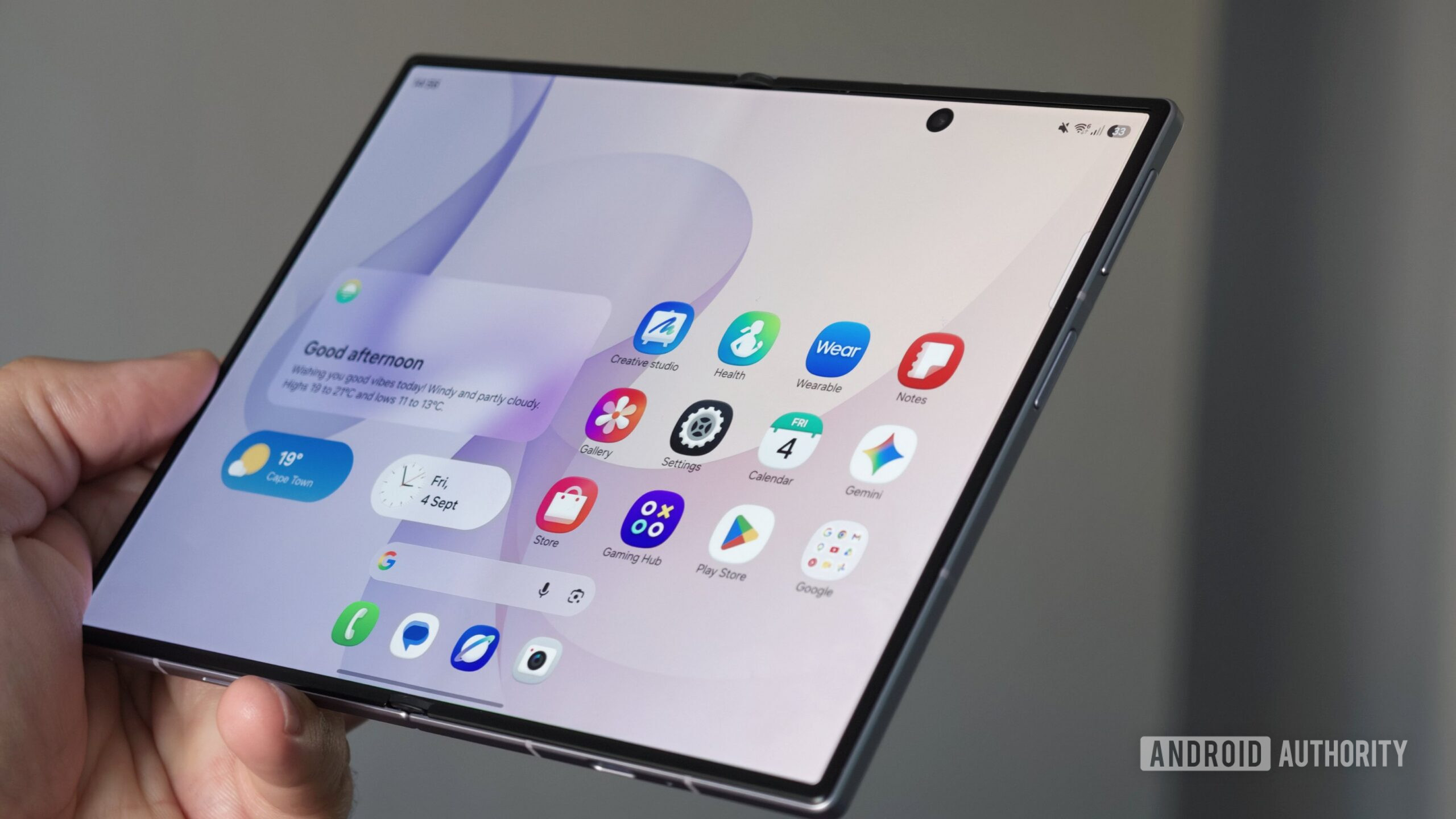
The interior 7.6-inch folding display of the Galaxy Z Fold 8 is arguably its most compelling feature, representing a significant departure from Samsung’s established approach. For years, Samsung has favored a near-square aspect ratio for its main foldable screen, which excels at multitasking with split-screen functionality. However, this design often resulted in noticeable letterboxing when viewing standard 16:9 or 4:3 video content, diminishing the immersive experience and offering little practical screen real estate advantage over a conventional smartphone for media consumption.
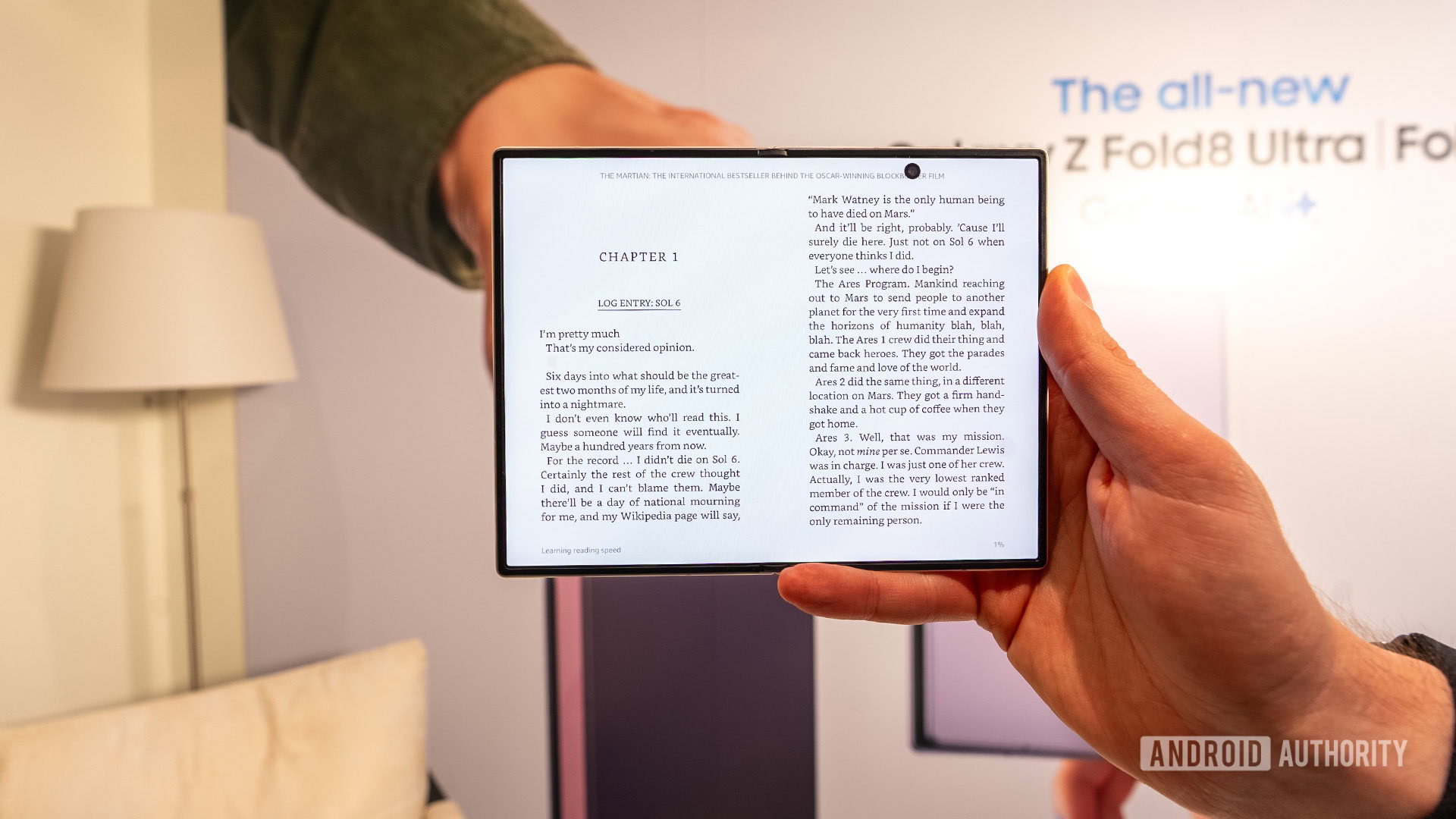
The Galaxy Z Fold 8 rectifies this by adopting a 4:3 aspect ratio for its main display. This shift proves particularly advantageous for older video formats and content designed for narrower screens. Episodes of classic television shows like "Buffy the Vampire Slayer" and "Columbo" now fill the screen entirely, offering an uncompromised viewing experience. While 16:9 content still exhibits some letterboxing, the overall window size is significantly improved compared to previous Fold models.
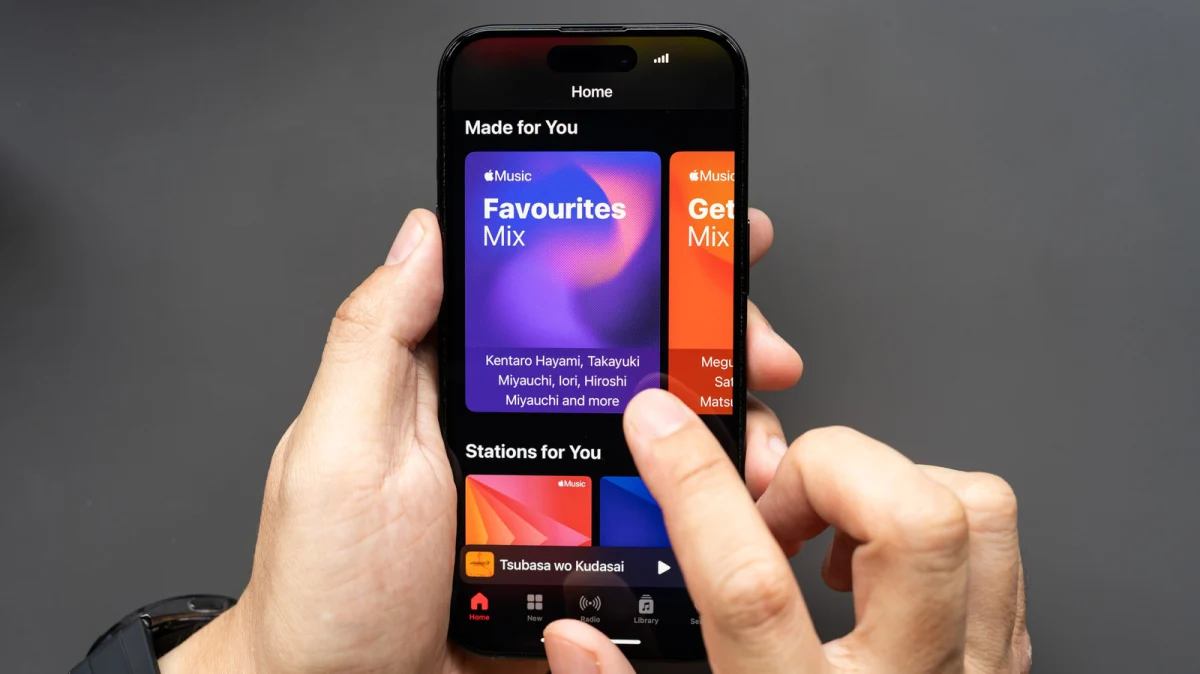
The implications of this new aspect ratio extend to content consumption beyond video. The Kindle app, for instance, intelligently defaults to a two-column view on the Z Fold 8, mimicking the layout of a physical book. This enhanced reading experience provides a greater sense of immersion and makes digital reading feel more natural and engaging. This optimized app behavior highlights the potential of a wider foldable screen for e-reading, a feature that other foldable manufacturers could readily adopt.
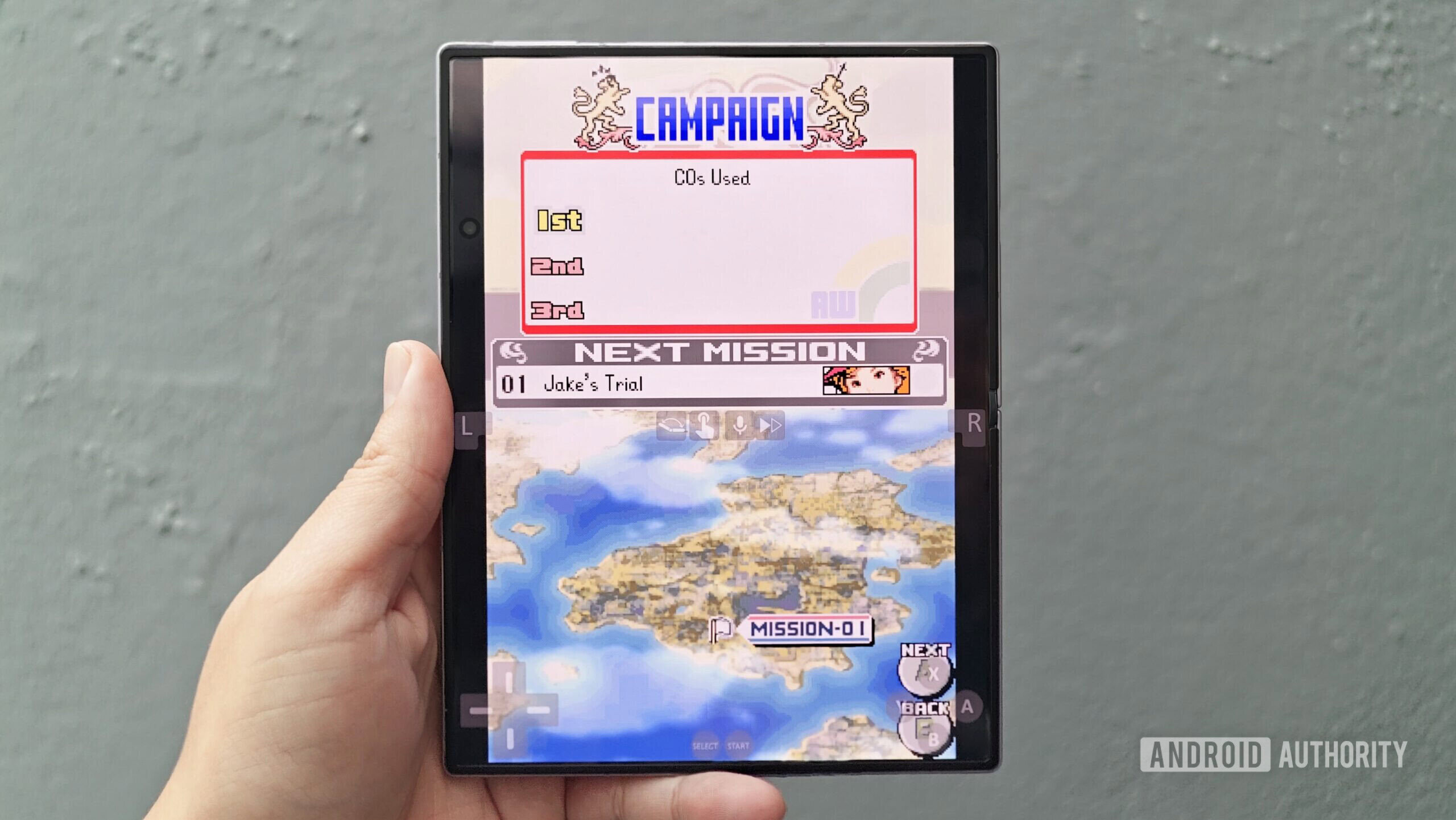
Beyond reading and video, the wider display opens up new possibilities for mobile gaming. The reviewer noted an enjoyable experience with Nintendo DS emulation, where the portrait orientation of the Z Fold 8 effectively replicates the dual-screen layout of the original console. This setup provides ample space for both gameplay and on-screen controls, transforming the foldable into a compelling portable gaming device. Games like "Advance Wars: Dual Strike" and "Trauma Surgeon" were found to be particularly well-suited to this configuration.
While the display crease remains a visible characteristic of foldable technology, Samsung has made strides in its management. The crease on the Z Fold 8 is discernible when running a finger across it, but it is less prominent than on some previous generations and competing devices, such as the vivo X Fold 5. While not entirely absent, it has reached a point where it is unlikely to be a significant distraction for the majority of users. This continuous improvement in crease reduction is a critical factor in making foldables more mainstream, and Samsung’s progress here is commendable, especially considering that even Apple has not fully eliminated the crease on its own nascent foldable efforts.
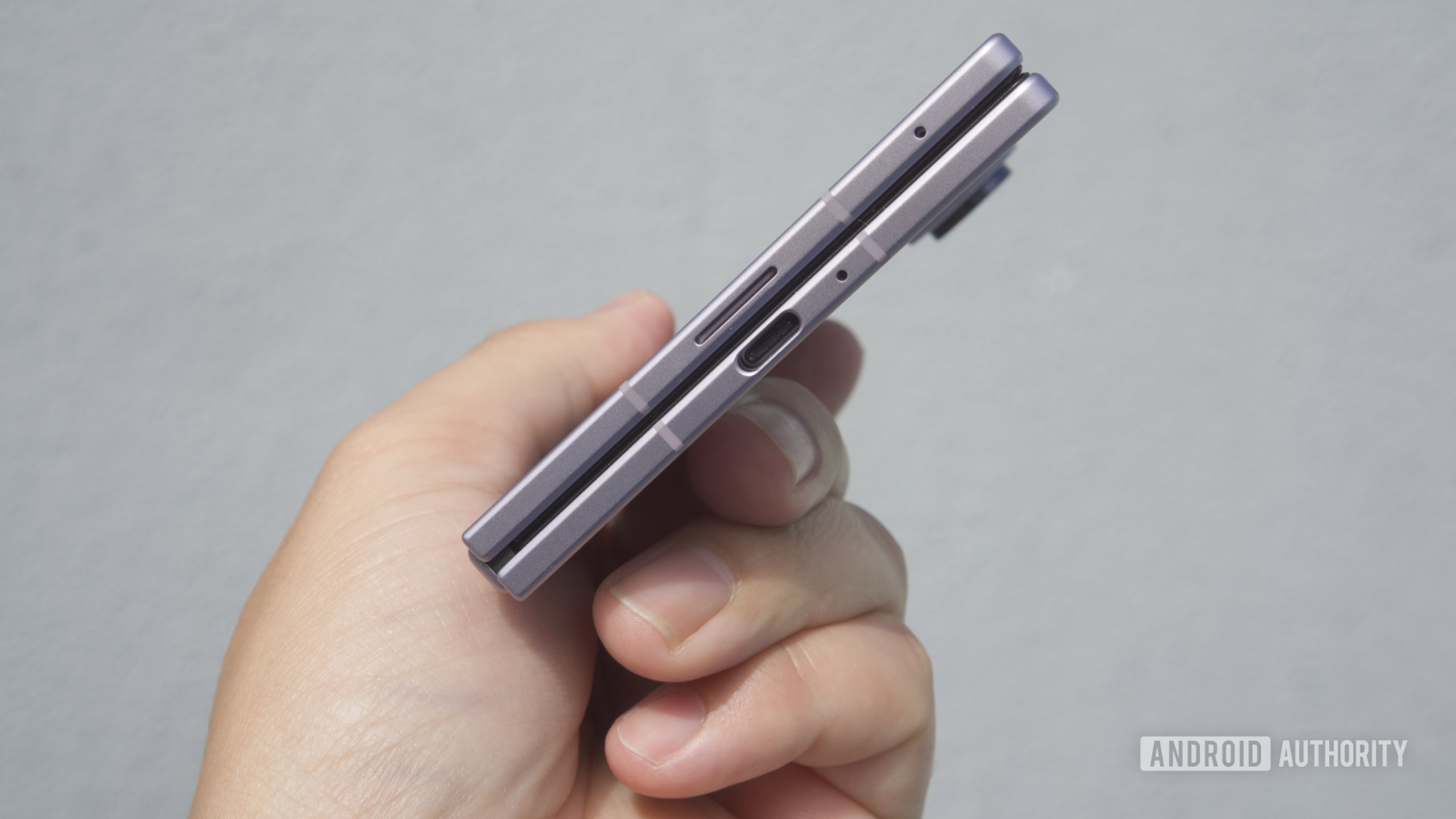
Despite these advancements, the inner display is not without its drawbacks. Fingerprint smudges are easily retained, a common issue with plastic displays that can be exacerbated in low-light conditions or dark modes. The inherent vulnerability of the plastic screen also means that even a fingernail can potentially cause damage, necessitating careful handling. While most applications adapt well, some, like Instagram and Slack, still benefit from a portrait orientation to avoid excessive white space.
Furthermore, the omission of Flex Mode, a feature that allowed previous foldables to partially fold and operate in a laptop-like configuration, is a notable sacrifice. This mode proved useful for hands-free video playback, group photography with a timer, and even some gaming scenarios. While some argue that the enhanced ease of opening the Z Fold 8 makes this a justifiable trade-off, the loss of Flex Mode represents a reduction in the device’s versatility for certain use cases.
Performance and Enduring Power
Underpinning the Galaxy Z Fold 8’s capabilities is the formidable Snapdragon 8 Elite Gen 5 for Galaxy chipset, paired with either 12GB or 16GB of RAM and storage options ranging from 256GB to 1TB. On paper, this configuration promises exceptional performance. However, the compact and constrained nature of foldables often presents thermal challenges that can impact sustained performance.
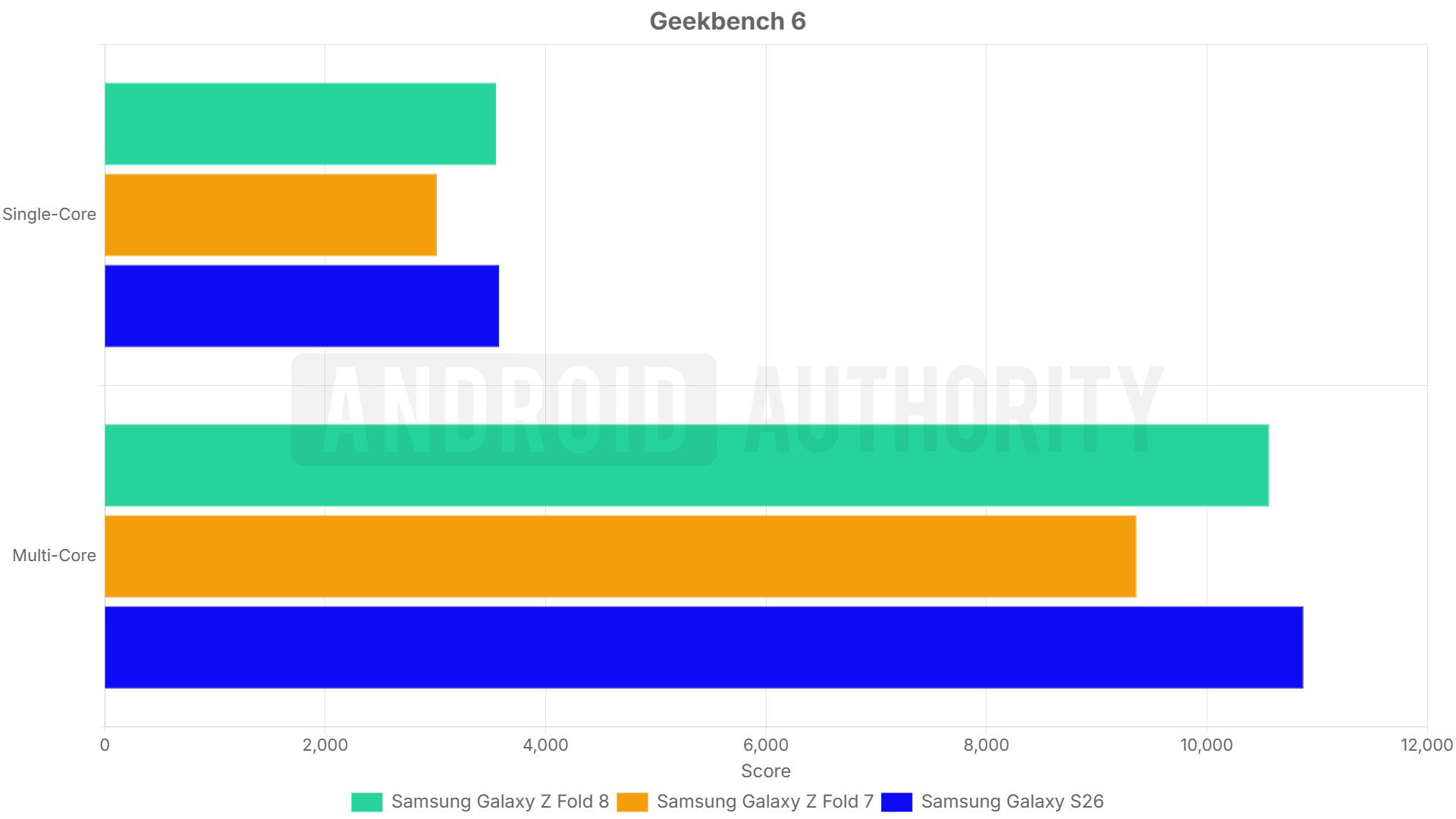
Benchmarking results from Geekbench 6 indicate that the Z Fold 8 achieves single-core CPU scores virtually identical to the Galaxy S26, which shares the same chipset. However, the S26 demonstrates a slight edge in multi-core performance. Critically, the Z Fold 8 significantly outperforms its predecessor, the Galaxy Z Fold 7, in both single and multi-core tests, signaling a generational leap in processing power.
The GPU performance, often a more demanding metric for thermally sensitive devices, reveals a more nuanced picture. The Z Fold 8 achieved a stability of 46% to 49% across three GPU stress tests, indicating a substantial performance drop under sustained load. This means the device loses over half of its peak graphical power during intensive tasks, which could impact demanding applications like 8K video recording, complex emulation, or cutting-edge mobile gaming. Despite this thermal throttling, the device generally ran cooler than the Galaxy S26 and remained comfortable to hold, a positive note for user experience.
In real-world usage, the Galaxy Z Fold 8 largely delivers a fluid and responsive experience. App launches, multitasking, and camera operations were seamless. Even demanding games like "War Thunder" and "GRID Legends" ran with impressive fluidity, with ample headroom to adjust graphical settings. This suggests that while synthetic benchmarks highlight thermal limitations, the device’s software and hardware integration provide a satisfactory user experience for most common and even many demanding applications.
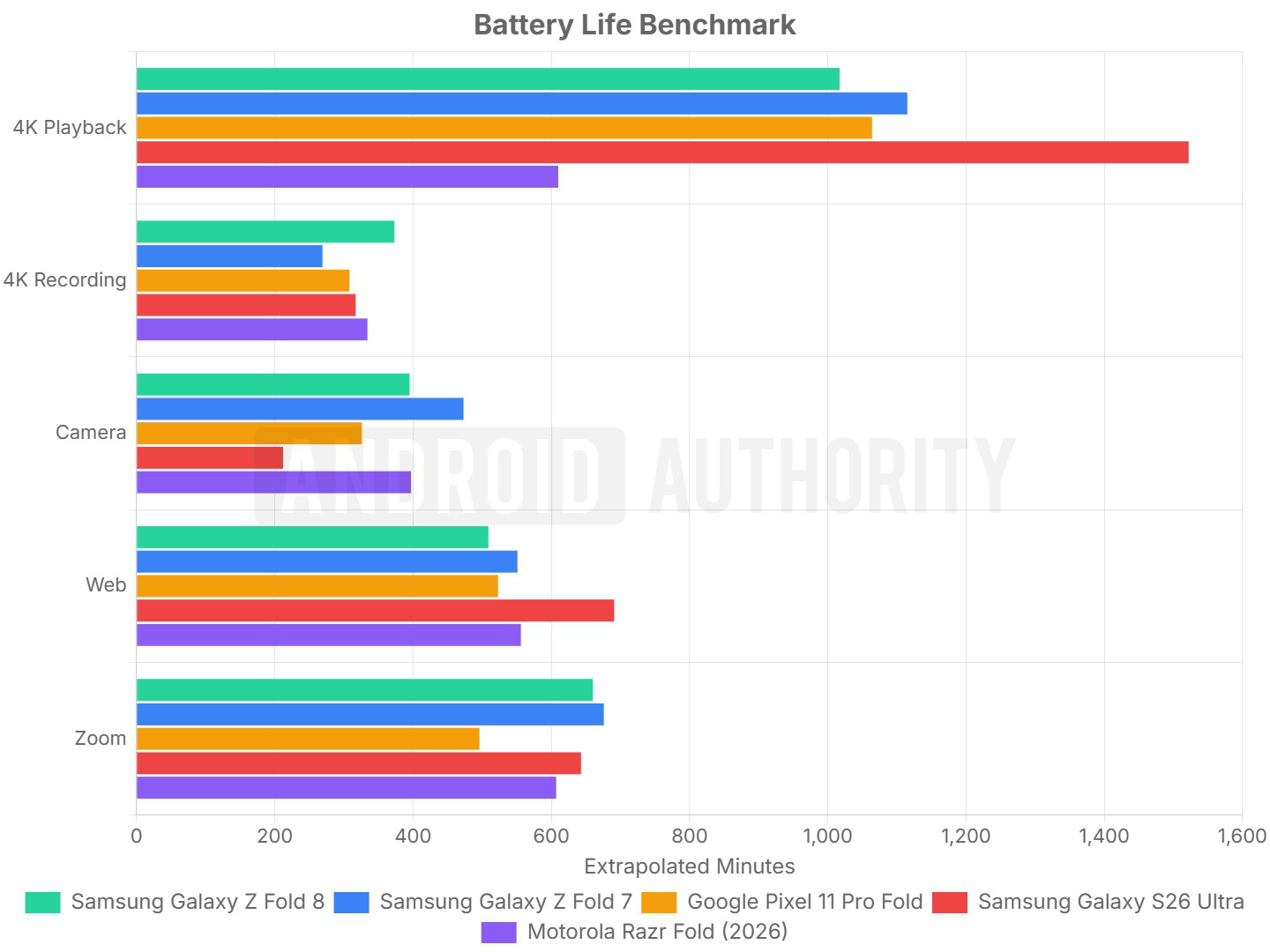
The 4,800mAh battery, while not groundbreaking in 2026, represents a welcome increase over the 4,400mAh capacity of the Galaxy Z Fold 7. Battery life benchmarks, however, present a curious outcome. The Z Fold 8 lagged behind the Z Fold 7 in most tested workloads, with the exception of 4K recording. This discrepancy could be attributed to the more pixel-dense inner screen consuming more power or a need for further software optimization. Despite this, the Z Fold 8 comfortably outperformed competitors like the Google Pixel 11 Pro Fold and the Motorola Razr Fold in battery life benchmarks, showcasing Samsung’s continued strength in software optimization for power management.
In practical, everyday use, the Galaxy Z Fold 8 demonstrated impressive endurance. The reviewer consistently achieved eight to ten hours of screen-on time, primarily utilizing the cover display for tasks such as messaging, social media browsing, and general web usage. Even with moderate use of the inner screen for media consumption and gaming, the device frequently lasted just under two full days on a single charge. This all-day endurance, even under heavier usage scenarios, solidifies its position as a reliable daily driver.
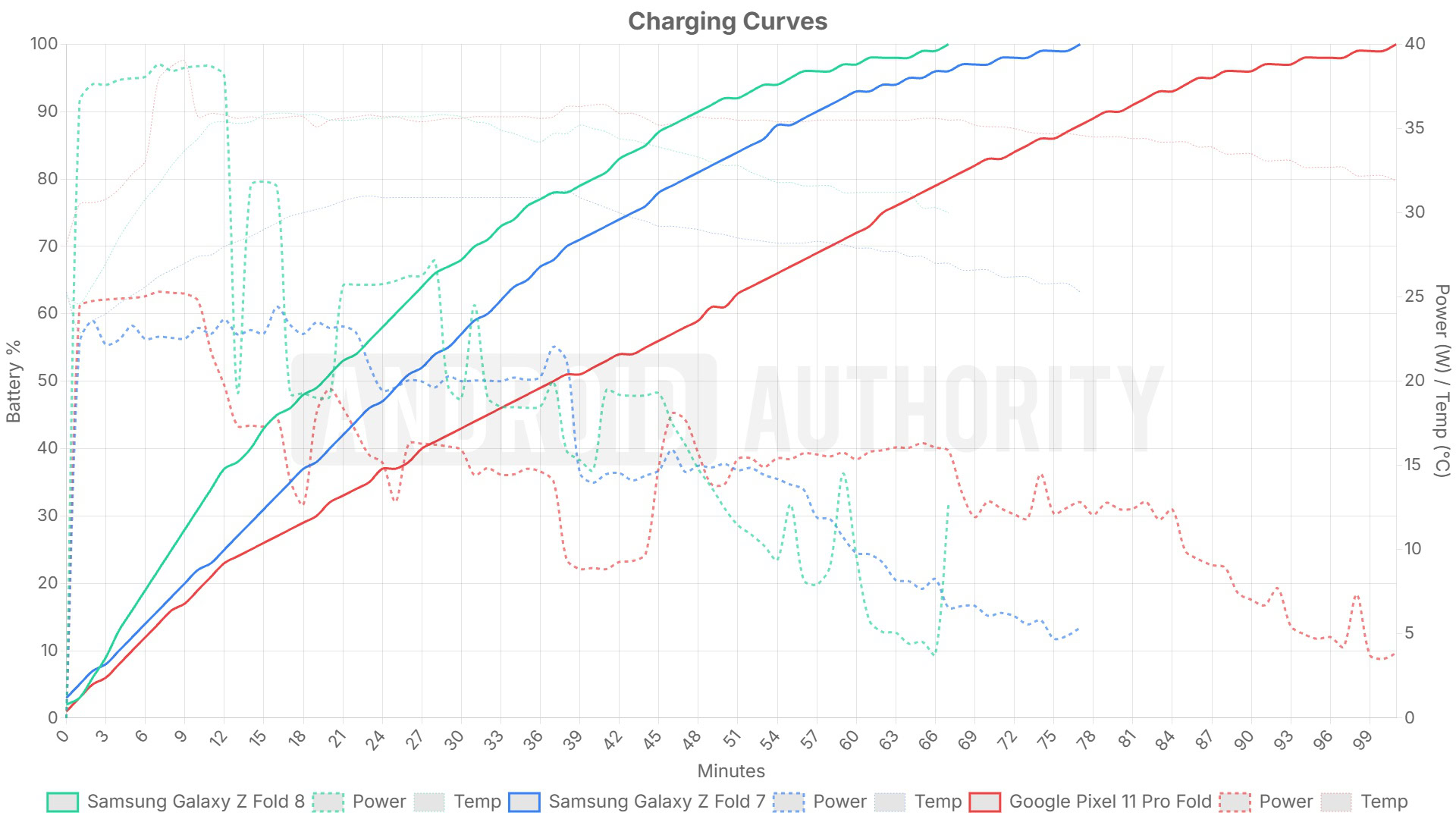
Charging capabilities are supported by 45W wired and 20W wireless charging. In testing, the device reached 100% from 2% in 67 minutes, with a peak wattage observed around 38W, slightly below the advertised 45W. While these charging speeds are not the fastest in the foldable market, they are competitive for a Samsung foldable and significantly quicker than the charging times of the Pixel 11 Pro Fold. The device did experience some initial warmth during charging but quickly cooled down to a manageable temperature.
Camera Capabilities: A Compromise for Foldability
It is important to manage expectations regarding the camera hardware on the Galaxy Z Fold 8, as it represents a compromise inherent in its design. The device features a dual-camera system: a 50MP main sensor (1/1.56-inch) and a 50MP ultrawide shooter. While the main camera generally produces pleasant and detailed images, it is not without its limitations. Occasional issues with fringing, splotchiness, and overly vibrant neon colors have been observed in certain scenes. The ultrawide lens performs adequately, though some softness is noticeable towards the edges of the frame. Notably, the 1x main camera captures brighter images in low-light conditions compared to the ultrawide.
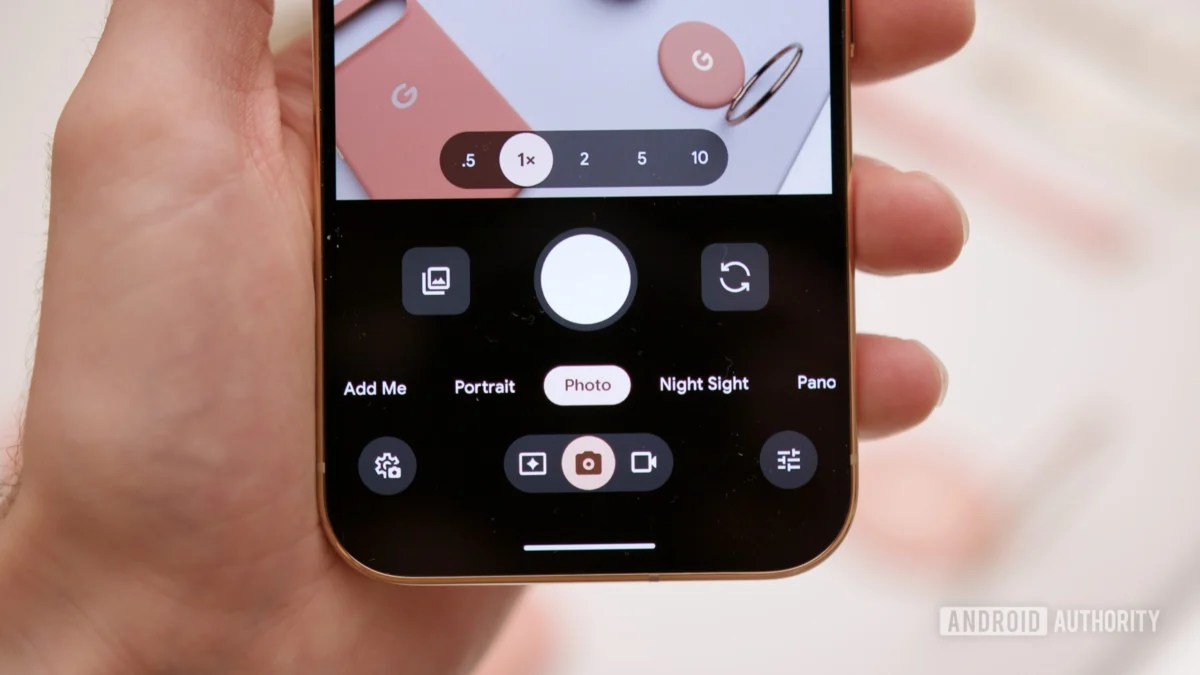
The absence of a dedicated telephoto lens is the Z Fold 8’s most significant camera deficiency. While the 2x zoom can still yield satisfactory results, pushing beyond 3x or 4x optical zoom often results in a noticeable degradation of image quality. Zooming to 10x is generally not recommended. This lack of optical zoom capability is a step back from some earlier wide-style foldables, such as the original OPPO Find N, which included a telephoto lens. Despite this, the portrait mode, when utilized at 2x zoom, produces pleasing results with largely accurate bokeh effects.
Video recording capabilities are a stronger suit. The Z Fold 8 supports smooth video capture at various resolutions and frame rates, including 4K at 60fps, 8K at 30fps, and 4K at 120fps. Support for LOG and APV codecs offers professional-grade flexibility for users engaged in more advanced video production.
A novel feature introduced this year is "My FanCam" within the Gallery application. This AI-powered tool allows users to select a subject from a previously recorded video and crop the footage to focus solely on that individual. While this feature has the potential to be useful for repurposing existing footage, its implementation is not without flaws. Some "My FanCam" clips exhibited artifacts and a general lack of detail, making it evident that the footage has been digitally cropped. Furthermore, the feature’s inability to support subjects other than people, such as pets, limits its broader applicability. The AI’s upscaling of 8K footage to 4K for the cropped output can also lead to a less-than-ideal final result. While an interesting concept, "My FanCam" requires further refinement to become a truly valuable tool.
Software Innovations and Enduring Support
The Galaxy Z Fold 8 launches with Samsung’s One UI 9, built upon the foundation of Android 17. This iteration introduces several new software features, including Call Brief functionality, Now Nudge, custom Now Brief cards, and the aforementioned My FanCam.
Call Brief aims to provide contextual information during phone calls, such as upcoming events or relevant data. However, in testing, the reviewer did not experience this feature activating. Samsung’s description of the feature as displaying "events and other information" is notably vague, leaving users uncertain about its practical utility.
Now Nudge, a feature previously seen in One UI 8.5, is positioned as Samsung’s answer to Google’s Magic Cue. It is designed to analyze screen content and offer contextual suggestions. However, similar to Call Brief, this feature proved elusive during the review period, leading to questions about its consistent availability and effectiveness. The irony of these "smart" features being difficult to experience mirrors earlier challenges encountered with Google’s own contextual AI prompts.
Custom Now Brief cards represent a long-anticipated enhancement. Users can create personalized information cards for various categories, including health metrics (weekly activity, sleep scores, water intake), YouTube content, and weather data. The ability to drill down into specific subcategories, such as pollen index or sunrise/sunset times, offers granular control. However, the utility of YouTube-specific cards is questionable, as direct access to the platform itself often proves more efficient. A more integrated approach, perhaps leveraging custom cards from Samsung’s own Routines Plus app, could enhance the overall value of this feature.
Beyond these new additions, the Z Fold 8 retains familiar and powerful software functionalities. These include gesture wake-up for Bixby, Motion Assist, and an AI assistant activity dashboard. Established features like distinct home screens for each display, the comprehensive Good Lock suite of customization tools, and Samsung DeX mode (though not accessible on the inner screen) further enhance the user experience.
A cornerstone of Samsung’s flagship strategy is its industry-leading software update policy. The Galaxy Z Fold 8 is guaranteed seven years of Android OS upgrades and security updates, promising continued support well into the future, potentially reaching Android 24. This commitment provides significant long-term value and reassures users of sustained device performance and security.
Verdict: A Compelling Foldable, But Not Without Caveats
The Samsung Galaxy Z Fold 8 represents a bold and welcome evolution in the company’s foldable strategy. Its shorter, wider form factor fundamentally redefines the user experience, offering a more intuitive and media-centric inner display that genuinely enhances video consumption and reading. The compact folded dimensions make it feel remarkably svelte, a stark contrast to the bulkiness often associated with book-style foldables. Combined with impressive battery life, competitive charging speeds, consistently smooth everyday performance, and Samsung’s robust software ecosystem, the Z Fold 8 presents a compelling package.
However, for a device commanding a premium price point, several significant compromises cannot be overlooked. The IP48 rating, notably lacking dust resistance, is a considerable drawback in an era where many competitors offer superior protection. The absence of a dedicated telephoto camera limits its versatility as an all-encompassing flagship replacement, a role many consumers expect from high-end smartphones. The discontinuation of S Pen support, a feature present in previous generations and a key differentiator for some competitors, is also a point of contention, especially given its inclusion on the rival iPhone Duo. Furthermore, the omission of Flex Mode reduces its adaptability for specific use cases.
Despite these drawbacks, the Galaxy Z Fold 8’s core design is precisely what many have been waiting for in a foldable. The reviewer’s personal journey, which saw them nearly pre-order the device, underscores its strong appeal. For those with the financial means and a desire for this specific foldable form factor, the Z Fold 8 is an easy recommendation. However, for users prioritizing a more complete flagship experience, or those sensitive to the aforementioned omissions, waiting for the next iteration, the Galaxy Z Fold 9, or exploring alternative wide-style foldables that address these finer details may be a more prudent approach.
The primary competitor to consider is the Apple iPhone Duo, which offers a similar wide form factor, an IP68 rating, Flex Mode, and Apple Pencil support, albeit at a higher price point and within the iOS ecosystem. For those seeking maximum power and a more traditional, albeit larger, foldable experience, the Galaxy Z Fold 8 Ultra remains a potent option. It sacrifices the compact design and wide inner screen but compensates with superior camera hardware, an expansive inner display optimized for multitasking, and a slightly larger battery. Ultimately, the Galaxy Z Fold 8 signifies a significant step forward, but the journey towards a truly flawless foldable flagship continues.