Metty Iskandar
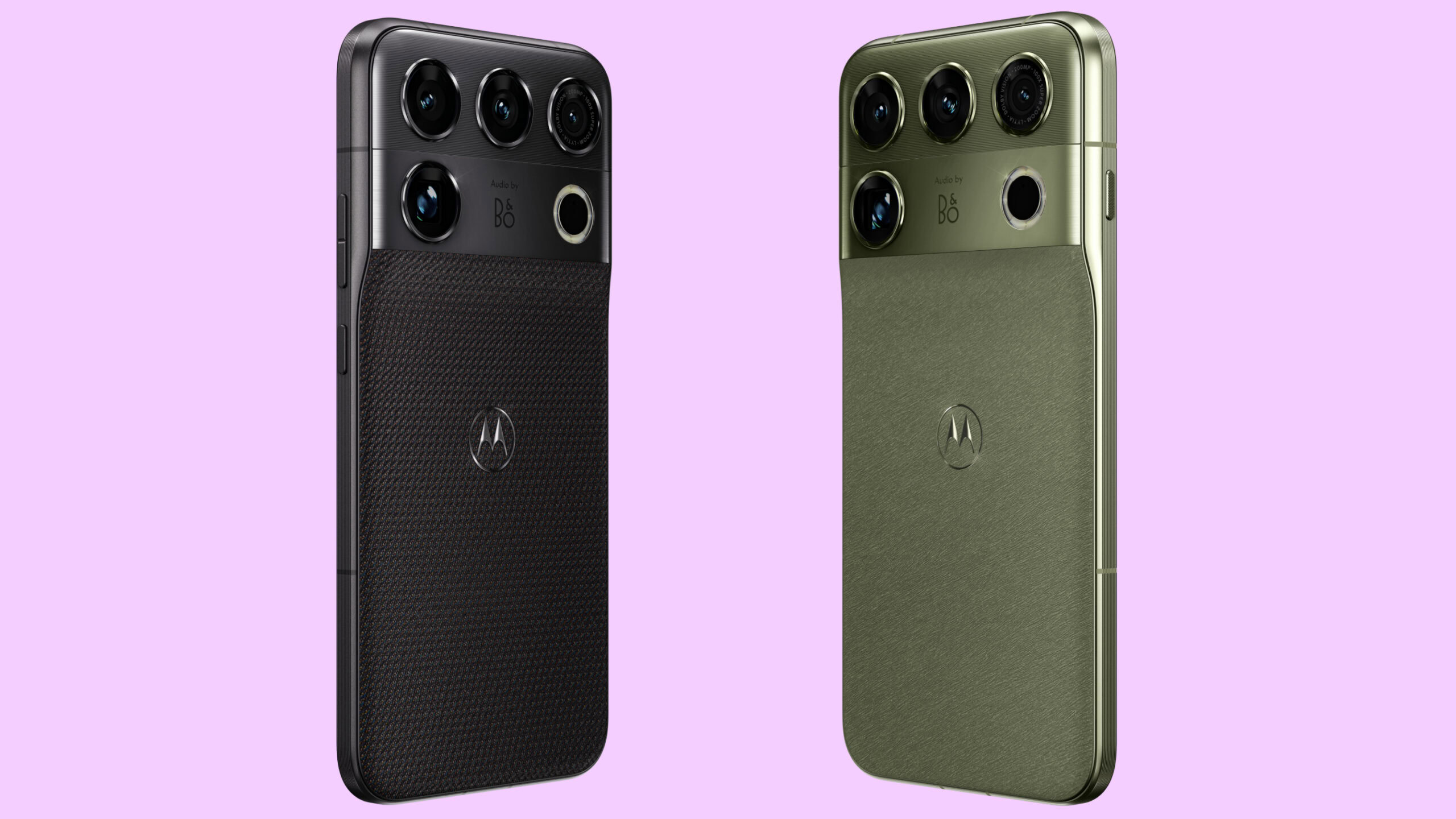
The smartphone landscape in the United States has long been dominated by a few key players, with Samsung and Google consistently leading the charge in the Android ecosystem. However, whispers of a significant contender re-emerging from an established name are generating considerable industry buzz. Motorola, a brand with deep roots in American mobile history, appears poised to make a serious play for the US flagship market with its upcoming Signature 27. This device, powered by the cutting-edge Snapdragon 8 Elite Extreme Gen 6 chipset, is not just another overseas release; it signals Motorola’s intent to challenge the status quo on American soil, leveraging strategic advantages that have historically eluded many ambitious newcomers.
The company’s previous attempts to re-enter the traditional slab flagship segment in the US have often resulted in devices that were either limited to international markets or failed to gain significant traction. The Signature 27, however, represents a more concerted and strategically positioned effort. Early indications suggest a premium hardware package, including a high-performance processor, a sophisticated camera system, and an emphasis on audio quality, all hallmarks of a modern flagship device. The critical differentiator, according to industry observers, is Motorola’s established and robust presence within the US carrier network, a factor that has proven to be a formidable barrier to entry for many other manufacturers.
The Crucial Role of Carrier Partnerships
The significance of a strong carrier presence in the US market cannot be overstated. For years, brands like OnePlus, despite releasing compelling hardware, have struggled to achieve widespread market penetration due to a lack of deep integration with major carriers. The loss of OnePlus’s T-Mobile partnership, for instance, was viewed by many as a pivotal moment that hampered its growth trajectory within the United States. Similarly, newer entrants like Nothing face an uphill battle in convincing a significant portion of the American consumer base to deviate from familiar purchasing habits. While retail availability through outlets like Best Buy offers a degree of accessibility, it lacks the pervasive convenience and trust associated with purchasing a device directly from a carrier store.
Motorola, by contrast, benefits from its existing relationships with AT&T, Verizon, and T-Mobile, as well as a wide network of Mobile Virtual Network Operators (MVNOs). This strategic positioning allows the Signature 27 to be showcased alongside devices from Samsung and Google, offering consumers the opportunity to experience it firsthand within their trusted retail environments. More importantly, this carrier integration unlocks a suite of powerful sales and marketing tools, including extensive trade-in offers and attractive financing plans.
For millions of American consumers, the monthly carrier bill is a familiar and manageable expense. The prospect of adding a new flagship device to this existing payment structure, often for a modest increase of around $27 per month, presents a compelling value proposition. This financing model simplifies the purchasing process, eliminating the need for upfront lump sums that can be a barrier for many. Furthermore, it addresses the practical concerns of consumers who prefer the assurance of on-site support for troubleshooting and repairs, especially for a device that often serves as their primary communication lifeline. The vast majority of smartphone sales in the US are still facilitated through carrier channels, and Motorola’s established infrastructure positions the Signature 27 to capture a substantial share of this market.
A Resurgence of Value in a Price-Conscious Market
The year 2026 has presented a challenging economic climate for both smartphone manufacturers and consumers. Persistent supply chain issues, including a notable RAM crisis, have contributed to rising technology costs. This trend has been evident across major product lines, with Samsung’s recent smartphone releases experiencing price increases, and even Google’s Pixel 11 series seeing elevated MSRPs across its range. In this environment, consumers are increasingly seeking devices that offer a strong balance of performance and affordability.
Motorola has, in recent years, carved out a niche by offering compelling value, particularly in its mid-range offerings. Its devices frequently feature aggressive sales and discounts, and even its premium foldable Razr lineup, despite initially high price points, tends to see significant price reductions within a shorter timeframe compared to competitors. This established pattern of delivering value is a crucial asset for the Signature 27.
While the inclusion of the Snapdragon 8 Elite Extreme Gen 6 chipset undoubtedly signifies a premium and potentially costly component, Motorola’s track record suggests an ability to manage costs without significant compromises on other specifications. The company has historically avoided the practice of skimping on RAM or internal storage for its flagship devices. Industry analysts anticipate that Motorola will aim to position the Signature 27 at a competitive price point, potentially in the $1,000 to $1,100 range. While this figure may not represent radical value in absolute terms, it would stand in stark contrast to the higher price points often associated with comparable flagships from Samsung and Google, signaling a potential shift in market expectations. Offering a high-end device at a more accessible price point could resonate strongly with consumers fatigued by escalating smartphone costs.
Building on a Foundation of Brand Recognition and Innovation
Motorola’s strategic advantage extends beyond its carrier partnerships and pricing strategies; it is also deeply rooted in its enduring brand recognition and a renewed focus on customer-centric innovation. The company has spent the last few years meticulously rebuilding its image, transitioning from its legacy as a hardware manufacturer to establishing itself as a lifestyle brand. The success of the Razr foldable series has been instrumental in this rebranding effort, capturing consumer attention and re-igniting a sense of nostalgia while simultaneously showcasing modern technological advancements.
Unlike newer players like OnePlus and Nothing, who have had to invest heavily in educating the US market about their brand identity and value proposition, Motorola benefits from a household name status. The mere mention of "Motorola" evokes a strong association with mobile phones for millions of Americans, providing an immediate advantage in brand awareness and consumer trust. This pre-existing familiarity allows Motorola to focus its marketing efforts on the merits of the Signature 27 itself, rather than on building brand recognition from scratch.
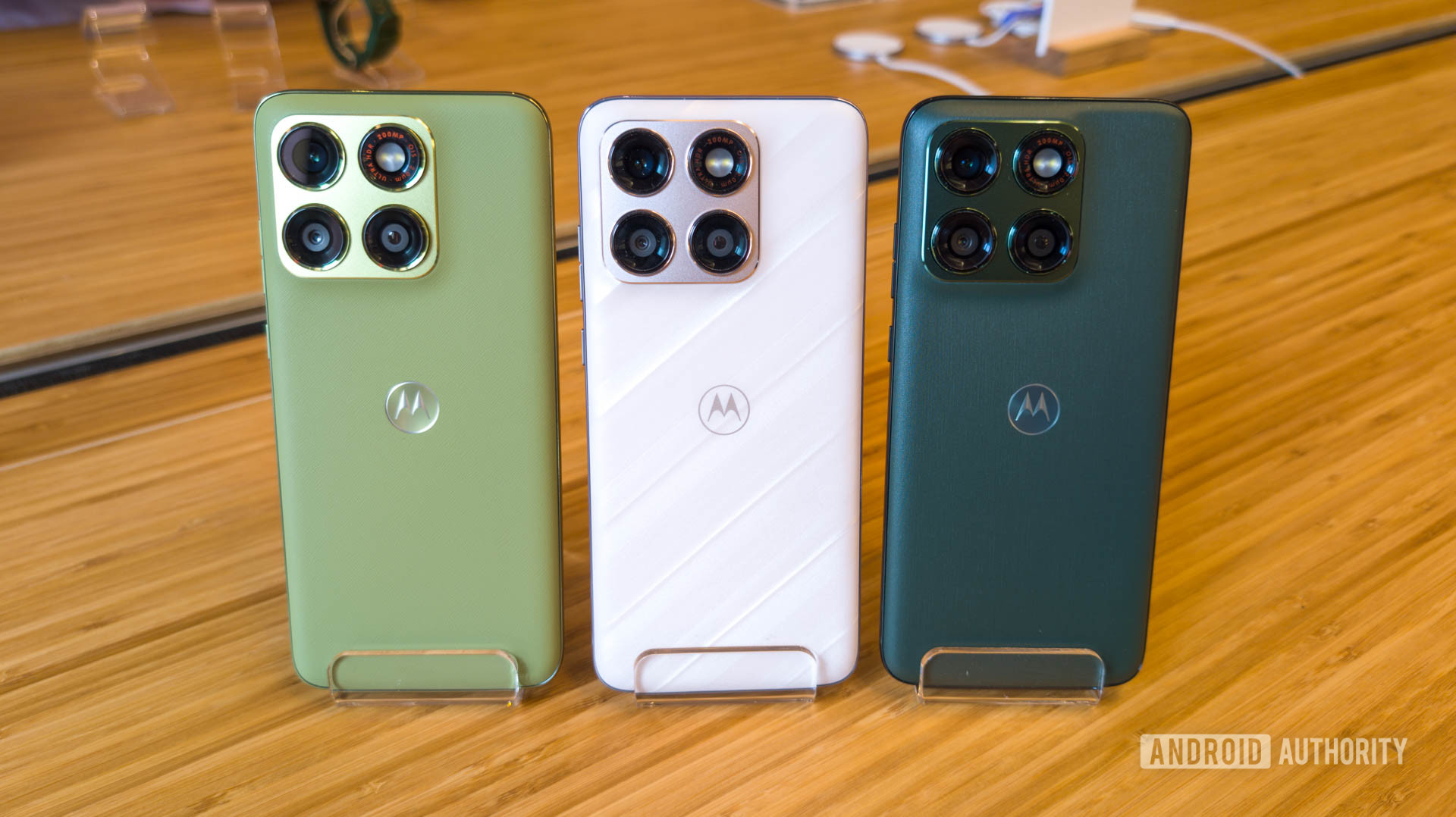
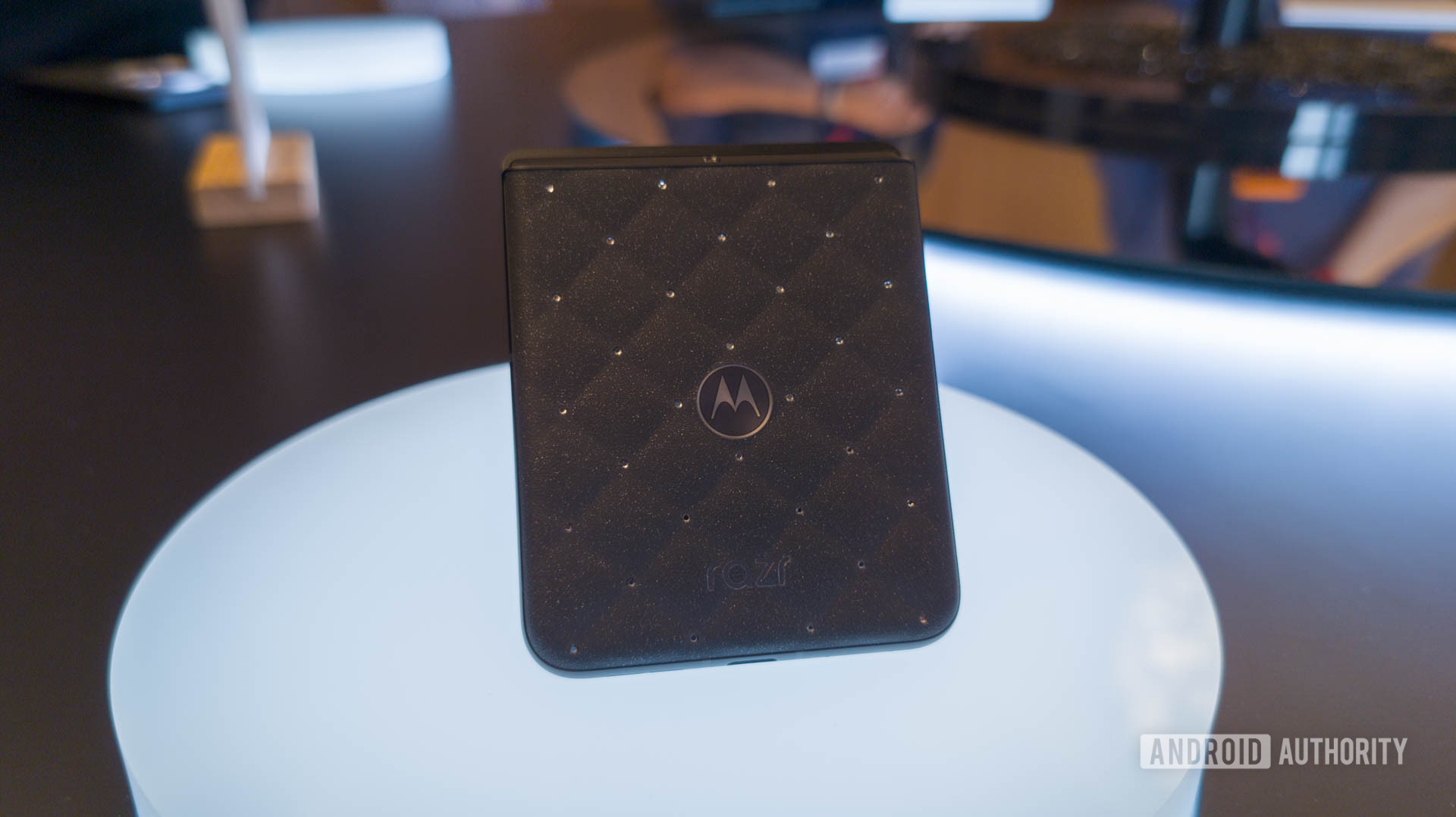
Furthermore, Motorola has demonstrated a keen understanding of what truly matters to consumers in the current market. The company has made significant strides in improving its camera technology, often delivering performance that rivals or even surpasses that of its competitors in key areas. Battery life has also emerged as a strong point for recent Motorola devices, addressing a common pain point for many smartphone users, and in some instances, outperforming the battery endurance offered by Samsung and Google devices in the US. Beyond performance, Motorola has also embraced a more daring approach to design, experimenting with diverse textures and aesthetic elements. This willingness to deviate from conventional designs ensures that Motorola devices stand out, appealing to consumers who seek a more personalized and expressive mobile experience. This focus on both functional excellence and distinctive style is a potent combination for capturing market share.
The Long Road Ahead: Challenging the Incumbents
Despite the compelling advantages and strategic positioning of the Motorola Signature 27, it is crucial to acknowledge the formidable challenges that lie ahead. The US smartphone market is intensely competitive, and Samsung, in particular, commands a deeply entrenched market share and a loyal customer base. Mounting a significant challenge to Samsung’s dominance will be an arduous task, even with Motorola’s enhanced capabilities.
However, the definition of success for Motorola may not be about outright market share conquest. Instead, a more realistic and achievable goal would be to erode Samsung’s overwhelming influence by offering a credible and attractive alternative. The Signature 27, with its potent combination of cutting-edge technology, strategic carrier integration, and a commitment to value, is well-equipped to achieve this objective. By providing consumers with a genuine choice that balances premium features with a more accessible price point and a familiar purchasing experience, Motorola has the potential to redefine expectations and create a more dynamic and competitive Android ecosystem in the United States. The groundwork has been laid, and the Signature 27 represents a pivotal moment in Motorola’s ambitious resurgence. The coming months will reveal whether this carefully crafted strategy can translate into sustained success in one of the world’s most demanding smartphone markets.