Galang Taruna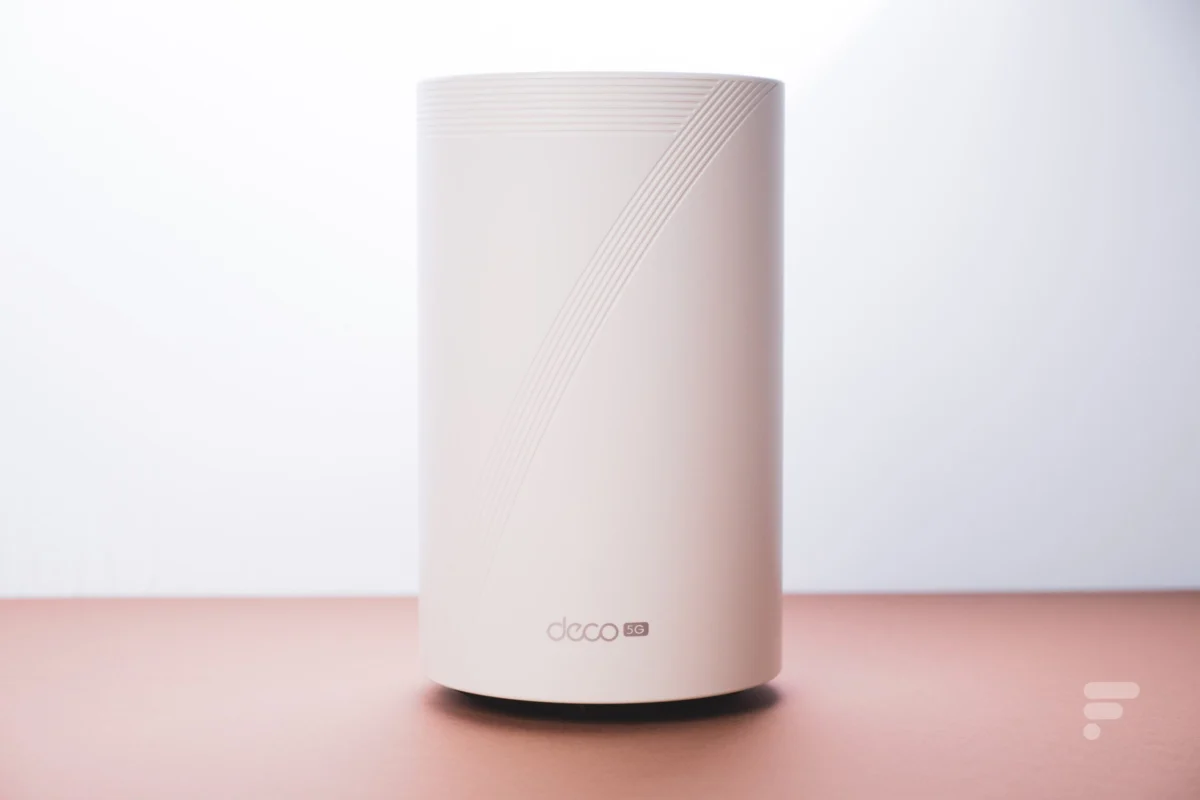
TP-Link has officially introduced the Deco BE25-5G, a sophisticated Wi-Fi 7 mesh router that seamlessly integrates 5G cellular connectivity, positioning itself as a versatile solution for modern home and office networks. Launched on August 23, 2026, at a recommended retail price of €399.90, this device is designed to offer both cutting-edge Wi-Fi performance and reliable internet access, particularly in areas with inconsistent or non-existent fixed-line broadband. The Deco BE25-5G marks a significant evolution in TP-Link’s popular Deco mesh ecosystem, bringing cellular redundancy and primary connectivity options to the Wi-Fi 7 standard.
Product Overview and Market Positioning
The Deco BE25-5G is fundamentally an extension of TP-Link’s entry-level Wi-Fi 7 offering, the Deco BE25, but with the crucial addition of integrated 5G/4G/3G cellular capabilities. While it retains many of the core specifications of its non-cellular counterpart, its distinct design and enhanced hardware signify its unique position within the Deco family. This hybrid approach caters to a growing demand for robust, adaptive internet solutions, especially as remote work, online education, and smart home technologies become increasingly prevalent. The device is aimed at consumers seeking a reliable primary internet connection in underserved areas or those requiring a dependable backup solution for their existing fiber or cable broadband.
At its core, the Deco BE25-5G operates as a dual-band BE3600 Wi-Fi 7 system, delivering a cumulative theoretical throughput of up to 3.6 Gbps (2882 Mbps on the 5 GHz band and 688 Mbps on the 2.4 GHz band). Notably, this model does not leverage the 6 GHz band, a feature present in higher-end Wi-Fi 7 devices that offers improved speeds and reduced interference. This strategic decision likely aims to keep the device within a more accessible price bracket while still offering substantial performance improvements over previous Wi-Fi generations.
The inclusion of a cellular modem adds approximately €250 to the device’s cost compared to the standalone Deco BE25, which typically retails around €140-€150. This premium investment underscores the value proposition of the 5G integration, making it a highly compelling, yet potentially divisive, choice depending on the user’s specific connectivity needs and geographical location. For households in rural or remote areas, or those experiencing frequent fixed-line outages, this additional cost can be easily justified by the promise of uninterrupted connectivity.
Design and Ergonomics: A More Imposing Presence
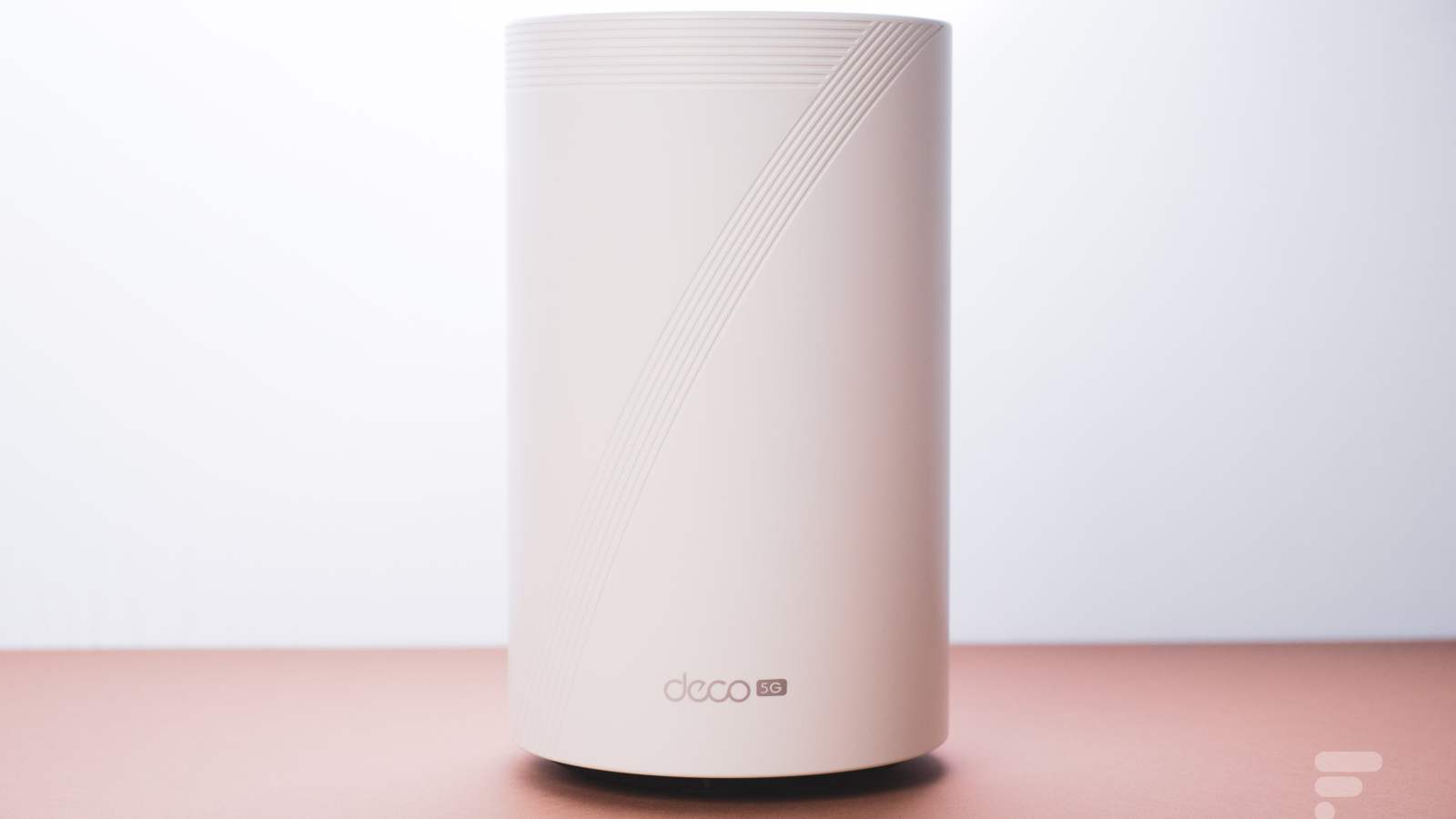
Unlike the more compact form factor of some Deco units, the BE25-5G adopts a cylindrical tower design, reminiscent of the Deco BE68. Standing at 19.8 cm tall with a diameter of 11.8 cm, it is slightly larger than the BE68, a necessary concession to accommodate the integrated 5G/4G/3G antennas that are crucial for its cellular functionality. Despite its increased stature, the aesthetic remains consistent with the minimalist design language of the Deco series, ensuring it blends seamlessly into most home environments.
Constructed entirely from plastic, the router features a prominent "7" embossed on its front face, signifying its adherence to the Wi-Fi 7 standard. This design element playfully raises questions about future iterations, with observers curious to see how TP-Link will visually represent the anticipated Wi-Fi 8 standard. Effective internal component cooling is facilitated by strategically placed vents at the base and top of the cylinder. The device’s operational status is indicated by a discreet LED integrated into the black base, which can be conveniently deactivated via the Deco application for those who prefer an unlit device.
The connectivity ports are neatly arranged at the rear of the cylinder, providing a comprehensive array of options. These include a proprietary power connector, three RJ45 Ethernet ports (two 2.5 GbE ports and one 1 GbE port), a USB port, and two connectors for an optional external 4G/5G antenna. This expanded port configuration is a notable upgrade from the standard Deco BE25, which typically offers fewer Ethernet ports and lacks a USB port. The inclusion of a USB port allows users to connect a storage device, enabling network-wide file sharing—a practical feature for home media servers or shared document access. Additionally, the traditional WPS button simplifies Wi-Fi device pairing, and a reset button provides quick troubleshooting options. The provision for an external cellular antenna, though not included, offers flexibility for users in areas with weaker cellular signals, allowing them to optimize reception.

Core Functionalities and User Experience: Intuitive Setup, Subscription-Based Enhancements
TP-Link maintains its reputation for user-friendly setup with the Deco BE25-5G. The initial configuration process, guided by the intuitive Deco application, remains a highlight. This step-by-step wizard is designed to be accessible to a broad audience, regardless of their technical proficiency, guiding users through both traditional Ethernet and cellular SIM card connections with ease. This streamlined approach minimizes potential errors and ensures a smooth onboarding experience.
Upon successful configuration, users are presented with the familiar Deco application home screen, which provides a concise overview of the network status and connected devices. This consistency across the Deco product line ensures a seamless experience for users already invested in the ecosystem. The BE25-5G can be integrated into an existing Deco mesh network, allowing users to expand Wi-Fi coverage in larger homes, irrespective of whether the primary internet source is fiber or 5G. This interoperability is a key strength of the Deco platform, offering scalable and flexible network solutions.
Parental Controls and Network Security: A Tiered Approach
The Deco BE25-5G features integrated parental controls and security functionalities, though many of the more advanced features are offered through a subscription model. The free version of parental controls includes profile creation, content filtering by categories and URLs, complete internet blocking or site-specific blocking, basic bedtime scheduling, and activity overviews. While functional, it lacks granular control over usage duration or specific application access.

The "Advanced" parental control features, available for an annual subscription of €19.99, significantly enhance these capabilities. This upgraded suite allows for forced safe search on major engines, YouTube restricted mode activation, customizable usage duration limits, personalized time schedules, pause times, time rewards, and application-specific rules. Furthermore, TP-Link plans to extend parental control capabilities beyond the home network through a dedicated "KidShield" application, which will enable tracking of mobile device usage and location, addressing a growing need for parental oversight in an increasingly mobile-centric world.
Network security is also a priority, with a dedicated module designed to intelligently isolate sensitive connected devices, such as security cameras. This "IoT Protection" aims to limit their exposure to the broader network and prevent unnecessary communications when the home is occupied, thereby enhancing privacy. Additional network protection, priced at €39.99 per year, includes malicious site detection, real-time IoT protection, and detailed security reports. For those seeking comprehensive protection, the "Total Security" subscription, initially priced at €79.99 for the first year (€149.99 thereafter), bundles multi-device antivirus, a password manager, and a VPN service, consolidating various security needs within the TP-Link ecosystem. While the subscription model allows users to choose the level of security and control they need, it does introduce recurring costs that potential buyers must consider.
Advanced Networking Capabilities: Versatility for Diverse Use Cases
Beyond everyday features, the Deco BE25-5G inherits the advanced networking options common across the Deco range. These include a DHCP server, MAC address cloning for operator router replacement, and VLAN management for Internet and IPTV services, enabling the device to replace an ISP-provided box. Dynamic DNS and port forwarding functionalities are available for users who wish to host services at home, such as game servers or personal cloud storage. The USB port facilitates network sharing of connected storage devices, creating a simple network-attached storage (NAS) solution. Furthermore, the router supports VPN client functionality, allowing it to connect to an existing VPN service, and can act as a VPN server, enabling secure remote access to the home network.
The dual internet connectivity options—Ethernet and 5G—provide the Deco BE25-5G with unparalleled flexibility. It can operate as a standard Wi-Fi router, an access point, or, by default, as a cellular router utilizing an inserted SIM card. Crucially, the cellular link can function as an automatic failover for the primary fiber connection, seamlessly taking over in the event of an outage. This WAN backup feature is invaluable for maintaining continuous internet access, a critical requirement for many households and small businesses. Additionally, a "cellular bridge" mode allows the device to forward all internet traffic to another router, effectively acting as a dedicated 5G modem, similar to a backup 5G dongle preceding a more complex network setup. These comprehensive options make the Deco BE25-5G suitable for a multitude of scenarios: a primary router in areas without fixed broadband ("white zones"), a 5G backup for existing fiber installations, or a simple 5G modem for advanced users.

Performance Analysis: Solid Speeds Despite 6 GHz Absence
The Deco BE25-5G’s radio architecture comprises three internal Wi-Fi antennas alongside eight dedicated antennas for 5G/4G/3G connectivity. This contrasts with the standard Deco BE25, which uses four Wi-Fi antennas. Despite the differing antenna configurations, TP-Link reports identical theoretical Wi-Fi 7 dual-band speeds (BE3600), suggesting that the antenna adjustments primarily facilitate the co-existence with the 5G modem rather than indicating a reduction in Wi-Fi capabilities. The most significant factor impacting raw Wi-Fi performance for modern clients is the absence of the 6 GHz band, which is typically found in higher-tier Wi-Fi 7 devices and offers superior speeds and lower latency.
Performance testing within an 80 m² apartment demonstrated satisfactory results. At a distance of 1 meter from the Deco, a Windows laptop equipped with a Wi-Fi 7 compatible chip achieved download speeds exceeding 1.6 Gbps and upload speeds over 1.4 Gbps. Moving to an adjacent room, approximately 5 to 10 meters away, the speeds remained robust, consistently around 900 Mbps for downloads and peaking at 1.2 Gbps for uploads. Even at greater distances, the device maintained stable speeds above 300 Mbps, outperforming some competitors like the Netgear Orbi 370 in this regard.
In real-world 5G conditions, with a tested line offering approximately 450 Mbps download and 40 Mbps upload, the Deco BE25-5G effectively managed the cellular load without creating a bottleneck. The failover mechanism between fiber and 5G proved highly efficient. During a simulated fiber outage, the router transitioned to 5G within 30 seconds, restoring internet connectivity with minimal interruption. Reverting to fiber once the primary line was re-established took less than 10 seconds, showcasing the device’s reliability as a backup solution.
Power consumption remained commendably low throughout testing, ranging from 5 to 7 watts under low load and peaking at 11 watts during intensive speed tests. This energy efficiency adds to the device’s appeal, particularly for always-on network infrastructure.

Pricing and Market Justification
The TP-Link Deco BE25-5G is available at a suggested retail price of €399.90. This price point reflects the advanced Wi-Fi 7 technology combined with the integrated 5G cellular modem. While the €250 premium over the non-5G Deco BE25 is substantial, its justification hinges entirely on the user’s specific requirements. For homes in areas with unreliable fixed broadband, or those requiring a robust backup internet connection for critical applications, this investment provides significant value in terms of connectivity resilience and peace of mind. Conversely, for households already well-served by stable, high-speed fiber internet, the added cost for 5G functionality may be harder to defend if the primary use case is purely Wi-Fi extension.
Broader Market Implications and Conclusion
The TP-Link Deco BE25-5G represents a forward-thinking solution for evolving connectivity needs. It addresses critical market gaps, offering a viable primary internet option for regions underserved by traditional broadband infrastructure and providing essential redundancy for those reliant on continuous internet access. The convergence of Wi-Fi 7 mesh networking with 5G cellular technology within a single, user-friendly device positions TP-Link at the forefront of hybrid connectivity solutions.
While its dual-band Wi-Fi 7 architecture, without the 6 GHz band, might not offer the absolute peak speeds of some premium Wi-Fi 7 devices, its overall performance is solid and consistent across typical home environments. The seamless integration into the Deco mesh system, combined with a comprehensive suite of advanced networking features, caters to both general consumers and more demanding prosumers. The subscription model for advanced parental controls and security, while offering robust functionalities, introduces an ongoing cost that users must weigh against their specific needs.

Ultimately, the Deco BE25-5G is a highly credible offering for scenarios where 5G connectivity is a genuine necessity, either as the primary internet source or as a critical backup. Its easy setup, generous connectivity options, and effective fiber-to-5G failover mechanism make it a strong contender in its niche. However, for households already enjoying stable, high-speed fiber, the significant price premium may make the basic Deco BE25 or other non-cellular Wi-Fi 7 mesh systems a more cost-effective choice. For those who truly need the "safety net" of 5G, the Deco BE25-5G is an excellent, well-executed solution that provides peace of mind and unwavering connectivity.