Garick Elordi
The landscape of digital content creation and intellectual property rights has reached a new legal flashpoint as Amazon and its subsidiary, Twitch, face a proposed class action lawsuit in the Northern District of California. The complaint, filed by Twitch streamer Warren Pandiscia, alleges that the companies misappropriated vast quantities of creator-generated content to train generative artificial intelligence models without obtaining explicit consent or providing financial compensation. This legal challenge arrives at a time of heightened scrutiny regarding how technology conglomerates utilize user data to fuel the burgeoning AI industry, often at the perceived expense of the creators who provide the raw material for these systems.
The 37-page complaint, filed last week, identifies Pandiscia—a creator with a following of approximately 1,000 users—as the lead plaintiff representing a potentially massive class of streamers. The lawsuit argues that Twitch and Amazon engaged in the systematic "scraping" and copying of streamer footage, chat logs, and other metadata. These actions, the filing claims, constitute a breach of the implied-in-fact agreements between the platform and its users, as well as a violation of California’s Unfair Competition Law. At the heart of the dispute is the assertion that creators never agreed to have their likenesses, voices, and creative output used to develop proprietary AI technologies that could eventually compete with or replace human content creators.
Chronology of the Dispute and AI Implementation
The tension between Twitch’s leadership and its creative community reached a breaking point in August 2024, when the platform officially announced its intention to integrate generative AI training into its standard operations. However, the roots of this integration trace back much further, coinciding with Amazon’s broader corporate pivot toward becoming a dominant force in the generative AI sector. Since acquiring Twitch in 2014 for approximately $970 million, Amazon has increasingly sought ways to monetize the platform’s massive repository of live-streamed video and interactive data.
On August 12, 2024, Twitch confirmed via a social media post on X (formerly Twitter) that it would utilize creator content—including past broadcasts (VODs), clips, photos, and chat histories—to train Amazon’s internal AI models. This announcement was met with immediate and overwhelming backlash from the streaming community. On Twitch’s "UserVoice" forum, a platform designed for feedback and feature requests, the demand for an "opt-in" rather than an "opt-out" system for AI training quickly became the most upvoted request in the site’s history.
The timeline of the lawsuit suggests that the training may have been occurring long before the public disclosure. Pandiscia’s complaint alleges that Amazon and Twitch began utilizing streamer content for AI development as early as the beginning of 2024, operating in a "quiet" phase without informing users or providing any mechanism to decline participation. It was only after the internal infrastructure for these AI models was established that the platform introduced a toggle in the creator dashboard allowing users to opt out of future training.
The "Opt-Out" Controversy and Executive Defense
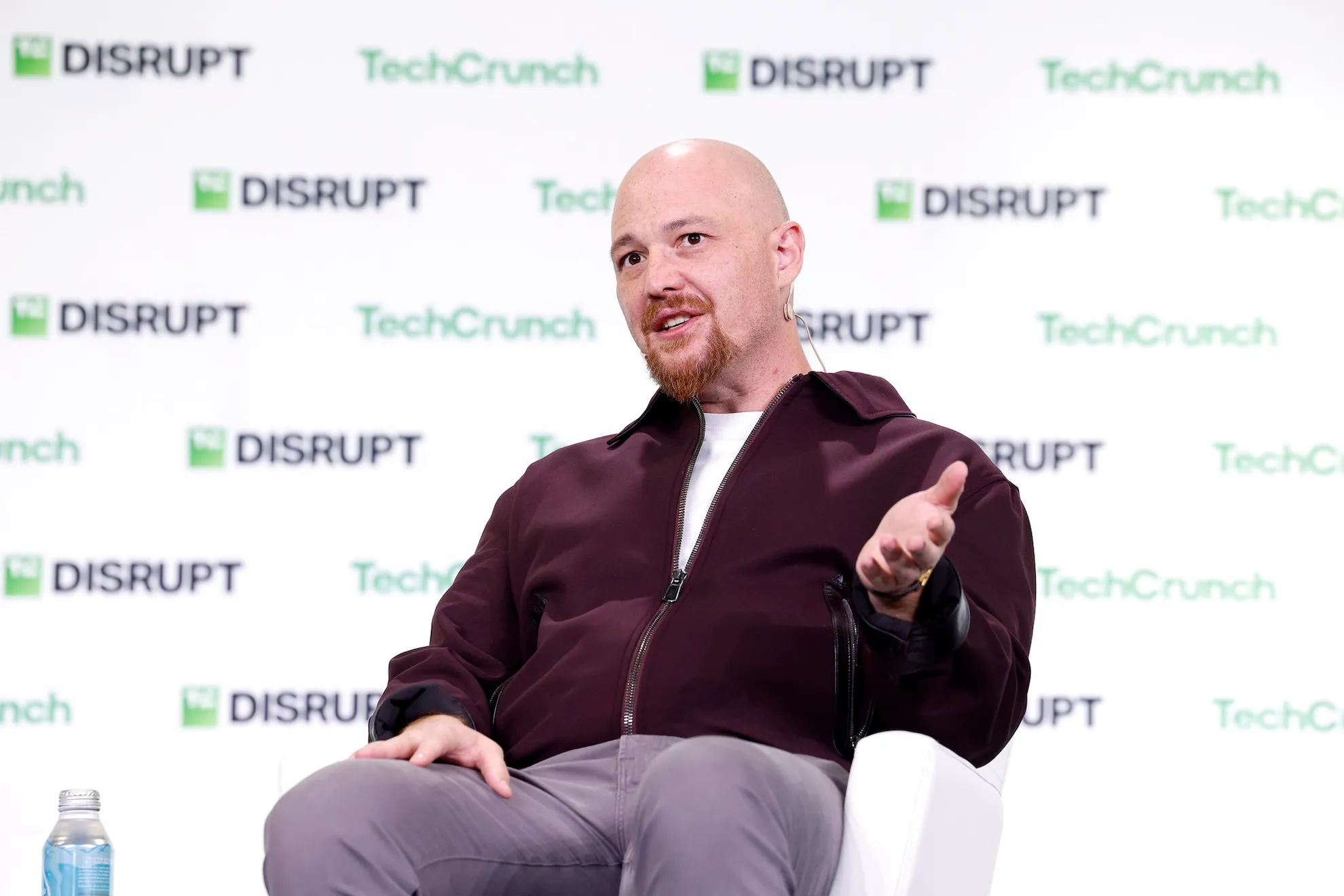
A primary catalyst for the legal action was the public justification provided by Twitch leadership regarding the platform’s decision to make AI training the default setting. During a community address, Twitch’s Chief Product Officer, Mike Minton, offered a candid explanation that many creators found dismissive. Minton stated that the decision to make the feature "opt-out" was driven by the necessity of data volume, remarking, "If it was opt-in, nobody would opt-in."
Minton further defended the move by claiming that being "on by default" is the industry standard for content services globally. While he acknowledged that the decision was "not a fan favorite" and "very upsetting to the community," he maintained that Twitch was being transparent by offering any opt-out mechanism at all. The lawsuit, however, argues that this transparency is illusory. The complaint highlights that the opt-out setting is not retroactive; any content produced and stored on the platform prior to a creator manually toggling the setting remains part of the training set. Furthermore, the setting is tied to individual channels rather than global user accounts. This means that if a streamer who has opted out appears as a guest on another creator’s stream where the setting is still enabled, their likeness and voice are still subject to AI harvesting.
Supporting Data and Technical Context
The scale of data at stake is significant. Twitch hosts millions of active streamers and hundreds of millions of monthly viewers. According to industry data, Twitch accounts for over 70% of the global market share for game-streaming platforms, generating billions of hours of video content annually. This high-density, multi-modal data (audio, video, and text) is considered "gold" for training sophisticated generative AI, such as Amazon’s "Titan" models or other large language and video models being developed under the Amazon Web Services (AWS) umbrella.
The lawsuit’s focus on "implied-in-fact" contracts draws on the long-standing relationship between Twitch and its Partners and Affiliates. These creators operate under a revenue-sharing model where they produce content in exchange for a portion of subscription and advertising fees. The plaintiff argues that using this content to build a separate, high-value AI product—without a new licensing agreement—fundamentally alters the economic terms of their relationship.
Furthermore, the legal filing points to the technical difficulty of "unlearning" data. Once a model is trained on a specific dataset, removing the influence of that data requires a costly and complex process known as "machine unlearning" or a total retraining of the model. By making the opt-out non-retroactive, the lawsuit claims Amazon is effectively "locking in" years of stolen intellectual property that will continue to inform their AI outputs indefinitely.
Official Responses and Internal Company Dynamics
As of the latest reports, neither Amazon nor Twitch has issued a formal legal response to the specific allegations in Pandiscia’s filing. However, the broader context of Amazon’s internal AI strategy provides a backdrop for these developments. Amazon has been aggressive in its pursuit of AI parity with rivals like Google and Microsoft. This push has occasionally come at the cost of internal stability.
Earlier in 2024, reports surfaced regarding "Project Trident," a generative AI-focused game development project within Amazon Game Studios. Despite the strategic importance of AI, the project was reportedly canceled during a wave of mass layoffs that affected the gaming division. This irony—laying off human developers while simultaneously harvesting human-created content to train AI that could theoretically perform their jobs—has been a recurring theme in the criticisms leveled against the company by labor advocates and creators alike.
Broader Impact and Industry Implications
The outcome of Pandiscia v. Twitch Interactive, Inc. and Amazon.com, Inc. could set a monumental precedent for the tech industry. It joins a growing list of high-stakes litigation involving AI training, including cases brought by visual artists against Stability AI and authors against OpenAI. However, the Twitch case is unique because it involves a platform-creator relationship where the platform is both the host of the content and the developer of the AI.
If the court finds that Twitch’s "opt-out" model violates California’s Unfair Competition Law, it could force a massive shift in how social media and streaming platforms handle user data. Companies might be required to implement "opt-in" hurdles, potentially starving AI models of the massive datasets they require to function effectively. Conversely, a victory for Amazon would solidify the "platform’s right" to utilize any content hosted on its servers for internal technological advancement, regardless of the creator’s specific intent.
For the streaming community, the lawsuit represents a fight for the "human element" of digital entertainment. Many creators fear that as AI models become more adept at mimicking human personalities and gaming styles, the platform that helped them build their careers will eventually use their own data to replace them with AI-generated "VTubers" or automated content streams that do not require revenue splits or health benefits.
As the case moves through the Northern District of California, legal experts will be watching closely for how the court interprets the "fair use" doctrine in the context of commercial AI training. While tech companies have historically argued that training AI is a transformative use of data, the specific contractual obligations between a platform and its monetized creators may provide the leverage needed for the plaintiffs to succeed where others have failed. For now, the "on by default" policy remains in effect, leaving thousands of creators in a state of uncertainty regarding the ultimate ownership of their digital personas.