
 George Chandra Eka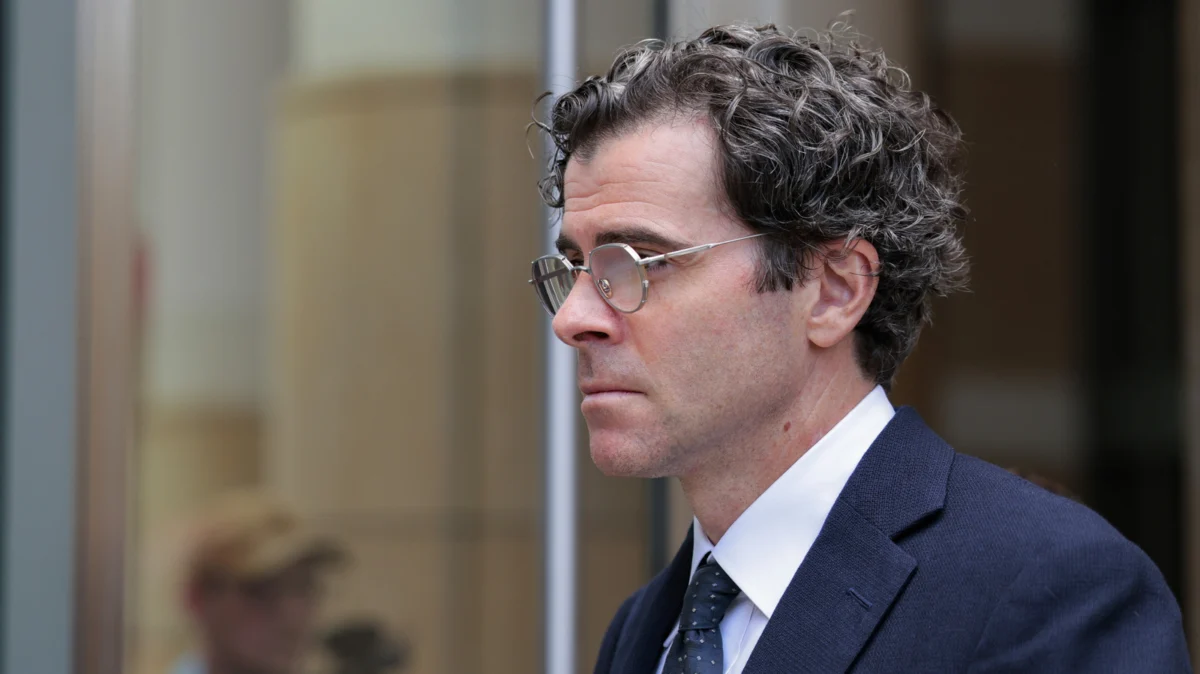
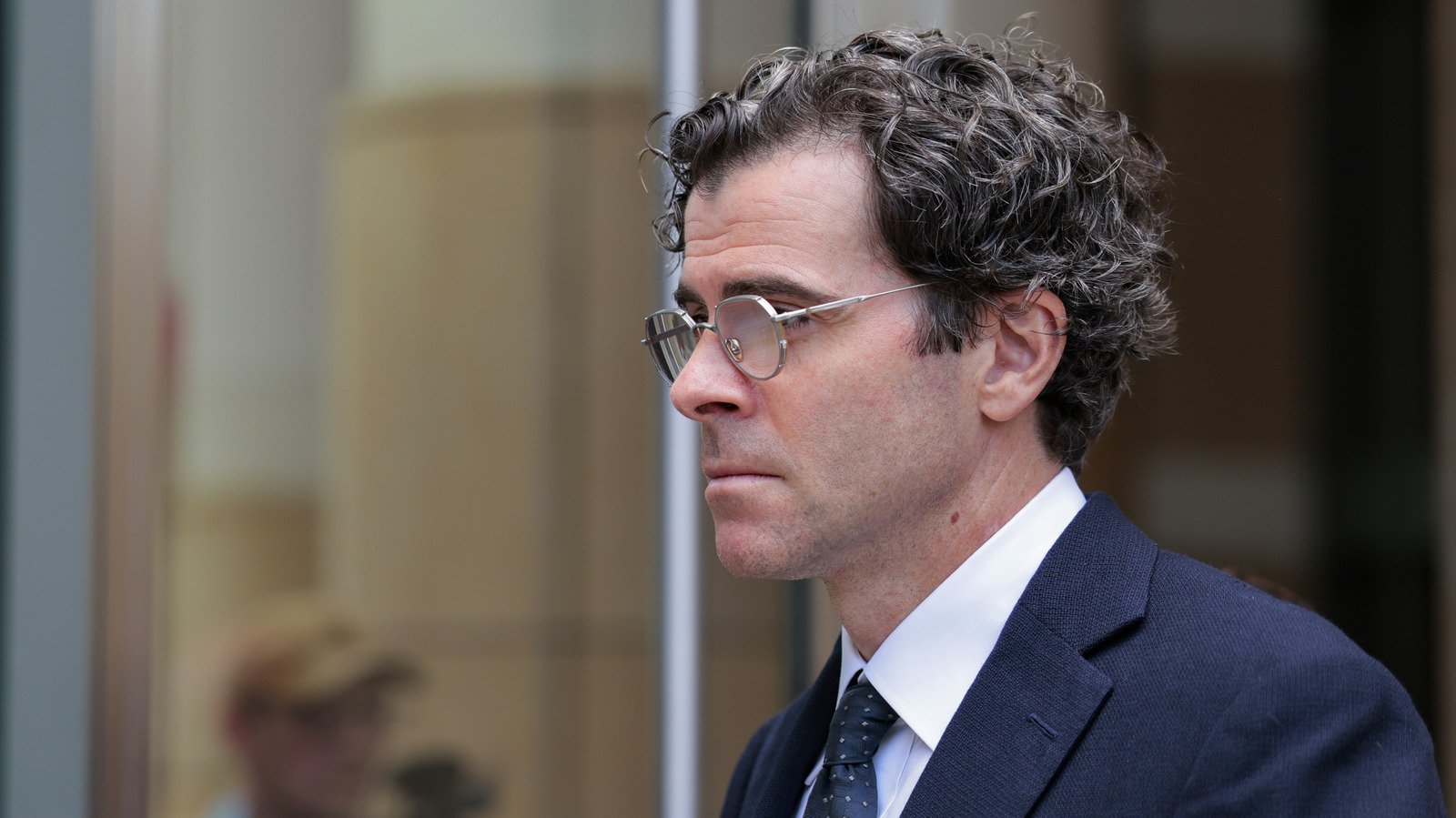
Adam Mosseri, the head of Instagram, took the stand on Tuesday as the first high-profile executive from Meta to testify in the ongoing, high-stakes trial concerning social media addiction and children’s privacy. During his testimony, Mosseri asserted that it was "news to me" that company lawyers had instructed Instagram employees to "limit" certain types of data presented to him regarding teen safety initiatives. This revelation has sent ripples through the tech industry and the courtroom, highlighting the intense scrutiny Meta faces over its platforms’ impact on young users.
The trial, initiated by attorneys general from dozens of U.S. states, accuses Meta of deliberately designing its platforms, including Instagram and Facebook, to "hook" children, despite possessing internal research indicating potential harm to young users. The legal action seeks substantial penalties, potentially reaching $1.4 trillion, and aims to compel the tech giant to fundamentally alter how its applications are designed and operated. The proceedings represent a critical juncture in the broader debate surrounding tech accountability and youth mental health.
Background to the Legal Battle: A Growing Chorus of Concern
The current lawsuit is the culmination of years of escalating concern from parents, educators, and lawmakers regarding the pervasive influence of social media on adolescents. For over a decade, studies and anecdotal evidence have suggested links between excessive social media use and negative mental health outcomes, including anxiety, depression, and body image issues, particularly among teenagers.
In recent years, these concerns intensified with leaked internal documents, most notably those provided by whistleblower Frances Haugen in 2021, often referred to as the "Facebook Files." These documents allegedly revealed that Meta (then Facebook) was aware of Instagram’s potential detrimental effects on teenage girls’ mental health but failed to adequately address them. Haugen’s revelations spurred congressional hearings, increased public pressure, and ultimately paved the way for the current wave of litigation from state attorneys general. The states argue that Meta’s business model prioritizes engagement and profit over the well-being of its youngest users, deploying sophisticated algorithms and design features to maximize screen time, thereby fostering addictive behaviors. This legal challenge is part of a wider national and international movement to regulate social media platforms more stringently, especially concerning their interaction with minors.
Testimony Highlights: Internal Data and Executive Awareness Under Scrutiny
A significant portion of Tuesday’s testimony revolved around an internal 2023 slide deck prepared by Instagram designers and other personnel for a presentation on teen safety. This document contained alarming statistics that underscored the platform’s potential hazards for young people. According to the presented evidence, content related to sensitive topics such as suicide, self-injury, and eating disorders attracted a "disproportionately large teen audience," which was reportedly two and a half times larger for teens compared to adults. Furthermore, content deemed "non-recommendable" for teens was being viewed by this demographic at a rate 1.5 times higher than by adults. These figures paint a stark picture of the content landscape for young users on Instagram and directly challenge Meta’s assertions about its safety measures.
Crucially, the trial revealed messages indicating that a company lawyer had advised Instagram employees working on this presentation to remove these specific statistics, with the stated purpose of "limit[ing]" Mosseri’s "exposure to this information." When confronted with this during his testimony, Mosseri expressed surprise, stating it was "news to me." He clarified, "I’m not a legal expert, so I’m not sure what the reasons might be for removing information from presentations before they get to me, but [I’m] not trying to encourage my team to hide anything." He elaborated on his understanding of lawyers’ roles, suggesting they ensure the accuracy of documents and compliance with the law, particularly when dealing with "legal implications of certain work." This defense implies that any such limitation of information was a legal precaution rather than an attempt to obscure data from leadership.
Adding another layer to this narrative, Francesco Fogu, Instagram’s Director of Product Design, also testified. Fogu confirmed that he was "surprised" by the lawyer’s directive to "hide data from leadership," a command he had never encountered before. Despite the initial instruction, Fogu stated he was ultimately permitted to communicate the sensitive data to Instagram’s leaders "vocally." He further added that the data remained accessible to executives as it was detailed in reports linked within the presentation itself, suggesting that the information was not entirely suppressed. During cross-examination by Meta’s lawyer, Fogu contended that the presentation was ultimately successful, serving as a "catalyst" for the subsequent creation of Instagram’s teen accounts, which incorporate enhanced safety features.
The "Take a Break" Feature Under Scrutiny: Efficacy and Adoption Rates
Another critical point of contention during the testimonies of both Mosseri and Fogu was the effectiveness and adoption rate of Instagram’s "Take a Break" feature. Introduced in 2021, this tool was designed to prompt users to pause their scrolling and step away from the app, ostensibly to combat excessive usage and promote well-being. However, internal data presented during the trial painted a grim picture of its initial impact.
According to Meta’s own data, only a meager 1.8 percent of Instagram users initially opted into the "Take a Break" feature after its introduction. The figures for teen users were even more disheartening. George Volichenko, a former data scientist at Meta who also testified, described the feature’s adoption rate among teens as "very low and disappointing" after its 2022 rollout. He cited early findings showing that only 0.165 percent of teens chose to take a 10-minute break from Instagram, a figure that later marginally increased to 0.2 percent. Volichenko candidly characterized the feature as "easy to dismiss," implying its design made it simple for users to ignore the prompts.
The feature’s apparent ineffectiveness drew sharp criticism from Judge Yvonne Gonzalez Rogers. During Fogu’s testimony, she directly questioned his lack of knowledge regarding the highest adoption rate the feature had ever achieved. "You’re the head of this and you don’t know what the highest it’s ever been?" she pressed. Fogu responded by stating, "I do not create the dashboards for collecting data. I do not read data. That’s not my job. I just trust my team." Judge Rogers retorted, "And yet, even though you have to trust them, even though you have to design things, you have no idea what those numbers are as you sit here today." This exchange underscored the court’s concern over executive oversight and the company’s commitment to the efficacy of its safety tools.
Mosseri, visibly frustrated by the persistent focus on "Take a Break," defended Instagram’s broader approach to safety. "This is one feature with a disappointingly low usage rate, which has been significantly improved," he stated. He pointed out that Instagram’s teen accounts, which are now mandatory for users under 16, have time limits enabled by default, representing a more robust and enforced safety measure. He argued against singling out one feature, emphasizing, "There are many features that are effective, there are many features that are ineffective. One in 50 people today will post a photo or a video to Instagram. That’s a 2% participation rate." This statement aimed to contextualize the "Take a Break" feature within a larger ecosystem of features, some of which are inherently low-usage but still part of the platform’s functionality. Mosseri’s defense highlighted Meta’s ongoing efforts to implement more proactive safety measures, such as mandatory time limits, which represent a shift from opt-in features to default protections for younger users.
Corporate Responses and Defense Strategy: Navigating Legal and Ethical Waters
Meta’s defense strategy throughout the trial has centered on demonstrating the company’s significant investments in safety features, content moderation, and parental controls, while also arguing that social media platforms offer substantial benefits to users, including connection and community. Lawyers for Meta have consistently argued that the company has taken proactive steps to protect younger users and that the platforms are not inherently addictive or harmful when used responsibly. They aim to portray Meta as a responsible corporate citizen that is continuously evolving its products to address societal concerns and regulatory pressures.
Mosseri’s testimony, particularly his explanation regarding legal counsel’s role, aligns with this broader defense. By stating that lawyers review material for accuracy and legal compliance, he positions the company’s internal processes as rigorous and focused on adherence to regulations. This suggests that any alleged "limiting" of data was a function of legal prudence rather than an attempt at concealment. Furthermore, the defense has highlighted features like mandatory time limits for younger teens and the evolution of parental controls as evidence of Meta’s commitment to enhancing safety. The company’s legal team is also likely to emphasize the complexity of measuring the impact of social media and the difficulty in attributing specific mental health outcomes solely to platform use, often pointing to other societal factors.
Broader Implications and Future Outlook: A Precedent-Setting Trial
The outcome of this trial carries immense implications for Meta and the wider social media industry. A verdict in favor of the states could result in financial penalties reaching an unprecedented $1.4 trillion, a sum that would significantly impact Meta’s bottom line and potentially force a re-evaluation of its operational strategies. Beyond monetary damages, the court could mandate fundamental changes to how Meta designs its apps, particularly regarding algorithmic recommendations, default settings for minors, and transparency around internal research. Such a ruling would set a powerful precedent for how technology companies are held accountable for the societal impact of their products, especially concerning vulnerable populations like children and adolescents.
The trial also serves as a potent reminder of the increasing global pressure on tech giants to prioritize user well-being over engagement metrics. Governments worldwide are exploring and implementing new regulations, such as age verification, stricter data privacy laws for minors, and requirements for platforms to conduct regular impact assessments on youth mental health. A decisive legal victory for the states in this trial could accelerate legislative efforts and embolden other jurisdictions to pursue similar legal actions.
The spotlight will now shift to Mark Zuckerberg, Meta’s CEO, who is also expected to testify in the coming weeks, along with other current and former employees. His appearance will undoubtedly be a pivotal moment, as his direct testimony will offer insights into Meta’s strategic decisions at the highest level. Mosseri’s testimony is scheduled to continue on Wednesday, with further cross-examination anticipated to delve deeper into Instagram’s internal operations, data management, and executive awareness regarding teen safety. The unfolding drama in the courtroom is not merely a legal battle but a critical examination of the responsibilities of powerful technology companies in shaping the lives of the next generation.







