Garick Elordi
Universal Pictures has finalized a comprehensive multi-year agreement with Atari and the production company Entertainment 360 to develop ten feature films based on some of the most iconic titles in the history of the video game industry. The deal, which grants Universal the rights to adapt a wide-ranging portfolio of Atari’s classic intellectual property (IP), signals a significant escalation in the entertainment industry’s pursuit of established gaming brands. Under the terms of the partnership, the studio has secured the option to create large-scale action-adventure films based on foundational arcade and console titles, including Asteroids, Adventure, Berzerk, Breakout, Centipede, Crystal Castles, Millipede, Missile Command, Pong, and Yars’ Revenge.
This collaboration marks one of the most ambitious licensing deals in the history of video game adaptations, moving beyond the traditional single-title acquisition model toward a long-term franchise strategy. Universal Pictures, which has recently seen unprecedented box-office success with gaming-related content, aims to transform these minimalist retro concepts into expansive narrative experiences designed for modern global audiences.
A Strategic Expansion into Multi-Generational Intellectual Property
The partnership comes at a time when Hollywood is increasingly looking toward the video game sector to fill the void left by the fluctuating performance of traditional comic book franchises. By securing a ten-film slate, Universal and Entertainment 360 are positioning themselves to capitalize on the nostalgia of older generations while introducing classic gaming concepts to younger demographics.
Atari, a pioneer in the interactive entertainment space, holds a library that serves as the bedrock of the medium. Wade Rosen, the Chairman and CEO of Atari, emphasized the cultural weight of the brand in a formal statement, noting that for over five decades, the company’s creations have remained embedded in the cultural consciousness. The transition to film is viewed as a natural progression for a brand that helped define the early aesthetics and mechanics of digital play.
Entertainment 360, the production arm of Management 360, will play a central role in the creative development of these projects. The first film under the new agreement is already in active development, with screenwriters Matt Reilly and Carl Hampe attached to pen the script. While the specific title for the debut project has not been publicly disclosed, industry analysts suggest that titles with inherent narrative potential, such as Missile Command or Yars’ Revenge, may be high on the priority list.
The Catalog: From Arcade Foundations to Narrative Cinema
The list of properties included in the deal represents a diverse cross-section of early gaming history. Adapting these titles presents a unique creative challenge, as many of the games from the late 1970s and early 1980s relied on abstract graphics and repetitive mechanics rather than character-driven storytelling.
- Asteroids and Missile Command: These titles carry significant potential for high-stakes science fiction and disaster narratives. Missile Command, in particular, has long been a subject of interest for filmmakers due to its Cold War-era undertones of nuclear defense.
- Centipede and Millipede: These arcade classics offer opportunities for creature-feature horror or high-octane action, revolving around the defense of a "Mushroom Kingdom" against encroaching insectoid threats.
- Adventure and Yars’ Revenge: Unlike the more abstract arcade titles, these games featured early attempts at world-building and lore. Adventure is credited with introducing the first "Easter Egg" in gaming history, while Yars’ Revenge offered a sophisticated sci-fi backstory involving an alien race’s struggle for survival.
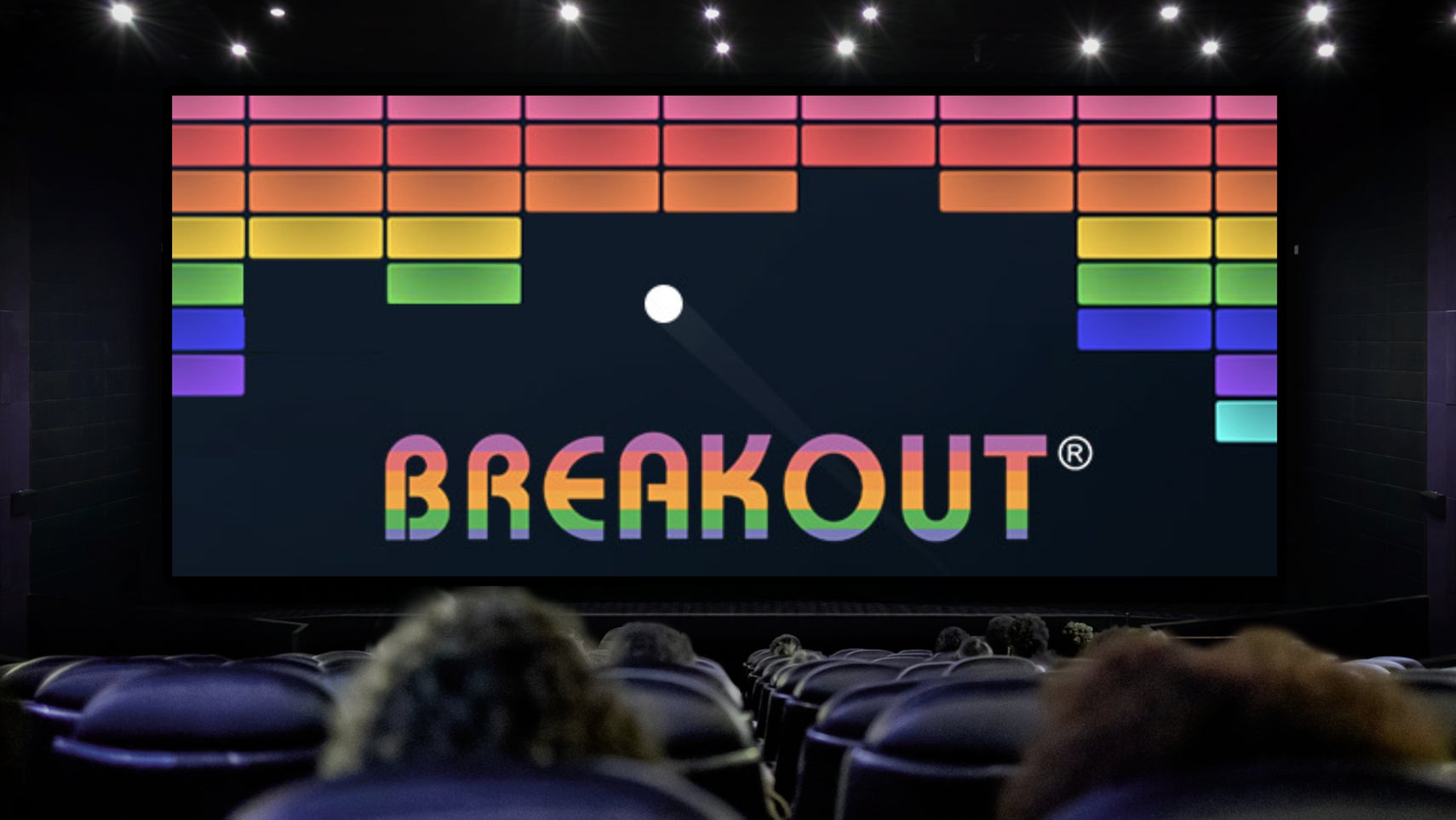
- Pong and Breakout: Perhaps the most challenging to adapt, these titles represent the minimalist origins of the industry. Industry observers suggest that these properties may be reimagined through the lens of high-stakes competition or metaphorical storytelling, similar to how other abstract brands have been successfully humanized in recent years.
The Evolving Landscape of Video Game Adaptations
Universal Pictures enters this deal with significant momentum. The studio’s recent track record with video game properties has been exceptionally lucrative. In 2023, Universal and Illumination’s The Super Mario Bros. Movie grossed over $1.36 billion at the global box office, becoming one of the highest-grossing animated films of all time. This was followed by the success of Five Nights at Freddy’s, a Blumhouse production distributed by Universal, which earned nearly $300 million on a modest $20 million budget, proving that video game adaptations can achieve high profitability across various genres and scales.
Historically, the relationship between Hollywood and the gaming industry was fraught with critical and commercial disappointments. Universal itself was involved in earlier attempts to bridge the gap, such as the 2005 adaptation of Doom and the 2016 Warcraft film. However, the current "Golden Age" of adaptations—marked by high-quality productions like HBO’s The Last of Us and Amazon’s Fallout—has demonstrated that when treated with reverence for the source material, gaming IPs can achieve both critical acclaim and massive commercial reach.
Atari’s Brand Revitalization and Licensing Strategy
For Atari, the deal with Universal is a cornerstone of a broader corporate turnaround led by Wade Rosen. Since taking the helm, Rosen has focused on consolidating the company’s legacy by acquiring retro-focused studios like Nightdive Studios and Digital Eclipse. These moves have allowed Atari to re-release high-quality versions of its back catalog, reinforcing the brand’s relevance in the hardware and software markets.
The shift toward a ten-film movie deal reflects a licensing-heavy business model designed to maximize the value of Atari’s intellectual property without the overhead of internal film production. By partnering with a major studio like Universal, Atari ensures that its properties receive the highest level of production value and global distribution. This strategy mirrors the successful IP-management tactics employed by companies like Mattel, which recently transitioned from a toy manufacturer to an "IP-first" entity following the success of the Barbie movie.
Historical Context: The Legacy of the 2600 Era
To understand the weight of this deal, one must look at the historical significance of the Atari 2600. Released in 1977, the console brought the arcade experience into the living room, effectively creating the home video game market. Titles like Asteroids and Centipede were not just games; they were cultural phenomena that defined the aesthetic of the 1980s.
The "Atari" name remains one of the most recognized brands in the world, often associated with the birth of digital entertainment. However, the company also faced the infamous video game crash of 1983, a period of industry-wide contraction caused in part by poor-quality licensed titles (most notably the film-to-game adaptation of E.T. the Extra-Terrestrial). In a poetic reversal, the current deal sees the games themselves being adapted into films, a testament to the enduring power of these early digital concepts.
Challenges in Adapting Abstract Gameplay
The primary hurdle for Universal and Entertainment 360 will be the "narrative gap." Unlike modern games like God of War or Cyberpunk 2077, which feature thousands of pages of script and cinematic performances, Atari’s classic games are purely mechanical. There is no dialogue in Pong, and there is no protagonist in Breakout.
Screenwriters Matt Reilly and Carl Hampe will likely need to employ a "conceptual adaptation" strategy. This involves taking the core theme or "vibe" of a game and building an original story around it. For example, Asteroids could become a gritty space-mining thriller, while Centipede could be a survival horror film. This approach allows for creative freedom while maintaining the brand recognition that makes the IP valuable to the studio.
Economic Outlook and Future Implications
The financial implications of this deal are substantial. In addition to box office revenue, a successful film slate provides opportunities for synergistic growth in merchandise, theme park attractions, and renewed software sales. Universal’s parent company, NBCUniversal, possesses a vast ecosystem—including Universal Studios theme parks—where Atari-themed attractions could eventually find a home.
As the first project enters the scripting phase, the industry will be watching closely to see which title leads the charge. If Universal succeeds in turning a 40-year-old arcade game into a modern blockbuster, it will set a new precedent for the "IP gold rush" currently sweeping through Hollywood. The deal underscores a fundamental shift in the entertainment landscape: in the modern era, a recognizable brand name is often considered a safer investment than an original screenplay, and few brands possess the foundational recognition of Atari.
While no release dates have been set, the ten-film commitment ensures that the Atari library will be a fixture of Universal’s production slate for the foreseeable future. The success of this venture will ultimately depend on whether the creative teams can translate the simple joy of an 8-bit experience into the complex narrative demands of the 21st-century cinema screen.