Evan Lee Salim
In a rapidly evolving software development landscape increasingly shaped by artificial intelligence, Blacksmith has announced a significant $45 million Series B funding round, positioning itself at the forefront of addressing the critical challenge of testing and validating AI-generated code. This latest investment, led by Peak XV Partners, propels the company’s valuation to an impressive $550 million, marking a substantial increase from its $60 million valuation less than a year ago. Existing investors GV and Y Combinator also participated, bringing Blacksmith’s total funding to $58.5 million and underscoring strong investor confidence in its vision and rapid market traction.
The New Imperative: Validating AI-Accelerated Code
The rise of sophisticated AI coding tools, such as OpenAI’s Codex, Anthropic’s Claude Code, and GitHub Copilot, has fundamentally transformed the pace of software development. These powerful large language models (LLMs) can generate vast quantities of code with unprecedented speed, promising to dramatically accelerate innovation cycles and boost developer productivity. However, this acceleration comes with a significant new bottleneck: ensuring the quality, reliability, and security of the AI-generated output. While AI can write code quickly, the inherent complexity of software and the nascent stage of AI’s capabilities mean that the quality of this code is far from guaranteed.
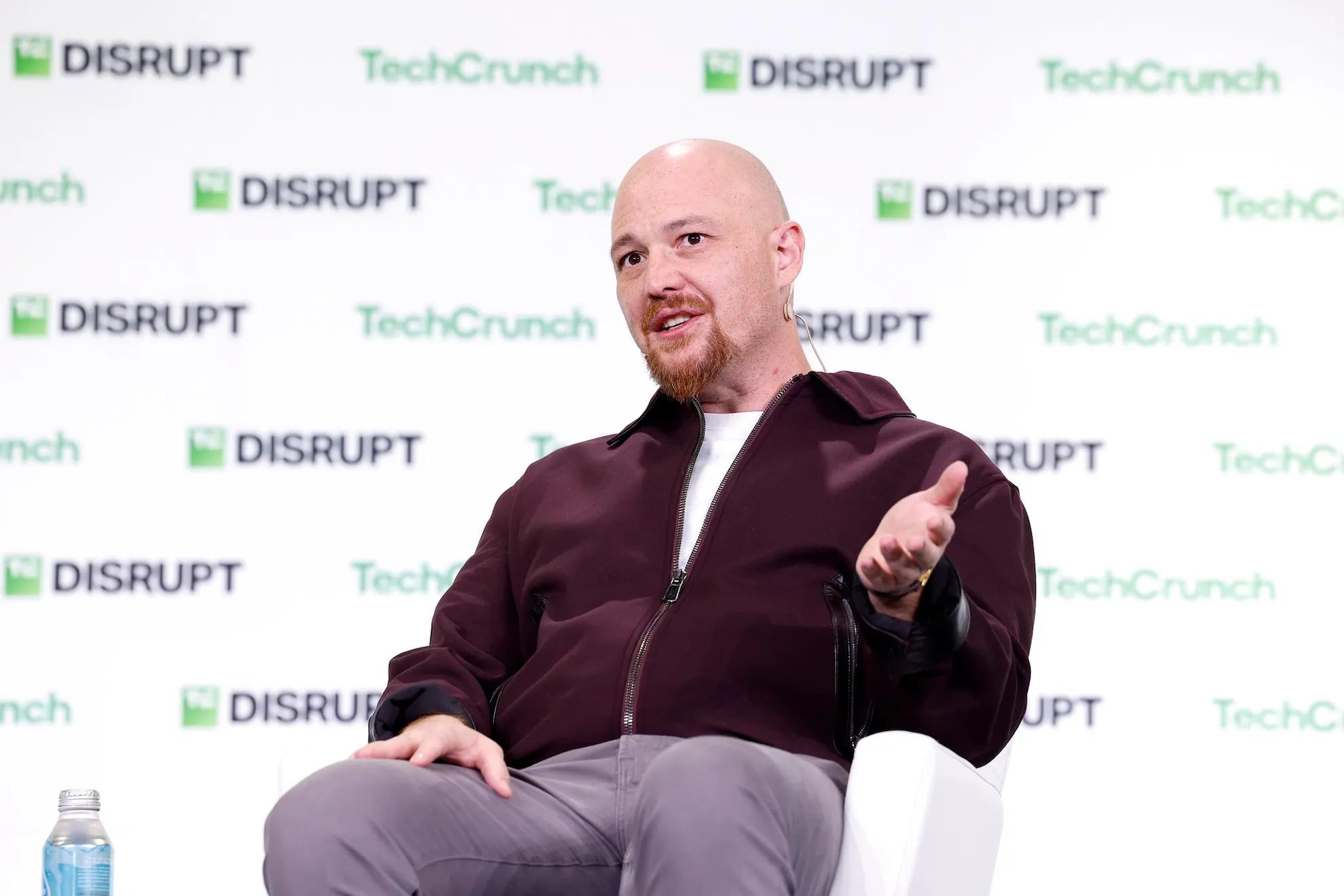
Aditya Jayaprakash, co-founder and CEO of Blacksmith, articulated this challenge in an exclusive interview: "Validating code is still a bottleneck, and it’s an even bigger bottleneck because people are writing even more." This statement encapsulates the core problem Blacksmith aims to solve. As developers leverage AI to produce more code, the existing manual and semi-automated testing processes struggle to keep pace, leading to potential delays, increased bugs in production, and heightened security risks. The traditional continuous integration/continuous delivery (CI/CD) pipelines, while essential, face immense pressure under the sheer volume of new code requiring validation. The industry consensus is clear: innovation in code generation must be matched by innovation in code validation.
Blacksmith’s Rapid Ascent and Strategic Evolution
Founded in 2024, Blacksmith quickly identified this emerging gap in the software development lifecycle. The company initially established itself as a cloud provider specializing in continuous integration (CI) workloads. This foundational service helped companies efficiently run the essential software builds and tests required to validate code before it moved into production environments. By optimizing and streamlining these critical processes, Blacksmith enabled development teams to maintain agility and quality control.
However, recognizing the escalating impact of AI on code generation, Blacksmith strategically broadened its platform. The introduction of Codesmith, an innovative AI coding agent, represents a pivotal evolution. Codesmith is designed to automatically identify and rectify failed code checks, thereby significantly reducing the manual effort and time traditionally associated with debugging and fixing issues in the CI pipeline. This integration of AI not only enhances the speed of testing but also improves the overall efficiency and reliability of the validation process, directly addressing the pain point articulated by Jayaprakash.
The company’s growth trajectory has been nothing short of meteoric. In less than a year, Blacksmith’s customer base surged from over 700 to more than 5,000. This impressive roster includes prominent names in the tech industry such as Mercury, Supabase, Clerk, Ashby, and Expensify. This rapid adoption highlights the urgent market need for Blacksmith’s solutions and the perceived effectiveness of its platform in solving complex development challenges. Jayaprakash further revealed the company’s strong financial performance, reaching a $10 million annualized revenue run rate (ARR) with a lean team of just 10 employees. Since then, the workforce has grown to approximately 30, and revenue has escalated to "tens of millions of dollars." While a specific updated ARR figure was not disclosed, the CEO noted that some of Blacksmith’s largest customers now spend over $1 million annually on the platform, indicating significant enterprise-level engagement and trust.
A Significant Investment Milestone and Investor Confidence
The $45 million Series B round led by Peak XV Partners is a testament to Blacksmith’s compelling value proposition and its potential to capture a substantial share of the burgeoning market for AI-powered developer tools. The valuation jump from $60 million to $550 million in under a year is remarkable, reflecting investor excitement about the company’s rapid growth, strategic product development, and strong leadership.
Shailendra Singh, Managing Director at Peak XV Partners, commented on the investment (inferred statement): "The advent of AI has fundamentally reshaped software development, making the validation of code an even more critical, yet challenging, endeavor. Blacksmith has demonstrated an unparalleled ability to address this bottleneck with innovative, AI-driven solutions that significantly enhance developer productivity and code quality. Their explosive growth and strong customer adoption underscore their market leadership, and we are thrilled to partner with them as they continue to define the future of software testing."
The continued participation of early investors like GV (Google Ventures) and Y Combinator further validates Blacksmith’s trajectory. Their decision to double down on their investment signals sustained confidence in the company’s long-term vision and execution capabilities, following their initial Series A investment of $10 million less than a year prior. This robust backing from top-tier venture capital firms provides Blacksmith with substantial capital to accelerate product development, expand its market reach, and scale its operations globally.
Navigating a Competitive Landscape
While Blacksmith’s progress is impressive, it operates within a highly competitive and rapidly evolving market. The landscape for developer tools, particularly those focused on CI/CD and quality assurance, is crowded with established giants, nimble startups, and open-source alternatives. Key competitors include:
- Established Cloud Providers: Amazon Web Services (AWS), Microsoft Azure, and Google Cloud all offer extensive suites of developer tools, including AI code-testing services and robust CI/CD pipelines. Their deep integrations into their respective cloud ecosystems provide a significant advantage.
- Developer Platform Giants: GitHub Actions, an integral part of Microsoft-owned GitHub, offers powerful automation and CI/CD capabilities directly within the developer’s primary workflow.
- AI-Native Coding Tools: Tools like Cursor Automations and the validation capabilities baked into OpenAI’s Codex and Anthropic’s Claude Code represent a direct challenge, as these AI assistants could potentially incorporate more robust self-validation features over time.
- Specialized Testing Startups: Numerous other startups are vying for market share, offering various solutions for static analysis, dynamic analysis, security testing, and performance testing.
Despite this intense competition, Jayaprakash remains confident in Blacksmith’s differentiation strategy. He emphasized that the startup is competing primarily on two critical fronts: the speed of testing code and affordability. In an environment where developer velocity is paramount and engineering budgets are constantly scrutinized, Blacksmith’s ability to offer faster, more cost-effective validation solutions provides a significant competitive edge. The efficiency gained from their AI-powered Codesmith agent directly contributes to both these factors, allowing companies to run more tests in less time and at a lower operational cost.
According to market research, the global market for software testing services was valued at approximately $40 billion in 2023 and is projected to grow at a compound annual growth rate (CAGR) of over 10% through 2030, driven significantly by the increasing complexity of software and the integration of AI. Within this, the segment for AI-powered developer tools and automated quality assurance is experiencing even more explosive growth, making it a prime target for innovative solutions like Blacksmith’s.
The Broader Implications for the Software Industry
Blacksmith’s success and its strategic focus on AI-driven code validation carry significant implications for the broader software development industry.
Future of Developer Workflows: As AI becomes more integrated into every stage of the development lifecycle, the role of human developers is evolving. Instead of spending excessive time on repetitive coding tasks or tedious debugging, developers can increasingly focus on higher-level architectural design, complex problem-solving, and ensuring the strategic alignment of software with business goals. Blacksmith’s tools enable this shift by automating the quality assurance burden, freeing up developer capacity for more innovative work.
Importance of Quality Assurance: The sheer volume of AI-generated code necessitates a renewed emphasis on robust quality assurance. The "garbage in, garbage out" principle applies forcefully here; without stringent validation, AI-accelerated development could inadvertently introduce more bugs, vulnerabilities, and technical debt into systems. Blacksmith’s platform highlights that quality assurance is not merely a post-development step but an integrated, continuous process essential for maintaining software integrity in the AI era.
Democratization of Advanced Testing: By offering fast and affordable testing solutions, Blacksmith potentially democratizes access to advanced quality assurance capabilities. Smaller startups and mid-sized companies, which might lack the resources or expertise for extensive manual testing, can leverage Blacksmith’s platform to ensure their software meets high standards, leveling the playing field against larger enterprises.
Looking ahead, Jayaprakash outlined Blacksmith’s ambitious plans to expand beyond its current offerings, aiming to build a broader suite of coding tools. The objective is to empower developers to write, validate, and merge software faster, creating a more seamless and efficient end-to-end development experience. This expansion could encompass areas like intelligent code review, predictive bug detection, or even AI-assisted performance optimization, further cementing Blacksmith’s position as a comprehensive partner in modern software delivery.
Challenges and Opportunities Ahead
Despite its strong momentum, Blacksmith faces several challenges. Sustaining its rapid growth in a market teeming with well-funded competitors will require continuous innovation and strategic execution. The company must also adapt to the rapidly evolving capabilities of AI itself. As LLMs become more sophisticated, they may integrate more robust self-correction and validation features, potentially shifting the competitive landscape. Blacksmith’s ability to stay ahead of these advancements and continuously enhance its AI agents will be crucial.
Moreover, while AI-driven tools offer immense benefits, the human element remains indispensable. The challenge will be to effectively integrate AI into existing developer workflows without alienating human developers or undermining their critical oversight. Blacksmith’s success will depend on its ability to build tools that augment human capabilities rather than replace them, fostering a collaborative environment between developers and AI agents.
In conclusion, Blacksmith’s recent funding round and impressive growth underscore a pivotal shift in the software development industry. As AI dramatically accelerates code generation, the bottleneck has undeniably moved to validation and quality assurance. Blacksmith, with its innovative AI-powered platform, is strategically positioned to address this critical need, promising to redefine how software is built, tested, and delivered in the age of artificial intelligence. Its journey will be a key indicator of the future trajectory for developer tools and the evolving role of AI in shaping our digital world.