Sonny Valindra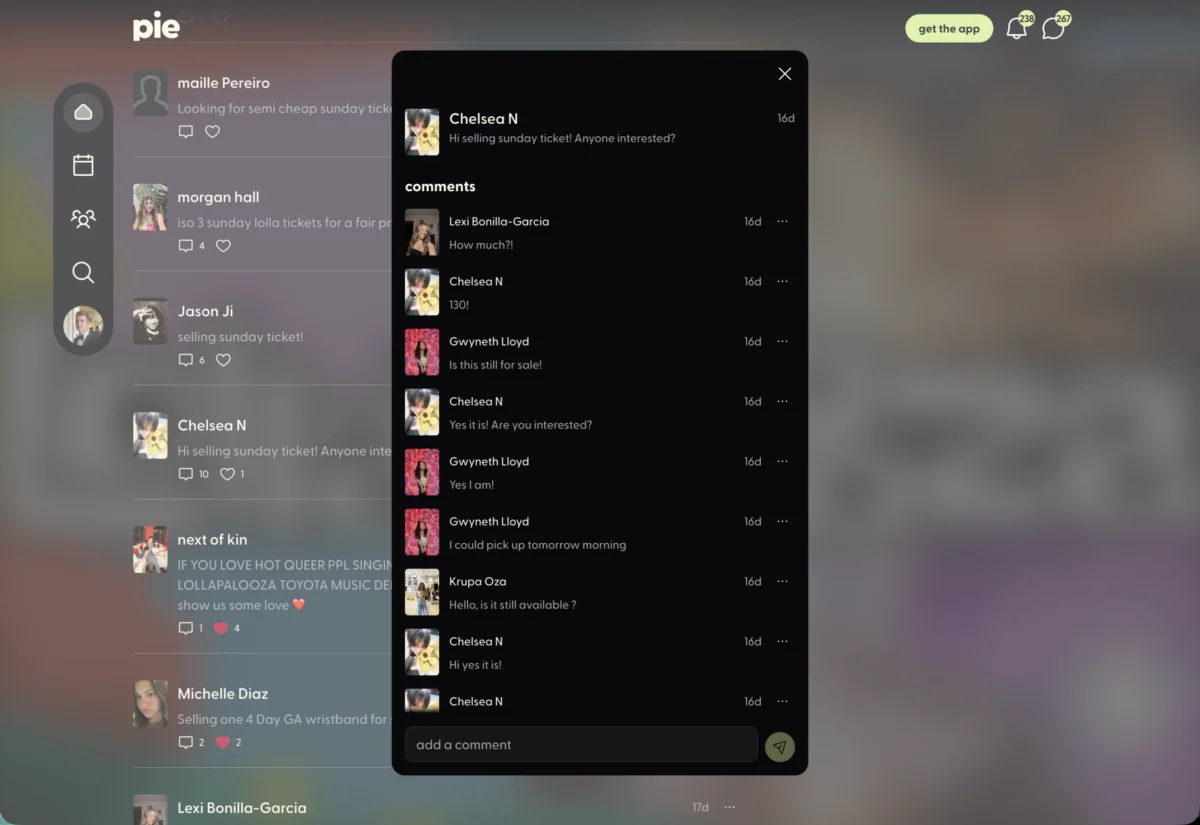
Pie, the social app founded by Bonobos co-founder Andy Dunn, is significantly evolving its platform with the introduction of "Community Homes." This new feature aims to shift the app’s focus from solely organizing events to cultivating more enduring social groups and fostering deeper, real-world connections. Launched on Tuesday, Community Homes provide users with dedicated digital spaces to establish and nurture their social circles, offering a robust alternative to the ephemeral nature of group texts and the often-fragmented experience of platforms like Facebook Groups. This strategic pivot underscores a growing societal trend, particularly among younger demographics, to leverage digital tools for more meaningful in-person interactions.
Founded originally as an events-focused app in Chicago, Pie has garnered substantial backing from prominent investors, including Forerunner, Lightspeed, and Accel, as well as angel investors like Twitter co-founder Ev Williams. The platform has since expanded its user base to approximately 300,000 individuals. The introduction of Community Homes represents a deliberate move to encourage users to build persistent social structures, where events emerge organically from established relationships rather than being the primary catalyst for interaction. This approach seeks to address the inherent limitations of event-centric platforms, which often result in fleeting connections that do not translate into lasting friendships or sustained social engagement.
The Evolution of Pie: From Events to Enduring Communities
Pie’s journey began with a clear mission: to facilitate real-world meetups. However, the app’s leadership recognized a critical gap in the digital social landscape. While numerous platforms enable the discovery of events, few effectively support the sustained cultivation of relationships that bloom from shared experiences. This observation, coupled with a broader cultural shift towards prioritizing genuine human connection in an increasingly digital world, inspired the development of Community Homes.
The current digital environment often encourages superficial interactions. Social media platforms, while connecting billions, can paradoxically lead to feelings of isolation due to the curated nature of online personas and the passive consumption of content. Pie’s evolution aims to counter this by providing a structured yet flexible environment where individuals can find and build communities around shared interests, hobbies, or simply the desire for companionship.

"We saw a need for a space where people could build genuine communities that transcend a single event," stated Andy Dunn, founder of Pie. "In a world saturated with fleeting online interactions, our goal is to empower users to create lasting bonds through shared interests and activities. Community Homes are designed to be the digital living rooms for these real-world friendships."
Community Homes: Building Digital Sanctuaries for Social Groups
The newly launched Community Homes feature offers a comprehensive suite of tools designed to facilitate group cohesion and ongoing engagement. Each "home" functions as a dedicated digital hub for a social group, complete with a persistent community feed where members can share updates, photos, and ideas. This feed serves as a central point for communication, fostering a sense of shared experience and belonging.
Beyond the community feed, these digital homes are equipped with robust group management functionalities. Organizers and administrators have access to controls for managing membership, ensuring the community remains a safe and relevant space for its members. A shareable homepage allows groups to present themselves to the wider Pie community or external networks, potentially attracting new members who share similar interests. Crucially, the platform provides event-planning resources, streamlining the process of organizing gatherings.
A key differentiator of Pie’s Community Homes is its emphasis on organic interaction. While administrators can initiate events, the platform encourages broader participation by allowing any member to post events to the group’s feed. This inclusive approach fosters a more dynamic and less hierarchical environment, promoting natural networking and serendipitous connections. This contrasts with many existing platforms where event creation is often restricted to a select few, potentially limiting the spontaneity and diversity of activities.
Fostering Spontaneity and Casual Connections
Looking ahead, Pie plans to further enhance the Community Homes experience with the addition of group chats. This will enable real-time, informal conversations, mirroring the spontaneous interactions that occur within close-knit friend groups. Furthermore, a forthcoming feature will allow members to post more casual "bids" for connection. These might include spontaneous invitations like "hang out and craft together" or "watch the Love Island reunion," without the need for a pre-defined plan or formal event. This feature is designed to capture those moments of casual desire for connection that often go unfulfilled in the current digital landscape, bridging the gap between wanting to socialize and the effort required to organize something more structured.

This strategic integration of features aims to replicate the organic social dynamics of real-world friendships, where connections can form through shared activities, spontaneous encounters, and casual conversations. By providing these tools, Pie seeks to become the go-to platform for individuals looking to build and maintain meaningful relationships outside of their immediate social circles.
Data-Driven Growth and User Engagement
Pie’s strategic shifts are informed by observable trends in user behavior and engagement. The app has already demonstrated success in refining its platform to enhance user experience and deepen connections. For instance, in December of the previous year, Pie revamped its activity feed to prioritize showcasing which existing connections would be attending an event, rather than simply listing available events. This change proved highly effective, leading to a significant increase in average time spent on the app, from two minutes to ten minutes. This data highlights a clear user preference for social discovery centered on people rather than solely on activities.
More recently, Pie introduced a "favorites" feature, enabling users to enrich their public profiles by listing their interests. This allows for greater self-expression and provides potential connection points for other users. By allowing individuals to showcase their passions and hobbies, Pie facilitates more targeted and relevant connections, increasing the likelihood of forming genuine friendships based on shared affinities.
These enhancements reflect a broader understanding of what motivates people to connect in the digital age. As younger generations, particularly Gen Z, increasingly seek authentic experiences and tangible relationships, platforms that facilitate these needs are poised for growth. The resurgence of interest in social clubs, such as run clubs and art collectives, further validates this trend.
The Inspiration Behind Pie: Combating Social Isolation
Andy Dunn’s personal experience heavily influenced the genesis of Pie. After relocating from New York City to Chicago, he encountered difficulties in establishing a social network and finding community. This firsthand struggle with urban isolation, coupled with the burgeoning cultural movement towards joining social clubs among Gen Z, provided the impetus for creating a platform that could address these challenges.

"Moving to a new city can be incredibly isolating," Dunn shared in a previous interview. "I realized that while we have so many ways to connect online, there’s a fundamental human need for genuine, in-person community. I saw trends like the rise of run clubs and other informal social gatherings, and I thought, ‘What if we could build software that supports and amplifies these movements?’"
Dunn envisions Pie as a "Reddit for IRL," a platform that aggregates and organizes real-world social opportunities. However, he and his co-founder Nadya Okamoto, who also founded the popular New York run club Zoomies, are quick to differentiate Pie from platforms like Reddit, emphasizing its commitment to fostering a positive and non-toxic environment.
"We’re aiming for the original promise of platforms like Facebook and Reddit – connection and community – but without the anonymity and negativity that can plague them," explained Nadya Okamoto, Co-founder and CMO of Pie. "Our focus is on building a strong community ecosystem first. Events then naturally emerge as a result of those established connections, rather than being the sole driver of engagement."
Market Traction and Future Outlook
While Pie is accessible globally, the app has demonstrated particular strength and traction in major metropolitan areas, including Chicago, New York, and Los Angeles. These urban centers often present a complex social landscape where individuals may struggle to find their niche or build meaningful connections amidst a large population. Pie’s focus on facilitating these connections through Community Homes is likely to resonate strongly in such environments.
The company’s strategy to evolve from an event-discovery tool to a community-building platform represents a significant bet on the enduring human desire for belonging and genuine social interaction. By providing the digital infrastructure for these communities to form and flourish, Pie aims to become an essential tool for navigating the complexities of modern social life and fostering a more connected and less lonely world. The success of Community Homes will likely be measured not just by user acquisition and app engagement metrics, but by the tangible, real-world friendships and communities that it helps to create. This focus on qualitative impact, driven by quantitative data, positions Pie as a compelling player in the evolving landscape of social technology.