Metty Iskandar
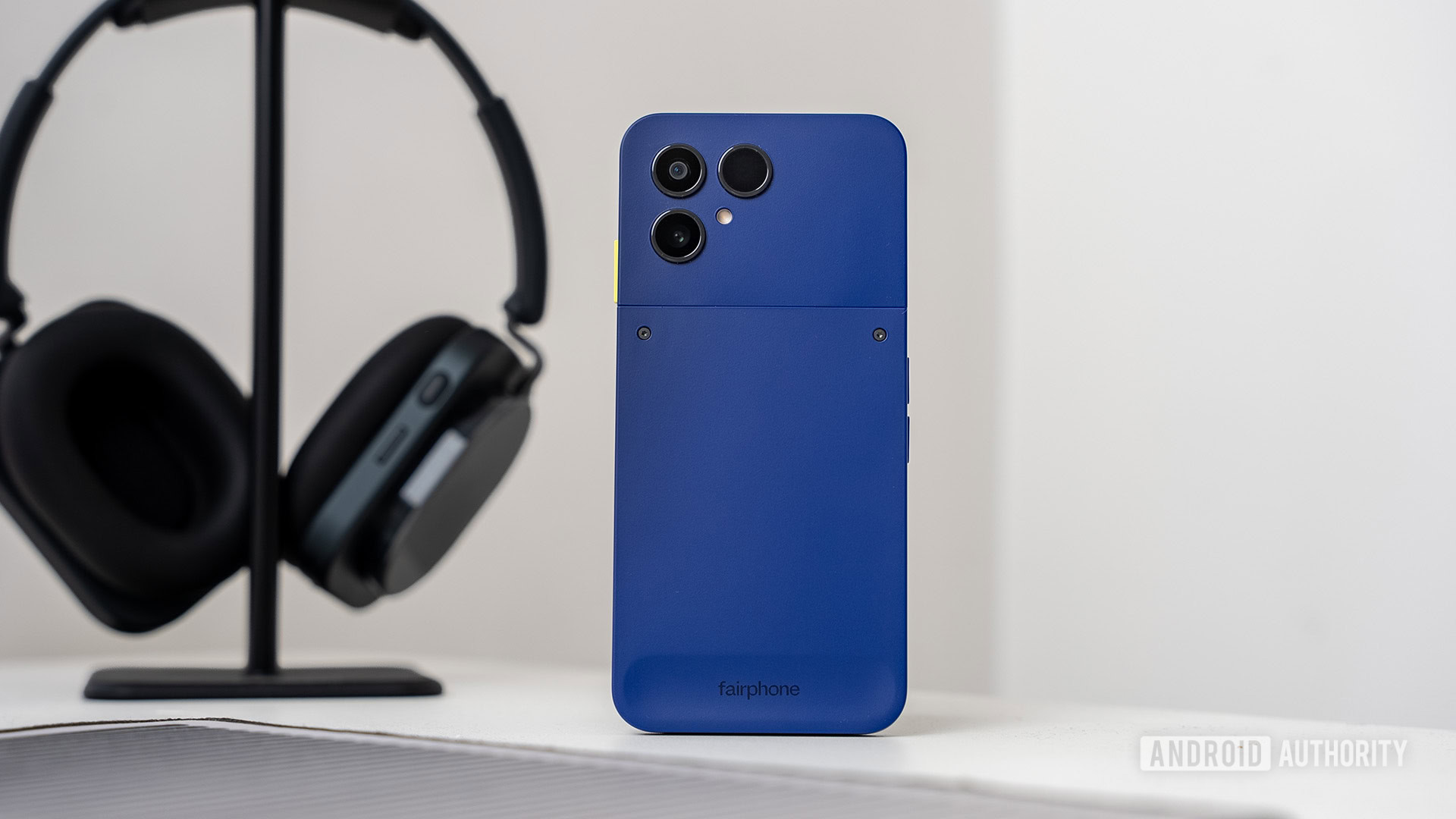
The Fairphone Gen 6 Plus has landed in the United States, marking a significant step for the company in bringing its uniquely repairable and ethically sourced smartphones to a wider American audience. In a recent poll conducted by Android Authority, readers overwhelmingly endorsed the device, with 91.5% of over 1,500 respondents deeming the Fairphone Gen 6 Plus "hot." This decisive verdict underscores a growing consumer appetite for sustainable technology and a departure from the disposable nature of many modern electronic devices.
A New Era for Fairphone in the US
This launch is particularly noteworthy as it represents Fairphone’s direct engagement with the US market, bypassing previous distribution channels like Murena. The Gen 6 Plus arrives running the standard, Google-equipped version of Android, a move designed to simplify adoption for American consumers accustomed to the familiar ecosystem of Google apps and services. Priced at $649, the device positions itself not as a spec-warrior, but as a pragmatic solution for users prioritizing longevity and user-serviceability. The core appeal lies in its modular design, which allows for the replacement of up to 12 components with a simple screwdriver, including critical elements such as the battery, display, cameras, and USB-C port. While the upgrades from its predecessor, the regular Fairphone Gen 6, are described as modest, the overall package has clearly resonated with a segment of the tech-savvy public.
Repairability: A Resurging Consumer Demand
The resounding success of the poll can be attributed to a confluence of factors, chief among them being the increasing awareness and demand for repairable electronics. The era of easily swappable batteries, once a common feature exemplified by devices like the Samsung Galaxy S5, seems to be making a comeback, albeit through a more sophisticated and intentional design philosophy. Fairphone has been at the forefront of this movement, advocating for a circular economy in electronics where devices are built to last and be repaired, rather than discarded after a few years.
This sentiment was previously echoed in an earlier Android Authority article discussing the Fairphone Gen 6. A poll conducted at that time identified repairability as the second-most significant factor influencing consumers’ decisions to deviate from major smartphone brands. The Gen 6 Plus’s direct-to-consumer approach in the US, coupled with its familiar Android operating system, appears to have effectively addressed previous barriers to entry, making it a more compelling proposition for American buyers.
Community Voices: Praises and Persistent Concerns
While the poll results are overwhelmingly positive, a closer examination of reader comments reveals a nuanced perspective, highlighting both strong support and lingering reservations. The absence of a 3.5mm headphone jack was a recurring point of contention. Reader "Dooglehead" explicitly labeled it a "deal breaker," a sentiment echoed by "Changhaitravis," who stated, "if only it had a 3.5mm headphone jack and FM radio built in, i woulda bought one near instantly." These comments suggest that while repairability is highly valued, the inclusion of traditional, beloved features remains a significant consideration for many potential buyers.
Conversely, some comments offered a counterpoint to the emphasis on repairability, particularly from users who feel modern smartphones already possess sufficient longevity. "Kameljoe21" argued that replaceable parts address a problem that "most people won’t have" due to the extended lifespan of current devices. This perspective suggests that the perceived need for extensive repairability might not be universal, especially for users who upgrade their devices less frequently or are content with the durability of mainstream offerings.
Offering a balanced viewpoint grounded in personal experience, "Secureopensource" shared, "I love the idea of the fairphone, I’m using one to send this comment," but expressed reservations about the Gen 6 hardware not sufficiently justifying the premium price point for them. This highlights the ongoing challenge for Fairphone: balancing its ethical and sustainable mission with the competitive landscape of smartphone hardware and pricing.
Fairphone’s Ethical Foundation and Market Impact
Fairphone’s commitment extends beyond mere repairability. The company meticulously sources conflict-free minerals and prioritizes fair labor practices throughout its supply chain. This ethical foundation is a significant differentiator in an industry often criticized for its environmental impact and labor conditions. By making these principles more accessible in the US, Fairphone is not only offering a product but also a statement about responsible consumerism.
The success of the Gen 6 Plus in the US market could have broader implications for the smartphone industry. It signals that there is a viable and growing market segment willing to support companies that prioritize sustainability and ethical production. This could encourage other manufacturers to re-evaluate their own practices and explore more environmentally conscious design choices. The long-term software update policy, with a commitment to at least six OS upgrades extending to 2033, further reinforces the device’s intended longevity, directly countering the planned obsolescence prevalent in the industry.
Future Outlook and Industry Trends
The overwhelming positive reception for the Fairphone Gen 6 Plus in the US poll is a clear indicator that consumers are increasingly seeking alternatives to the status quo in the smartphone market. The desire for devices that are not only functional but also ethical, sustainable, and user-repairable is gaining momentum. While challenges remain, particularly in matching the raw performance of flagship devices from larger competitors at a similar price point, Fairphone’s strategy of focusing on these core values appears to be resonating deeply.
As the technology sector grapples with its environmental footprint and the growing issue of electronic waste, Fairphone’s approach offers a compelling model for the future. The Gen 6 Plus’s strong debut suggests that the demand for repairable, ethically produced technology is not a niche concern but a significant and growing trend that could shape the direction of the industry in the years to come. The company’s direct presence in the US market is a critical step in empowering consumers to make more conscious choices about their technology consumption.
The journey from the easily disassembled Samsung Galaxy S5 to the modular Fairphone Gen 6 Plus represents a significant evolution in the concept of user repairability. While the market has largely shifted towards sealed unibody designs, Fairphone’s persistent dedication to this philosophy, now more directly accessible to American consumers, has clearly struck a chord. The 91.5% approval rating in the recent poll is not just a statistic; it’s a powerful affirmation of a consumer desire for technology that aligns with values of sustainability, longevity, and user empowerment. As the electronics industry continues to face scrutiny regarding its environmental impact and ethical considerations, Fairphone’s success with the Gen 6 Plus in the US could serve as a powerful catalyst for broader change, encouraging a more responsible and repair-focused future for mobile devices.