Garick Elordi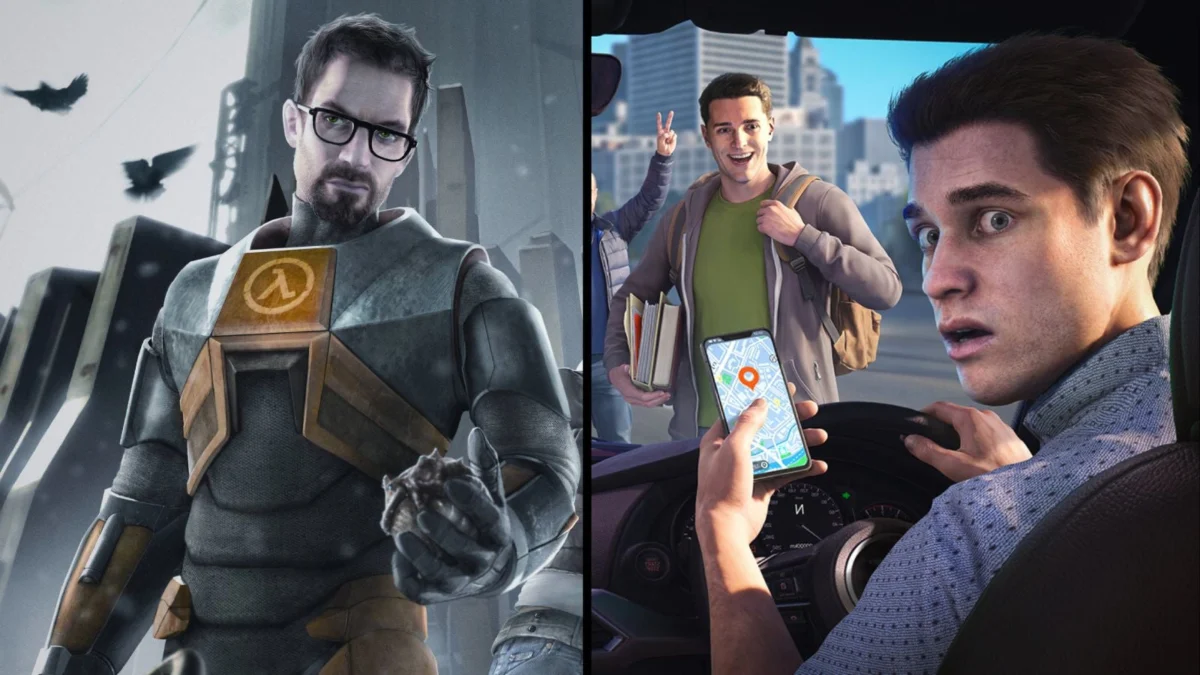
The burgeoning role of generative artificial intelligence in video game development has reached a critical inflection point, as Saber Interactive, one of the industry’s most prolific developers and publishers, defends its experimental use of the technology while acknowledging a profound disconnect between consumer sentiment and technological evolution. In a series of recent disclosures and executive statements, the company has positioned itself at the center of a sector-wide debate regarding the ethical, creative, and commercial viability of AI-driven tools. This discourse follows a period of internal and external friction, highlighting the complexities of integrating "disruptive technology" into high-stakes AAA game production.
The Rideshare Simulator Controversy and the Genesis of the AI Debate
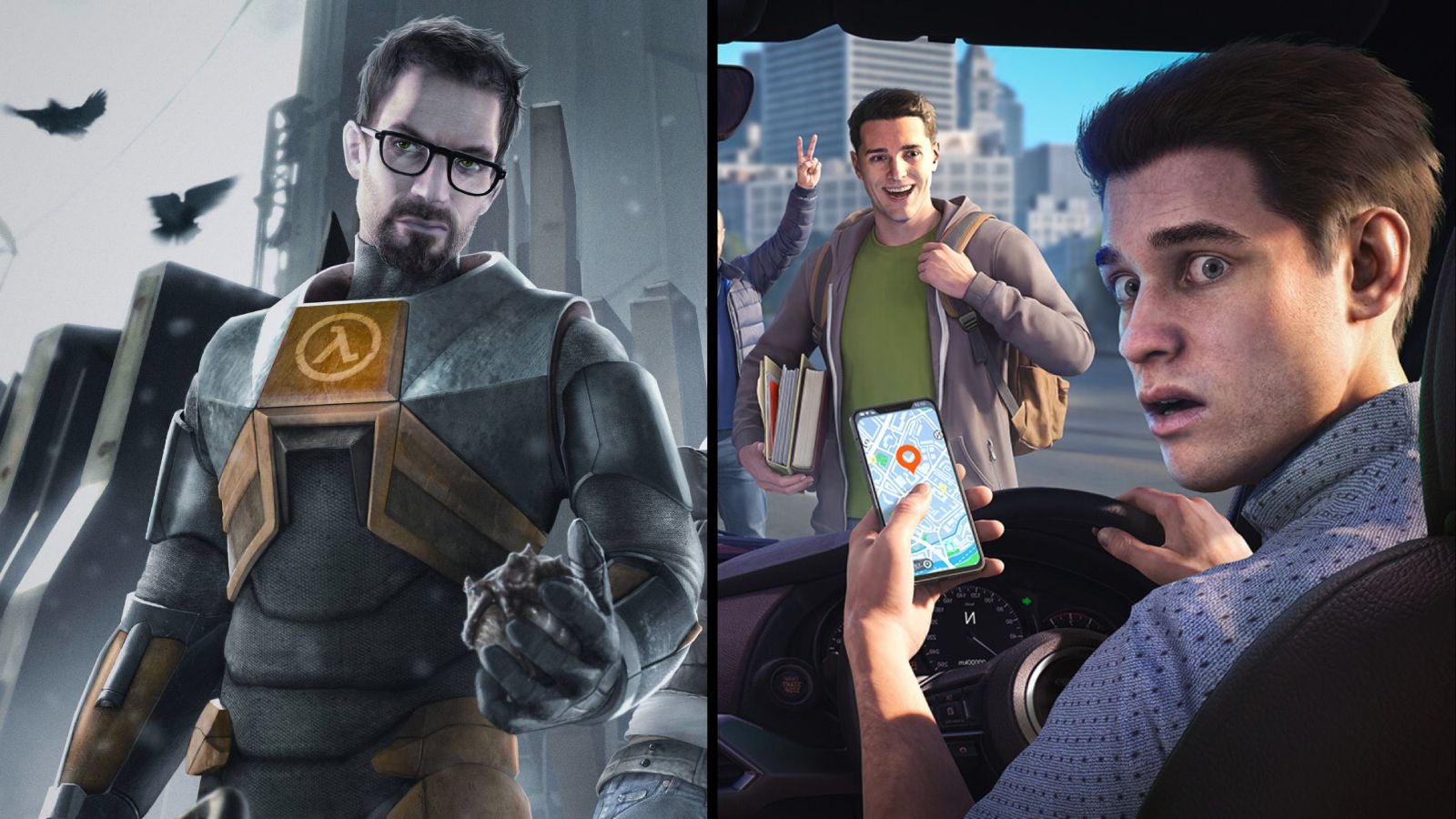
The current scrutiny of Saber Interactive’s AI strategy originated with the release of Rideshare Simulator, a title developed by a smaller team within the company’s vast global network. The game, which tasks players with managing an app-based taxi service, became a lightning rod for criticism when it was revealed that generative AI had been utilized for various assets. The situation escalated into a public confrontation between Saber Interactive’s co-founder and CEO, Matthew Karch, and a former employee. The dispute centered on the transparency of AI implementation and the potential displacement of human creative roles.
In the aftermath of the controversy, Karch issued a formal apology for the nature of the exchange and moved to rectify transparency concerns. Saber Interactive updated the game’s Steam store page to include comprehensive AI disclosure labels, as mandated by Valve’s evolving platform policies. According to these disclosures, Rideshare Simulator employs generative AI for voice acting, localization, and the creation of music for in-game radio stations. Furthermore, the game features an optional "Free Ride" mode where AI dynamically generates missions and localized dialogue, representing a significant departure from traditional, scripted narrative structures.
Executive Perspectives: The Search for the Half-Life 2 of AI
Speaking at Gamescom, Saber Interactive’s Chief Creative Officer, Tim Willits—a veteran of the industry known for his tenure at id Software—articulated the company’s cautious but curious stance. Willits characterized the current era of generative AI as a period of experimentation, suggesting that the industry has yet to find a "killer app" or a definitive use case that justifies widespread adoption across major franchises.
"We are experimenting with it," Willits stated, referring to Rideshare Simulator. "We don’t as an industry really know how it fits, and consumers don’t really know what they want or they don’t want, so it’s kind of like a disruptive technology that society has seen for a long time."
Willits drew a historical parallel to the launch of Steam, Valve’s digital distribution platform. He noted that initial consumer reactions to Steam were overwhelmingly negative, with many users resistant to installing what they perceived as intrusive software. However, the platform eventually became the industry standard. Willits posited that the gaming world is currently waiting for the "Half-Life 2 of AI"—a reference to the 2004 masterpiece that revolutionized physics and narrative in gaming—which would demonstrate the technology’s potential in a way that shifts public perception from skepticism to acceptance.
Corporate Strategy and Risk Mitigation in AAA Development
Despite the experimentation within Rideshare Simulator, Saber Interactive maintains a bifurcated approach to AI integration. The company, which oversees 15 studios worldwide and manages high-profile projects such as Warhammer 40,000: Space Marine 2 and the highly anticipated Star Wars: Knights of the Old Republic remake, has not yet implemented generative AI as a standard across its entire portfolio.
Willits emphasized that the company’s primary AAA projects remain insulated from the risks associated with unproven AI tools. "You don’t want to risk it on something big, because there’s risk there, but somebody will," Willits remarked. This "small-scale first" strategy allows Saber to test the waters of dynamic mission generation and AI-assisted localization without jeopardizing the brand integrity or the massive financial investments required for titles like the upcoming John Wick action game, the Jurassic Park: Survival project, or the Turok and Hellraiser revivals.
CEO Matthew Karch echoed this sentiment in a public reflection on the Rideshare backlash, asserting that while industry shifts are uncomfortable, the pursuit of innovation is a corporate necessity. Karch argued that the focus should remain on leveraging new tools to create superior player experiences while thoughtfully adapting the workforce for a future where AI is a standard component of the development pipeline.
The Broader Industry Context: A Divided Landscape
Saber Interactive is not alone in its exploration of generative AI, nor is it the only entity facing significant pushback. The industry is currently divided between studios embracing the efficiency of AI and those pledging to remain "AI-free."
- Panache Digital Games: Patrice Désilets, the creator of Assassin’s Creed, revealed that his studio used AI tools during the development of 1666: Amsterdam, arguing that AI is already ubiquitous in modern life and development environments.
- Owlcat Games: The developers of Warhammer 40,000: Rogue Trader utilized AI for certain aspects of The Expanse: Osiris Reborn, citing the need for scale in massive RPG environments.
- Larian Studios: The developers of the critically acclaimed Baldur’s Gate 3 briefly experimented with AI for concept art but ultimately shifted away from the technology for their future projects, emphasizing a commitment to human-driven artistry.
- Rebel Wolves: Konrad Tomaszkiewicz, director of The Witcher 3, has expressed a measured interest in how AI might enhance the development of The Blood of Dawnwalker, though he remains focused on the necessity of human creative oversight.
Conversely, a growing movement of independent and mid-sized studios has signed public pledges to avoid generative AI entirely. These developers cite concerns over the "black box" nature of AI training models and the potential for copyright infringement.
Environmental and Ethical Data Points
The controversy surrounding AI in gaming is inextricably linked to broader societal concerns regarding the technology’s footprint. Investigative reports and environmental data have highlighted the significant costs associated with training the Large Language Models (LLMs) that power generative tools.
- Energy Consumption: Recent reports indicate that Microsoft-backed datacenters have, in some instances, utilized unlicensed gas generators to meet the immense power demands of AI processing. The carbon footprint of a single AI-generated image or dialogue sequence can be significantly higher than traditional digital creation methods.
- Resource Scarcity: The global demand for high-end GPUs (Graphics Processing Units) required for AI training has contributed to component scarcity, impacting both the pricing of consumer hardware and the operational costs for game studios.
- Data Ethics: A 2024 investigation by 404 Media revealed that entities like Amazon have been involved in the wholesale scanning of books—sometimes exploiting legal loopholes—to train AI models. This has fueled the "copyright and plagiarism" concerns cited by many artists in the gaming industry.
Analysis of Implications: The Future of the Creative Workforce
The integration of AI into Saber Interactive’s workflow reflects a fundamental shift in the labor economics of game development. While executives like Willits and Karch frame AI as a tool for innovation, labor unions such as SAG-AFTRA have expressed alarm over the potential for AI to replace voice actors and motion capture performers. The recent strikes in the voice acting sector were driven primarily by the demand for protections against the unauthorized use of an actor’s likeness or voice to train generative models.
From a technical standpoint, the "Half-Life 2 of AI" that Willits envisions would likely involve sophisticated, real-time procedural generation that goes beyond simple asset creation. It would involve NPCs (non-player characters) capable of true contextual understanding and environmental interactions that are not pre-programmed. However, the "uncanny valley" effect and the unpredictable nature of AI outputs remain significant hurdles for narrative-heavy games where consistency is paramount.
Chronology of Recent Events
- August 2024: Rideshare Simulator launches on Steam, drawing immediate criticism for its use of AI assets.
- August 2024: Public dispute between Matthew Karch and a former employee regarding AI transparency.
- Late August 2024: Saber Interactive updates Steam disclosures and Karch issues a formal apology/statement on innovation.
- September 2024: Tim Willits clarifies Saber’s broader AI policy at Gamescom, emphasizing that AI is not currently used in major AAA projects like Space Marine 2.
- Present: Saber continues development on its diverse roster of upcoming titles, with Rideshare Simulator serving as the primary testbed for future AI implementation strategies.
Conclusion: A Measured Evolution
Saber Interactive’s current position is one of "watchful experimentation." By confining AI usage to smaller, niche titles like Rideshare Simulator, the company is attempting to harvest the benefits of technological efficiency while insulating its most valuable intellectual properties from the current wave of consumer and ethical backlash.
The search for the "Half-Life 2 of AI" continues, but as Tim Willits noted, the industry is still in the "early Steam" phase of this transition. Whether generative AI becomes an indispensable cornerstone of game development or remains a contentious peripheral tool will likely depend on the next few years of refinement, legal precedents regarding training data, and the ability of developers to prove that AI can enhance, rather than diminish, the human element of interactive storytelling. For now, Saber Interactive remains committed to its 15-studio global output, balancing the traditional craftsmanship of titles like Space Marine 2 against the unpredictable frontier of AI-driven simulation.