Galang Taruna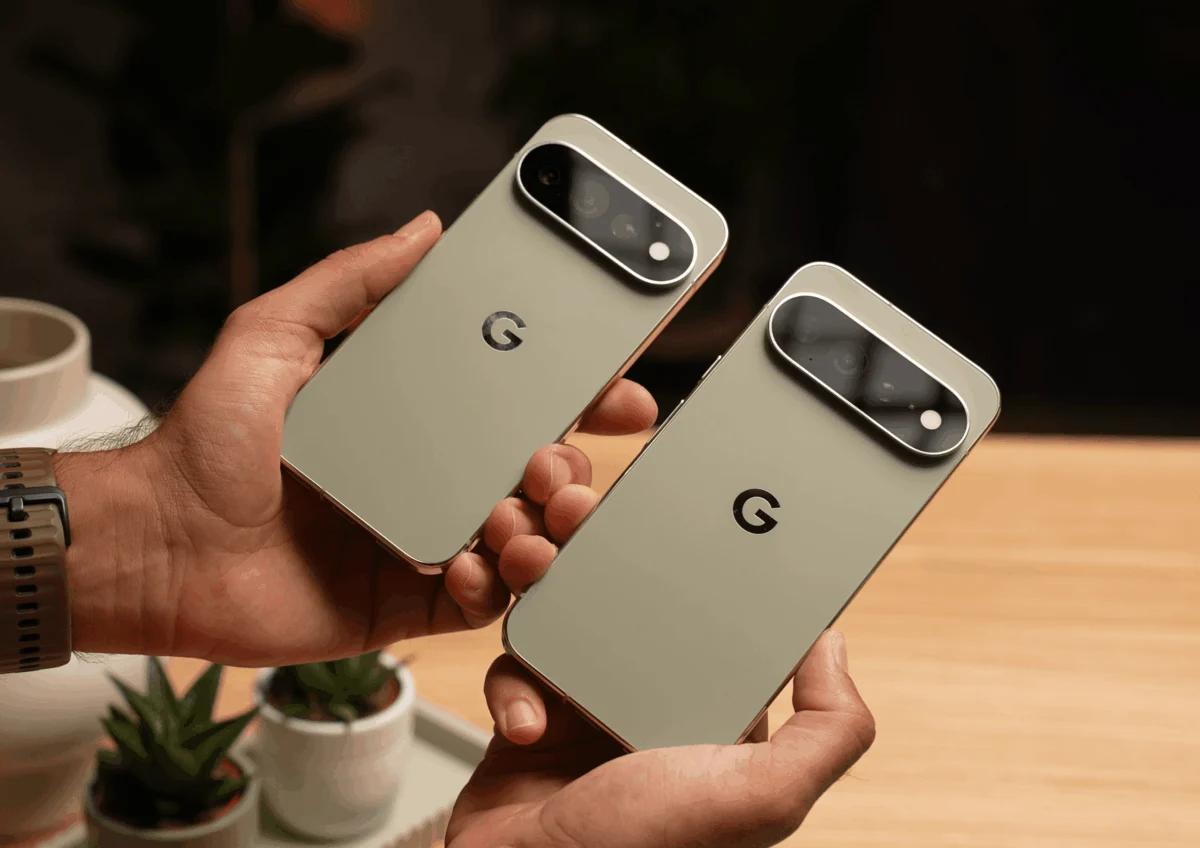
Google’s latest flagship smartphone, the Pixel 11 Pro XL, has arrived with ambitious claims regarding its charging capabilities, promising users a rapid 75% battery charge in just half an hour. However, this headline feature, dubbed "Extreme Charging Mode," is reportedly failing to activate consistently for a significant number of users and reviewers, casting a shadow over what should be a key selling point for the premium device. The issue, which appears to be a software-related inconsistency, has left early adopters grappling with slower-than-advertised charging speeds and a lack of clarity surrounding the mode’s activation.
The Promise Versus the Perplexing Reality
At its core, the Google Pixel 11 Pro XL, alongside its sibling the Pixel 11 Pro, boasts a wired charging capacity of up to 45 watts. This theoretical maximum mirrors that of its predecessor, the Pixel 10 Pro XL. Despite identical peak wattage, Google has marketed a slight improvement in charging efficiency for the new generation, claiming a 75% charge in thirty minutes, a modest but notable upgrade from the 70% achieved by last year’s model within the same timeframe. This enhanced performance is attributed to the introduction of the "Extreme Charging Mode," a new software feature exclusive to the Pixel 11 series.
In principle, "Extreme Charging Mode" is designed to optimize charging speed by allowing the device to generate more heat and, crucially, by temporarily throttling its processor. This strategic reduction in computational load is intended to direct more power efficiently to the battery, thereby accelerating the charging process. Google’s official support documentation outlines specific prerequisites for the mode’s activation: the device’s battery must be below 50% charge, and it must be connected to a charger delivering at least 30 watts. Furthermore, users are instructed to manually enable the feature within the device’s settings. These conditions, while seemingly straightforward, have not guaranteed consistent functionality for many.
Widespread Reports of Activation Failures
Initial reviews and early user experiences have quickly revealed a troubling disparity between Google’s promises and the practical application of "Extreme Charging Mode." During a test conducted by Frandroid, the feature initially refused to engage, only to mysteriously begin working later. This pattern of intermittent or delayed activation has been echoed across the tech community. Robert Triggs of Android Authority reported a more persistent problem, noting that the "extreme charging" options remained grayed out and inaccessible despite his Pixel 11 Pro XL being fully updated. This suggests a deeper software-level glitch rather than mere user error or incorrect settings.
The problem appears to be more widespread than isolated incidents. Numerous online forums and discussions are replete with similar complaints from users experiencing the same difficulties. A second Pixel 11 Pro XL unit tested by Android Authority corroborated these findings, exhibiting the same erratic behavior. Intrigued by the inconsistency, reviewers observed a peculiar trend: the setting for "Extreme Charging Mode" would inexplicably become available after several days of regular use, without any clear logical trigger or explanation. This suggests a potential adaptive learning mechanism that is either poorly implemented or subject to unforeseen delays, leading to considerable user frustration during the critical initial days of device ownership. For affected users, the current unofficial advice is to simply exercise patience, an unsatisfactory workaround for a flagship feature. This situation highlights a critical flaw in the device’s initial software release, underscoring the need for a prompt official patch from Google.
The Nuances of 45-Watt Standard Charging
Beyond the "Extreme Charging Mode" debacle, the standard 45-watt wired charging also presents its own set of intricacies and potential pitfalls for consumers. Achieving the advertised peak charging rate is contingent upon using a specific type of charger: one that is USB-C Power Delivery (PD) compatible and, crucially, supports the Programmable Power Supply (PPS) protocol at 21 volts and 2 amperes. The PPS standard is a sophisticated technology that allows the charger to dynamically adjust voltage and current in real-time, optimizing power delivery while meticulously managing thermal output to prevent overheating.
The challenge arises because many seemingly robust and high-wattage USB-C chargers, even those exceeding 45W, do not fully comply with these precise PPS specifications. A common limitation among many third-party charging blocks is their tendency to cap PPS output at 11 volts. This seemingly minor difference has significant implications for charging performance. During Android Authority‘s testing, a 67-watt charger, theoretically more than capable, only delivered approximately 25 watts to the Pixel 11 Pro XL due to this incompatibility. This illustrates a critical knowledge gap for consumers, who might mistakenly assume any high-wattage USB-C PD charger would suffice.
When the correct accessory – one fully compliant with the 21V/2A PPS protocol – was employed, the device demonstrated a peak charging rate of 40.7 watts during the initial nine minutes of charging. While slightly below the advertised 45 watts, this is a tangible improvement over the 35 watts observed in the preceding two generations of Pixel phones. This detail underscores the importance of not just the charger’s wattage, but also its adherence to specific voltage and amperage profiles dictated by the device manufacturer.
Comparative Charging Performance and Battery Evolution
Despite these activation hurdles and specific charger requirements, the overall charging times for the Pixel 11 Pro XL do show some modest improvements over its predecessor. The Pixel 11 Pro XL reaches a 50% charge in approximately 21 minutes, shaving off about two minutes compared to the Pixel 10 Pro XL’s 23 minutes. The 75% mark is achieved in 35 minutes, an improvement of five minutes over the older model’s 40 minutes. A full charge from empty now takes roughly 69 minutes, a respectable reduction from the 81 minutes required by the Pixel 10 Pro XL.
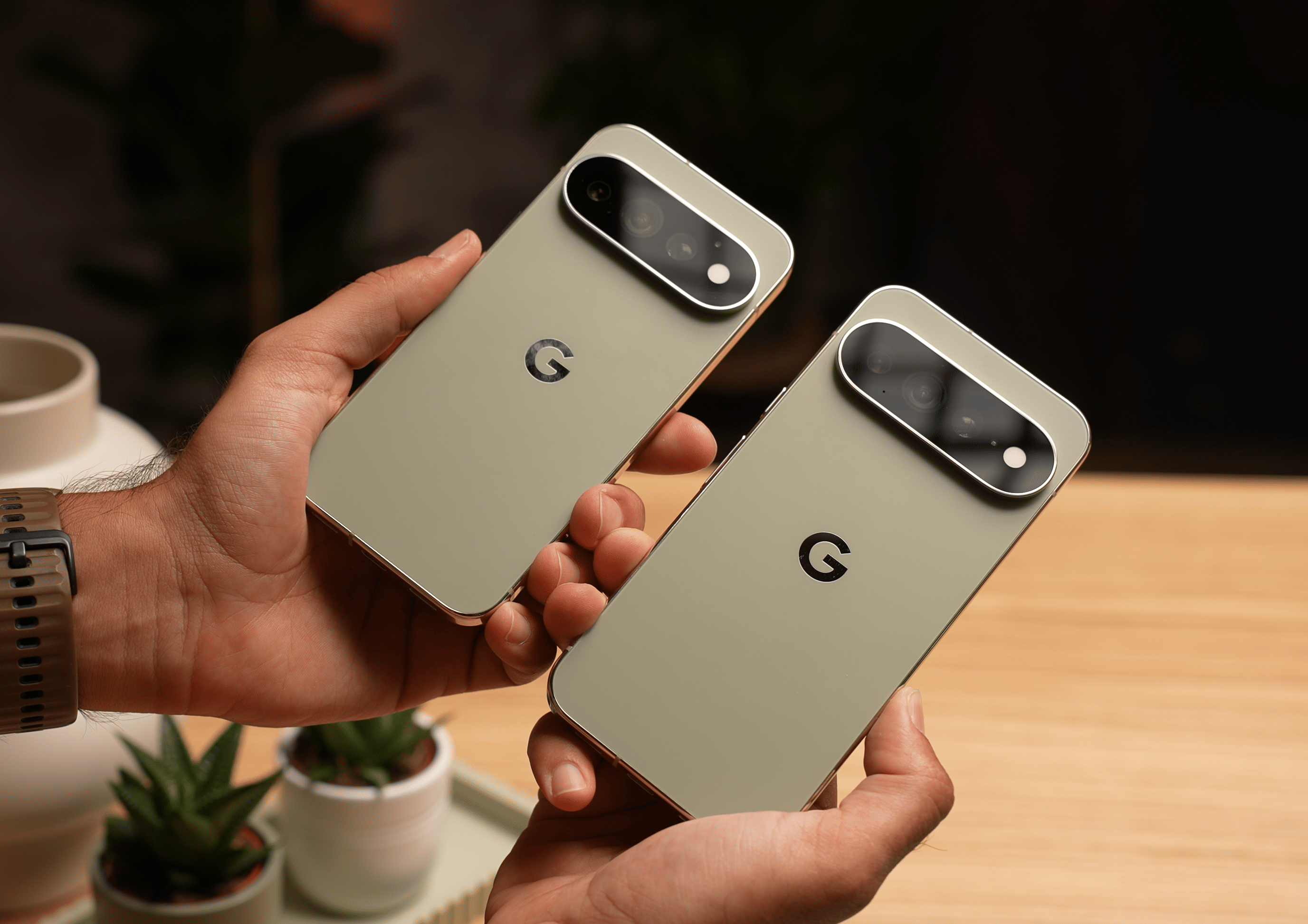
These advancements, while welcome, are tempered by a slight reduction in battery capacity for the new model. The Pixel 11 Pro XL houses a 5,115 mAh battery, which is marginally smaller than the 5,200 mAh unit found in the Pixel 10 Pro XL. This means the modest gains in charging speed are achieved not just through improved technology but also by charging a slightly smaller energy reservoir. The balance between faster charging, battery longevity, and thermal management remains a critical engineering challenge for all smartphone manufacturers, and Google’s approach with the Pixel 11 series reflects this ongoing optimization.
Google’s History with Software Launches and Hardware Ambitions
The current charging issues with the Pixel 11 Pro XL are not entirely unprecedented in Google’s history of hardware launches. The Pixel line, renowned for its cutting-edge software and camera innovations, has occasionally faced teething problems upon release, particularly concerning software stability and the seamless integration of new features. Early Pixel generations often encountered various bugs, ranging from display issues to connectivity glitches, which typically required subsequent software updates to resolve. This pattern suggests that Google, while pushing boundaries in AI and computational photography, sometimes struggles with the initial polish of its foundational hardware-software interactions.
The Pixel series is Google’s direct competitor in the premium smartphone market, vying with established giants like Apple and Samsung. In this highly competitive landscape, flagship devices are expected to deliver flawless performance out of the box. Issues like a non-functional or inconsistent "Extreme Charging Mode" can significantly detract from the initial user experience and erode consumer confidence. Google’s commitment to continuous software improvement often means that many initial problems are eventually ironed out, but the initial perception can be difficult to overcome.
Industry Context: The Relentless Race for Fast Charging
The smartphone industry has been engaged in a relentless race to offer faster charging speeds, with companies like Xiaomi, OnePlus, and Samsung often pushing the boundaries far beyond Google’s current offerings. While Google’s 45W is respectable, some competitors boast solutions exceeding 100W, capable of fully charging a phone in under 20 minutes. However, these ultra-fast charging technologies often come with their own set of trade-offs, including increased heat generation, potential long-term impacts on battery health, and the requirement for proprietary chargers and cables.
Google’s more conservative approach to 45W charging, while still aiming for competitive speed, likely prioritizes battery longevity and thermal management. The introduction of "Extreme Charging Mode" with its CPU throttling and careful thermal control suggests an attempt to balance speed with device health. The current activation issues, however, undermine this careful balance, as users are deprived of the promised speed without necessarily benefiting from enhanced battery preservation due to the mode’s non-activation. This situation highlights the complexity of implementing advanced charging solutions that are both effective and consistently reliable.
Consumer Impact and Brand Perception
The inconsistencies surrounding the Pixel 11 Pro XL’s "Extreme Charging Mode" carry significant implications for consumer trust and Google’s brand reputation. In a market where flagship devices are expected to deliver on every promise, a advertised feature that is either non-functional or unreliable can lead to considerable frustration. Users investing in a premium smartphone anticipate a seamless experience, and having to contend with a primary utility like fast charging that doesn’t work as advertised is a major disappointment.
Such issues can also affect purchasing decisions. Potential buyers often rely on reviews and early adopter feedback, and widespread reports of charging problems could deter sales. Furthermore, the requirement for very specific charger types, particularly the PPS 21V/2A protocol, adds an extra layer of complexity and potential cost for consumers who may need to purchase a new, compatible accessory to unlock the full charging potential of their device. This creates an additional hurdle that competitors with more universally compatible or bundled charging solutions avoid.
Anticipating a Resolution and Recommendations for Users
Given Google’s history, it is highly probable that a software update will be released in the near future to address the "Extreme Charging Mode" activation issues. Such an update would likely aim to streamline the activation process, ensure consistent functionality, and potentially provide clearer in-app guidance for users. Until an official fix arrives, users experiencing these problems are left with the somewhat vague advice of "patience," suggesting a background process or adaptive learning mechanism that is not yet fully optimized.
For current and prospective Pixel 11 Pro XL owners, understanding the nuances of its charging system is paramount. To maximize charging speed, it is crucial to invest in a USB-C PD charger that explicitly supports the PPS protocol at 21 volts and 2 amperes. While a 30W charger is the minimum for "Extreme Charging Mode," a 45W or higher PPS-compatible charger will ensure optimal performance for both standard and extreme charging scenarios. Users should also monitor Google’s official support channels and software update notifications for any forthcoming patches that promise to resolve the current inconsistencies.
The Google Pixel 11 Pro XL is undoubtedly a technologically advanced device with many compelling features. However, the current charging issues serve as a stark reminder that even the most innovative hardware can be hampered by software glitches and complex technical requirements. A swift and comprehensive resolution from Google is essential to restore confidence and ensure that the Pixel 11 Pro XL delivers on its full potential, including its promise of truly rapid power replenishment.