Metty Iskandar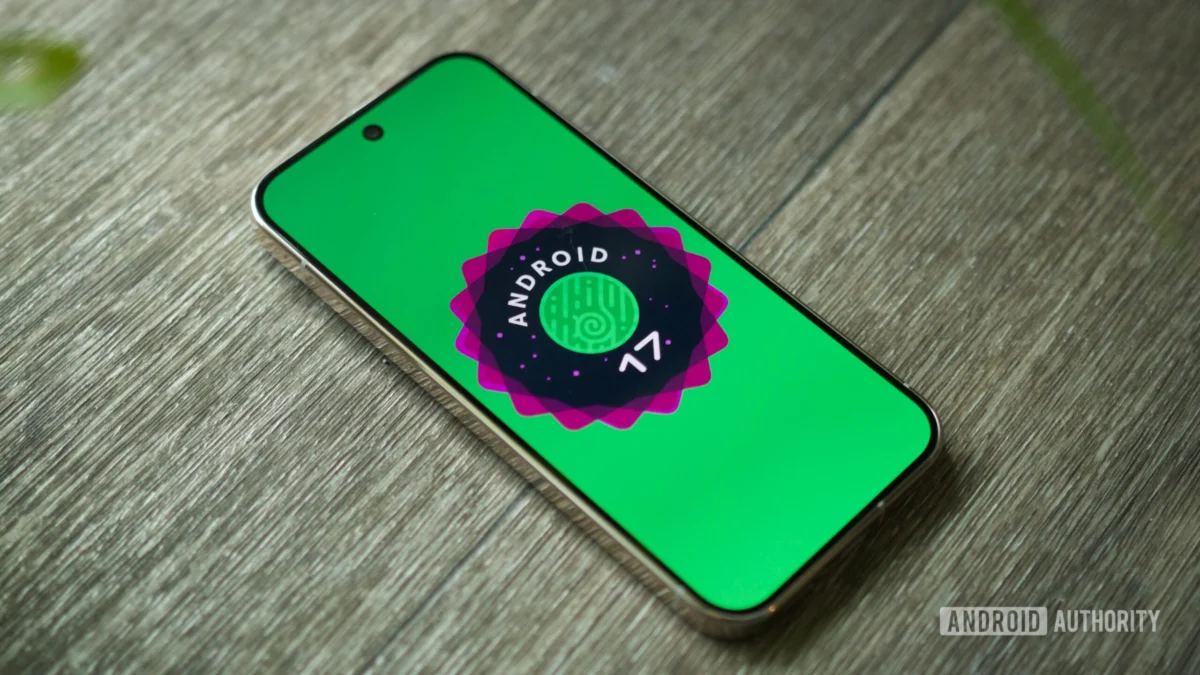
With the tail end of August approaching, anticipation is building for Google’s next significant software update, the September Feature Drop, which is currently undergoing testing as Android 17 QPR1. This version reached its Beta 9 milestone earlier this month, signaling its near readiness for public release. However, Google’s development efforts extend beyond immediate updates. The company has also been actively refining a subsequent major release, codenamed QPR2, which is slated to be the substantial year-end update for Android 17. Following the release of QPR2 Beta 3 just two weeks ago, Google has now officially launched Android 17 QPR2 Beta 4, adhering to its established development schedule.
QPR2 Beta 4: What’s New and Who’s Supported?
Google officially announced the availability of Android 17 QPR2 Beta 4 for Pixel device testers. This latest beta build is distributed under two specific hardware variants: CP41.260814.003.A2 and CP41.260814.003.B1, catering to different hardware configurations. While the recent retail launch of the Pixel 11 might suggest its inclusion, initial observations indicate that Google has not yet released QPR2 Beta 4 for this newest hardware. The most recent Pixel series supported in this beta iteration is the Pixel 10 lineup. Consistent with previous QPR2 beta releases, older devices such as the Pixel 6 and Pixel 6 Pro are not included in the support list. This exclusion is a strategic decision, as these models will likely fall outside Google’s guaranteed software support window by the time the stable version of this Feature Drop is officially released.
Google has not yet provided a detailed changelog enumerating the specific fixes and enhancements present in Beta 4. Consequently, users and observers will need to actively investigate the build to identify any new features or under-the-hood improvements. The company has encouraged its community to share any discovered changes in the comments section of relevant announcements, fostering a collaborative approach to beta testing. This practice is common in software development, allowing for rapid identification and resolution of issues before a wider rollout.
The Android Beta Program: Gateway to Next-Gen Features
For Pixel owners eager to experience the cutting edge of Google’s software development, the Android Beta Program remains the primary avenue. By registering their devices through the official Android Beta Program portal, users gain access to pre-release versions of Android, including builds like the recently released QPR2 Beta 4. This program allows Google to gather crucial feedback from a diverse range of users and devices, helping to identify bugs, assess performance, and refine features before their stable release. Historically, participation in the beta program has provided valuable insights into upcoming functionalities, often offering a glimpse into the direction of future Android versions.
A Deeper Dive into the QPR Development Cycle
The release of QPR2 Beta 4 signifies a critical juncture in the development of Android 17’s second Quarterly Platform Release. QPRs, or Quarterly Platform Releases, are incremental updates that Google began introducing to supplement the annual major Android releases. These QPRs typically arrive in December, March, and June, delivering a mix of new features, performance enhancements, and security patches to eligible Pixel devices. The September Feature Drop, often tied to the first QPR, has become a significant event for Pixel users, bringing a curated set of new capabilities.
The development of Android 17 QPR2 has been a methodical process. Following the initial developer previews and early betas, the release of Beta 3 two weeks prior to Beta 4 indicated a consistent cadence. Each beta iteration aims to stabilize the platform, iron out bugs discovered in previous versions, and potentially introduce or refine features. The focus on a specific hardware support list, excluding older models, reflects Google’s commitment to delivering optimal performance and timely updates for its current device ecosystem, aligning with its established support timelines.
Potential Features and User Expectations
While an official changelog for QPR2 Beta 4 is pending, the nature of QPR releases suggests several areas where users might anticipate improvements. These often include:
- Enhanced Privacy and Security Controls: Google consistently prioritizes user privacy, and subsequent beta releases often introduce more granular controls over app permissions, data sharing, and device security. This could manifest as new dashboards for managing permissions, improved background activity restrictions, or enhanced protection against malware.
- System Performance and Battery Optimization: Each beta cycle typically includes under-the-hood optimizations aimed at improving overall system responsiveness, reducing battery consumption, and enhancing thermal management. Users might observe smoother app transitions, faster loading times, and extended battery life.
- Refinements to Existing Features: Google often uses QPRs to iterate on features introduced in the main Android release or previous QPRs. This could involve usability improvements to the notification shade, enhanced multitasking capabilities, or subtle tweaks to the user interface across various system apps.
- New Digital Wellbeing Tools: The focus on digital wellbeing has been a growing trend in Android development. Future betas may introduce new tools for managing screen time, limiting distractions, or promoting healthier digital habits.
- Integration with Google Services: QPRs often serve as a platform for deeper integration with Google’s suite of services, such as Google Assistant, Google Photos, and Google Maps. This could lead to more seamless interactions and context-aware functionalities.
The Android 17 development pipeline, marked by these QPR betas, demonstrates Google’s ongoing commitment to iterative improvement and providing its user base with a continuously evolving mobile experience. The strategy of releasing quarterly updates allows for more frequent delivery of innovation and security enhancements, preventing users from having to wait for a full annual release to benefit from significant advancements.
Historical Context of Android Feature Drops and QPRs
The introduction of Quarterly Platform Releases and the subsequent "Feature Drops" marked a significant shift in Google’s software update strategy. Prior to this, major new features were largely confined to the annual Android version releases. This often meant a lengthy wait for users to experience the latest innovations. The QPR model, initiated with Android 10, provided a more dynamic and consistent delivery mechanism.
For instance, the Android 13 QPRs brought features like the "per-app language preferences" refinement, enhanced media playback controls, and new emoji. Android 14’s QPRs continued this trend, introducing improvements to battery performance indicators, clipboard enhancements, and expanded customization options. The current development of Android 17 QPR2 builds upon this established framework, aiming to deliver a similarly impactful set of improvements and new functionalities.
The fact that Google is already deep into QPR2 development, with Beta 4 now released, suggests a well-defined roadmap for the remainder of the year. This timeline is crucial for developers, who can begin to leverage upcoming features and APIs in their own applications, ensuring a smoother transition when the stable release arrives for consumers.
Analysis of Implications for the Android Ecosystem
The consistent release of beta builds, particularly for QPRs, has several implications for the broader Android ecosystem.
For Pixel Users: This provides a direct channel to influence the final product through feedback and bug reporting. It also means that Pixel devices continue to receive significant feature updates beyond the initial major Android release, enhancing their value proposition. The exclusion of older devices, while potentially disappointing for some, is a standard industry practice that allows manufacturers to focus resources on optimizing for current hardware and ensuring a stable, secure experience for the majority of their user base.
For Android Developers: The availability of beta builds allows developers to test their applications against upcoming system changes. This proactive testing helps prevent compatibility issues when the stable version is released, ensuring a seamless experience for users. Access to new APIs and features introduced in QPRs can also inspire the development of innovative new app functionalities.
For the Android Platform: The QPR model signifies a maturation of the Android development and release cycle. It demonstrates a move towards a more agile and responsive approach, allowing Google to adapt to evolving user needs and technological advancements more rapidly. This iterative improvement process ultimately contributes to a more robust and feature-rich Android platform overall.
Regarding the exclusion of Pixel 11 from QPR2 Beta 4: This is an interesting development. Typically, newly released hardware is prioritized for beta testing of upcoming software. The fact that it’s not yet supported could indicate a few possibilities: either the hardware-specific drivers or optimizations are still under development for this particular beta build, or Google is intentionally staggering its rollout to ensure the stability of the core software before integrating it with the latest hardware. Given that the Pixel 11 only recently hit retail availability, it’s plausible that the software team is still fine-tuning the integration. This cautious approach often leads to a more stable final product.
The ongoing development of Android 17, as evidenced by the timely release of QPR2 Beta 4, underscores Google’s commitment to enhancing the Android experience through continuous refinement and the delivery of timely feature updates. As the year progresses, the Android community will be keenly watching for further developments and the eventual stable release of this significant year-end update. The beta program, while requiring a degree of user engagement and tolerance for potential bugs, offers an invaluable opportunity to preview and contribute to the future of the Android operating system.