Clarissa Hana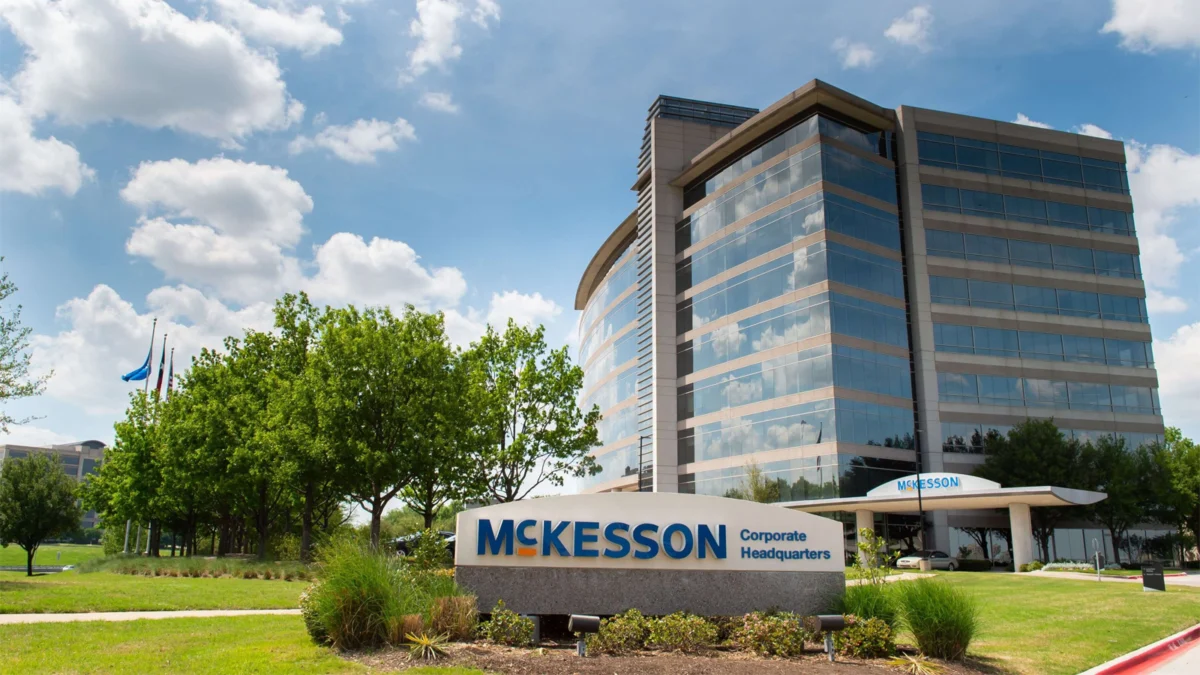
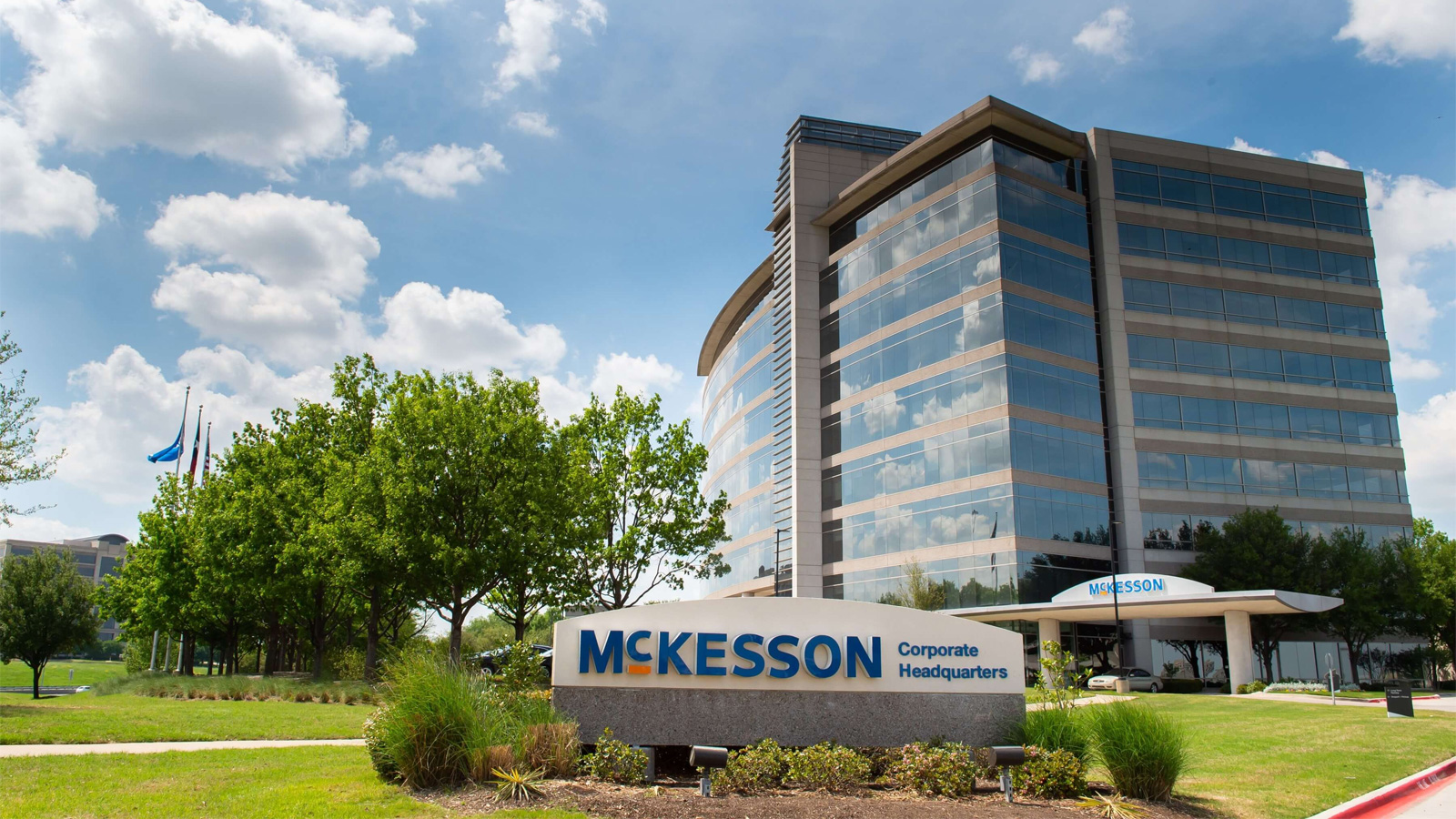
The healthcare and pharmaceutical distribution giant McKesson has publicly confirmed a significant cybersecurity incident, acknowledging unauthorized access to third-party applications and the subsequent exfiltration of sensitive data. The extortion group ShinyHunters has claimed responsibility for the breach, asserting that they have stolen approximately 284 million patient data records. This incident, discovered on August 25, 2026, is currently under active investigation by McKesson, which has engaged leading cybersecurity experts to assist in its response. The company’s disclosure was made via a Form 8-K filing with the U.S. Securities and Exchange Commission (SEC), a critical step for publicly traded companies to report material events.
McKesson, a cornerstone of the U.S. healthcare infrastructure, plays a pivotal role in supplying medicines, medical supplies, advanced technology, and essential services to a vast network of healthcare providers, pharmacies, and hospitals nationwide. Its operations are critical to the seamless functioning of the healthcare system, making any disruption or compromise of its data systems a matter of considerable concern.
Timeline of the Incident and Discovery
The timeline of the incident, as detailed by McKesson and corroborated by the claims of ShinyHunters, paints a concerning picture of sophisticated social engineering tactics leading to a widespread data breach.
- Prior to August 21, 2026: The ShinyHunters group initiated their attack, focusing on gaining initial access through social engineering methods.
- August 21 – August 25, 2026: Threat actors, identified as ShinyHunters, claim to have exfiltrated approximately 1 terabyte (TB) of data over a four-day period. This period likely encompasses the core of the data theft operation.
- August 25, 2026: McKesson officially discovered the cybersecurity incident. This discovery triggered the activation of the company’s incident response protocols.
- August 25, 2026 (Post-Discovery): ShinyHunters claims to have contacted McKesson after completing the data theft, demanding a ransom of $55,236,150 and setting a 72-hour deadline for response. According to the group, McKesson did not respond or engage in negotiations.
- August 28, 2026: CyberInsider first reported on the breach, and McKesson subsequently filed its Form 8-K with the SEC, formally disclosing the incident.
McKesson’s SEC filing stated, "As of the date of this filing, the company has not determined that the incident is material or that the incident has had, or is reasonably likely to have, any material impact on the company, including its financial condition or results of operations." However, the scale of data claimed to be stolen by ShinyHunters suggests a potentially significant, albeit yet unquantified, impact.
ShinyHunters’ Methodology and Claims
The ShinyHunters extortion group has provided details, albeit limited, regarding their alleged involvement in the McKesson breach. They claim to have gained access to McKesson’s systems through a combination of voice phishing, commonly known as "vishing," and social engineering attacks targeting multiple McKesson employees.
According to ShinyHunters, these vishing attacks were instrumental in compromising the Okta single sign-on (SSO) accounts of several employees. The compromised Okta credentials then allegedly served as the keys to unlock access to McKesson’s Salesforce and Snowflake environments. The threat actor claims to have achieved full compromise of the Salesforce environment, including access to support cases.
The most alarming claim relates to the data exfiltrated from Snowflake. ShinyHunters asserts that this data comprises approximately 284 million "data records" of patient-related information. It is crucial to clarify that this figure, as explained by ShinyHunters, represents a raw count of records or lines of data, rather than a definitive count of 284 million unique individuals. The group has stated they have not fully analyzed the stolen data and therefore cannot ascertain the exact number of unique people affected.
The alleged contents of the stolen data are extensive and deeply concerning. ShinyHunters claims the exfiltrated information includes:
- Personal Identifiable Information (PII): Names, addresses, dates of birth, Social Security numbers, patient IDs, phone numbers, and email addresses.
- Healthcare-Specific Data: Medicaid numbers, medical record numbers, medication and allergy information, details of illnesses and disabilities, appointment schedules, and physician information.
- Sensitive Patient Information: Data pertaining to deceased and terminally ill patients.
- Operational and Financial Data: Prescription and medication shipment records, invoices, and employee information.
- Internal Communications and Records: Salesforce records, internal communications, and details about healthcare providers and clinics utilizing McKesson’s services.
ShinyHunters has also pointed to the use of the domain mckesson[.]claims as part of their attack. This aligns with a documented campaign by the threat group, as previously noted by ReliaQuest’s Threat Research team. This tactic involves registering domains with a ".claims" top-level domain that mimic the names or abbreviations of targeted companies. These fake domains are then used to impersonate legitimate help desks or IT support teams, facilitating phishing and social engineering efforts.
McKesson’s Response and Official Statements
Upon discovery of the incident, McKesson stated it immediately activated its incident response protocols and launched a comprehensive investigation. The company emphasized its commitment to security and privacy: "We take the security and privacy of our partners, customers and their patients very seriously. Upon discovery, we immediately activated our incident response protocols, launched an investigation, and engaged leading cybersecurity industry experts to assist in our response."
McKesson has established a dedicated section on its website, www.mckesson.com/cybersecurity, to provide information and updates regarding the incident. The company has also issued a separate notice to its customers, confirming the involvement of third-party applications and the unauthorized access and exfiltration of data.
The company has also alerted customers to potential intermittent service degradations, which are believed to be related to the attack. However, McKesson clarified that it was not proactively disconnecting systems within its own environment as a direct result of the breach.
As of the latest disclosures, McKesson has not publicly confirmed the specific third-party applications that were compromised, the exact method of initial access, or the precise nature and volume of the data that was stolen. The investigation is ongoing, and the company has pledged to provide further information as its understanding of the incident develops.
Broader Implications and Industry Context
The alleged data breach at McKesson underscores a growing trend of sophisticated cyberattacks targeting the healthcare sector. The healthcare industry, with its vast repositories of sensitive personal and medical information, remains a prime target for cybercriminals seeking to monetize stolen data through extortion or sale on the dark web.
The tactics employed by ShinyHunters, particularly the reliance on social engineering and vishing, highlight the persistent vulnerability of human elements within cybersecurity defenses. The compromise of Okta SSO accounts is a particularly concerning aspect, as these platforms are designed to streamline access but can become single points of failure if not adequately secured and monitored.
The involvement of ShinyHunters is significant, as the group has been increasingly active in targeting healthcare and health technology organizations. The Health-ISAC (Health Information Sharing and Analysis Center) recently issued a warning to its members about a surge in ShinyHunters’ data-theft attacks, noting the group’s penchant for social engineering tactics aimed at compromising corporate accounts and accessing cloud-based platforms.
McKesson is not the only major player in the healthcare technology space to be targeted by ShinyHunters. Other organizations that have recently reported data breaches attributed to this group include Medtronic, DentaQuest, iRhythm, OneMedical, and AdaptHealth. This pattern of attacks suggests a concerted and ongoing effort by ShinyHunters to exploit vulnerabilities within the healthcare ecosystem.
The sheer volume of data claimed to be stolen by ShinyHunters – 284 million records – raises profound questions about data privacy, patient trust, and the responsibility of healthcare organizations to safeguard sensitive information. Even if the number of unique individuals is less than the record count, the potential exposure of Social Security numbers, medical history, and financial details could lead to widespread identity theft, fraud, and significant reputational damage for the affected organizations.
The ransom demand of over $55 million is also indicative of the high stakes involved in such breaches. The fact that ShinyHunters claims McKesson did not engage in negotiations suggests the company may be relying on its incident response and legal teams to manage the fallout, rather than succumbing to extortion demands.
In the aftermath of this incident, it is expected that regulatory bodies will scrutinize McKesson’s security practices and its response to the breach. Compliance with data protection regulations, such as HIPAA in the United States and GDPR in Europe (if applicable), will be a key consideration. The long-term consequences for McKesson will depend on the thoroughness of its investigation, the effectiveness of its remediation efforts, and its ability to regain the trust of its partners, customers, and the patients whose data may have been compromised.
The incident serves as a stark reminder of the evolving threat landscape and the critical need for robust cybersecurity measures, continuous employee training, and proactive threat intelligence to protect sensitive data in the increasingly interconnected world of healthcare. The full impact of the McKesson breach will likely unfold over the coming weeks and months as the investigation progresses and more details emerge.