Garick Elordi
Cloud Imperium Games (CIG) has officially adjusted the release timeline for its highly anticipated single-player space combat title, Squadron 42, pushing the projected launch window to the second quarter of 2027. The decision, announced by studio founder and CEO Chris Roberts, marks a strategic departure from the previous target of 2026, which had been reaffirmed as recently as late 2024. Roberts cited the overwhelming market presence of Rockstar Games’ upcoming Grand Theft Auto VI (GTA 6) as the primary catalyst for the delay, expressing a desire to protect a project that has been in development for over a decade from being overshadowed by one of the industry’s largest commercial releases.
In a detailed "Letter from the Chairman" addressed to the community and stakeholders, Roberts explained that while Squadron 42 is nearing the final stages of its arduous development cycle, launching in late 2026 would place it directly in the path of the GTA 6 "attention buzz saw." Although Rockstar’s title is currently slated for a console-first release, Roberts noted that the media saturation, influencer coverage, and general consumer focus surrounding the Grand Theft Auto franchise would leave little room for other titles to gain traction. For a project that has seen twelve years of intensive labor and significant financial investment from a global crowdfunding community, CIG leadership determined that a move to the spring of 2027 was a necessary defensive maneuver.
Strategic Realignment and the GTA 6 Factor
The decision to delay Squadron 42 highlights a growing trend among mid-to-large-scale developers who are increasingly wary of Rockstar Games’ release schedules. Historically, the launch of a Grand Theft Auto title has been known to suppress the sales and visibility of competing software for months. Roberts emphasized that Squadron 42 is viewed as the "spiritual successor" to his iconic Wing Commander series, and given the "blood, sweat, and tears" invested since development began in earnest in 2014, the studio is unwilling to risk a suboptimal debut.
"At CitizenCon 2024, we announced we would ship in 2026," Roberts stated in the blog post. "Our plan was to release in Q4 around IAE [Intergalactic Aerospace Expo]. But much like the rest of the industry, there is no way I want to launch… into the attention buzz saw of GTA 6." He further elaborated that even without a simultaneous PC launch for GTA 6, the sheer volume of content creation and journalistic focus would likely deplete the available "oxygen" in the gaming news cycle, making it difficult for Squadron 42 to secure the mainstream impact CIG desires.
A Chronology of Development and Previous Milestones
The journey of Squadron 42 is inextricably linked with the broader Star Citizen project, which began as a record-breaking Kickstarter campaign in 2012. Originally pitched as a smaller-scale single-player campaign included with the base game, Squadron 42 evolved into a standalone, cinematic AAA experience as crowdfunding totals surged far beyond the initial $2 million goal.
- 2012–2013: Initial conceptualization and studio formation. CIG focuses on building the foundational technology and the "Hangar Module."
- 2014: Full-scale development on Squadron 42 begins. The scope expands to include high-fidelity performance capture and a non-linear narrative.
- 2016: The infamous "Answer the Call 2016" marketing campaign suggests a release is imminent, but the game is ultimately delayed as the studio decides to overhaul core engine technologies.
- 2018: CIG releases a visual teaser and a roadmap, shifting focus toward a more transparent, albeit fluctuating, development schedule.
- October 2023: At CitizenCon, CIG announces that Squadron 42 is "feature complete" and has moved into the "polishing phase." This stage involves balancing gameplay, optimizing performance, and refining the cinematic experience.
- 2024: The studio targets a 2026 release window, citing the progress made in the polishing phase and the integration of the "Star Engine" technologies.
- 2025: The current announcement shifts the release to Q2 2027, prioritizing market positioning over the previously stated 2026 goal.
Technical Scope and the Star-Studded Cast
Squadron 42 is designed to be a cinematic tour de force, leveraging custom-built technology to bridge the gap between traditional cutscenes and active gameplay. The game utilizes the "Star Engine," a heavily modified version of CryEngine (and later Amazon Lumberyard), which allows for seamless transitions from capital ship interiors to cockpit dogfighting and ground-based first-person combat.
The narrative ambition of the project is bolstered by an ensemble cast of Hollywood talent, many of whom participated in extensive motion capture sessions at Imaginarium Studios in London. The cast includes:
- Gary Oldman as Admiral Ernst Bishop
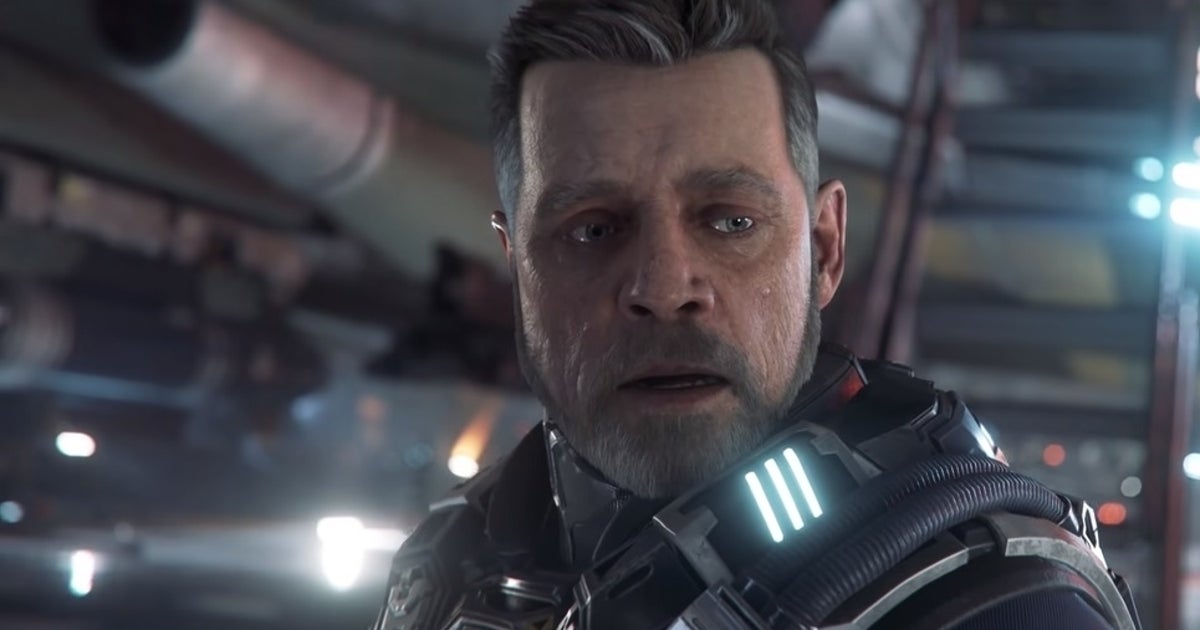
- Mark Hamill as Lieutenant Commander Steve "Old Man" Colton
- Gillian Anderson as Captain MacLaren
- Henry Cavill as Ryan Enright
- Andy Serkis as Thul’Oqquray (a lead antagonist of the Vanduul alien race)
- Ben Mendelsohn, Mark Strong, and Liam Cunningham in supporting roles.
This level of talent underscores the high stakes for Cloud Imperium Games. The studio is not merely aiming for a successful game but is attempting to set a new benchmark for cinematic storytelling in the science fiction genre.
Financial Context and the $1 Billion Milestone
The announcement of the delay comes at a time of unprecedented financial growth for Cloud Imperium Games. In May 2024, the company surpassed $1 billion in total crowdfunding, a figure that dwarfs the development budgets of almost all other modern video games. This funding is generated through a combination of starter game packages and the sale of digital assets, primarily spaceships, which players can use in the Star Citizen Persistent Universe (the multiplayer component of the project).

Controversy has occasionally followed these sales, particularly with the introduction of high-priced "capital ships." Recently, the studio launched the Anvil Odin, a capital ship priced at approximately $5,000. Despite the ship not yet being flyable in the game, the "limited vehicle concept pledge" was met with significant interest from the project’s most dedicated backers. These financial resources have allowed CIG to maintain a global workforce of over 1,100 employees across offices in Los Angeles, Austin, Frankfurt, Manchester, and Montreal, providing the runway necessary to sustain a development cycle that is now entering its thirteenth year.
Backer Reactions and Market Implications
The reaction from the Star Citizen community—often referred to as "Citizens"—has been a mixture of resignation and cautious support. While many long-term backers have grown accustomed to the "when it’s done" philosophy of Chris Roberts, others have expressed frustration over the repeated shifts in the release window. However, the logic regarding GTA 6 has found some resonance among industry analysts.
Launching a new IP—or a "spiritual successor" that has been out of the public eye for decades—requires a clear window to capture the "zeitgeist." Analysts suggest that 2025 and 2026 will be dominated by the fallout and subsequent live-service updates of GTA 6, potentially making the first half of 2027 a more viable period for a high-end PC exclusive like Squadron 42 to command the spotlight.
Future Roadmaps and the October Preview
Despite the delay, Cloud Imperium Games intends to keep the momentum high by providing more tangible looks at the game’s progress. The studio has announced plans to host a preview event in October 2026 for a "small number" of content creators and early backers. This event is expected to showcase near-final gameplay and provide a clearer look at the 40-hour campaign that CIG claims is now fully playable from start to finish.
A firmer, specific release date is expected to be announced shortly after the October previews. For now, the Q2 2027 window serves as the new benchmark for a project that remains one of the most ambitious and polarizing endeavors in the history of interactive entertainment. As the studio enters what it calls the "home stretch," the focus will remain on ensuring that the final product justifies the decade-long wait and the billion-dollar investment of its community.