George Chandra Eka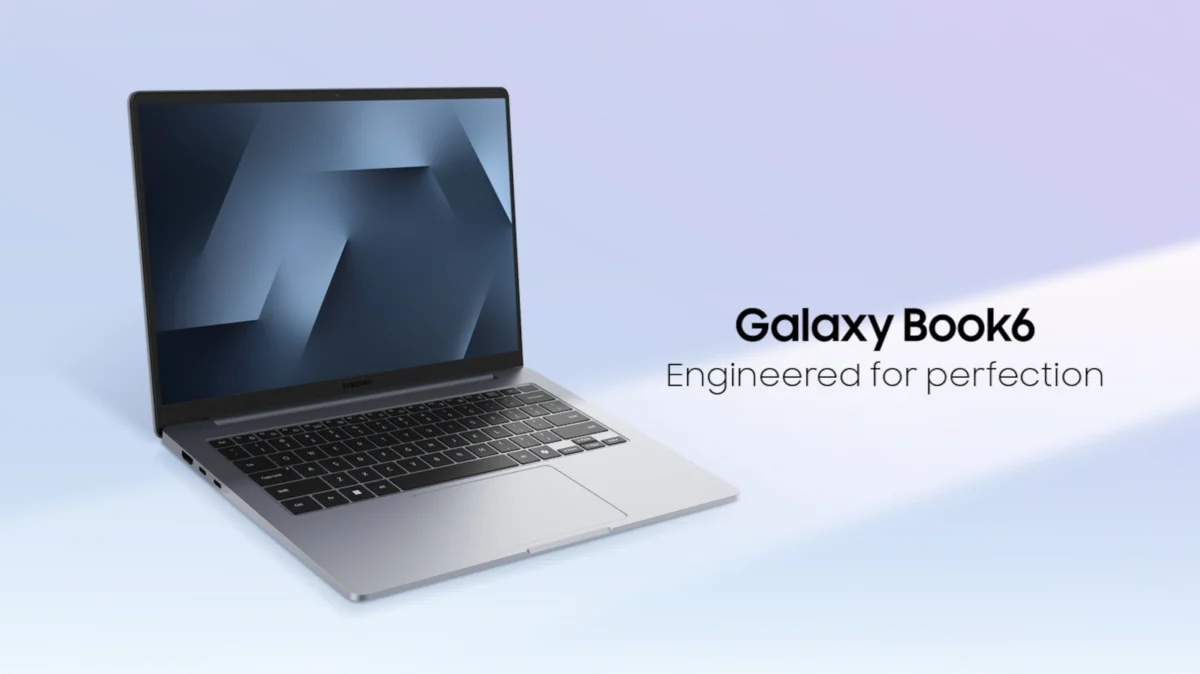
Samsung has strategically broadened its Galaxy Book 6 lineup with the introduction of a more accessible and affordable model, priced starting at an aggressive $799. This move signals a deliberate effort by the South Korean tech giant to penetrate the crucial mid-range segment of the personal computer market, offering a compelling Windows-based alternative designed to compete directly with value-oriented offerings from rivals, notably what has been colloquially referred to as the "MacBook Neo" in the budget laptop space. The new variant aims to democratize access to Samsung’s latest computing innovations, including integrated AI functionalities and seamless ecosystem connectivity, without demanding the premium price tag often associated with the brand’s flagship devices. This expansion follows the initial launch of the Galaxy Book 6 series earlier this year, which largely catered to the higher end of the market, and positions Samsung to capture a wider demographic of users seeking robust performance and modern features within a more constrained budget.
A Strategic Entry into the Budget Segment
The decision by Samsung to introduce a $799 model into its Galaxy Book 6 portfolio is a clear indication of a refined market strategy. Historically, Samsung’s laptop offerings, particularly in the premium Galaxy Book series, have been positioned to compete with high-end devices from Apple, Dell, and HP, often exceeding the $1,000 threshold. The original Galaxy Book 6 models, for instance, commenced at a price point of at least $1,050 upon their US release in March. This new, more affordable iteration fundamentally shifts Samsung’s approach, acknowledging the significant demand for capable yet cost-effective computing solutions in the global market.
The global laptop market has witnessed fluctuating dynamics in recent years. While the initial surge driven by remote work and online education during the pandemic has somewhat normalized, there remains a robust demand for devices that can balance productivity, entertainment, and portability without breaking the bank. According to recent market analyses, the sub-$1,000 laptop segment continues to be a high-volume category, attracting a broad spectrum of consumers from students to small business professionals. Consumers are increasingly discerning, seeking value-packed options that do not compromise on essential features. By targeting the $799 price point, Samsung directly addresses this burgeoning segment, aiming to attract users who require reliable performance for everyday tasks, content consumption, and light productivity. This move also reflects a broader industry trend where manufacturers are diversifying their product lines to cover a wider spectrum of price points, ensuring market relevance across various economic strata.
Industry observers suggest this move reflects Samsung’s commitment to capturing a broader market share beyond its traditional premium segment. "Samsung is clearly recognizing the vast potential in the mid-range laptop market," states an unnamed analyst specializing in consumer electronics. "By offering a well-rounded package at $799, they are directly challenging competitors who often struggle to combine premium design, strong battery life, and integrated AI features at this accessible price point. It’s a clear signal that Samsung is serious about becoming a dominant player across all laptop tiers, not just the high-end." This strategic pivot aligns with a common business practice of leveraging brand reputation built on premium products to introduce more accessible options, thereby expanding the customer base and fostering brand loyalty across different income brackets.
Chronology of the Galaxy Book 6 Series Rollout
The journey of the Galaxy Book 6 series began earlier in the year, setting the stage for Samsung’s 2024 computing vision and demonstrating a phased approach to market saturation.
-
CES Unveiling (Early 2024): The initial lineup of the Galaxy Book 6 series was first showcased at the Consumer Electronics Show (CES) in Las Vegas, one of the world’s most influential tech events. This annual global stage for technology innovation provided Samsung with an opportunity to highlight its advancements in design, performance, and integrated features. The devices presented at CES were primarily premium models, emphasizing cutting-edge processors, sleek aesthetics, and advanced functionalities tailored for power users and professionals. The announcement generated considerable buzz, establishing Samsung’s commitment to pushing the boundaries of laptop technology with its next-generation offerings. Key features highlighted included Intel’s latest Core Ultra processors, high-resolution AMOLED displays, and advanced connectivity options.
-
US Market Availability (March): Following the CES debut, Samsung made the first three original Galaxy Book 6 models available for purchase in the United States starting March 11. These initial configurations carried a higher price tag, with the basic Book 6 model starting at approximately $1,050. These machines were designed to deliver top-tier performance, featuring robust specifications aimed at demanding users who prioritize speed, advanced graphics capabilities, and premium build quality. Their introduction solidified Samsung’s presence in the upper echelon of the Windows laptop market, directly competing with flagship models from other leading brands.
-
Snapdragon X2 Elite Expansion (June): In a subsequent expansion in June, Samsung further diversified the Galaxy Book 6 series by introducing a model powered by the Qualcomm Snapdragon X2 Elite processor. This particular variant, priced at a premium of $2,100, represented Samsung’s significant foray into the emerging "AI PC" category, leveraging ARM-based architecture for enhanced power efficiency and specialized AI capabilities. The Snapdragon X2 Elite model was positioned as a high-performance, long-battery-life alternative, catering to users interested in the future of computing with integrated AI acceleration directly on the chip. This move was particularly noteworthy as it showcased Samsung’s commitment to offering diverse processor architectures to meet varying user demands and capitalize on the growing interest in on-device AI processing.
-
Budget-Friendly Model Launch (Current Announcement): The latest addition, the $799 Galaxy Book 6, represents the most significant strategic shift within the series. This model’s introduction completes a comprehensive tiered offering, allowing Samsung to address a broader market segment than ever before with its current generation of laptops. This phased rollout demonstrates a deliberate strategy by Samsung to first establish its premium presence and then broaden its appeal with more accessible options, ensuring that the brand remains competitive across various consumer budgets and performance requirements. This careful segmentation allows Samsung to capture diverse consumer needs, from cutting-edge performance enthusiasts to value-conscious buyers.
Key Specifications: Balancing Performance and Affordability
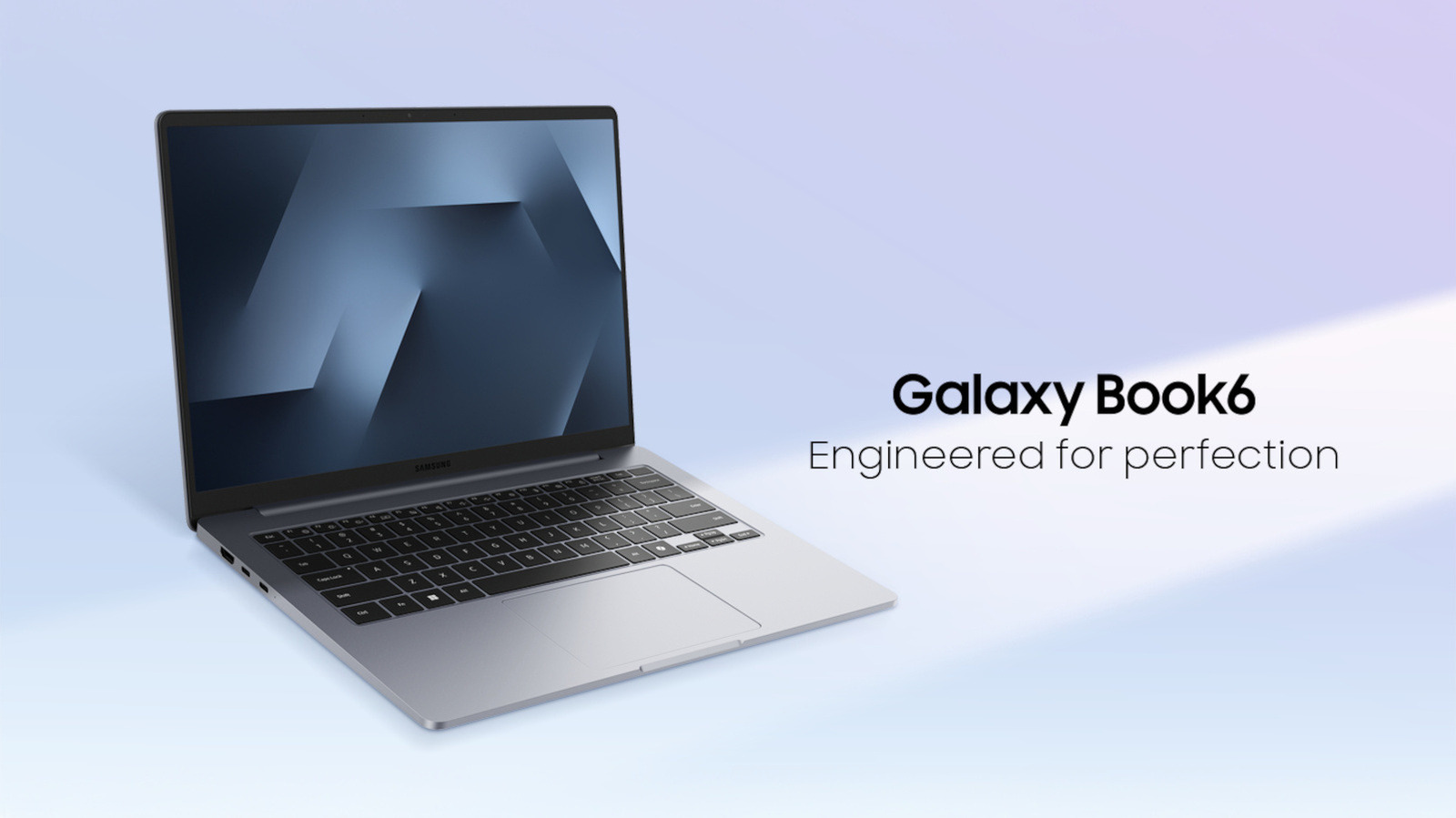
Despite its attractive price point, the new Galaxy Book 6 does not skimp on essential specifications, offering a compelling blend of performance and features designed for the modern user, underscoring Samsung’s commitment to delivering value.
-
Processor Options: The laptop is powered by either an Intel Core 3 or Core 5 processor, depending on the specific configuration and target market. Intel’s Core 3 and Core 5 series are well-regarded for providing a strong balance of performance and power efficiency for mainstream computing tasks. A Core 3 processor is perfectly adequate for web browsing, email, document editing, and streaming media, while a Core 5 offers a noticeable boost for more demanding multitasking, light photo editing, and more complex applications. This choice allows Samsung to offer different performance tiers within the budget segment, catering to varying user needs and ensuring a smooth user experience for everyday computing. This move also aligns with Intel’s recent rebranding of its Core processors, simplifying the nomenclature for consumers and making performance tiers more intuitive.
-
Memory and Storage: Consumers will have options for both RAM and storage, allowing for customization to suit individual requirements. The laptop can be configured with either 8GB or 16GB of RAM. 8GB of RAM is considered the standard for modern budget laptops, capable of handling multiple applications simultaneously without significant slowdowns. However, the option for 16GB of RAM is a welcome addition, providing ample memory for more intensive multitasking, light creative work, or future-proofing the device for evolving software demands. For storage, users can choose between 256GB, 512GB, and 1TB SSD options. Solid State Drives (SSDs) offer significantly faster boot times and application loading compared to traditional Hard Disk Drives (HDDs), enhancing overall system responsiveness and user experience. The tiered storage options ensure that users can select a capacity that matches their data storage needs, from basic document storage to a more extensive library of applications and media files.
-
Display and Visual Experience: The new Galaxy Book 6 features a 14-inch display with a resolution of 1,920 x 1,200 pixels. This aspect ratio (16:10) provides more vertical screen real estate compared to traditional 16:9 displays, which is beneficial for productivity tasks such as document editing and web browsing, reducing the need for constant scrolling. The inclusion of an anti-glare finish is a significant practical benefit, especially for users who work in varying lighting conditions or frequently outdoors. This feature minimizes reflections, improving visibility and reducing eye strain over extended periods of use. While not a high-refresh-rate or OLED panel typical of premium models, this display configuration offers a sharp, comfortable viewing experience for its price point, making it suitable for extended work or entertainment sessions.
-
Battery Life and Charging: A standout feature for a laptop in this price category is its impressive battery life, boasting up to 25 hours on a single charge. This exceptional endurance makes the new Galaxy Book 6 an ideal companion for students, frequent travelers, or anyone who requires extended use away from a power outlet. Such a long battery life significantly enhances portability and convenience, reducing range anxiety and the constant need to search for power outlets. Furthermore, the inclusion of 45W fast charging capability ensures that users can quickly replenish the battery, minimizing downtime. A quick charge can provide several hours of use, making it practical for users on the go who need to top up their device during short breaks.
-
Connectivity: The laptop comes equipped with a versatile array of ports, ensuring broad compatibility with peripherals and external displays. It includes two USB Type-C ports, offering modern connectivity for charging, high-speed data transfer, and video output via DisplayPort Alt Mode. A traditional USB Type-A port is also present, catering to legacy devices such as flash drives, external hard drives, mice, and keyboards, acknowledging that many users still rely on older accessories. For external display connectivity, an HDMI 1.4 port is included, allowing users to easily connect to monitors, projectors, or TVs for presentations or expanded workspaces. Finally, a 3.5mm audio jack provides universal compatibility for headphones and microphones, which is increasingly appreciated as some manufacturers omit this port. This comprehensive selection of ports enhances the device’s utility in various scenarios, from office work to multimedia consumption, without requiring numerous adapters.
Leveraging AI and the Galaxy Ecosystem
In line with the current industry trend towards intelligent computing, Samsung has integrated several AI-powered features into the new Galaxy Book 6, enhancing user productivity and interaction. These features are designed to simplify complex tasks and provide intelligent assistance, pushing the boundaries of what a budget-friendly laptop can offer.
-
AI Select: This feature allows users to intuitively select and interact with content on the screen. While specific details of its implementation might vary, such AI-driven selection tools typically leverage machine learning to intelligently identify elements like text blocks, images, or even specific objects within an image, enabling easier copying, editing, or sharing. This can significantly streamline workflows for content creators, researchers, or anyone frequently interacting with digital information, reducing manual effort and increasing precision.
-
Note Assist: A particularly useful AI feature for students and professionals is Note Assist. This tool is designed to summarize notes and surface important information that users can review later. By applying natural language processing and AI algorithms, Note Assist can condense lengthy meeting minutes, lecture notes, or research documents into key takeaways, saving users considerable time and effort in information recall and organization. This reflects a growing emphasis on AI as a personal productivity enhancer, allowing users to focus more on content creation and less on manual organization.
-
Seamless Galaxy Ecosystem Integration: A significant differentiator for Samsung’s Galaxy Book lineup is its deep integration with the broader Galaxy ecosystem. This synergy provides a fluid, interconnected experience for users who own other Samsung devices, such as Galaxy smartphones and tablets.
- Quick Share: This feature enables users to quickly and effortlessly share files, photos, and videos between their Galaxy Book 6 and other Galaxy devices. This eliminates the need for cumbersome cables, email attachments, or slow cloud uploads for local transfers, enhancing convenience and efficiency. It leverages Samsung’s proprietary sharing protocols for fast and secure data exchange.
- Second Screen Functionality: Users can leverage their Galaxy Tab as a second display for their Galaxy Book 6. This capability transforms a tablet into an extension of the laptop’s screen, providing additional workspace for multitasking, presentations, or creative applications. This feature is particularly valuable for mobile professionals and students who require expanded screen real estate without carrying a separate portable monitor. These ecosystem benefits are a compelling draw for existing Samsung users, fostering brand loyalty and offering a unique value proposition that competing Windows laptops often lack, thereby strengthening the overall appeal of the Galaxy brand.
The new model will be available in Gray and Violet Silver, the latter being a new color option for the lineup, in select markets for now. This introduction of a fresh color choice further indicates Samsung’s attention to aesthetic appeal and personalization, even in its more budget-conscious offerings.
Competitive Landscape and Market Strategy
The introduction of the $799 Galaxy Book 6 model places Samsung in a direct competitive arena with a multitude of players, both within the broader Windows ecosystem and against Apple’s more affordable offerings.
- Against Apple’s "MacBook Neo": The original article explicitly mentions the new model as a likely Windows competitor to the "MacBook Neo." While Apple doesn’t officially use this moniker, it refers to Apple’s strong presence in the sub-$1000 laptop market, particularly with older MacBook Air models or education-focused pricing. Apple has long