
 George Chandra Eka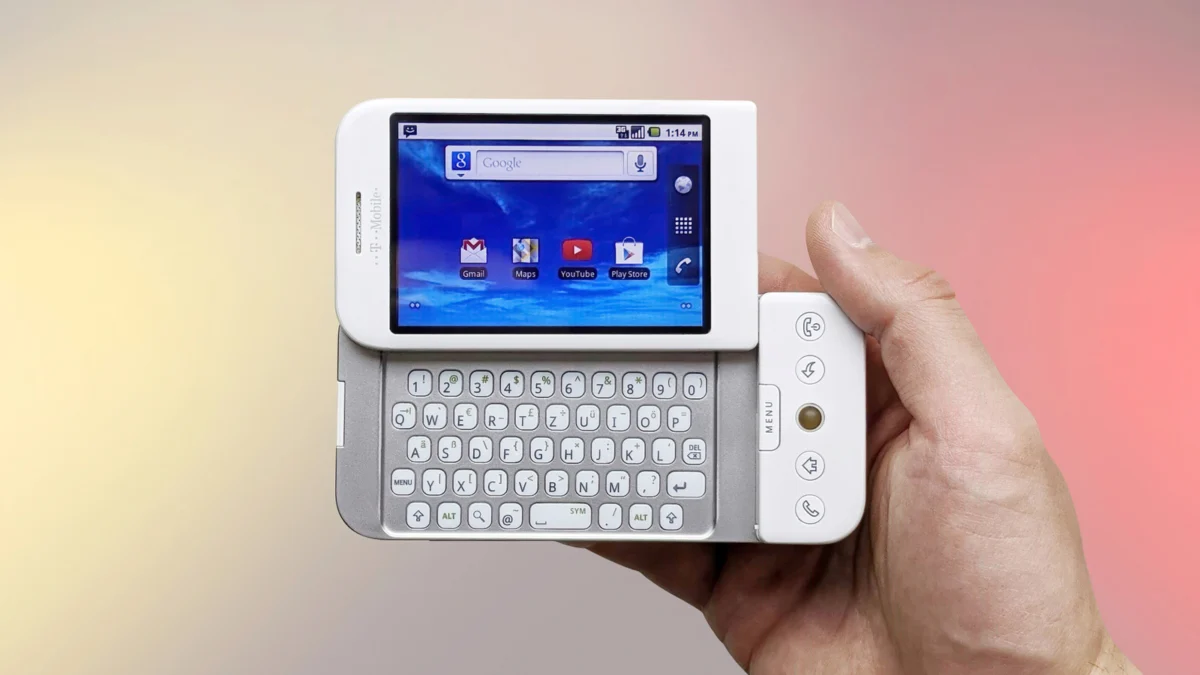
When Android first emerged on the technological stage, it resonated with the disruptive spirit of alternative rock – raw, unconventional, and poised to challenge the mainstream. The year was 2008, and the world of personal technology was a vastly different landscape. Social media platforms like MySpace still held sway, country music sensation Taylor Swift was just beginning her ascent to global superstardom, and the chic accessory for the fashion-conscious was often a bedazzled Motorola Razr, snapped shut with satisfying finality before being tucked into skinny jeans. In the burgeoning smartphone market, Research In Motion’s BlackBerry devices, with their ubiquitous physical keyboards and secure messaging, were the undisputed champions of the corporate and professional worlds, embodying reliability and efficiency. However, a seismic shift had already begun. Apple’s revolutionary iPhone, initially launched in 2007, received a crucial upgrade in June 2008 with the iPhone 3G, boasting faster data connections and making the device truly practical for widespread mobile internet use beyond Wi-Fi hotspots. This development sent clear signals across Silicon Valley: the future of mobile was touch-based, connected, and rapidly evolving.
Google, recognizing the immense potential and inherent threat posed by Apple’s innovation, knew it had to compete, and quickly. The Linux-based operating system, Android, had been a strategic acquisition for the tech giant in 2005, alongside its visionary progenitor, Andy Rubin. Google’s investment of $50 million for Android Inc. is retrospectively hailed as one of the most prescient deals in business history. However, upon its arrival at Google’s Mountain View campus, Android was far from ready for prime time. Rubin had initially conceived Android in 2003 as a software platform for digital cameras, a niche market that quickly paled in comparison to the burgeoning mobile phone industry. The pivot to a mobile operating system necessitated fundamental architectural and user interface changes. Internally, the launch of the original iPhone in 2007 had triggered a frantic re-evaluation of Google’s mobile strategy, prompting an urgent scramble to accelerate Android’s development. To counter Steve Jobs’s groundbreaking achievement and establish a formidable presence, Google orchestrated the formation of the Open Handset Alliance (OHA) in November 2007. This consortium of over 80 hardware manufacturers, software developers, and mobile network operators, including key players like HTC, Samsung, Motorola, Qualcomm, and T-Mobile, was positioned as a united front dedicated to developing open standards for mobile devices. While publicly promoting openness and innovation, the OHA’s underlying strategic imperative was to provide a powerful, unified alternative to Apple’s increasingly dominant closed ecosystem.
The Genesis: A Bold, Imperfect Debut with the T-Mobile G1
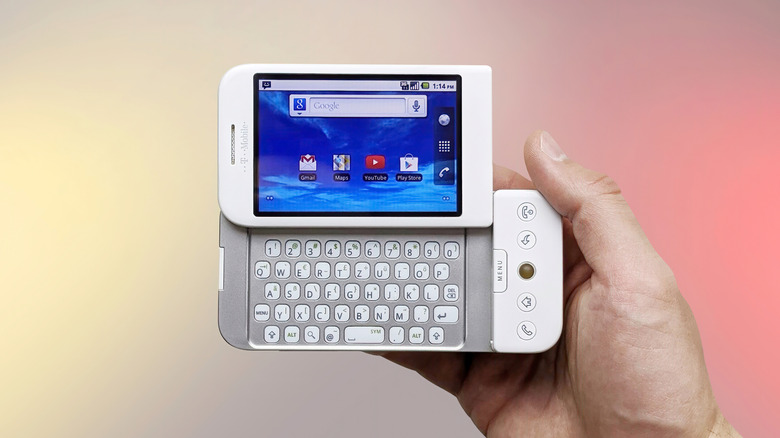
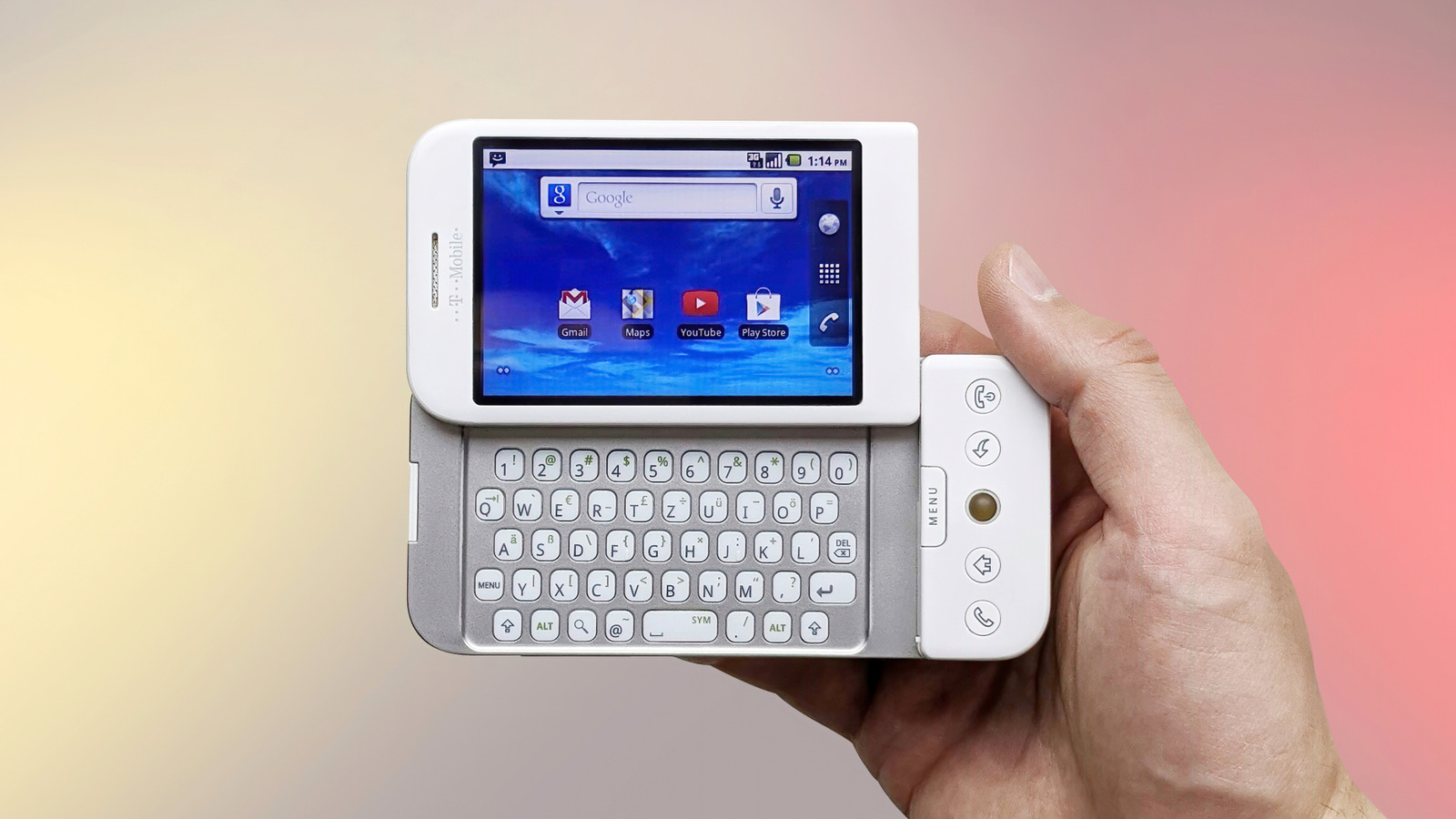
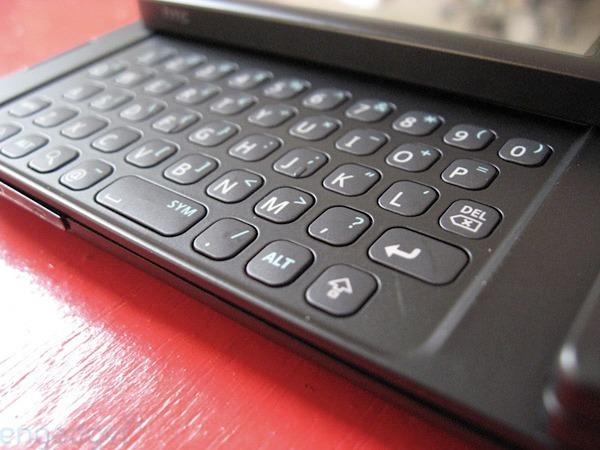
The commercial debut of Android arrived on October 22, 2008, with the HTC Dream, marketed in the United States as the T-Mobile G1. Far from being a confident, polished statement, the G1 was undeniably a "desperation play" – a hurried, albeit significant, response to the iPhone’s growing momentum. This sense of urgency was palpable in its design. The hardware was aggressive, perhaps even overengineered, standing in stark contrast to Apple’s elegantly minimalist iPhone. The G1 featured a distinctive "chin" that jutted out beneath its slide-away screen, necessitating an awkward thumb stretch for users to access the full physical QWERTY keyboard nestled beneath. This design choice, while perhaps a nod to the still-popular BlackBerry form factor, highlighted Google and HTC’s struggle to fully embrace the touch-centric paradigm that Apple had so forcefully established. The device boasted a modest 3.2-inch TFT LCD display with a resolution of 320×480 pixels, a 528 MHz Qualcomm MSM7201A processor, 192 MB of RAM, and 256 MB of internal storage, expandable via microSD. These specifications, while standard for the era, were quickly overshadowed by subsequent advancements.
Despite its aesthetic quirks and hardware compromises, the G1 was a critical proof of concept. It was a tangible, albeit nervous, gauntlet thrown down at the feet of established giants like Research In Motion (BlackBerry), Microsoft (Windows Mobile), and Apple. It signaled Android’s arrival and foreshadowed the impending deluge of handsets that would soon run on the nascent operating system. At its core, the G1 demonstrated Android’s potential for robust multi-tasking, deep Google service integration (Gmail, Maps, Search), and an open application ecosystem – features that would become defining characteristics of the platform. Initial reviews were mixed, acknowledging its technical ambition but often criticizing its bulky design, limited app selection, and steep learning curve compared to the iPhone. Yet, it sold over a million units in its first six months, demonstrating a significant appetite for an alternative smartphone experience. Today, Android stands as the most popular operating system globally, powering billions of devices across diverse form factors. While it has undergone profound transformations over the years, what remains striking is how much of its foundational philosophy – openness, customization, and deep integration with Google services – has endured, a testament to the adage, "never fix what isn’t broken."
Android 1.0 Cupcake: A Promising Yet Unfinished Vision
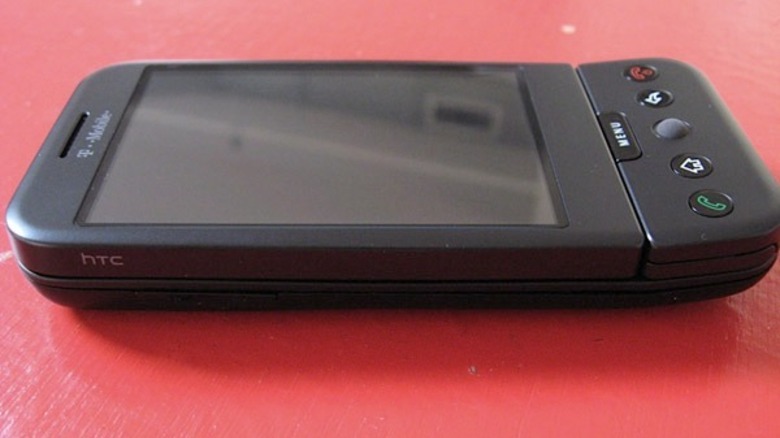
The T-Mobile G1 shipped with Android 1.0, though the dessert naming convention wouldn’t officially start until Android 1.5, retroactively known as "Cupcake." For early adopters, holding the G1 felt akin to cradling the future, despite its undeniably unrefined appearance. It was, by most accounts, a crooked hunk of plastic, defying the extensive efforts of 50 HTC engineers who had reportedly relocated to California to collaborate with Google on its design. Yet, what the G1 achieved on-screen was undeniable in its potential.
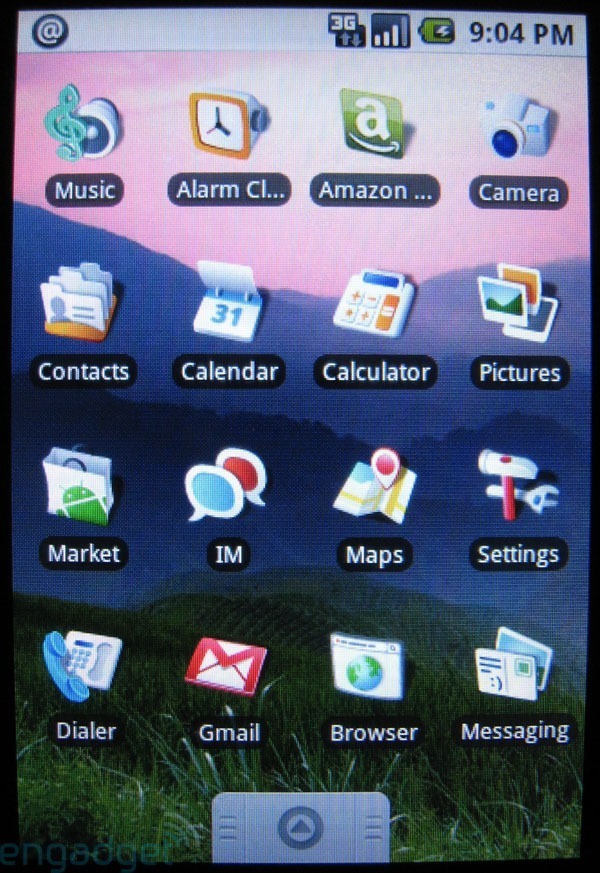
Android 1.0, and its subsequent upgrades to 1.5 Cupcake and 1.6 Donut, embodied a candy-coated charm, a playful aesthetic that sharply contrasted with Apple’s more grounded, skeuomorphic approach in early iOS. Google’s decision to drop the dessert-themed naming scheme after Android 9 Pie (Android 10 onwards adopted numerical names) was, in retrospect, a symbolic shift signaling a move towards corporate maturity and away from the whimsical, experimental phase of its early years.
Early iterations of Android, particularly 1.0, were conspicuously missing several features that would later become standard, or were already hallmarks of the iPhone. There was no on-screen keyboard, forcing reliance on the physical QWERTY keyboard, and the now-ubiquitous copy-paste functionality was absent. Both of these crucial features finally arrived with Android 1.5 Cupcake in 2009. Multitouch support, one of the original iPhone’s most celebrated innovations, was also noticeably missing from Android 1.0, arriving in a more robust form with later versions.
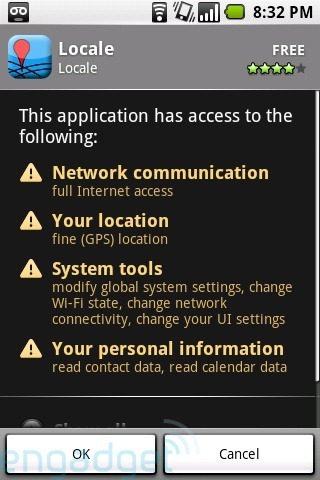
However, Android 1.0 launched with a critical component that proved foundational to its future success: the Android Market. This precursor to the Google Play Store demonstrated Google’s shrewd understanding from the outset that third-party developer buy-in was paramount to platform viability. While Steve Jobs initially resisted the idea of a comprehensive App Store for the iPhone, and platforms like Windows Phone later faltered due to a lack of developer support, Google embraced an open development model. This allowed for a rapid proliferation of applications, quickly establishing a diverse and expansive ecosystem that became a major draw for users. Within its first year, the Android Market already hosted over 10,000 applications, a figure that would explode into millions within a few years.
One prominent UI element that Google remarkably "nailed" from the outset and which persists virtually unaltered to this day is the notification shade. A simple pull-down gesture from the top of the screen revealed a neat, scrollable list of unacknowledged alerts. This intuitive and highly efficient system for managing notifications was a groundbreaking innovation in mobile user experience, so effective that Apple eventually adopted a similar mechanism for iOS, underscoring Android’s early influence on industry standards.
The Evolution and Rise to Global Dominance: A Chronological Overview
Android’s journey from a promising mess to global dominance is a story of continuous innovation, strategic partnerships, and relentless refinement.

- Android 1.5 Cupcake (April 2009): Marked the first official "dessert" name. Introduced the on-screen keyboard, video recording, and widget support, allowing for greater customization of the home screen.
- Android 1.6 Donut (September 2009): Added support for different screen resolutions, a crucial step for device diversification, and improved search integration.
- Android 2.0/2.1 Eclair (October 2009 / January 2010): A significant leap forward, bringing multiple Google accounts, turn-by-turn navigation in Google Maps, and improved browser performance. It also introduced live wallpapers and enhanced camera features.
- Android 2.2 Froyo (May 2010): Focused on performance enhancements, including the JIT compiler, and brought features like Wi-Fi hotspot functionality and Adobe Flash support, which was a major differentiator at the time.
- Android 2.3 Gingerbread (December 2010): Refined the user interface with a darker color scheme, improved power management, and introduced NFC support. It also saw the rise of Samsung’s Galaxy S series, which became a major Android flagship.
- Android 3.0 Honeycomb (February 2011): A tablet-specific version, indicating Google’s ambition beyond smartphones. It featured a redesigned UI optimized for larger screens.
- Android 4.0 Ice Cream Sandwich (October 2011): A landmark release that unified the phone and tablet interfaces, introducing a modern "Holo" design language, face unlock, and a more robust notification system. This version was critical in establishing a more consistent Android experience across devices.
- Android 4.1-4.3 Jelly Bean (July 2012 – July 2013): Introduced "Project Butter," a major initiative to improve UI smoothness and responsiveness by incorporating vsync, triple buffering, and improved touch latency. This addressed a major criticism of Android’s perceived "jankiness" compared to iOS. Features like Google Now and actionable notifications also debuted.
- Android 4.4 KitKat (October 2013): Optimized for lower-end devices with 512 MB of RAM, significantly expanding Android’s reach into emerging markets. It also brought a more refined, lighter aesthetic.
- Android 5.0 Lollipop (November 2014): Introduced "Material Design," a bold, flat, and responsive design language that revolutionized Android’s visual identity and influenced design across the web and other platforms. It also brought a new runtime (ART) for improved app performance and battery life.
- Android 6.0 Marshmallow (October 2015): Focused on refinements, including granular app permissions, Google Now on Tap, and Doze mode for improved battery management.
- Android 7.0 Nougat (August 2016): Introduced split-screen multitasking, bundled notifications, and Vulkan API support for improved graphics.
- Android 8.0 Oreo (August 2017): Brought picture-in-picture mode, notification channels, and Project Treble for faster OEM updates.
- Android 9 Pie (August 2018): Introduced gesture navigation, adaptive battery, and digital wellbeing tools.
- Android 10 (September 2019): The first version to drop the dessert naming. Focused on privacy controls, dark mode, and foldable phone support.
- Android 11, 12, 13, 14, 15, 16, 17: Subsequent versions continued to refine UI (Material You), enhance privacy, improve connectivity, and integrate AI more deeply into the OS.
By 2010, the Android market share began its exponential growth. Manufacturers like Samsung, LG, Sony, and Motorola fully embraced the platform, each putting their unique visual styles and feature sets atop the base Android operating system. This led to both unprecedented choice for consumers and, at times, significant fragmentation in terms of user experience and update cycles. Samsung’s "TouchWiz" (later "One UI"), HTC’s "Sense," and Motorola’s near-stock Android experiences became distinct flavors within the broader Android ecosystem. By 2013, Android had surpassed iOS to become the dominant mobile operating system globally, holding over 75% of the smartphone market share, a position it has largely maintained since.
Modern Android: Maturity, Ecosystem, and Evolving Philosophy
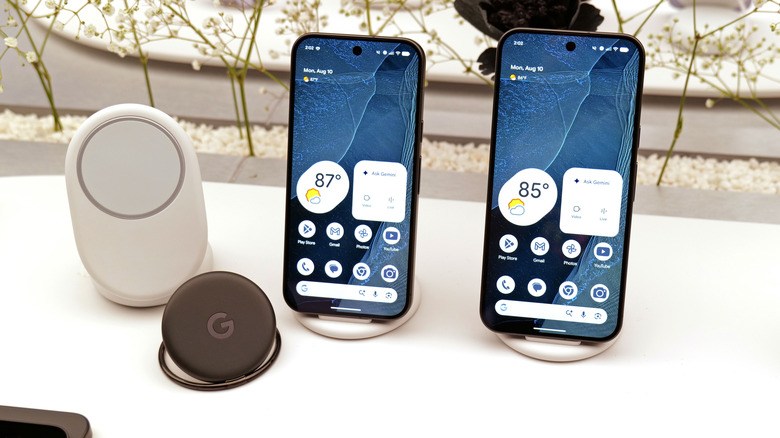
Comparing Android 1.0 to the latest iterations, such as the current Android 17 (as of this writing), reveals a fascinating dichotomy: a striking underlying continuity alongside a world of functional and aesthetic differences. Today, the "flavors" of Android are more numerous and distinct than ever. A Google Pixel 11 Pro running Google’s interpretation of Android, often referred to as "stock" or "Pixel experience," can look and feel markedly different from a Samsung Galaxy S26 Ultra, which boasts Samsung’s heavily customized One UI. This diversification extends to devices from Motorola, Xiaomi, OnePlus, and many others, each offering a unique take on the Android experience.
Massive strides in mobile processor technology have transformed the hardware landscape. Early Android phones like the G1 with its diminutive 3.2-inch LCD panel have given way to flagship Android devices featuring enormous, vibrant, high-refresh-rate OLED displays that offer unparalleled visual fidelity and responsiveness. In 2012, Google launched "Project Butter" with Android 4.1 Jelly Bean, a dedicated initiative to make Android run more smoothly and responsively, directly addressing its earlier reputation for a somewhat "janky" and laggy user experience. This foundational work paved the way for Android to become significantly more expressive and fluid, culminating in modern design systems like Material You, which offers adaptive theming and deep personalization.
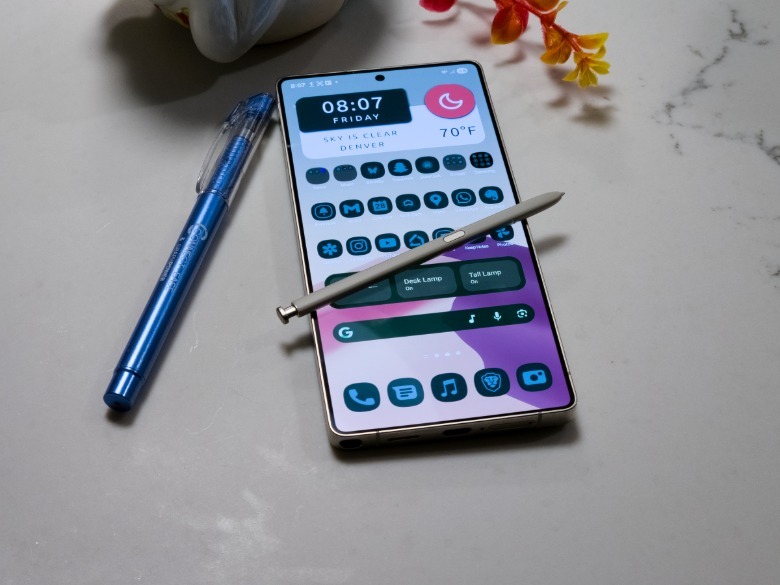
The Android ecosystem has blossomed into a comprehensive and deeply integrated network of devices and services. Features such as end-to-end encrypted RCS messaging within Google Messages are now standard, offering a richer, more secure communication experience akin to Apple’s iMessage. Seamless file sharing between Android devices and even Windows PCs is facilitated by "Quick Share," Google’s answer to Apple’s AirDrop. The proliferation of smartwatches powered by Wear OS, smart home devices integrated with Google Home, and in-car entertainment systems running Android Auto demonstrate the pervasive reach of the Android platform far beyond the smartphone. This interconnectedness provides a holistic digital experience for users, enhancing convenience and productivity across various aspects of daily life.
However, this evolution has also brought about a shift in Android’s philosophical underpinnings, particularly concerning its "openness." Google’s increasingly restrictive plans for the future of Android software have placed the larger app ecosystem more firmly within its control, driven by motivations such as enhancing security, ensuring app quality, and maintaining a consistent user experience. Simultaneously, massively influential manufacturers, most notably Samsung, have adopted practices that, while beneficial for mainstream users, are less appealing to enthusiasts. These include locking down bootloaders, which makes custom ROM development and deep system modifications more challenging, and the progressive removal of hardware options such as headphone jacks, IR blasters, and SD card slots. These decisions, often driven by design aesthetics, waterproofing, or pushing cloud services, have led to a more streamlined but less customizable and expandable user experience.
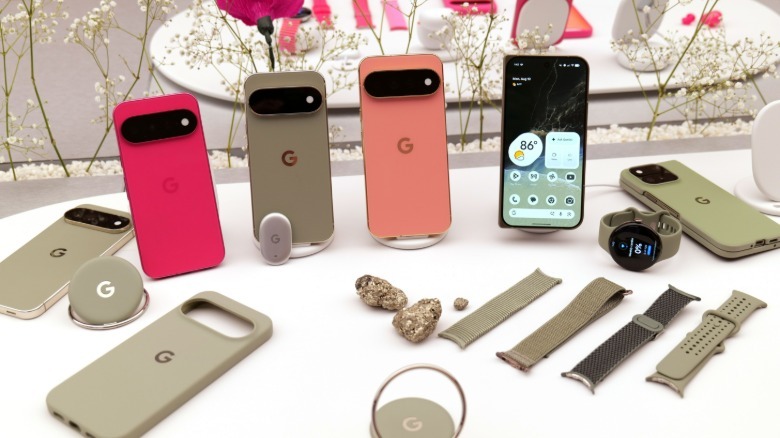
The implications are clear: today’s Android is a mature, incredibly powerful, and universally useful operating system for the vast majority of users, offering unparalleled access to information, communication, and entertainment. Its stability, security (thanks to continuous updates and Google Play Protect), and ease of use have made it indispensable. Yet, for the tech enthusiasts and tinkerers who reveled in the early days of Android’s boundless customization and open-source spirit, the platform has become, in some respects, a less exciting playground. The trade-off between absolute freedom and widespread utility reflects Android’s journey from a scrappy underdog to a polished, dominant force in the global technology landscape, navigating the complexities of mass adoption while striving to maintain its innovative edge. As Android continues to evolve, integrating cutting-edge AI, adapting to new form factors like foldables, and pushing into augmented reality, it remains a testament to the dynamic and ever-changing nature of mobile technology.







