Vera Intan Clara
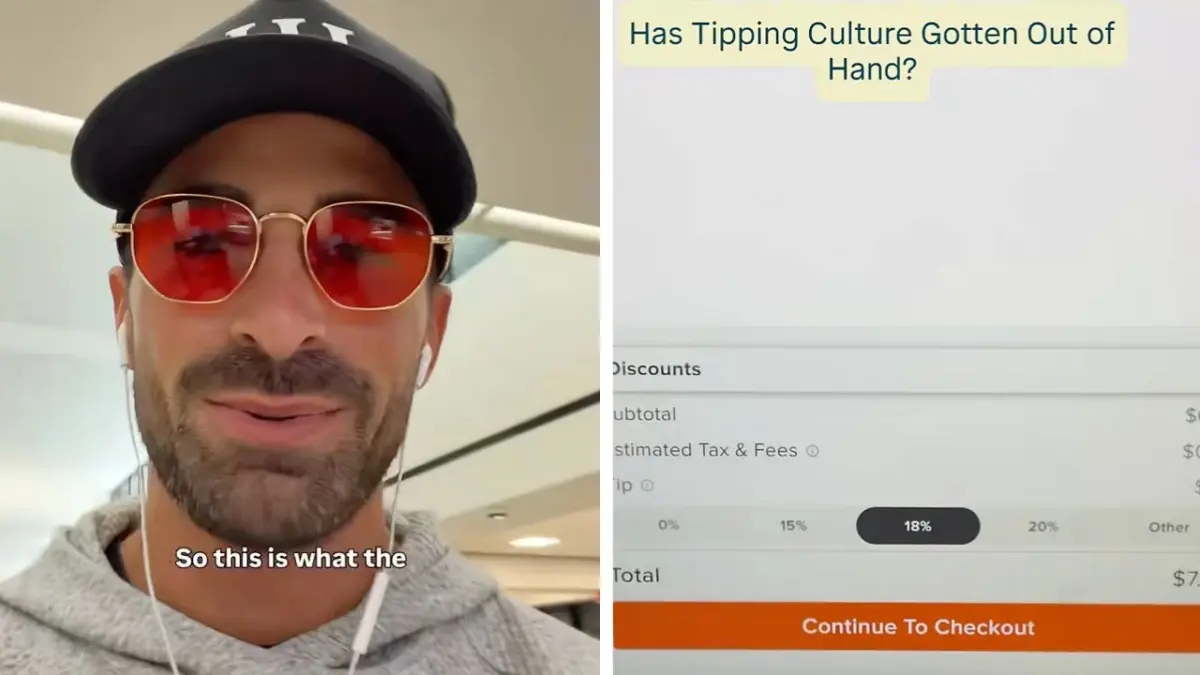
On May 23, 2024, a TikTok video posted by creator Tyler Wilson, known as @tylerwilsoncomedy on the platform, ignited a widespread discussion among customer service professionals, resonating with hundreds of thousands who have experienced the unique challenges of their roles. Wilson’s video, captioned "I hope my customer service reps have a good day," struck a chord by highlighting the common frustration of being asked seemingly obvious questions, prompting a cascade of responses from workers across various service industries. The post quickly amassed significant engagement, garnering approximately 241,000 likes and over 3,000 comments shortly after its publication, underscoring a collective sentiment rarely articulated so openly in public forums.
The Genesis of a Viral Phenomenon: Tyler Wilson’s Observation
The premise of Wilson’s video was straightforward yet profoundly relatable: customer service jobs, he posited, would be considerably less taxing if employees were permitted to respond with unfiltered honesty when confronted with questions whose answers appeared self-evident. To illustrate his point, Wilson recounted an experience from his time working at a car rental company. He described a scenario where a customer inquired about rescheduling an appointment at the same location. Wilson reflected on the internal struggle, considering an exasperated "Yeah" before pondering the absurdity of the question – where else, he wondered, would the customer conceivably expect to reschedule the appointment? This simple yet potent example served as the catalyst, unlocking a floodgate of similar anecdotes from countless individuals toiling in customer-facing roles.
The video’s rapid ascent to viral status can be attributed to its tapping into a universal experience within the service sector. In an era where customer service interactions are under constant scrutiny and often recorded, employees are frequently bound by strict protocols designed to maintain politeness and de-escalate potential conflicts, regardless of the nature of the customer’s query. Wilson’s lighthearted yet pointed commentary provided a much-needed outlet for this pent-up frustration, transforming his personal anecdote into a shared narrative of professional exasperation.
A Chorus of "Duh": Shared Experiences Across Industries
Following Wilson’s initial post, the comments section swiftly transformed into a digital confessional for workers from diverse service environments, including retail, restaurants, cafés, and other sectors requiring direct customer interaction. Hundreds of individuals contributed their own examples, revealing the pervasive nature of these "duh" questions.
One particularly resonant exchange revolved around the common query, "Why are you working on a holiday?" To this, a commenter offered the succinct and widely applauded retort, "Because you are here." This reply alone garnered more than 53,000 likes, highlighting the collective understanding of the irony and often unacknowledged sacrifice inherent in working during public holidays to serve customers who are themselves enjoying time off. This particular example underscores a broader societal issue: the often-unseen labor and personal cost borne by service workers to facilitate the convenience of others.
Further examples continued to paint a vivid picture of daily challenges. An employee recounted a customer asking, "What time do you close?" despite the business’s operating hours being readily available online, often alongside the very phone number used to contact them. Another commenter highlighted the common absurdity of customers inquiring if a business was open, even as staff were visibly present, engaged in tasks, or actively answering phone calls – clear indicators of ongoing operation. These instances point to a perceived lack of basic observation or initiative on the part of some customers, adding to the mental load of employees.
The Ubiquitous "Do You Work Here?": A Symbol of Disconnect
Perhaps one of the most frequently cited and universally recognized "duh" questions was, "Do you work here?" This query, often posed to individuals clearly identifiable as employees through their uniforms, name tags, radios, or company-branded attire, became a recurring theme in the comments. Workers shared humorous and often exasperated accounts of being asked this question while performing their duties. One particularly witty commenter quipped that, despite wearing the store’s T-shirt or vest, they were merely "a big fan" of the establishment, not an actual employee. This pervasive question symbolizes a deeper disconnect, where customers either fail to process visual cues or perhaps employ it as a conversational opener, inadvertently adding to the emotional labor of the employee.
Other familiar conversations further illustrated the communication breakdowns. A cashier recounted asking, "Cash or card?" only to receive the unhelpful and often confusing reply, "Yes," from a customer. This simple interaction, while seemingly minor, reflects a common pattern of customers not fully engaging with or processing the questions posed to them, requiring additional clarification and slowing down transactions. Another employee recalled a customer asking for the location of the cash register while standing directly in front of it, a scenario that borders on the surreal for those on the other side of the counter.
Coping Mechanisms and the Emotional Toll
In response to these daily frustrations, some service workers have developed subtle coping mechanisms to express their exasperation without violating professional boundaries. One commenter noted that a "blank stare" was often "respectable enough" to convey their feelings, while another expressed a fervent wish to be able to ask customers, "Are you [serious]?" at least once per shift. These methods, while understated, highlight the constant internal negotiation employees undertake to manage their emotions while adhering to company policies on politeness.
The broader implication of these interactions points to the concept of emotional labor, a term coined by sociologist Arlie Hochschild. Emotional labor refers to the process of managing feelings and expressions to fulfill the emotional requirements of a job. For customer service professionals, this often means maintaining a pleasant demeanor and suppressing genuine frustration, even in the face of illogical or disrespectful behavior. The constant performance of emotional labor can lead to significant psychological strain, burnout, and a feeling of depersonalization, contributing to high turnover rates in service industries.
The Unspoken Contract: Politeness and Its Imbalance
A widely acknowledged expectation within customer service is that employees must maintain politeness and a positive attitude, irrespective of the customer’s behavior. This implicit contract was highlighted by a commenter who wrote, "Customer service jobs wouldn’t be as bad if the workers could also return attitude to the customers without any repercussions." This statement encapsulates the core imbalance of power dynamics in many service interactions, where employees are often expected to absorb rudeness or condescension without retaliation, for fear of disciplinary action or negative customer feedback.
This expectation places an immense burden on service workers, who often feel disempowered and undervalued. Research consistently shows that a significant portion of customer service representatives report experiencing verbal abuse or disrespectful behavior from customers. A 2023 study by Salesforce, for instance, indicated that nearly 80% of service professionals believe that difficult customers are a major challenge, contributing to stress and burnout. This environment of one-sided tolerance fosters a culture where employees feel they cannot genuinely express themselves, leading to suppressed emotions and decreased job satisfaction.
Broader Implications: Industry Challenges and Societal Respect
The viral success of Tyler Wilson’s video and the subsequent outpouring of shared experiences are symptomatic of larger issues within the customer service industry and, arguably, society at large. The discussion extends beyond mere annoyance, touching upon critical aspects of employee well-being, industry sustainability, and the fundamental nature of human interaction in commercial settings.
High Turnover and Industry Strain: Customer service roles frequently experience high turnover rates. Data from the Bureau of Labor Statistics consistently shows that industries reliant on customer service, such as retail and hospitality, face significant challenges in retaining staff. While various factors contribute to this, the emotional toll of dealing with difficult or thoughtless customers is a major driver. A 2022 report by the Customer Service Institute of America highlighted that employee burnout, often linked to stressful customer interactions, costs businesses billions annually in recruitment and training expenses. When employees feel consistently disrespected or undervalued, their motivation wanes, leading to disengagement and eventual departure.
The Economic Impact of Poor Interactions: While difficult customers are often framed as an employee problem, they also have tangible economic consequences for businesses. Negative employee experiences can translate into reduced productivity, lower service quality, and ultimately, diminished customer satisfaction. When employees are stressed or disengaged, their ability to provide excellent service is compromised, potentially leading to customer churn and damage to a company’s reputation. A 2023 study by Zendesk revealed that 70% of customers expect personalized and smooth interactions, and if they don’t receive it, they are likely to switch to a competitor. Employee morale is directly linked to the quality of service delivered.
The Role of Technology: The proliferation of digital platforms and self-service options was once heralded as a solution to reduce routine customer interactions, theoretically allowing human agents to focus on more complex issues. However, as the TikTok comments illustrate, even with readily available information online (like business hours or product details), customers frequently opt to ask employees basic questions. This suggests a potential over-reliance on human interaction for simple queries, or perhaps a generational gap in information-seeking behavior. Conversely, technology also provides new avenues for customer complaints and public shaming, adding another layer of pressure on service representatives.
A Call for Empathy and Understanding: The most common suggestion among commenters was that everyone should experience working in customer service for at least a year. This sentiment reflects a deep-seated belief that direct exposure to the challenges of the role would foster greater empathy and understanding among the general public. Such an experience, it is argued, would highlight the demanding nature of emotional labor, the constant need for patience, and the cumulative effect of seemingly minor frustrations. It suggests a societal need for increased awareness and respect for the individuals who form the backbone of the service economy.
TikTok as a Catalyst for Collective Action and Awareness:
Tyler Wilson’s video is more than just a fleeting viral moment; it represents a significant instance of "labor TikTok," a growing phenomenon where workers use social media platforms to share their experiences, voice frustrations, and build solidarity. These platforms offer an unfiltered space for employees to discuss working conditions, expose injustices, and find community, often circumventing traditional media or corporate communication channels. In this case, TikTok provided a vital forum for service workers to feel seen, heard, and understood, validating their daily struggles in a way that often isn’t possible in their workplaces. The platform’s algorithm amplified these voices, transforming individual grievances into a collective outcry that resonated globally. This digital camaraderie, while not directly leading to policy changes, undoubtedly contributes to a broader cultural conversation about labor rights, employee well-being, and the ethics of customer interactions.
Conclusion: A Mirror to Modern Service
The outpouring of responses to Tyler Wilson’s TikTok video serves as a powerful mirror reflecting the contemporary landscape of customer service. It highlights not only the specific frustrations related to seemingly obvious questions but also the deeper, systemic issues of emotional labor, the imbalance of expectations, and the persistent need for greater empathy in daily interactions. As businesses increasingly prioritize customer experience, the well-being of their frontline employees must also be a central concern. Recognizing and addressing the challenges faced by service workers, fostering environments where they feel respected and empowered, and encouraging a culture of mutual understanding between customers and employees are crucial steps toward a more sustainable and humane service economy. The conversation sparked by a single comedic video underscores a profound truth: behind every service interaction is a human being, deserving of courtesy and respect, regardless of the simplicity or complexity of the question at hand.
The Daily Dot was unable to independently verify the events described in this video. The details above reflect the account as shared on TikTok by @tylerwilsoncomedy.