Sonny Valindra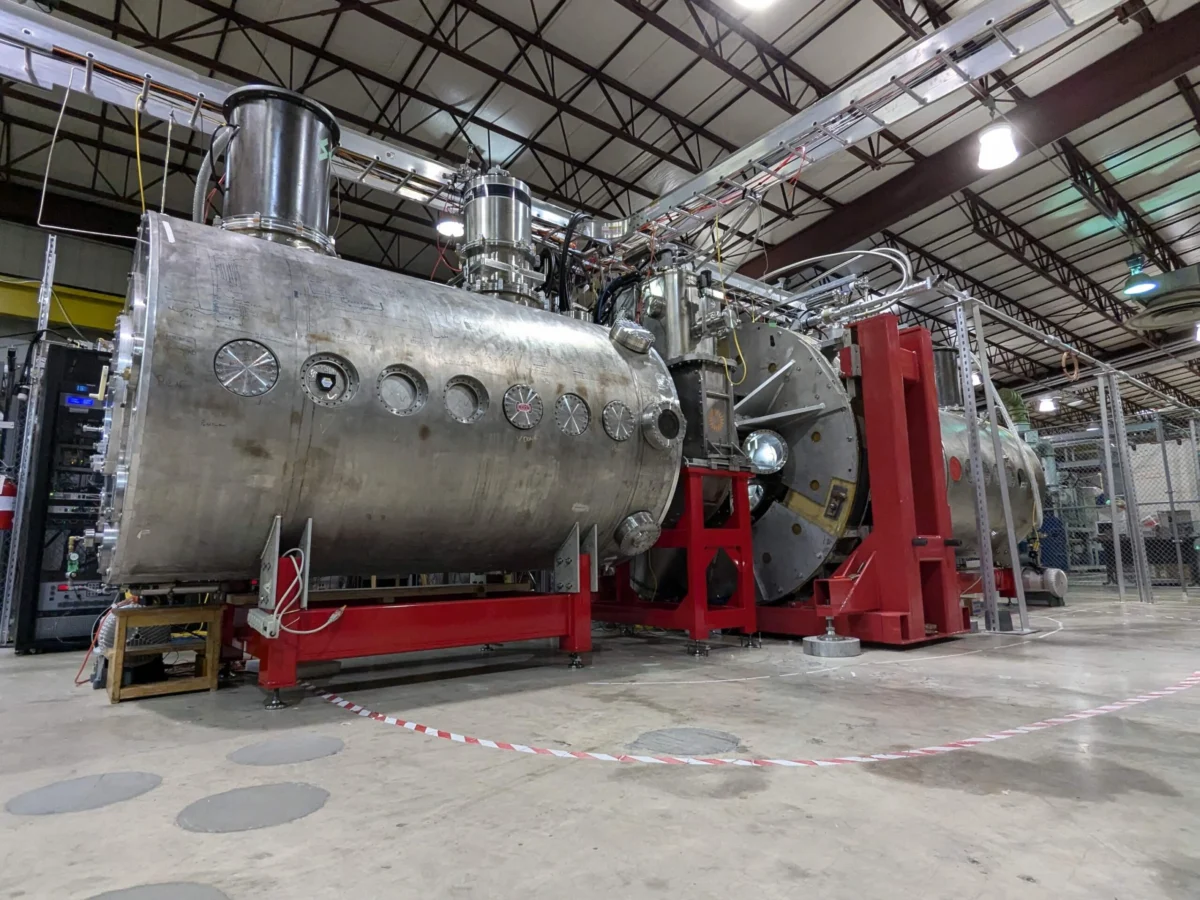
The burgeoning field of fusion energy has taken a significant leap forward with the announcement of a groundbreaking partnership between fusion startup Realta Fusion and Madison Gas and Electric (MG&E). This collaboration is set to bring one of the nation’s first grid-connected fusion power plants to Wisconsin, signaling a pivotal moment in the long pursuit of clean, virtually limitless energy. The deal underscores a growing trend of utilities actively seeking out and investing in fusion technology, a trend driven by both the rapid advancements in fusion science and a palpable anxiety within the energy sector regarding future power supply.
This strategic alliance between Realta Fusion and MG&E serves as a crucial real-world validation for the fusion sector. For emerging fusion companies, such partnerships offer a multifaceted advantage, providing essential engineering support, navigating complex permitting processes, identifying optimal sites for grid interconnection, and securing land leases. These are critical components for transitioning from laboratory-based research to operational power generation. Simultaneously, utilities gain invaluable early access to a transformative technology with the potential to fundamentally reshape the electrical grid for generations to come.
The significance of such agreements cannot be overstated. Historically, only a select few fusion startups have managed to secure partnerships with established utilities. Therefore, this latest pact between Realta Fusion and MG&E marks it as a particularly newsworthy development, highlighting the increasing viability and appeal of fusion power.
A 200-Megawatt Vision for Wisconsin’s Future
Under the terms of the agreement, Realta Fusion and MG&E will collaborate on the exploration and potential construction of a 200-megawatt fusion power plant. This capacity is substantial, representing enough electricity to power a small city, and is tentatively slated for operation in the mid-2030s. Beyond the development of the plant itself, MG&E has also made an equity investment in Realta Fusion, though the specific financial details of this investment remain undisclosed. Realta Fusion has not yet provided further information regarding these specifics in response to inquiries.
This partnership also grants Realta Fusion crucial access to interconnection sites, a vital advantage as the global energy landscape grapples with integrating diverse power sources into an increasingly complex and interconnected electrical grid. Moreover, the agreement includes provisions for engineering and technical assistance, alongside crucial financing for the eventual power plant.
Realta Fusion is currently undertaking a significant transformation of an abandoned Oscar Mayer factory in Madison, Wisconsin, repurposing it into a dedicated research and development facility. This ambitious project signifies the company’s commitment to tangible progress and its strategic positioning within a region known for its technological innovation.
The Evolving Landscape of Utility Partnerships
Utilities, traditionally characterized by their cautious approach to adopting new technologies, have historically been hesitant regarding fusion. For decades, fusion power was often described as being "just over the horizon," a promise that repeatedly failed to materialize into a practical energy source. However, the past few years have witnessed remarkable breakthroughs in both the scientific understanding and engineering challenges of fusion energy. These advancements, coupled with the insatiable and rapidly growing demand for electricity driven by artificial intelligence data centers, have effectively brought utilities to the negotiating table.
Fusion power presents a compelling solution for many utilities facing the complexities of integrating intermittent renewable energy sources like wind and solar. While these clean energy alternatives are cost-effective and environmentally friendly, their output is dependent on variable weather conditions. Although battery storage technologies have emerged as a valuable tool for stabilizing renewable energy flows, utilities are actively seeking dispatchable, fossil-fuel-free alternatives that can reliably provide 24/7 power – often referred to as baseload power. Fusion power plants, designed to operate continuously, offer a tantalizingly familiar operational profile to grid operators, despite the inherently complex and advanced nature of their underlying technology.
A Wave of Utility-Fusion Collaborations
Realta Fusion is not an isolated case; several other fusion startups have also inked significant deals with utilities, each representing a step towards commercializing fusion energy.
Commonwealth Fusion Systems (CFS), perhaps the most advanced in terms of utility partnerships, is nearly two years into its collaboration with Dominion Energy. CFS has secured land leases from Dominion for its first commercial-scale power plant, known as Arc, which is slated to connect to the grid near Richmond, Virginia. The Arc plant is expected to generate 400 megawatts of electricity, with an anticipated operational launch in the early 2030s. Notably, tech giant Google and Italian energy company Eni have both committed to purchasing electricity from the Arc plant, further validating the commercial prospects of this venture.
On the West Coast, Helion is collaborating with the Chelan County Public Utility District in Washington State for its first power plant, Polaris. Helion leases land from the utility and aims to bring its 50-megawatt facility online in 2028. This plant will fulfill a significant power purchase agreement with Microsoft, highlighting the growing interest from major technology companies in securing clean and reliable energy sources.
Positioned between these two entities in terms of scale and timeline is Type One Energy. This startup is planning to construct a 350-megawatt power plant, Infinity Two, on the site of a former coal-fired power plant near Oak Ridge, Tennessee. This initiative is part of a broader agreement with the Tennessee Valley Authority (TVA), with Type One Energy hoping to supply electricity to the grid by the mid-2030s.
In Europe, Proxima Fusion is pursuing a novel approach by planning to redevelop an existing power plant site in southern Germany. In February, the company announced its intention to build its first commercial power plant, Stellaris, on the grounds of an old fission power plant being decommissioned by RWE, a major European utility. This move is particularly significant given Germany’s phased withdrawal from nuclear energy. RWE is also an investor in Proxima Fusion, demonstrating a shared vision for the future of energy. Stellaris is projected to begin operations in the late 2030s.
Tangible Benefits and Long-Term Implications
For fusion startups, the immediate benefits of these utility partnerships are clear and substantial. They gain access to invaluable expertise, critical infrastructure, and prime real estate that might otherwise be prohibitively expensive or logistically challenging to acquire. This collaborative model offers a capital-efficient pathway to de-risk a business inherently characterized by high capital expenditure requirements.
While the rewards for utilities are projected to be realized further down the line, the potential payoff in terms of securing a future supply of clean, reliable, and abundant energy is immense. Utilities are accustomed to managing projects with lengthy development timelines. However, the inherent risks associated with fusion power are significant, a factor that has historically tempered their willingness to engage in such ventures.
Nevertheless, the prospect of an underpowered or unreliable grid represents an even greater gamble. By investing in fusion technology now, utilities are making a strategic bet on a technology that promises to secure their business and meet the escalating energy demands of the future. While the construction of a commercial fusion power plant may take a decade or more, from the perspective of the utility sector, this timeframe is effectively "tomorrow" in the context of long-term energy planning and infrastructure development. This proactive engagement signals a fundamental shift in how utilities are approaching energy security and the transition to a sustainable future.