George Chandra Eka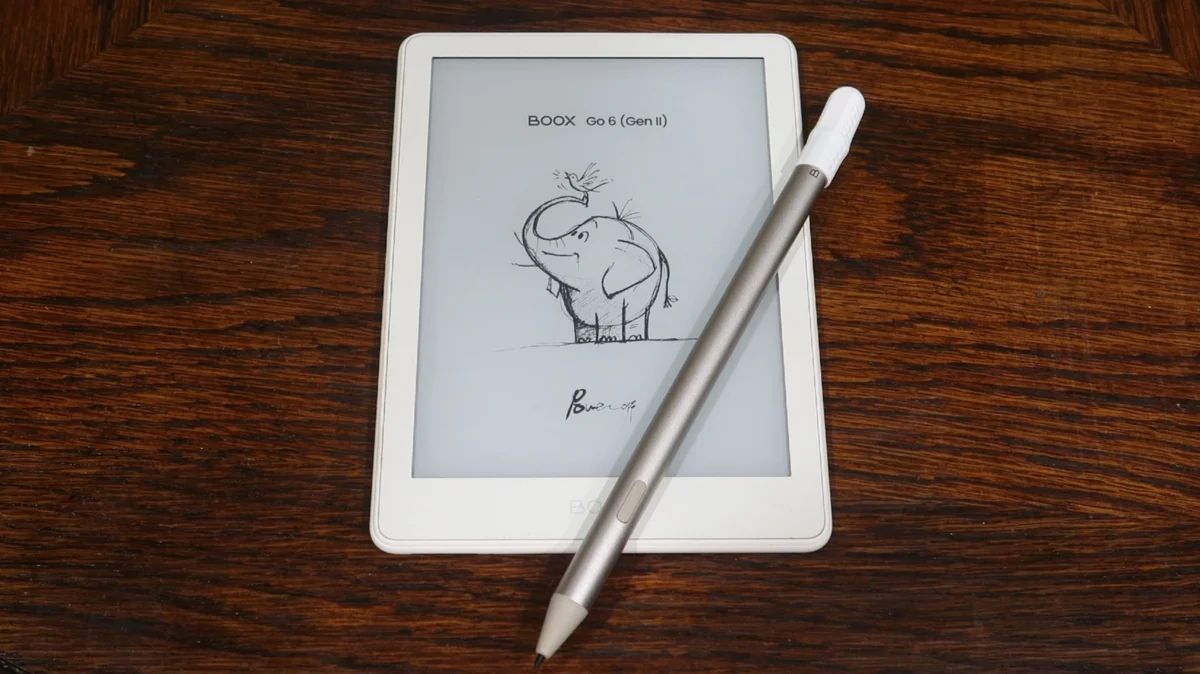
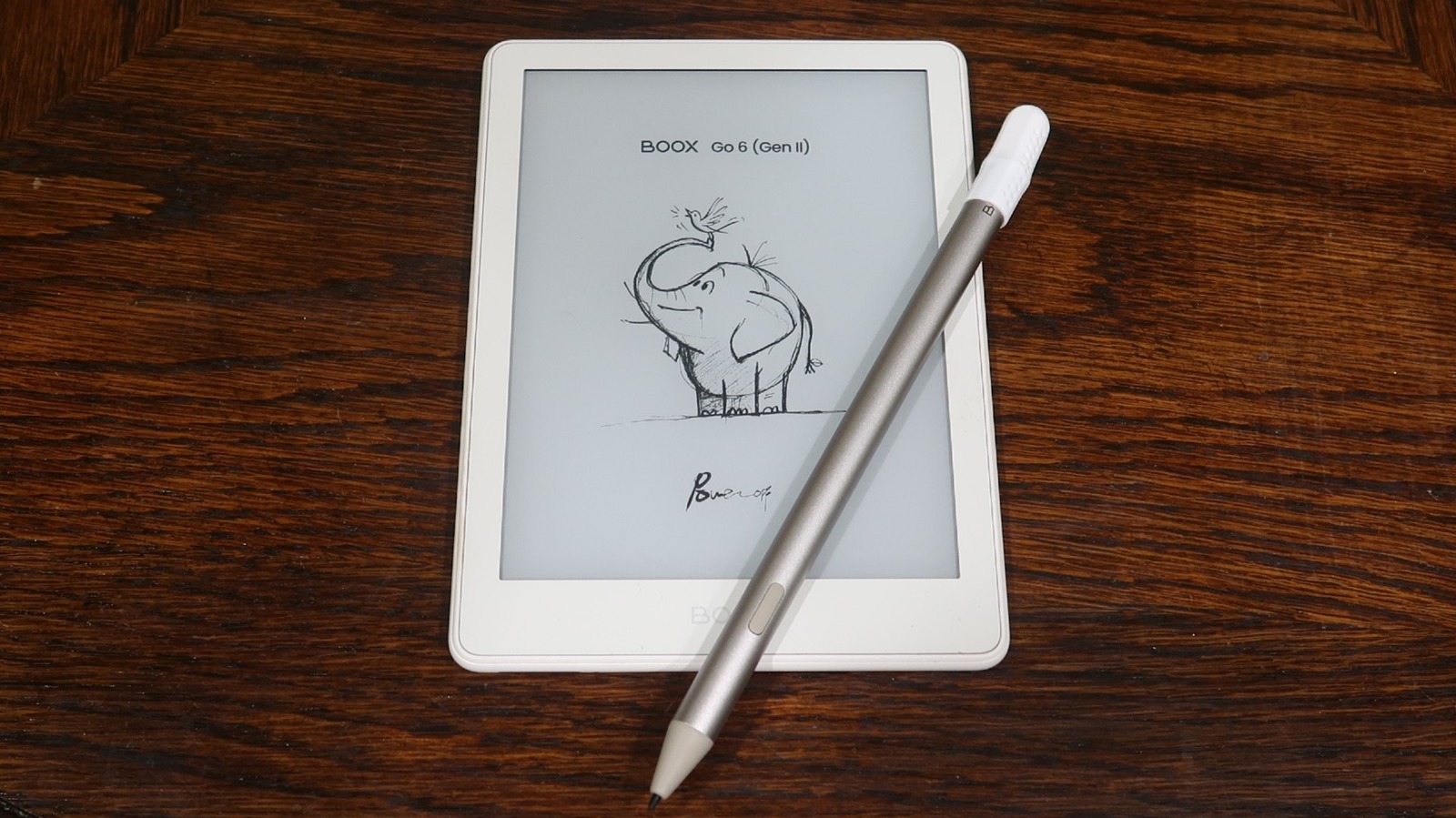
The landscape of digital reading continues to evolve, with specialized E Ink devices offering a distinct alternative to tablets and smartphones. While Amazon’s Kindle and Kobo have long dominated the e-reader market with their proprietary ecosystems, a segment of users increasingly seeks greater flexibility and open access to a wider array of reading applications. Enter Boox, a brand carving out its niche by integrating the versatile Android operating system with power-efficient E Ink displays. The company’s latest offering, the $200 Boox Go 6 (Gen II), launched earlier this summer, aims to cater to this demand, providing a compact, feature-rich Android e-reader now enhanced with stylus support. This second-generation device presents a compelling proposition for those seeking an unconstrained digital reading experience, albeit with certain inherent compromises.
The Evolving E-Reader Market and Boox’s Position
For years, the e-reader market has been largely bifurcated between Amazon’s Kindle and Rakuten Kobo, both offering robust, user-friendly devices deeply integrated with their respective digital storefronts. These platforms prioritize simplicity, extended battery life, and optimized reading experiences within their walled gardens. However, as digital content consumption diversifies across numerous platforms – from public libraries leveraging OverDrive and Libby to independent bookstores utilizing apps like Bookshop.org, and social reading networks such as The StoryGraph – consumers are increasingly finding themselves tethered to multiple applications. This fragmentation has created a demand for devices that can unify these disparate reading experiences.
Boox has strategically positioned itself to address this gap. By equipping its E Ink devices with a full Android operating system and access to the Google Play Store, Boox liberates users from platform restrictions. This approach allows readers to download and utilize virtually any Android reading, audiobook, or document management application, transforming the e-reader from a single-purpose device into a versatile digital content hub. The Boox Go 6 (Gen II) is a testament to this philosophy, aiming to consolidate all reading apps into one portable, eye-friendly device, now with the added functionality of stylus interaction.
Design Refinements and Core Specifications
The Boox Go 6 (Gen II) distinguishes itself with a thoughtful design refresh, departing from its predecessor with what the company describes as a "suitcase-inspired appearance." This aesthetic translates into a gently textured back panel adorned with columns of smooth ridges, offering both visual appeal and improved tactile grip. The device is available in a palette of four soft, inviting colors: Shell (a creamy off-white), Custard (pale yellow), Plum (deep purple), and Stone (light gray), allowing for a degree of personal expression. This design choice elevates the Go 6 (Gen II) beyond a purely utilitarian gadget, making it an aesthetically pleasing companion.
Under the hood, the Go 6 (Gen II) maintains a compact form factor, featuring a 6-inch E Ink display with a crisp 300 pixels per inch (PPI) resolution, ensuring sharp text and clear images. A significant upgrade from the first generation is the bump in RAM, from 2GB to 3GB, which contributes to smoother multitasking and overall system responsiveness. Storage capacity remains at a respectable 32GB, which can be further expanded via a microSD slot, a crucial feature for users who accumulate large libraries of books, audiobooks, and documents.
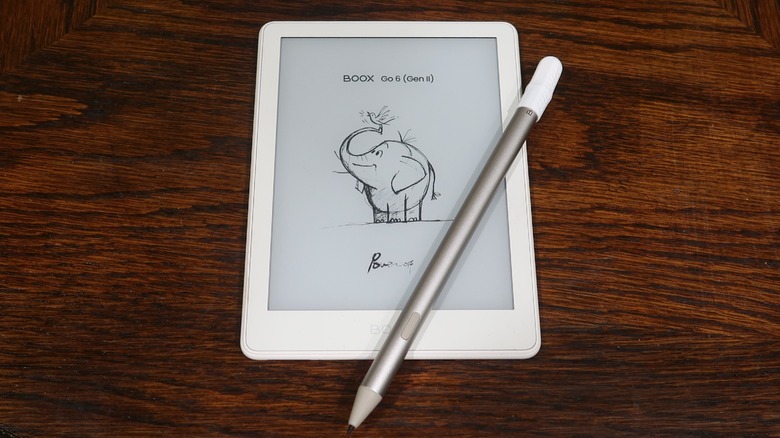
One of the most notable enhancements in the Gen II model is the introduction of stylus support. The device is compatible with Boox’s InkSense Plus stylus, which, unlike other Boox styluses, is specifically designed for this model. This enables users to directly mark up books, take notes, and engage in light drawing activities. The InkSense Plus stylus is sold separately for $46, though a bundle option provides a modest saving of approximately $13, encouraging users to adopt this new functionality.
Software and Connectivity Considerations
A critical aspect of any Android device is its operating system, and here the Boox Go 6 (Gen II) presents a point of contention. The device runs on a version of Android 11, an operating system that Google ceased providing security updates for approximately two years ago. While this might raise eyebrows for a device released in 2026, its immediate practical impact on e-reader functionality is mitigated. Most contemporary reading applications are still compatible with Android 11, and users are unlikely to encounter significant issues with app availability or performance in the short term. However, the long-term implications regarding security vulnerabilities and potential app deprecation remain a valid concern for prospective buyers. Boox’s choice to utilize an older Android version likely stems from the complexities of optimizing newer Android iterations for E Ink displays, which have different refresh rates and graphical demands than traditional LCD/OLED screens.
Connectivity options are standard for an e-reader of this caliber, including Wi-Fi for downloading content and browsing, and Bluetooth for connecting wireless headphones or other peripherals, particularly useful for audiobook consumption. The device charges via a USB-C cable, a modern and widely adopted standard. For content transfer, Boox offers multiple convenient methods: the proprietary BooxDrop tool for wireless file sharing, synchronization with popular cloud storage platforms like Dropbox and Google Drive, and traditional wired transfer via the USB-C cable. This multi-faceted approach ensures that users can easily load their desired content onto the device regardless of its origin.
User Experience: Portability, Display, and Performance
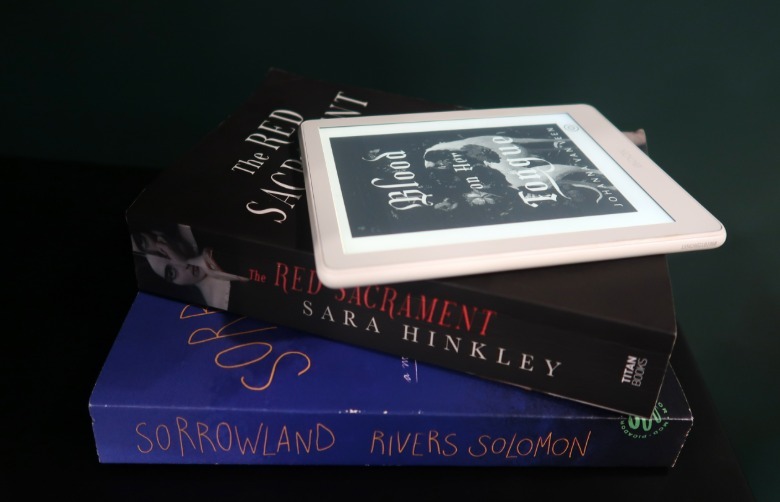
The physical dimensions and weight of the Boox Go 6 (Gen II) contribute significantly to its user appeal. Its 6-inch screen places it squarely in the "Goldilocks Zone" for portability and readability, akin to entry-level models like the Kindle and Kobo Clara BW. Weighing approximately 160 grams, it is noticeably lighter than most modern smartphones, making it exceptionally comfortable for extended reading sessions, whether at home or on the go. Its compact size allows it to fit easily into small bags, larger pockets, and is ideal for reading in bed or while lounging.
The E Ink display itself is a highlight. The 300PPI ePaper screen delivers crisp, clear text that closely mimics the experience of reading on paper, reducing eye strain, especially during prolonged use. The adjustable front light further enhances this experience, allowing users to dim or brighten the display and shift between cool and warm tones. This feature is crucial for comfortable reading in various lighting conditions, from bright daylight to dimly lit environments, actively contributing to eye comfort.
One characteristic inherent to E Ink technology is "ghosting," where remnants of previous screen content can faintly persist after a refresh. While some ghosting was observed, particularly when switching between different apps and device menus, Boox has implemented several software solutions to mitigate this. Users can choose from various refresh and color modes, and fine-tune the screen refresh frequency – for instance, setting a full refresh every 30 taps or even never. The BOOX EinkWise quick-access gesture provides granular control, allowing users to optimize specific apps by adjusting refresh and color modes, layout, contrast, and anti-flicker levels. This level of customization is vital for tailoring the E Ink experience to individual preferences and app requirements, ultimately minimizing visual distractions during actual reading.
Battery Life: The Android Trade-off
Battery longevity is often a defining characteristic of E Ink devices, with many proprietary e-readers boasting weeks of usage on a single charge. The Boox Go 6 (Gen II), with its Android operating system, presents a different profile. While it can still deliver several days of use with moderate daily reading and app usage, its 1,500mAh battery life is notably shorter than its Kindle and Kobo counterparts. This is a direct consequence of running a full Android OS, which inherently has more background processes, demands greater processing power, and offers less stringent power optimization compared to the highly specialized, minimalist operating systems found on other e-readers.
However, users can significantly extend the battery life by adopting certain practices: disabling Wi-Fi and Bluetooth when not in use, "freezing" apps to prevent them from running in the background, and keeping the front light at a low setting or off when ambient lighting permits. Despite these optimizations, the Go 6 (Gen II) remains a device that will require more frequent charging than traditional e-readers. This is a fundamental "trade-off" that users must consider: the unparalleled flexibility of Android comes at the cost of the multi-week battery endurance typical of simpler E Ink devices.
The Power of the Android Ecosystem for Reading
The primary allure of the Boox Go 6 (Gen II) lies in its unrestricted access to the Android app ecosystem. Unlike walled-garden e-readers, this device transforms into a universal reading hub, allowing users to download and utilize their preferred applications for acquiring, organizing, and consuming digital content. This includes popular library apps like Libby for borrowing e-books and audiobooks, e-commerce platforms like Bookshop.org for purchasing from independent booksellers, and social reading apps like The StoryGraph for tracking progress and reviews.
The ability to seamlessly switch between these platforms on a single device represents a significant convenience. For instance, a user can purchase a book via the Bookshop.org app, then immediately transition to The StoryGraph to log their reading and jot down initial thoughts upon completion, all without needing to switch to a smartphone or tablet. While third-party reading apps like Moon+ Reader function well, users may need to experiment with in-app settings and the Boox EinkWise tools to optimize them for the E Ink display, thereby minimizing ghosting and enhancing readability. This level of customization, while potentially requiring an initial setup investment, ultimately delivers a highly personalized and integrated reading experience.
Stylus Functionality and Digital Annotation
The introduction of stylus support on the Boox Go 6 (Gen II) adds a new dimension to the e-reading experience, moving beyond passive consumption to active engagement with content. While the 6-inch screen size may not lend itself to extensive, free-form note-taking sessions, the InkSense Plus stylus proves highly effective for annotations and highlighting. Its precision surpasses finger-based interactions, making the process of marking text smoother and more accurate.
Within Boox’s native Neo Reader application, the stylus functions seamlessly. Users can directly write on books and documents, with options to customize pen type and line width. The Smart Scribe suite, accessible via the AI button, offers intuitive features like "Underline to Highlight" and "Scribble to Erase," which make annotations feel natural and responsive. All annotated pages are conveniently organized within the Contents section, allowing users to easily revisit their notes.
For third-party applications, stylus functionality is managed through Boox’s FreeMark tool. When enabled, FreeMark allows users to take notes within any app, though these annotations serve as a temporary overlay. Upon saving, the notes disappear from the live page, but a screenshot of the marked-up page is stored in the device’s Gallery, organized by application. While not as integrated as the native Neo Reader experience, this method still provides a valuable way to capture thoughts and highlights within any app environment.
The writing experience itself is smooth and responsive, with virtually no lag between stylus input and screen display. However, it’s important to temper expectations; the Go 6 (Gen II) is an e-reader first, not a dedicated digital notebook. While the stylus is highly functional, it does not replicate the nuanced, paper-like feel found on specialized writing E Ink devices such as the Supernote Nomad. For quick notes, underlining, and drawing simple diagrams, the stylus performs admirably, enhancing the utility of the device without aspiring to replace a dedicated digital notepad.
Key Trade-offs and Target Audience
The Boox Go 6 (Gen II) is a compelling device, but its unique selling propositions come with inherent trade-offs that dictate its ideal user base. The primary compromise is the aforementioned battery life, which, while sufficient for several days of reading, pales in comparison to the weeks-long endurance of most Kindles and Kobos. This is a direct consequence of its Android operating system, which offers unparalleled flexibility but at a higher power cost.
Another notable limitation is the absence of an IP rating for water or dust resistance. This means the device is not designed to withstand immersion in water or exposure to dusty environments, making it less suitable for rugged outdoor use (e.g., at the beach, by the pool, or camping) without additional protective casing. Competitors like Kobo often include water resistance in their offerings, providing a distinct advantage in terms of durability and peace of mind for certain usage scenarios.
Despite these considerations, the Boox Go 6 (Gen II) emerges as a strong contender for a specific demographic. It is an excellent choice for individuals who have grown dissatisfied with the closed ecosystems of Amazon and Kobo, or those whose reading habits span multiple platforms and require the versatility of a full Android environment. Its ability to consolidate various reading, audiobook, and note-taking apps onto a single, eye-friendly E Ink device is its strongest selling point.
For existing owners of the first-generation Go 6, an upgrade may not be immediately necessary unless stylus support is a critical new requirement. The internal specifications and core functionality remain largely similar, making it a less impactful upgrade than for new entrants to the Boox ecosystem. However, for a user in the market for a new e-reader seeking an open, customizable, and app-agnostic experience, the Go 6 (Gen II) represents a robust and versatile option. The initial setup and optimization of various apps for the E Ink display may require a slightly more involved process than on simpler e-readers, but for tech-savvy readers, this customization can be part of the appeal.
Broader Impact and Implications
The emergence and refinement of devices like the Boox Go 6 (Gen II) signal a significant shift in the e-reader market. They challenge the long-standing dominance of proprietary ecosystems by demonstrating the viability and appeal of open Android E Ink platforms. This diversification offers consumers more choice and caters to a growing segment that values flexibility and multi-platform access over absolute simplicity and maximum battery life.
The continuous development of Android-based E Ink devices also pushes the boundaries of E Ink technology itself. As manufacturers strive to optimize Android apps for these unique displays, it fosters innovation in refresh rates, ghosting reduction, and overall E Ink performance. Furthermore, it hints at a future where the distinction between e-readers and more general-purpose tablets might blur, with E Ink devices potentially offering a broader range of functionalities beyond traditional reading, including advanced note-taking, light productivity, and even limited web browsing, all while retaining the eye-friendly benefits of E Ink. The Boox Go 6 (Gen II), with its blend of open software and hardware refinements, stands as a key example of this evolving landscape, promising a more versatile and personalized future for digital readers.