admin
admin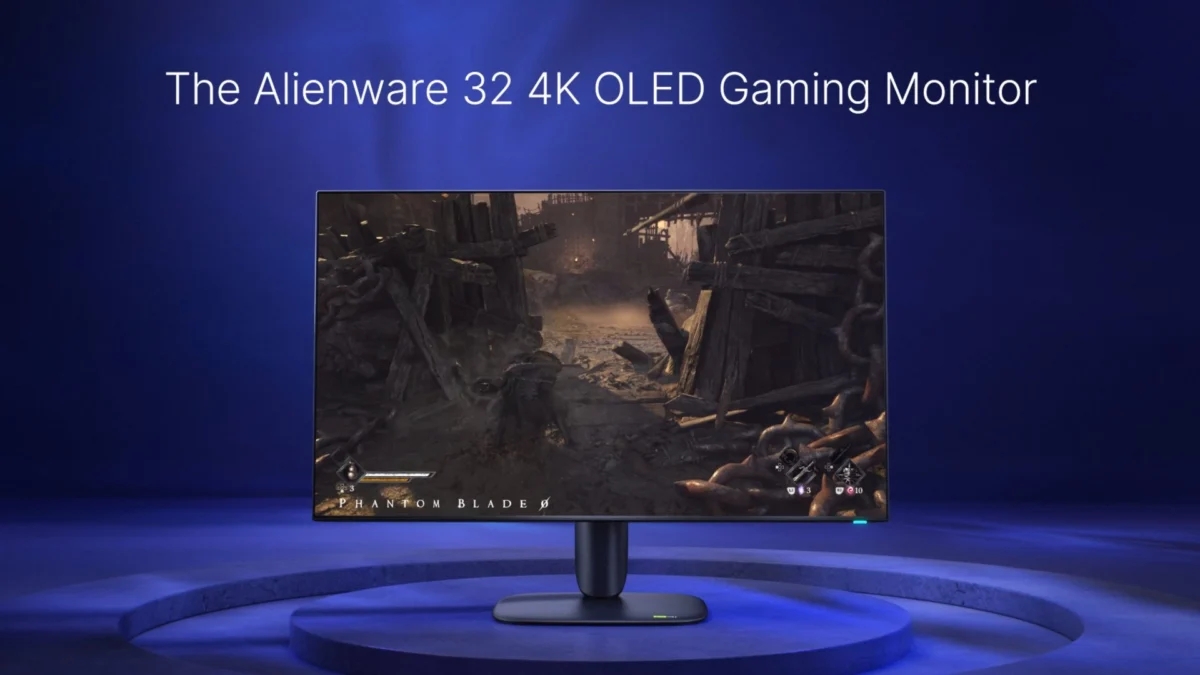
Alienware, the high-performance gaming division of Dell Technologies, has officially announced a significant expansion of its premium display portfolio with the introduction of two groundbreaking monitors: the Alienware 32 4K OLED (AW3226K) and the Alienware 25 QD-OLED (AW2527HX). These new entries into the QD-OLED and Tandem OLED markets represent a strategic pivot for the brand as it seeks to address both the ultra-high-definition enthusiast market and the hyper-competitive professional esports landscape. By integrating emerging panel technologies such as RGB Stripe Tandem OLED and ultra-high refresh rate QD-OLED, Alienware is positioning itself at the vanguard of a display industry currently transitioning away from traditional LCD-based technologies like IPS and TN.

The Evolution of 4K Gaming: The AW3226K and Tandem OLED Technology
The flagship of this announcement is the Alienware AW3226K, a 32-inch gaming monitor that delivers 4K (3840 x 2160) resolution. While 4K OLED monitors have become increasingly common over the last 24 months, the AW3226K distinguishes itself through the implementation of RGB Stripe Tandem OLED technology. This specific panel architecture is designed to solve several of the legacy issues associated with early-generation OLED displays, most notably brightness limitations and text clarity.
Tandem OLED technology utilizes a stacked pixel structure, effectively layering two organic light-emitting layers on top of one another. This configuration allows the display to achieve higher peak brightness levels while simultaneously reducing the electrical strain on each individual layer, which theoretically extends the overall lifespan of the panel. For the user, this translates to a peak HDR brightness of 1,000 nits and a VESA DisplayHDR True Black 400 certification. Furthermore, the use of an RGB Stripe subpixel layout is a critical upgrade for users who utilize their monitors for both gaming and productivity. Traditional OLED subpixel arrangements often result in color fringing around text; the RGB Stripe layout ensures that characters remain sharp and legible, making the AW3226K a viable "one-monitor" solution for professional creators and hardcore gamers alike.

In terms of performance metrics, the AW3226K offers a 165Hz native refresh rate and an industry-leading 0.03ms gray-to-gray (GtG) response time. The inclusion of 99% DCI-P3 color gamut coverage and factory-calibrated Delta E < 2 accuracy ensures that the monitor meets the color fidelity requirements of high-end cinematic gaming and color-critical work.
Pushing the Boundaries of Esports: The 560Hz AW2527HX
While the AW3226K focuses on visual fidelity, the Alienware AW2527HX is built exclusively for speed. This 24.5-inch monitor features a Full HD (1920 x 1080) resolution but pushes the refresh rate envelope to a staggering 560Hz. This move marks a definitive challenge to the traditional dominance of TN (Twisted Nematic) panels in the esports sector. For years, professional gamers favored TN panels for their high refresh rates and low motion blur, despite their poor color reproduction and narrow viewing angles.

The AW2527HX utilizes QD-OLED (Quantum Dot OLED) technology to provide the same lightning-fast response times of 0.03ms GtG while offering significantly superior color depth and contrast compared to TN or even high-end Fast-IPS panels. Developed in close collaboration with professional esports athletes from Team Liquid, the monitor includes features tailored for tournament-level play. These include a dedicated headset hanger integrated into the chassis and physical buttons that allow players to instantly toggle between 4:3 and 3:2 aspect ratios, a common preference for veterans of titles like Counter-Strike 2 and Valorant.
The AW2527HX also boasts a peak brightness of 1,500 nits and is certified for VESA DisplayHDR True Black 600. To ensure the highest possible data throughput required for a 560Hz signal, Alienware has equipped the monitor with DisplayPort 2.1 (UHBR13.5) connectivity. This allows for full bandwidth transmission without the need for Display Stream Compression (DSC), ensuring the purest possible image signal with minimal latency.

Chronology of Development and Market Availability
The development of these monitors follows a multi-year trend of Dell and Alienware moving toward a complete OLED ecosystem. The journey began with the release of the AW3423DW, the world’s first QD-OLED gaming monitor, which set a new benchmark for the industry. Since then, Alienware has systematically filled various size and resolution niches.
The current timeline for these new releases is as follows:

- Announcement Phase: Late 2024.
- Launch of AW3226K: Scheduled for Fall 2024, with a confirmed retail price of $699.99 USD.
- Launch of AW2527HX: Expected in early Q1 2027. Pricing for this model has not yet been finalized and will be disclosed closer to the shipping date.
The aggressive pricing of the AW3226K at $699.99 is particularly noteworthy, as it places a high-end 4K Tandem OLED display at a price point previously reserved for standard OLED or high-end Mini-LED monitors. This suggests a maturing supply chain and a desire by Dell to capture a larger share of the premium monitor market before competitors can scale their own Tandem OLED offerings.
Technical Specifications and Connectivity Standards
Alienware has ensured that both monitors are compatible with the latest synchronization technologies to eliminate screen tearing and stuttering. Both models support NVIDIA G-SYNC, AMD FreeSync Premium Pro, and VESA AdaptiveSync.

AW3226K Connectivity:
- 2x HDMI 2.1 (FRL)
- 1x DisplayPort 1.4
- USB-A downstream ports (5Gb/s)
- USB-C downstream port with 15W Power Delivery (PD)
AW2527HX Connectivity:

- DisplayPort 2.1 (UHBR13.5)
- Standard USB hub functionality
- Matte AGLR (Anti-Glare Low Reflection) coating to minimize distractions in bright environments.
The inclusion of DisplayPort 2.1 on the 560Hz model is a forward-looking move, as it aligns the monitor with the next generation of high-end GPUs from NVIDIA and AMD, which are expected to support higher UHBR (Ultra High Bit Rate) standards.
Addressing Reliability: Burn-In Mitigation and Warranty
One of the primary concerns for consumers investing in OLED technology is the risk of permanent image retention, commonly known as "burn-in." Alienware has addressed this through a multi-layered approach involving both hardware and software solutions. Both the AW3226K and AW2527HX utilize a sophisticated "anti-burn-in" AI algorithm that monitors pixel usage and shifts static images at a level imperceptible to the human eye.

The AW2527HX specifically incorporates graphite heat dispersion technology to draw heat away from the organic material, as thermal stress is a primary driver of pixel degradation. To further instill consumer confidence, Alienware provides a comprehensive 3-year limited hardware warranty that explicitly includes coverage for OLED burn-in. This industry-standard-setting warranty policy has become a cornerstone of Alienware’s marketing strategy, differentiating it from manufacturers who offer shorter or more restrictive coverage.
Broader Market Impact and Industry Analysis
The introduction of these monitors signals a broader shift in the display industry. The move to 560Hz QD-OLED suggests that the technical hurdles of achieving ultra-high refresh rates on organic panels have been largely overcome. For the esports market, this likely signals the beginning of the end for TN panels, as OLED now matches them in speed while vastly outperforming them in visual quality.

From a strategic standpoint, the AW3226K’s use of Tandem OLED could force other major players like LG Display and Samsung Display to accelerate their own consumer-grade Tandem OLED roadmaps. Previously, Tandem OLED was largely reserved for automotive displays and high-end tablets (such as the M4 iPad Pro) due to its higher manufacturing costs. Alienware’s ability to bring this to a 32-inch desktop form factor at a sub-$700 price point is a significant milestone in display economics.
Furthermore, the partnership with Team Liquid underscores the importance of "pro-sumer" feedback in product design. Features like the 4:3 aspect ratio toggle and the headset hanger are direct results of professional feedback, showing that Alienware is focusing on the ergonomics of play as much as the raw specifications of the panel.

As the gaming industry moves toward 2025 and beyond, the competition in the OLED space is expected to intensify. With these two new models, Alienware has effectively bracketed the market, offering a high-resolution, high-clarity solution for the cinematic gamer and a hyper-fast, low-latency tool for the professional competitor. The success of these models will likely depend on their real-world durability and the continued adoption of high-bandwidth connectivity standards across the broader PC hardware ecosystem.