Sonny Valindra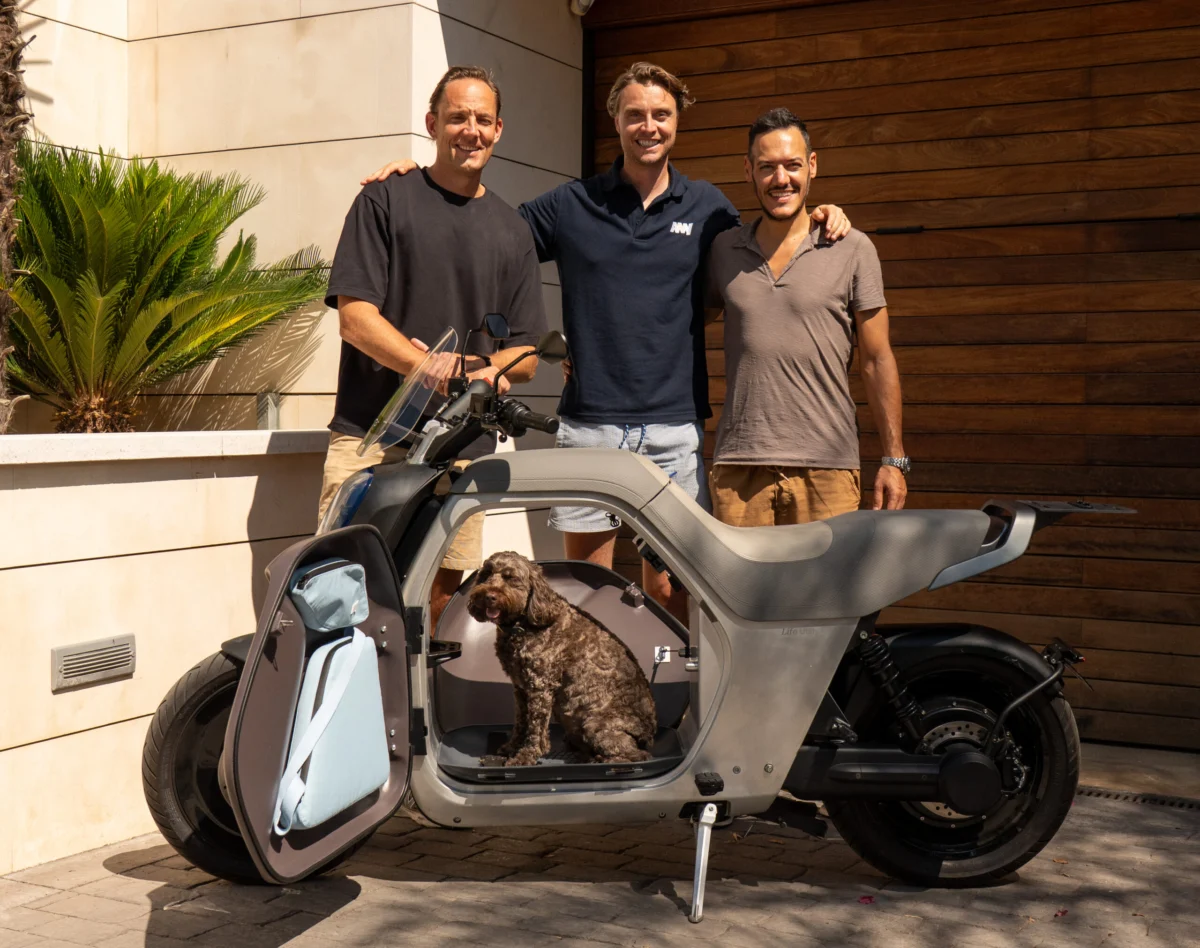
The ubiquitous car, despite the prevalence of walking in European cityscapes, remains the default mode of urban transportation. This deeply entrenched reliance on four-wheeled vehicles is now being challenged by innovative entrepreneurs aiming to shift the paradigm towards more sustainable and versatile alternatives. At the forefront of this movement is Belgian startup Any, which believes that to truly encourage the adoption of two-wheeled transport, these vehicles must be meticulously "designed for real life." This philosophy translates into creating machines capable of carrying substantial loads without compromising on speed, range, or overall utility, a critical gap currently left by traditional car trunks.
Any’s commitment to this practical design ethos has culminated in its inaugural product, the LUV1. This modular electric motorcycle is engineered to possess the cargo capacity of a heavy-duty cargo bike while maintaining the performance capabilities of a conventional motorcycle, capable of reaching a top speed of 100 km/h (approximately 62 mph). The LUV1’s design directly addresses the limitations of existing two-wheeled options by offering an impressive storage volume of up to 120 liters. This capacity is not an arbitrary figure but a deliberate response to real-world needs, as articulated by the startup on LinkedIn: "It came from asking a simple question: what does a real week actually need? Groceries, weekend bags, suitcases… the stuff you don’t want to leave behind just because you’re on two wheels, not four."
This emphasis on practicality extends to the LUV1’s modular construction. Customers can opt for an open frame configuration or choose from various paneling options, catering to diverse user needs such as transporting pets, carrying work equipment, or packing for outdoor adventures. The modularity further encompasses an array of customizable accessories, including an optional windshield, specialized racks, a rain poncho, and other variations designed to enhance its appeal to a broad demographic, from daily commuters and families to avid outdoor enthusiasts.
The vision behind the LUV1’s innovative design originates from Lowie Vermeersch, a distinguished figure in the automotive design world and former design director at Pininfarina. Vermeersch’s involvement lent significant credibility and media attention to the LUV1. Upon the unveiling of its eye-catching prototype during Milan Design Week in May, the vehicle immediately garnered widespread media coverage, as noted in reviews from publications like Wallpaper. Vermeersch’s collaboration with Any is more than a fleeting partnership; he serves as the startup’s creative director and is also an investor. Together, they are forging a new category of vehicle they term "life utility vehicles," a concept that directly informs the LUV1’s nomenclature.

A New Category of Urban Transport
The pricing strategy for the LUV1 positions it as a competitive alternative in the evolving mobility landscape. With a starting price of €7,000 (approximately $8,150), it falls below the cost of most new cars and is comparable to higher-end electric cargo bikes. A significant advantage for potential riders is its accessible licensing requirement. Unlike many conventional motorcycles, the LUV1 is expected to require only an A1 license, which is relatively easy to obtain in most European jurisdictions. This lower barrier to entry further democratizes access to a more versatile and potentially more sustainable form of personal transportation.
The final price for each LUV1 will be influenced by the specific custom options selected by customers through Any’s online configurator. This interactive tool, launched concurrently with the preorder campaign, allows users to tailor the vehicle to their precise needs. The positive reception at Milan Design Week translated into significant commercial traction, with Any securing over 600 reservations within its initial 100 days of the preorder campaign, according to Erik de Winter, co-founder and Chief Commercial Officer.
These reservations are secured with a €49 ($57) deposit, which is fully applicable to the final purchase price and, importantly, is fully refundable as per Any’s reservation agreement. This low-risk commitment has evidently encouraged early adoption. Like de Winter’s previous venture, the Dutch e-cargo bike-sharing service Cargaroo, Any has successfully attracted venture capital investment. The startup announced a €1.5 million funding round in November, followed by an additional €1.25 million in May, bringing its total secured capital to €2.75 million (approximately $3.2 million) to date.
Strategic Leadership and Industry Expertise
The strategic leadership at Any has been further bolstered by the appointment of Pieter Van de Velde as CEO one year ago. Van de Velde, a former venture capitalist, brings a wealth of financial and strategic expertise to the company. The startup’s investor base and advisory board include prominent figures from the automotive sector, underscoring the industry’s recognition of Any’s potential. Complementing this leadership, Any has also strategically expanded its engineering team. Alessandro Mangano, who previously held positions at renowned automotive manufacturers such as Aprilia, Ferrari, and Piaggio Group, has joined the company as Head of Engineering. This infusion of seasoned automotive talent signals a strong commitment to robust product development and manufacturing excellence.
The LUV1 is equipped with two swappable batteries, providing an impressive range of up to 87 miles (approximately 140 km) per charge. This range positions it favorably against a growing number of electric two-wheelers entering the market from established players like Piaggio and even legacy motorcycle brands like Harley-Davidson, which is increasingly pivoting towards electric powertrains. The European Association of Motorcycle Manufacturers projects a predominantly electric future for two-wheelers by 2030, a trend Any aims to capitalize on.

However, the competitive landscape is undeniably crowded. To carve out a distinct market position, Any is banking on the LUV1’s exceptional cargo capacity as its primary differentiator. De Winter emphasized to TechCrunch that the LUV1 is designed to appeal to a customer base extending beyond traditional motorcycle enthusiasts. The startup has already received inquiries from last-mile delivery services, suggesting a significant potential market for its utility-focused vehicles. Furthermore, Any has articulated its ambition to develop a broader "portfolio of vehicles," potentially including a three-wheeled variant, indicating a long-term vision for a comprehensive range of utility-focused electric transport solutions.
Future Growth and Funding Aspirations
Before expanding its product line, Any’s immediate priority is to scale up the production of the LUV1 to meet the anticipated demand for its first customer deliveries. This ambitious production ramp-up will necessitate further capital investment. The company is currently seeking to raise a Series A funding round, targeting an investment of €10 million (approximately $11.65 million) or more, with the goal of closing this round by the end of the current year. This funding will be critical for establishing manufacturing capabilities, expanding the team, and executing its market entry strategy.
The entrepreneurial journey of Any and the LUV1 reflects a broader shift in urban mobility. As cities grapple with congestion, pollution, and the need for more efficient transportation, innovative solutions that blend practicality with sustainability are gaining traction. The LUV1, with its unique proposition of combining motorcycle performance with cargo-carrying versatility, represents a compelling attempt to redefine what is possible in personal urban transport, moving beyond the limitations of conventional vehicles and carving out a new niche in the rapidly evolving electric mobility market. The company’s strategic approach, combining design innovation with a clear understanding of user needs and market dynamics, positions it as a noteworthy player in the future of sustainable urban mobility.