Sonny Valindra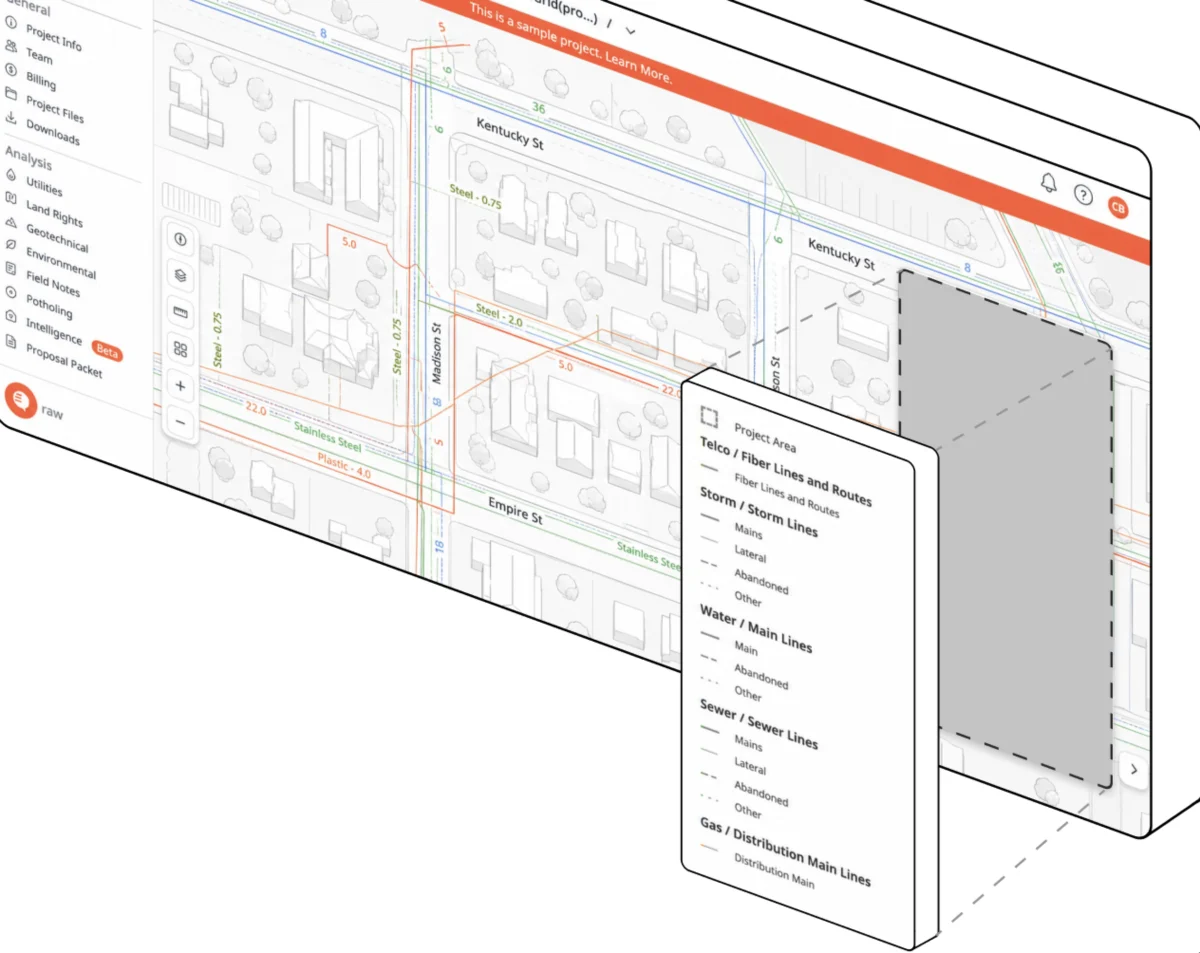
Josh Mackanic, a former engineer with a decade of experience at Pacific Gas and Electric (PG&E), has successfully raised $26 million in a Series A funding round for his startup, CivilGrid. The company aims to solve the pervasive problem of incomplete and fragmented data regarding underground utility infrastructure, a challenge that Mackanic experienced firsthand and which leads to significant delays and costs in construction projects across the United States. The funding round was led by Spark Capital, with participation from Afore, A*, Ford Street Ventures, and SNR, alongside strategic investment from Energy Impact Partners, a fund backed by numerous utility companies.
The genesis of CivilGrid stems from a deeply frustrating experience Mackanic encountered during his tenure at PG&E. A critical engineering project was halted due to the unexpected discovery of an unknown underground pipe. "I had a job that got shut down because a pipe was in the excavation [that] we didn’t know about. Fortunately, we saw it before we impacted it," Mackanic recounted to TechCrunch. The subsequent three-day ordeal to identify the pipe’s owner, assess its contents, and determine if it could be safely tapped or avoided resulted in a staggering $60,000 delay. This incident highlighted a systemic issue: even large utilities like PG&E possess only partial visibility into the complex web of subterranean assets.
The Pervasive Problem of Underground Blind Spots
The United States faces a significant challenge with its underground infrastructure. An estimated 200,000 "utility strikes" occur annually, a direct consequence of the fragmented nature of data pertaining to buried assets. These strikes, which involve accidentally damaging gas lines, water mains, electrical conduits, and telecommunication cables, pose severe risks to public safety, can lead to widespread service disruptions, and incur substantial economic losses. The problem is exacerbated by the fact that different utility types are often owned and managed by separate entities, each maintaining its own proprietary records. Information regarding sewer lines, potable water pipes, and communication cables frequently resides with different municipalities, water districts, or private companies, creating a complex data mosaic that is difficult for any single organization to assemble.
The lack of a centralized, comprehensive database means that civil engineers, construction companies, and even utilities themselves often operate with incomplete knowledge of what lies beneath the surface. This "underground blind spot" necessitates costly and time-consuming investigations, often involving manual site visits, historical record searches, and reliance on outdated maps. The delays incurred can cripple project timelines, driving up labor costs, equipment rental fees, and potential penalties for missed deadlines. Beyond direct financial costs, these delays can also impact the timely delivery of essential services, from power and water to internet connectivity.
CivilGrid’s Vision: "Google Maps for What’s Underground"
Founded in 2020, CivilGrid was conceived as a direct solution to this persistent problem. Mackanic envisioned a platform that could aggregate disparate data sources related to utility assets, property ownership records, and relevant environmental regulations. The company’s ambitious goal is to create a unified, accessible digital representation of the subsurface landscape, akin to what Google Maps provides for surface navigation.
CivilGrid’s core offering involves meticulously gathering and integrating this fragmented information into a cohesive dataset. This data is then packaged and made accessible through a subscription-based service to a range of clients, including government agencies, civil engineering firms, and, crucially, utility companies. By providing a comprehensive overview of underground infrastructure, CivilGrid empowers these stakeholders to make more informed decisions during the planning and execution phases of construction projects.
A Strategic Investment for a Critical Need
The recent $26 million Series A funding round signifies strong investor confidence in CivilGrid’s mission and its potential to disrupt the infrastructure planning sector. Spark Capital’s leadership in this round underscores the perceived market opportunity and the strength of CivilGrid’s technological approach. The involvement of early-stage funds like Afore, A*, and Ford Street Ventures, along with the strategic investment from Energy Impact Partners, highlights a broader industry recognition of the need for solutions like CivilGrid. Energy Impact Partners, with its portfolio of utility company Limited Partners (LPs), represents a significant endorsement from the very industry CivilGrid aims to serve.
"California’s energy needs are growing rapidly, and our customers expect us to deliver the infrastructure they need safely, reliably, and affordably," stated Christine Cowsert, senior vice president of enterprise business and technology modernization at PG&E. "That means planning smarter from the start with tools like CivilGrid, which help our teams identify risks earlier, build more efficiently, and avoid unnecessary costs while keeping safety front and center." This statement from Mackanic’s former employer provides powerful validation of the value proposition CivilGrid brings to the market.
Tangible Impact and Future Ambitions
The efficacy of CivilGrid’s solution is already being demonstrated through tangible results. A case study conducted by PG&E utilizing CivilGrid’s platform identified potential savings of $60 million in avoidable paving costs across 1,600 planned gas distribution projects. This statistic alone underscores the significant financial efficiencies that can be unlocked by improving subsurface visibility.
Mackanic’s vision extends beyond simply providing data. He aims to evolve CivilGrid into a more comprehensive solution that can automate complex processes and further streamline infrastructure development. "Right now, we’re providing engineers the data to be able to make a decision" about where to place infrastructure, he explained. However, he foresees a future where CivilGrid can proactively suggest optimal placement of new infrastructure, identify necessary permits, and even assist in the permit application process. "Once I’ve given them the constraints, it’s not too hard for me to say, ‘Well, I would recommend that you put the pipe down right here, and oh, by the way, here are the permits you need in order to move to construction on this pipe. Would you like me to file those permits? Okay, let me file those permits.’" This ambitious expansion into automation and services could fundamentally alter how infrastructure projects are conceived and executed in the U.S.
The company’s strategy involves leveraging its growing dataset to identify and address other "red-tape" challenges that contribute to the difficulty and expense of building in the United States. By capturing the "core user who’s at the very early stages of making decisions about what’s going to be built," CivilGrid is positioning itself to become an indispensable partner in the nation’s infrastructure development ecosystem.
Addressing a Long-Standing Challenge
While the idea of improving visibility into subterranean infrastructure is not new, Mackanic identifies the key differentiator for CivilGrid as its success in overcoming the practical hurdles of data acquisition, organization, and security. He also emphasizes the importance of building strong relationships with the entities that possess this valuable data and are most likely to benefit from its aggregation.
Mackanic’s decision to leave a stable engineering career at PG&E to found CivilGrid was driven by the conviction that this problem could be better addressed from an external perspective. He noted that while utilities are aware of the problem and express interest in solutions, their operational models often prioritize lean management to keep costs low for consumers. This can make it challenging for them to invest significantly in internal data aggregation projects that may not have immediate, direct revenue streams. CivilGrid, as an independent entity, can focus its resources and expertise on building the comprehensive data infrastructure that utilities may lack the capacity or mandate to develop independently.
From Space Rockets to Subterranean Secrets
Mackanic’s career path is a fascinating departure from his childhood aspirations. Like many young people, he once dreamed of exploring the cosmos, envisioning a future in rocket science. His academic background in mechanical engineering laid the groundwork for a career in complex technical fields, but he never anticipated his work would involve delving into the earth beneath his feet. He admitted to initially finding the prospect of working with utility companies rather uninspiring.
However, his experience at PG&E profoundly shifted his perspective. He came to appreciate the critical, often unseen, work that utility companies perform daily to ensure the seamless functioning of modern life. The ability for individuals to rely on electricity for lighting, heating, and technology, or to access clean water and gas for cooking, is a testament to the immense effort and meticulous planning involved in maintaining these vital systems. Mackanic now champions the often-underappreciated work of utility professionals, stating, "The reality is, unfortunately, we do ourselves a disservice in not championing the extent to which they work wonders every day." CivilGrid’s mission is, in essence, to provide the tools that enable these "wonders" to be built and maintained more efficiently and safely.
The successful closure of this Series A funding round positions CivilGrid for significant growth and expansion. With a clear understanding of the problem, a robust technological solution, and strong backing from both venture capital and the industry itself, the company is poised to make a substantial impact on how the United States plans, builds, and maintains its essential underground infrastructure. The implications of improved subsurface data transparency extend beyond mere cost savings; they encompass enhanced public safety, reduced environmental impact from construction disruptions, and accelerated development of critical infrastructure needed to support a growing and evolving nation.