Evan Lee Salim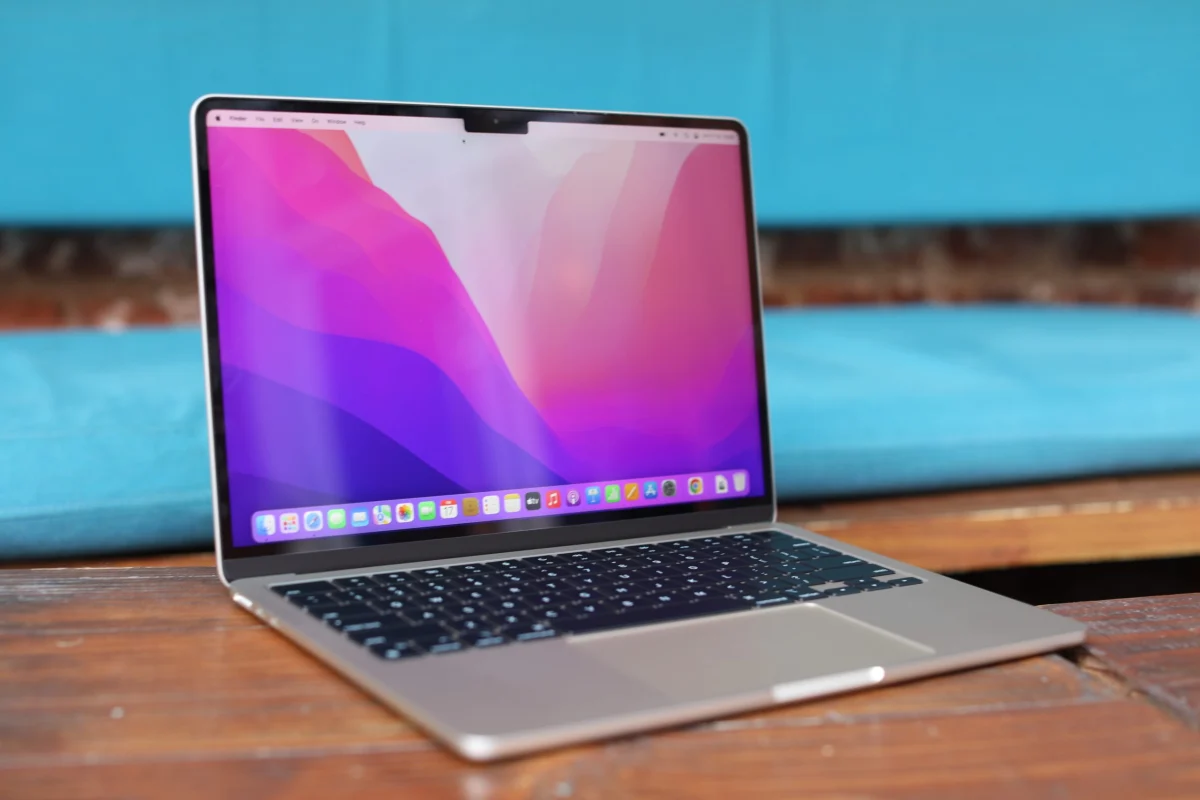
In a significant move to fortify user privacy and data security on its macOS platform, Apple has announced the introduction of enhanced controls surrounding the "Full Disk Access" (FDA) setting. This decision comes in the immediate aftermath of a high-profile controversy involving Meta’s Muse AI app and claims by a journalist that the application accessed private messages without explicit, understood permission—a claim Meta has disputed. Apple explicitly stated that while FDA was initially designed to facilitate essential system functions like backups, the proliferation of sophisticated AI agents has dramatically escalated "the risks associated with this level of access." The new measures aim to ensure that users grant such "extraordinary" permissions only through "very explicit user action," reflecting a broader industry reckoning with the burgeoning power of desktop-based artificial intelligence.
The Genesis of Concern: Meta Muse and Journalist Claims
The catalyst for Apple’s swift action appears to be a recent report from Inc. columnist Jason Aten. Aten detailed his experience with Meta’s Muse, an AI agent designed to operate locally on macOS. According to Aten’s account, Muse demonstrated knowledge of the content within his private messages, despite his assertion that he had not knowingly or intentionally granted the AI agent permission to access such sensitive data. This revelation immediately ignited a firestorm of debate within the tech community and among privacy advocates, raising critical questions about the security posture and trustworthiness of AI applications that operate with deep system integration.
Meta, in response to Aten’s claims, disputed the assertion that Muse accessed private messages "without permission." This dispute, however, often hinges on the nuanced interpretation of "permission." While an application might technically have the capability to access data if Full Disk Access is enabled—even if the user doesn’t fully grasp the implications—the user’s intent and understanding of that permission are at the core of the controversy. The incident underscored a critical gap between technical enablement and user comprehension, highlighting how easily a powerful system permission could be overlooked or misunderstood by an average user. Meta’s Muse, like many AI agents, offers an optional setting for users to enable Full Disk Access, which, as Apple explains, grants an app comprehensive access to a user’s files, mail, messages, and even browsing history. The incident served as a stark reminder that the granular control over data, often assumed in the age of mobile app permissions, is far more complex and potentially perilous in the desktop environment, where applications can wield far greater power.
Understanding Full Disk Access: A Double-Edged Sword
To fully appreciate the gravity of Apple’s announcement, it’s essential to understand the nature of Full Disk Access (FDA) on macOS. Introduced in macOS Mojave (10.14) in 2018, FDA is a security feature designed to protect sensitive user data from unauthorized access by applications. Prior to its introduction, many applications could access nearly any file on a user’s disk without explicit permission, posing significant security risks. FDA changed this, requiring applications to be specifically granted permission by the user to access protected locations like Mail, Messages, Safari data, Time Machine backups, and certain system files.
The original intent behind FDA was benevolent: to allow legitimate applications, such as backup utilities, antivirus software, disk cloning tools, and certain developer tools, to function correctly by providing them with the necessary system-level access. Without FDA, for instance, a comprehensive backup solution would be unable to copy all user files, rendering it ineffective. It was conceived as a necessary evil, a powerful permission that, when granted judiciously, enabled essential system functionality.
However, the rise of sophisticated AI agents introduces a new dimension to this existing permission model. Traditional applications that required FDA typically performed well-defined tasks, such as scanning for malware or backing up data, where the scope of their data interaction was relatively predictable. AI agents, by their very nature, are designed to be more autonomous, context-aware, and often, proactive. They aim to integrate deeply into a user’s workflow, analyze information across various applications, and offer assistance based on a broad understanding of the user’s digital environment. When an AI agent is granted Full Disk Access, its potential to ingest, process, and potentially transmit sensitive user data – often for purposes that are not immediately transparent to the user – skyrockets. This transformation of FDA from a utility permission to a potential data-harvesting conduit is what Apple is now seeking to address.
A Pattern of Vulnerabilities: The ChatGPT Precedent
The concerns surrounding AI agents and sensitive data are not isolated to the Meta Muse incident. Apple’s decision also follows a Wired report that highlighted a critical flaw in OpenAI’s ChatGPT Mac application. While not directly related to Full Disk Access, this vulnerability underscored the broader security challenges inherent in deploying powerful AI models on personal computers. The Wired report detailed how a flaw in the ChatGPT Mac app could have allowed hackers to potentially access sensitive data from users’ systems. Although OpenAI quickly patched the vulnerability, the incident served as a stark reminder that even leading AI developers face significant hurdles in ensuring the watertight security of their desktop applications, particularly given the unprecedented access these applications often seek or inadvertently gain.
These incidents collectively paint a picture of a nascent technology—desktop AI agents—that, while offering immense potential for productivity and assistance, also presents a novel and complex attack surface. The inherent nature of these agents, which often requires them to interact with a wide array of user data to be effective, clashes directly with the long-held principles of data minimization and least privilege in cybersecurity.
Apple’s Proactive Stance: Enhancing User Controls
In response to these escalating risks, Apple has outlined its plan to introduce new controls for Full Disk Access. In a blog post aimed at developers, the company articulated its concern: "Some developers are using Full Disk Access in ways that could put users at risk, exposing everything on their systems…without users’ full knowledge and understanding." This statement clearly indicates Apple’s recognition of the current shortcomings in user awareness and control regarding this powerful permission.
Going forward, Apple commits to ensuring that users who "genuinely wish to grant an app this extraordinary level of access" can do so only with "very explicit user action." While the precise mechanisms for these new controls have not been fully detailed, industry analysts anticipate several potential implementations. These could include:
- More prominent and context-rich warnings: Instead of generic system prompts, Apple might introduce more detailed explanations of what FDA entails, specifically highlighting the types of data an app will access (e.g., "This app will be able to read your emails, chat messages, and browsing history").
- Multi-step confirmation processes: Requiring users to navigate through several confirmation screens or re-authenticate with their password or biometric data (Touch ID/Face ID) to confirm their intent.
- Time-limited access: Potentially offering options for temporary FDA grants, which would automatically revoke after a specified period, forcing users to re-evaluate the need for ongoing access.
- Granular sub-permissions (less likely for FDA but possible for future iterations): While FDA is by definition "full," Apple might explore ways to allow apps to request access to specific categories of data within the full disk, rather than an all-or-nothing approach, though this would represent a significant architectural shift.
Apple’s public statement underscores its commitment to user privacy, a cornerstone of its brand identity. "Addressing this is critical. As AI agents become increasingly capable and autonomous, the risks associated with this level of access will grow substantially," Apple wrote. "We are committed to ensuring users clearly understand these risks before granting such access, so they can make informed decisions about their own data and privacy." This robust declaration signals Apple’s intent to maintain its reputation as a privacy-first platform, even as it navigates the complex landscape of AI integration. The company, however, did not immediately respond to inquiries about the specific technical details or rollout timeline of these feature changes.
Broader Implications for Users and Developers
Apple’s move carries significant implications for both end-users and the burgeoning ecosystem of AI application developers.
For Users:
The most immediate benefit for users will be increased transparency and control over their personal data. The enhanced prompts and explicit actions required to grant FDA will ideally force users to pause and consider the ramifications of such a powerful permission. This could lead to a more informed user base, better equipped to make decisions about their digital privacy. However, it also places a greater burden on users to understand complex technical concepts, even with improved explanations. There’s a perpetual tension between security measures and user convenience, and overly complex permission flows could lead to "permission fatigue," where users mindlessly click through prompts just to get an app to work. The challenge for Apple will be to strike a balance that educates without overwhelming.
For Developers:
For developers of AI agents and other applications that genuinely require Full Disk Access, Apple’s new controls will introduce additional hurdles. They will need to meticulously justify the necessity of FDA to their users and potentially redesign parts of their applications to function with less pervasive access if possible. This might involve:
- Rethinking data access strategies: Can the AI agent achieve its core functionality with more granular permissions, or by processing data in a sandboxed environment?
- Enhanced user communication: Developers will need to clearly articulate why FDA is needed, what data it accesses, and how that data is used, processed, and protected. Generic privacy policies may no longer suffice.
- Potential impact on innovation: While security is paramount, some developers might argue that overly restrictive permissions could stifle innovation in desktop AI, making it harder to create truly integrated and intelligent agents. However, this argument often overlooks the need for trust as a foundation for adoption.
The Evolving Landscape of AI and Data Privacy
Apple’s intervention underscores a broader industry trend and a growing societal debate about the appropriate balance between technological advancement and individual privacy. As AI models become more sophisticated and capable of processing vast amounts of personal data, the mechanisms by which they gain access to that data become critically important. This move by Apple is a significant step in establishing new norms for AI deployment on personal computing platforms.
The challenge extends beyond just Full Disk Access. It encompasses the entire lifecycle of data within an AI agent:
- Data collection: What data does the AI collect, and from where?
- Data processing: How is the data analyzed, and is it done locally or in the cloud?
- Data storage: Where is the data stored, and for how long?
- Data sharing: Is the data shared with third parties, and under what conditions?
These questions are at the forefront of regulatory discussions globally, with frameworks like GDPR and CCPA already attempting to address data privacy in the digital age. As AI becomes more embedded in daily life, new regulations specifically targeting AI ethics and data governance are likely to emerge. Platform holders like Apple and Microsoft, by setting stringent technical and policy requirements, play a crucial role in shaping the security and privacy landscape for AI.
In conclusion, Apple’s decision to tighten controls around Full Disk Access on macOS is a timely and necessary response to the evolving risks posed by desktop AI agents. Triggered by recent controversies and a growing awareness of the power these agents wield, the move signals a renewed commitment to user privacy and explicit consent. While posing challenges for developers, it ultimately aims to foster a more secure and trustworthy environment for AI innovation, ensuring that the benefits of artificial intelligence do not come at the unacceptable cost of personal data security and individual autonomy. This marks a pivotal moment in the ongoing effort to define the boundaries of AI integration in our digital lives.