George Chandra Eka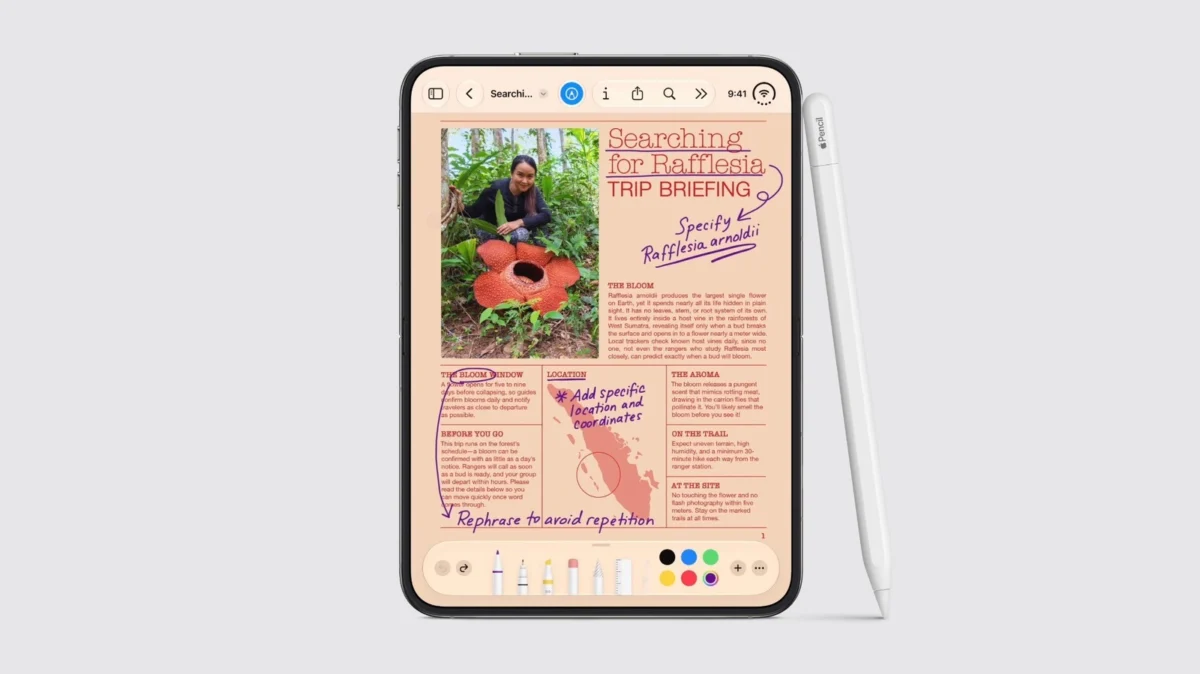
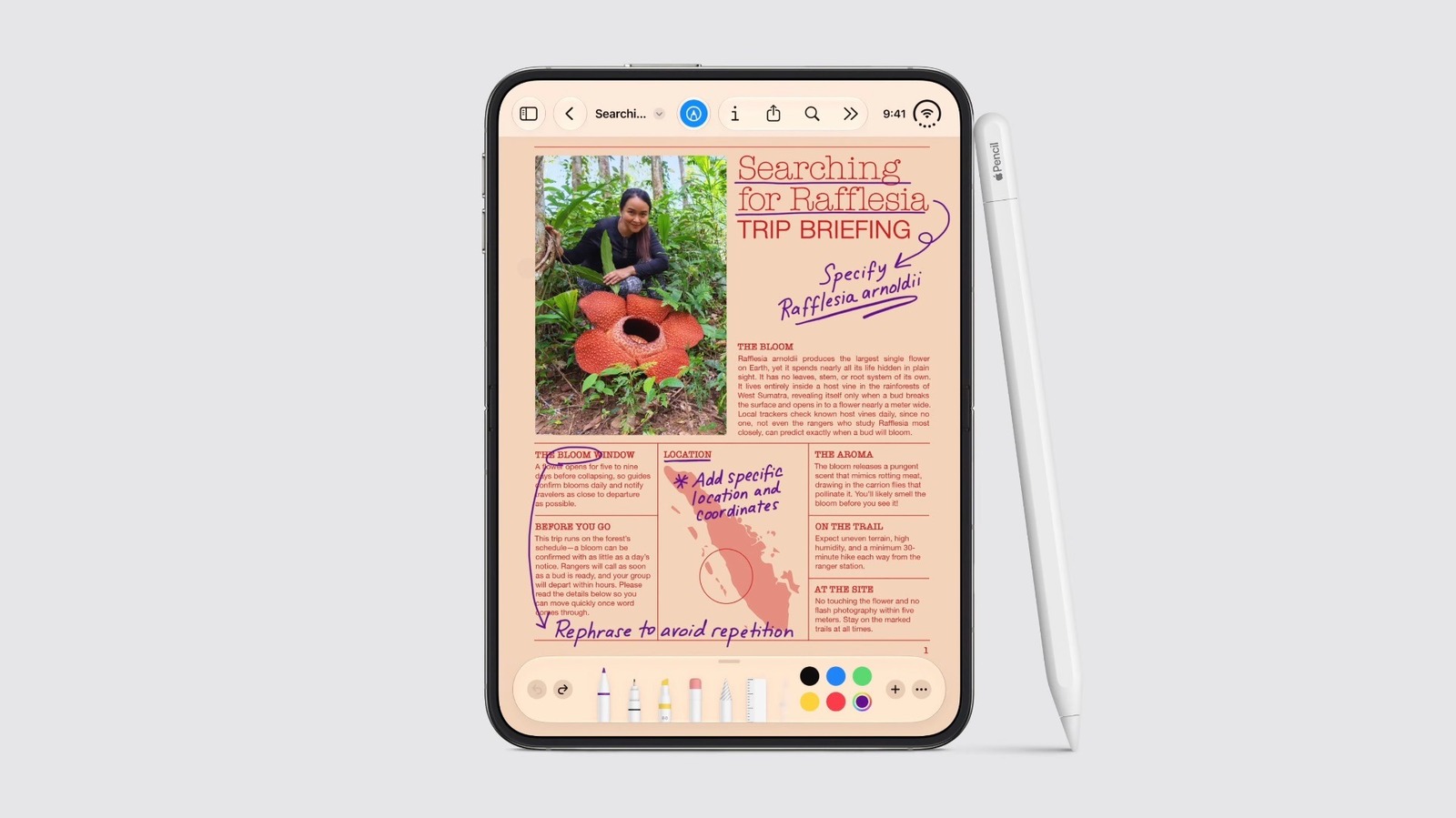
The Apple Pencil, historically an accessory exclusive to the iPad lineup, is now expanding its compatibility to include Apple’s latest premium smartphone offering, the iPhone Duo. This development, confirmed with the introduction of the sophisticated foldable device, signals a notable evolution in Apple’s approach to input methods and device integration, even if its initial implementation comes with specific hardware and software prerequisites. The move challenges a long-standing product segmentation strategy and opens new avenues for productivity and creativity on the iPhone platform, albeit exclusively for its most advanced and expensive iteration.
For years, the Apple Pencil remained steadfastly an iPad-only peripheral, a dedicated tool for digital artistry, note-taking, and precise interaction on Apple’s tablet computers. This rigid exclusivity meant that users of other Apple devices, including Macs and iPhones, had no official means of leveraging the stylus’s capabilities. However, the landscape has fundamentally shifted with the unveiling of the iPhone Duo. This new device, which represents a significant departure in iPhone design and functionality, is poised to redefine user interaction, not only through its innovative software experiences but also through its hardware’s newfound embrace of the Apple Pencil.
The integration of Apple Pencil support with the iPhone Duo is a pivotal moment, signaling a strategic re-evaluation by Apple regarding the role of stylus input across its device portfolio. While the ability to use an Apple Pencil with an iPhone is now a reality, it is crucial for prospective users to understand the specific conditions and limitations governing this functionality. This premium feature is reserved solely for the high-end iPhone Duo model, and even then, it is not universally compatible with all existing Apple Pencil iterations. Furthermore, specific software updates will be necessary to unlock this capability, underscoring a carefully managed rollout. This nuanced approach highlights Apple’s cautious yet determined step into a new era of iPhone interaction, effectively challenging the very premise upon which the original iPhone was introduced – a device famously marketed without the need for a stylus.
The iPhone Duo: A New Frontier for Apple’s Handhelds
The iPhone Duo itself represents a bold new direction for Apple. While specific details about its core functionalities and market positioning are still emerging, its name and the context of its Pencil support strongly suggest a foldable or dual-screen form factor. This design choice is critical to understanding the rationale behind integrating stylus support. Traditional iPhone form factors, with their singular, relatively compact screens, offered limited utility for a precision stylus like the Apple Pencil. The potential for a larger, expansive canvas when unfolded, or even enhanced interaction on a secondary screen, transforms the utility proposition for stylus input. This strategic move positions the iPhone Duo not merely as an incremental upgrade but as a distinct product category within Apple’s ecosystem, designed to cater to users demanding greater productivity, creative flexibility, and advanced multitasking capabilities from their mobile device. The iPhone Duo is anticipated to compete directly with other premium foldable smartphones that have already embraced stylus integration, such as Samsung’s Galaxy Z Fold series, which has long offered S Pen support. This entry into the foldable market with stylus capability underscores Apple’s recognition of a growing demand for devices that bridge the gap between smartphones and tablets in terms of functionality.
Unlocking Stylus Functionality: Software and Hardware Requirements
While the announcement of Apple Pencil support for the iPhone Duo is exciting, it is accompanied by important caveats regarding its availability and compatibility. Apple has confirmed that Apple Pencil functionality will not be available immediately upon the iPhone Duo’s launch. Instead, it will require a subsequent iOS update scheduled for later in the year. The iPhone Duo is expected to ship with iOS 27.1 in October, meaning that Apple Pencil support is anticipated to arrive with iOS 27.2, likely around November. This staggered release allows Apple to fine-tune the software experience and ensure a robust integration of the stylus features.
Crucially, not all Apple Pencil models will be compatible with the iPhone Duo. Only the Apple Pencil USB-C model is supported. This specific requirement means that owners of the more advanced Apple Pencil 2 or Apple Pencil Pro will find themselves unable to use their existing styluses with the new iPhone Duo. For those wishing to leverage this functionality, an additional purchase of the Apple Pencil USB-C, priced at $79, will be necessary.
Apple has not provided extensive technical details explaining this model-specific limitation, but industry analysts and experts widely speculate that it is primarily due to the iPhone Duo’s internal hardware design, specifically the absence of the magnetic charging and pairing infrastructure present in compatible iPads. The Apple Pencil 2 and Apple Pencil Pro rely on magnetic attachment to the side of iPads for both wireless charging and seamless pairing. The iPhone Duo, in its current iteration, lacks these specialized magnets and the associated inductive charging coils. Consequently, the Apple Pencil USB-C, which pairs and charges via a physical USB-C cable connection, becomes the only viable option. This design choice, while potentially simplifying the iPhone Duo’s internal architecture, adds a layer of complexity for consumers and highlights a fragmentation within the Apple Pencil ecosystem. Users will need to physically connect the USB-C Pencil to the iPhone Duo’s USB-C port for initial pairing and for recharging, a less elegant solution than the magnetic attachment found on iPads.
Beyond the iPad: Expanding Creative and Productivity Horizons
Despite these initial limitations, the practical implications of bringing Apple Pencil support to the iPhone Duo are substantial. The good news for users is that the Apple Pencil USB-C will function across both screens of the iPhone Duo: the expansive main display when the device is unfolded, and the outer screen when it is closed. This dual-screen compatibility significantly enhances the device’s versatility.
On the outer screen, the Apple Pencil can be used for quick, spontaneous interactions such as jotting down a brief note, sketching a fleeting idea, or signing a document without needing to fully unfold the device. This provides a level of immediacy and convenience previously unavailable on an iPhone. When the iPhone Duo is unfolded, its larger screen real estate transforms into a more serious canvas for longer handwritten notes, detailed annotations, precise photo editing, or even intricate digital artwork. This expanded workspace, combined with the precision of the Apple Pencil, positions the iPhone Duo as a powerful tool for professionals, students, and creative individuals who require advanced input capabilities in a highly portable form factor.
The ability to seamlessly transition between touch and stylus input across different screen configurations could redefine how users interact with mobile applications, particularly those focused on productivity, design, and education. While carrying around a full-sized Apple Pencil with an iPhone might not be ideal for every user or every situation, the mere presence of this feature provides an unparalleled option for those who prioritize precision and flexibility in their mobile workflow. It underscores Apple’s commitment to empowering users with more diverse and powerful interaction methods, pushing the boundaries of what a smartphone can achieve. Importantly, Apple has clarified that this Apple Pencil functionality is exclusive to the iPhone Duo and will not be extended to other existing iPhone models, further solidifying the Duo’s premium and unique positioning within the iPhone family.
A Shift in Philosophy: Apple’s Evolving Stance on Stylus Input
The integration of Apple Pencil support into the iPhone Duo marks a profound philosophical pivot for Apple. It directly contradicts one of the most famous proclamations in modern technology history: Steve Jobs’s iconic dismissal of the stylus during the original iPhone’s unveiling in 2007. Jobs famously declared, "Who wants a stylus? You have to get ’em, put ’em away, you lose ’em. Yuck!" He championed the finger as the ultimate input device, intuitive and always available.
This anti-stylus stance defined Apple’s mobile product strategy for nearly a decade, until the introduction of the first Apple Pencil alongside the original iPad Pro in 2015. Even then, the Pencil was justified as a professional tool for a specific subset of users, carefully segmented from the mainstream consumer experience. Its adoption by the iPad Pro line gradually broadened to include other iPad models, cementing its status as a valuable accessory for creative and productivity tasks on tablets.
Now, with the iPhone Duo, Apple is extending this acceptance of stylus input to its flagship smartphone. This evolution suggests that the company recognizes the nuanced needs of its increasingly diverse user base and the expanding capabilities of modern mobile devices. The foldable form factor of the iPhone Duo likely played a crucial role in this decision, as the larger screen provides a more compelling use case for a precision stylus. This move signifies Apple’s willingness to adapt its core principles in response to technological advancements and evolving user expectations, demonstrating a pragmatic approach to innovation that prioritizes functionality and user experience over rigid adherence to past doctrines. It also positions Apple to better compete in a market where rival manufacturers have already successfully integrated stylus capabilities into their high-end smartphones.
Market Implications and Competitive Landscape
The introduction of Apple Pencil support for the iPhone Duo carries significant market implications, particularly in the burgeoning foldable smartphone segment. By offering stylus integration, Apple directly enters a competitive arena where Samsung has long held a dominant position with its Galaxy Z Fold series and the integrated S Pen. This move signals Apple’s intent to compete aggressively in the premium foldable market, offering a complete productivity and creativity suite that mirrors or even surpasses what competitors provide.
For consumers, this means more choice in high-end, feature-rich smartphones that blur the lines between phone and tablet. It could also spur innovation across the industry as manufacturers strive to differentiate their stylus experiences and associated software features. Furthermore, the decision to limit compatibility to the Apple Pencil USB-C will likely boost sales of this specific accessory, contributing to Apple’s already robust services and accessories revenue streams.
The developer community is also poised to benefit. With a high-profile iPhone model now supporting precision stylus input, developers are likely to explore new possibilities for apps that leverage the Apple Pencil’s capabilities on a more portable device. This could lead to a new wave of innovative applications for sketching, note-taking, document annotation, and even gaming that take full advantage of the iPhone Duo’s unique form factor and input methods. The potential for new revenue streams for both Apple and third-party developers, driven by enhanced app functionality, is considerable.
The Apple Pencil Lineup: Growing Complexity for Consumers
While the expansion of Apple Pencil support is a positive development for the iPhone Duo, it also contributes to the increasing complexity of Apple’s stylus lineup. Currently, consumers face a choice between the original Apple Pencil (1st generation), the Apple Pencil 2, the Apple Pencil Pro, and the Apple Pencil USB-C. Each model has distinct compatibility requirements tied to specific iPad generations and now, exclusively, to the iPhone Duo.
This fragmented compatibility can be confusing for consumers, especially those who own multiple Apple devices. A user with an iPad Pro and an iPhone Duo, for instance, might need two different Apple Pencils to access stylus functionality across both devices, depending on their iPad model. This lack of universal compatibility, while possibly driven by technical design choices, adds an element of inconvenience and increased cost for users seeking a seamless ecosystem experience. Apple will need to provide clear guidance and education to help consumers navigate these choices effectively to avoid frustration.
Future Outlook and Industry Reactions
The integration of Apple Pencil support with the iPhone Duo is widely viewed by industry analysts as a strategic and necessary evolution for Apple. It demonstrates a pragmatic response to market trends and user demands for more versatile mobile devices. While initial consumer reaction is anticipated to be mixed, given the exclusive nature of the feature and the additional cost for a compatible stylus, the long-term implications are significant.
This move raises questions about the future of stylus support across Apple’s broader product portfolio. Could other, non-foldable iPhones eventually gain some form of Pencil compatibility, perhaps with a smaller, more integrated stylus? Or will stylus support remain a premium feature reserved for specialized devices like the iPhone Duo and iPad Pro? Only time will tell, but this first step with the iPhone Duo firmly establishes the precedent.
Ultimately, the Apple Pencil’s arrival on the iPhone Duo represents a major milestone for Apple, signifying a readiness to adapt and innovate even on core principles. It transforms the iPhone Duo into a more potent tool for creativity and productivity, positioning it as a formidable contender in the high-end mobile device market. While initial limitations exist, this strategic move paves the way for a more versatile and interconnected Apple ecosystem, driven by an evolving understanding of user needs in a rapidly changing technological landscape.