George Chandra Eka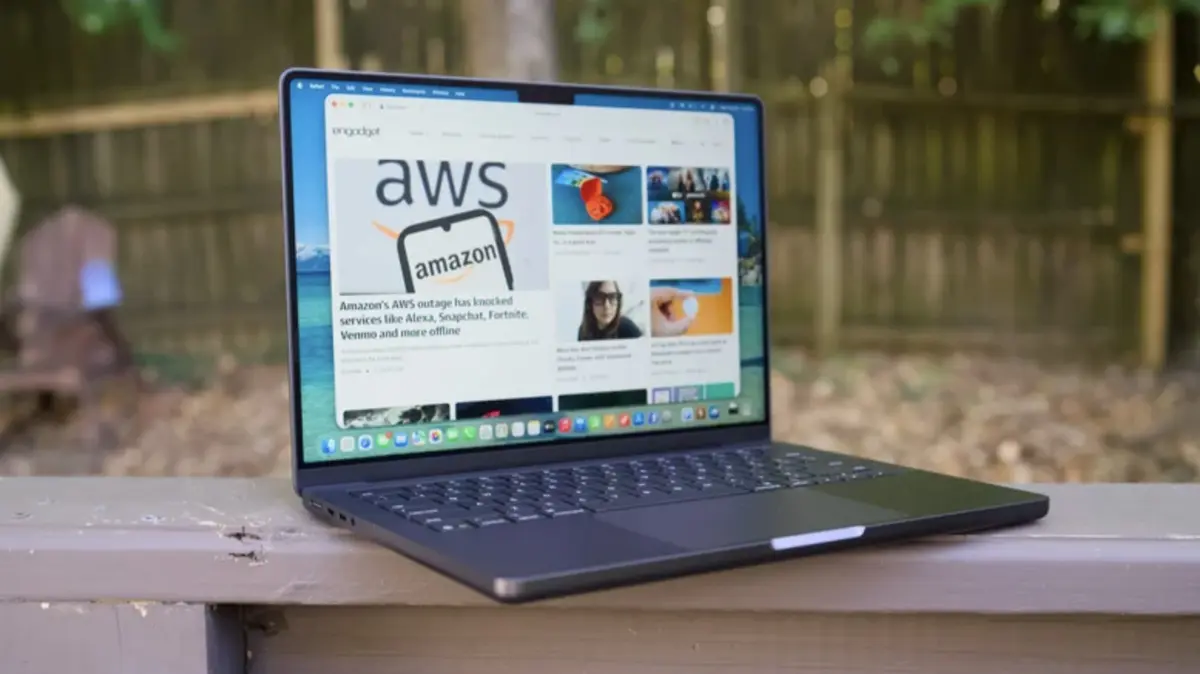
The technology world is abuzz with anticipation as Apple Inc. is reportedly gearing up for a significant series of hardware announcements this month, potentially culminating in the debut of its long-rumored first touchscreen MacBook and a redesigned iPad Mini. According to insights from Bloomberg’s Mark Gurman, a respected analyst with a strong track record for Apple leaks, the company’s inaugural touch-enabled laptop could make its appearance “on or around” October 27. This timeframe, while not a definitive launch date, provides the most concrete indication yet for a product that marks a substantial strategic shift for the Cupertino giant.
A Paradigm Shift: The Touchscreen MacBook’s Imminent Arrival
The prospect of a touchscreen MacBook has been a subject of intense speculation and debate within the tech community for years, largely due to Apple’s historical stance against integrating touch functionality directly into its laptop displays. The late Steve Jobs famously dismissed the idea in 2010, citing ergonomic concerns and calling vertical touchscreens "fatiguing." For over a decade, Apple championed the Mac as a distinct computing experience optimized for mouse and keyboard, while positioning the iPad as its primary touch-first device. This philosophical divide, however, appears to be blurring.
Reports about a touchscreen MacBook Pro began to surface as early as 2023, gaining momentum through Gurman’s consistent reporting. The most recent chatter suggests that this new MacBook, potentially branded as a "MacBook Ultra" to signify its premium positioning and advanced capabilities, will feature a "dynamic interface." This implies a sophisticated software layer designed to adapt seamlessly between traditional keyboard/trackpad input and direct touch interaction, potentially leveraging elements from macOS Sonoma’s interactive widgets or introducing entirely new touch-optimized gestures and applications. Such an interface would be crucial for a cohesive user experience, preventing the awkwardness often associated with simply porting desktop operating systems to touch interfaces without proper optimization.
Under the hood, the rumored touchscreen MacBook is expected to utilize Apple’s formidable M5 Pro and M5 Max chips. This choice of existing high-end silicon, rather than a next-generation M6 Pro/Max variant, aligns with earlier reports suggesting that professional-grade versions of the M6 chip would not be available immediately upon the touchscreen MacBook’s debut. This strategy could allow Apple to introduce the groundbreaking touchscreen functionality with proven, powerful hardware, while reserving newer chip architectures for future iterations or distinct product lines. The M5 series, known for its industry-leading performance and power efficiency, would ensure the touchscreen MacBook delivers a premium experience suitable for professional workflows and demanding applications.
The introduction of a touchscreen MacBook would represent a direct challenge to the established market of Windows-based 2-in-1 laptops and convertibles, which have offered touch and stylus input for years. Manufacturers like Microsoft with its Surface line, Dell with the XPS series, and HP with its Spectre models have long embraced hybrid form factors. Apple’s entry into this segment, armed with its integrated hardware-software ecosystem and powerful M-series chips, could significantly disrupt the premium laptop market and potentially redefine user expectations for what a "pro" laptop can do. It would also force a re-evaluation of the distinct roles of the MacBook and iPad Pro within Apple’s own product portfolio.
Revitalizing Portability: The Redesigned iPad Mini with OLED
Alongside the groundbreaking MacBook, Apple is also expected to unveil a significantly redesigned iPad Mini. This refresh is particularly noteworthy for its rumored adoption of an OLED display, a technology already featured in the high-end iPad Pro models. The current iPad Mini, last updated in 2021 with an A15 Bionic chip and a modern all-screen design, has carved out a niche as Apple’s most portable and compact tablet. However, it has lagged behind its larger siblings in display technology.
The transition to an OLED display would bring substantial improvements to the iPad Mini’s visual experience. OLED panels offer superior contrast ratios, true blacks (as individual pixels can be turned off entirely), more vibrant colors, and potentially better power efficiency, leading to longer battery life. For a device often used for media consumption, gaming, and reading on the go, these display enhancements would be highly impactful. The crisper images and deeper colors would elevate the user experience, making it an even more compelling device for its target audience.
The iPad Mini holds a unique position in Apple’s tablet lineup, catering to users who prioritize extreme portability without sacrificing performance. Its compact form factor makes it ideal for travel, reading e-books, quick note-taking, and gaming with physical controllers. A redesigned model with an OLED display could reinvigorate sales in this segment, especially given the rising popularity of handheld gaming devices. It would further solidify Apple’s commitment to offering a diverse range of iPads, each tailored to specific user needs and preferences, from the entry-level iPad to the powerful iPad Pro and the versatile iPad Air. The strategic upgrade to OLED also suggests a broader rollout of this display technology across more of Apple’s product lines in the coming years.
M6 Chip Upgrades for Mainstream Macs
Beyond the headline-grabbing touchscreen MacBook and iPad Mini, Apple’s October event is also expected to bring important, albeit less dramatic, updates to several existing Mac lines. According to the same Bloomberg sources, the entry-level 14-inch MacBook Pro and the iMac are slated to receive the new M6 chip. This move follows the M6 chip’s initial debut with the Mac mini refresh, indicating a phased rollout across Apple’s desktop and laptop offerings.
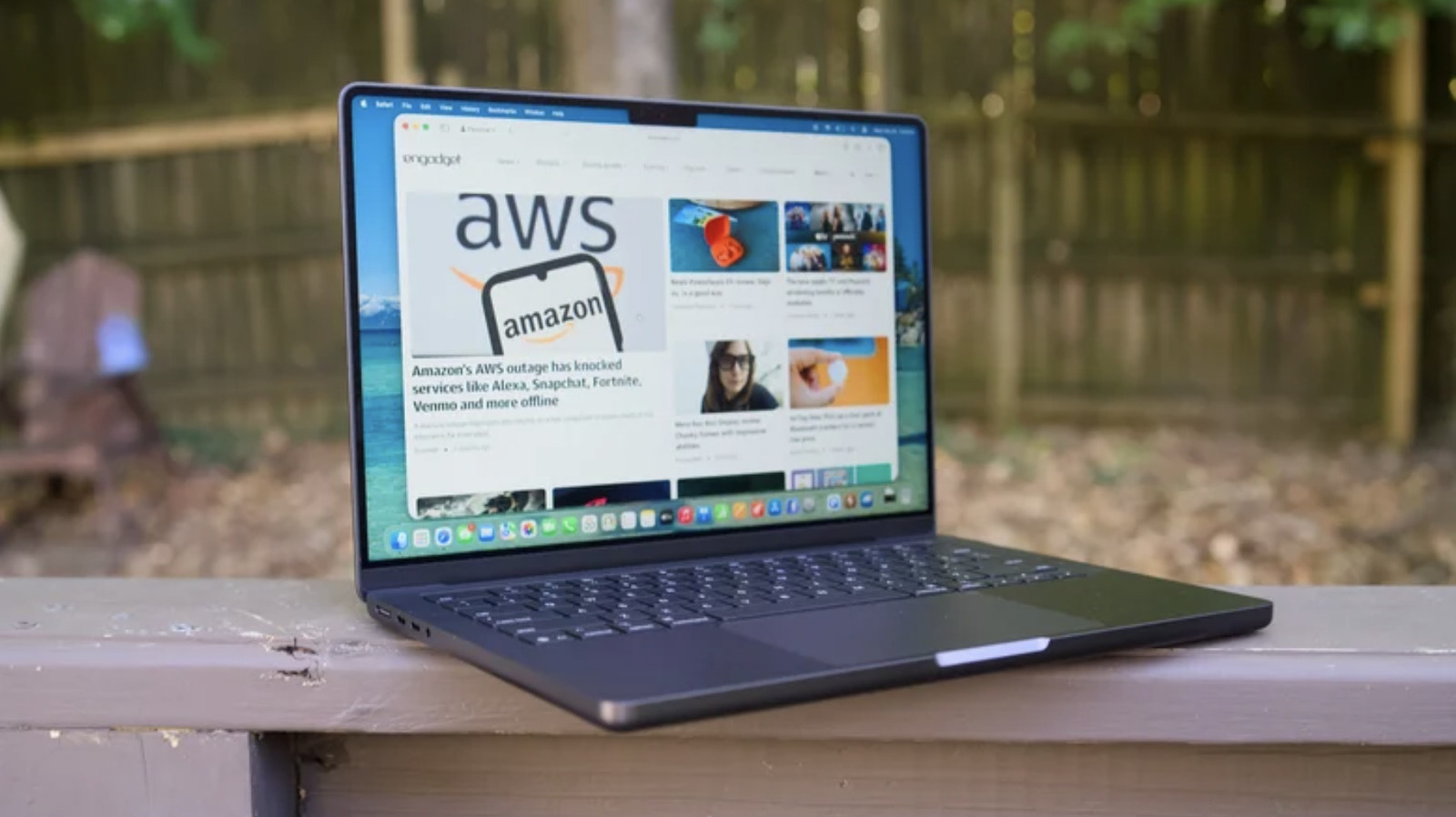
The current entry-level 14-inch MacBook Pro still runs on an M5 chip, while the iMac is notably still powered by an M4 chip. The upgrade to the M6 would provide a welcome performance boost and improved power efficiency for these popular models. Each successive generation of Apple Silicon has brought significant gains in CPU, GPU, and neural engine performance, along with enhancements in power efficiency, enabling longer battery life for laptops and cooler, quieter operation for desktops.
For the entry-level 14-inch MacBook Pro, the M6 chip would ensure it remains a highly competitive option for professionals and power users who may not require the absolute highest-tier performance of the M5 Pro/Max chips but still demand robust capabilities. For the iMac, which serves as a central hub for many home and office setups, the M6 would significantly enhance its processing power for creative tasks, multitasking, and everyday computing, bringing it up to par with the latest chip architectures in Apple’s lineup. These consistent chip updates underscore Apple’s commitment to its aggressive, multi-year transition away from Intel processors, offering a clear upgrade path for its entire Mac ecosystem and maintaining a distinct performance advantage over many competitors. The staggered release also allows Apple to manage supply chains and introduce innovations incrementally across its vast product portfolio.
A Busy Fall: Apple’s Broader Hardware Strategy
These rumored October product launches are part of a broader, highly active fall season for Apple. The company is also reportedly planning a separate event on October 13 to showcase a new collection of smart home devices. While details on these devices are scarcer, they could include updates to the HomePod line, new HomeKit accessories, or perhaps an entirely new category of smart home hardware designed to further integrate Apple’s ecosystem into users’ living spaces. This focus on smart home technology highlights Apple’s ambition to expand beyond traditional computing and mobile devices, establishing a stronger foothold in the burgeoning market for connected home ecosystems.
Furthermore, this packed schedule follows closely on the heels of what was described as a summertime debut for Apple’s first foldable device, the "iPhone Duo." While the exact nature and success of this rumored device remain to be fully evaluated, its mention here emphasizes Apple’s ongoing commitment to innovation and exploring new form factors. The introduction of a foldable phone, a touchscreen MacBook, and advanced smart home devices within a relatively short period signals a period of aggressive product diversification and expansion for Apple, moving beyond incremental updates to existing lines and venturing into new, potentially transformative product categories. This strategic push is critical in a competitive tech landscape where companies are constantly striving to differentiate their offerings and capture new market segments.
Market Implications and Competitive Landscape
The potential launch of a touchscreen MacBook carries profound implications for both Apple and the broader PC industry. For Apple, it represents a significant departure from a long-held design philosophy and a direct response to market trends that have seen Windows-based touch-enabled laptops gain popularity. It could potentially open up new market segments for the Mac, attracting users who prefer direct interaction with their screens or who are accustomed to touch interfaces from their tablets and smartphones. However, it also raises questions about potential cannibalization of iPad Pro sales, particularly given the iPad Pro’s increasing laptop-like capabilities with accessories like the Magic Keyboard. Apple will need to clearly articulate the distinct value propositions of each device to avoid confusion.
In the competitive landscape, a touchscreen MacBook would directly challenge Microsoft’s Surface line, which has championed the hybrid laptop-tablet form factor for over a decade. Dell, HP, and Lenovo also offer a wide array of premium touchscreen laptops and convertibles. Apple’s entry could intensify competition at the high end of the market, forcing rivals to innovate further in areas such like display technology, hinge design, and software optimization for touch. Apple’s strong ecosystem, M-series chip performance, and brand loyalty could give it a significant advantage.
The iPad Mini refresh, particularly with an OLED display, aims to solidify its position in the increasingly crowded small tablet market. While the overall tablet market has seen fluctuations, the compact tablet segment continues to appeal to specific user bases. Enhanced display quality would make the iPad Mini a more attractive option against Android competitors and potentially even some handheld gaming consoles.
From a strategic perspective, these launches underscore Apple’s continued focus on vertical integration – designing both the hardware and software – to deliver optimized user experiences. The M-series chips are central to this strategy, providing a foundational advantage in performance and efficiency across its product lines. By expanding into touch-enabled Macs and enhancing existing lines, Apple is broadening its appeal and attempting to capture a larger share of the diverse computing and mobile device markets.
The Weight of Rumors and Apple’s Silence
It is important to reiterate that, as with all pre-launch information from unofficial sources, these details remain within the realm of rumor until Apple itself makes an official announcement. Apple is famously tight-lipped about its upcoming products, typically confirming new hardware only at its meticulously orchestrated launch events. However, Mark Gurman’s track record of accurately predicting Apple’s plans lends significant credibility to these reports. His consistent insights often reflect information gleaned from supply chains, internal sources, and development timelines, providing a window into Apple’s usually secretive operations.
The anticipation surrounding these rumored launches is palpable. If these reports prove accurate, October 2026 could mark a pivotal moment in Apple’s hardware evolution, potentially reshaping how users interact with their Macs and reaffirming the company’s commitment to pushing the boundaries of technology across its entire product ecosystem. The tech world waits with bated breath for Apple to officially pull back the curtain on what could be some of its most significant product introductions in years.