
 George Chandra Eka
The technology world is witnessing a significant shift in Google’s computing strategy with the introduction of "Googlebooks," a new line of laptops that fundamentally diverge from traditional Chromebooks by adopting an Android-based operating system. This strategic move, which has been under development for some time, aims to deliver a premium, high-performance laptop experience deeply integrated with the Android ecosystem, thereby carving out a distinct niche above the established Chromebook market. The immediate implication is a re-evaluation of where Chromebooks stand in Google’s hardware hierarchy and their continued relevance in a rapidly evolving market.
The Emergence of Googlebooks: A New Paradigm for Mobile Computing
Googlebooks represent a bold step by Google to extend the robust capabilities of its Android operating system beyond smartphones and tablets, directly into the laptop domain. Unlike Chromebooks, which operate on ChromeOS—a Linux-based system primarily designed for web applications—Googlebooks run a dedicated Android-based operating system. This fundamental difference is the cornerstone of their enhanced performance and integrated experience. While ChromeOS has gained the ability to run Android applications through emulation, this often results in suboptimal performance, occasional bugs, and a general lack of fluidity. Googlebooks, by contrast, execute most Android applications natively, harnessing the full potential of their underlying hardware. This native execution ensures superior performance, responsiveness, and a seamless user experience across a vast library of applications available on the full Google Play Store. It is important to note, however, that Google has acknowledged that certain complex Android applications might still exhibit performance issues on Intel-based Googlebooks, suggesting ongoing optimization efforts are focused on both hardware and software integration.
Beyond the operating system, Googlebooks are distinguished by a significant uplift in hardware specifications. Google has set stringent guidelines for its OEM partners, mandating a minimum of 16GB of RAM and 256GB of internal storage. This contrasts sharply with many entry-level Chromebooks, which often feature 4GB of RAM and 64GB of storage. Furthermore, Googlebooks are designed with premium materials, such as carbon-fiber chassis, moving away from the more economical plastic builds often found in budget Chromebooks. They incorporate high-end processors, including both Intel and Snapdragon options, ensuring robust computational power. High-resolution screens are also a standard, promising superior visual fidelity. Early models of Googlebooks are reportedly delivering approximately 14 hours of battery life, a figure that significantly surpasses the average endurance of most Chromebooks and competes favorably with premium laptops across the industry. Adding to their advanced capabilities, all Googlebook-certified laptops come with Google’s generative AI, Gemini, built-in at the system level, promising enhanced intelligence and personalized assistance.
A critical aspect of the Googlebook proposition is its profound integration with Android smartphones. This integration mirrors the seamless ecosystem Apple has cultivated between its MacBooks and iPhones. Users with Android 17 or later devices can experience an unprecedented level of synergy: opening phone applications directly on their Googlebook, accessing phone files without manual transfers, and synchronizing various settings, including passwords and notifications. This cross-device functionality is designed to create a unified and continuous workflow, a significant upgrade from the more fragmented experience often encountered with Chromebooks and Android phones. Google has partnered with leading manufacturers such as Acer, ASUS, Dell, HP, and Lenovo to produce Googlebook-certified laptops, ensuring a diverse range of premium options adhere to these strict performance and quality standards.
Evolution of Google’s Laptop Strategy: From Cloud-Centric to Ecosystem-Integrated
The introduction of Googlebooks marks a pivotal moment in Google’s long-term computing strategy, reflecting an evolution from a primarily cloud-centric vision to a more integrated, high-performance ecosystem approach. ChromeOS, launched in 2011, was initially conceived as a lightweight, secure, and affordable operating system centered around the Chrome web browser. Its core tenets were simplicity, rapid boot times, automatic updates, and strong security, with most applications running as web services. This philosophy made Chromebooks immensely popular in the education sector and among users seeking an inexpensive, no-frills device for basic tasks like web browsing, email, and document editing. For many years, Chromebooks filled a critical void in the market, offering accessible computing that was easy to manage for both individual users and IT departments.
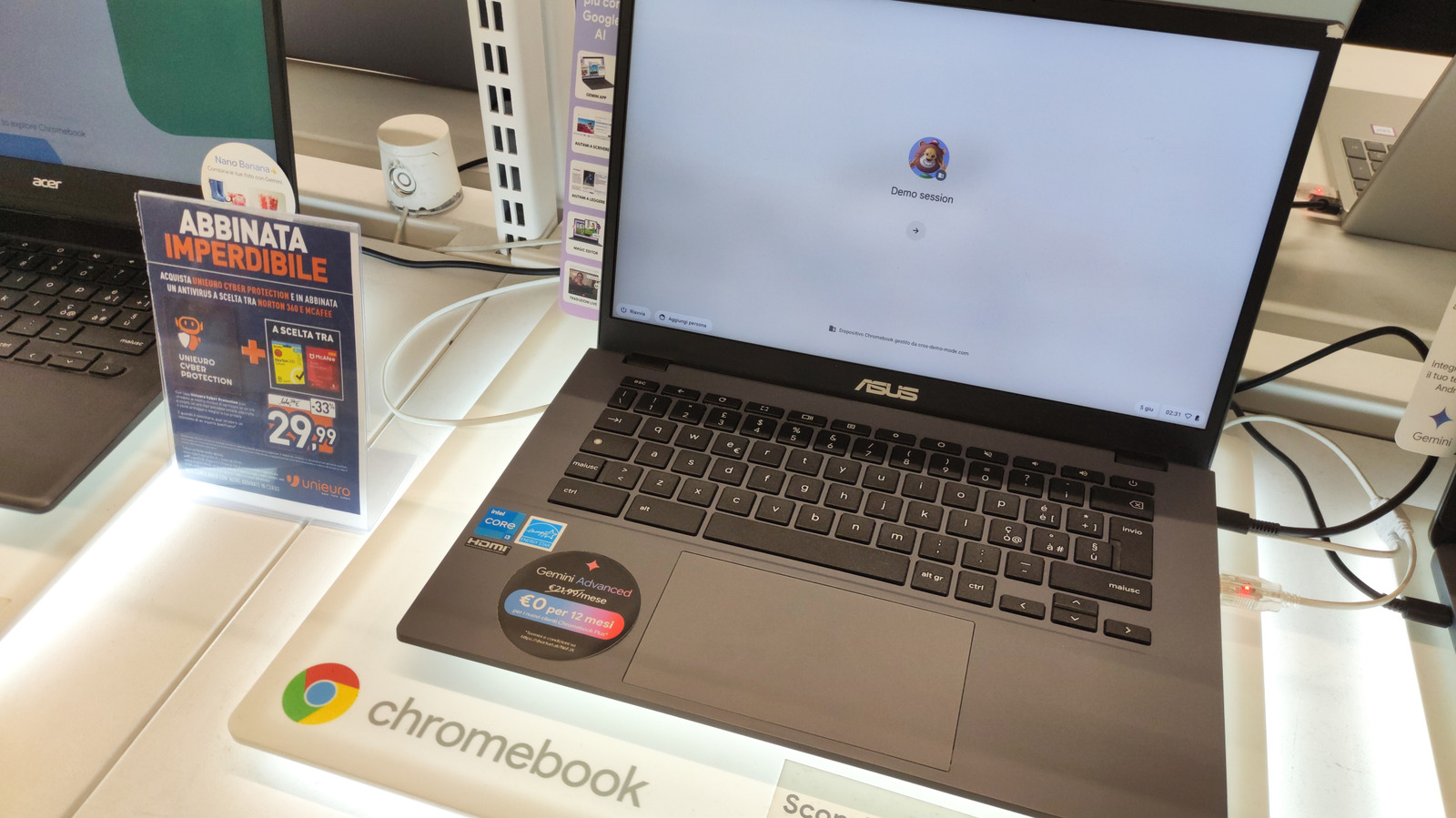
However, as computing needs evolved, the limitations of ChromeOS became more apparent. The reliance on web applications meant less robust offline capabilities and a significant barrier for users who required traditional desktop software found on Windows or macOS. While Google made strides to incorporate Android app support and, later, Linux application support, these solutions often felt like workarounds rather than native integrations, leading to performance compromises and a less than ideal user experience for demanding applications. The "Chromebook Plus" initiative, introduced to standardize a better baseline experience with at least 8GB of RAM and 128GB of storage, was an acknowledgment of the need for more capable hardware.
The strategic rationale behind Googlebooks, therefore, is multifaceted. It directly addresses the performance and software compatibility gaps that prevented ChromeOS from truly competing in the premium laptop segment. By leveraging a native Android-based OS, Google aims to provide a platform that excels at running the vast and continuously growing library of Android applications, from advanced productivity suites and creative tools to high-fidelity mobile games. This move also positions Google to compete more directly with Apple’s highly successful ecosystem, which seamlessly integrates iOS and macOS devices. A Google spokesperson, speaking on the strategic intent, indicated that Googlebooks represent "a natural evolution of our commitment to empowering users with seamless, high-performance computing experiences, leveraging the full potential of the Android platform and advanced AI." This vision extends Google’s influence beyond the mobile phone market, solidifying its presence in the premium personal computing space.
Deep Dive into Technical Superiority and Enhanced User Experience
The technical disparities between Googlebooks and Chromebooks translate into a vastly different user experience. The Android-based operating system on Googlebooks allows for a true desktop-class Android environment. This means applications are not just emulated; they are running as they were designed, with full access to hardware acceleration and optimized performance. For instance, complex mobile games like Genshin Impact or productivity apps such as Adobe Lightroom Mobile will likely perform with greater fluidity and responsiveness on a Googlebook compared to their emulated counterparts on ChromeOS. This native execution ensures that the user interface scales appropriately, multi-window management is more efficient, and peripheral support is robust, enhancing the overall utility for demanding tasks.
Hardware specifications play a crucial role in this enhanced experience. The mandated minimum of 16GB of RAM in Googlebooks is a significant leap, allowing for extensive multitasking without slowdowns. Users can comfortably run multiple Android applications, browser tabs, and system processes simultaneously, a scenario that would often strain lesser-equipped Chromebooks. The 256GB storage minimum provides ample space for applications, files, and media, mitigating the storage constraints often associated with cloud-dependent Chromebooks. The choice between Intel and Snapdragon processors also offers flexibility, with Intel typically providing strong general-purpose computing and Snapdragon excelling in power efficiency and specific AI workloads, further enhancing battery life and mobile connectivity options. The emphasis on carbon-fiber chassis not only provides durability but also contributes to lighter, thinner form factors, elevating the premium feel.
The ecosystem integration with Android 17+ phones is perhaps the most compelling feature for dedicated Android users. This goes beyond simple file sharing; it allows for genuine continuity. Imagine starting an email on your phone and seamlessly continuing it on your Googlebook, or receiving notifications on your laptop that can be acted upon without picking up your phone. This level of synchronization extends to shared passwords, browser history, and even the ability to make and receive calls from the laptop. This mirrors Apple’s "Continuity" features, long praised by users for their convenience and productivity gains. The inclusion of Gemini AI at a system level further elevates this experience, offering intelligent suggestions, proactive assistance, and context-aware interactions that can streamline workflows and personalize the computing experience in unprecedented ways. For developers, this creates a fertile ground for optimizing existing Android applications for larger screens and laptop form factors, potentially leading to a new wave of innovative software that blurs the lines between mobile and desktop computing.
The Enduring Niche of Chromebooks: Price, Simplicity, and Accessibility
Despite the advanced capabilities and premium positioning of Googlebooks, Chromebooks are not destined for obsolescence. Their continued relevance is primarily anchored in their unparalleled affordability and straightforward user experience. Price remains the most significant differentiator. While Googlebooks are positioned in the premium segment, starting at $899 and reaching up to $1,299, Chromebook Plus models typically retail for under $500. For budget-conscious consumers, students, or educational institutions, this price gap is substantial. Entry-level Chromebooks, often available for less than $300, provide an even more accessible entry point into laptop computing. This vast price disparity ensures that Chromebooks will continue to serve a critical segment of the market that prioritizes cost-effectiveness above all else.
Chromebooks also excel in simplicity and ease of use. For users whose primary computing needs revolve around basic tasks such as web browsing, streaming video, social media, and word processing, the streamlined ChromeOS environment is perfectly adequate. These users do not require the high-end processing power or the extensive Android app ecosystem offered by Googlebooks. For them, the low maintenance, instant-on functionality, and inherent security of ChromeOS are significant advantages. Industry analysts suggest that "while Googlebooks aim for the premium segment, Chromebooks will continue to dominate the education and budget markets due to their unparalleled cost-efficiency and established reliability." This highlights their enduring value proposition for a specific demographic.
Furthermore, the maturity of ChromeOS is another factor in its favor. Having been around for over a decade, ChromeOS is a well-established and stable platform. Users know precisely what to expect, and the ecosystem of web applications and basic Android apps is robust and reliable for its intended purpose. While Googlebooks, as a brand-new ecosystem, will undoubtedly face some "growing pains" and require early adopters to navigate potential initial bugs or feature refinements, ChromeOS offers a proven and dependable experience. Longevity is also not a concern for current Chromebook owners; ChromeOS will continue to receive software updates and critical security patches through 2034, ensuring that devices remain functional and secure for many years to come, well beyond the typical replacement cycle for most laptops. This long-term support further solidifies their value proposition.
Market Implications and Future Outlook
The introduction of Googlebooks carries significant implications for the broader laptop market and Google’s competitive standing. Firstly, it positions Google as a more direct competitor to traditional Windows laptops in the mid-to-high price tiers, offering a compelling alternative for users deeply invested in the Android ecosystem. This could potentially fragment the market further, giving consumers more specialized choices. Secondly, it intensifies Google’s rivalry with Apple, particularly in the realm of integrated hardware and software experiences. With Googlebooks, Google now offers a cohesive laptop-to-phone experience that rivals Apple’s continuity features, a crucial factor for user loyalty in today’s tech landscape. Thirdly, the move could stimulate the Android tablet market, as developers are incentivized to create and optimize apps that function seamlessly across various screen sizes and input methods, potentially revitalizing a segment that has struggled to find a consistent identity.
For the developer community, Googlebooks present a substantial opportunity. The promise of native Android app performance on larger screens and more powerful hardware opens up new avenues for innovation. Developers can now design applications that leverage laptop-specific features, high-resolution displays, and robust processing capabilities, without the compromises associated with emulation. This could lead to a proliferation of more sophisticated Android applications tailored for productivity, creativity, and gaming on a laptop form factor.
In conclusion, the launch of Googlebooks is not merely an incremental update; it signifies a strategic pivot for Google in the personal computing space. It introduces a premium, Android-native laptop experience designed for performance, deep ecosystem integration, and advanced AI capabilities, directly challenging established players in the higher-end market. While this bold move elevates Google’s computing ambitions, it simultaneously solidifies the enduring role of Chromebooks as the undisputed champions of accessible, budget-friendly, and simple computing. The coming years will reveal how consumers respond to this bifurcated strategy, but one thing is clear: Google is committed to offering a diverse range of computing solutions, each tailored to distinct user needs and preferences, ultimately enriching the landscape of modern personal technology.







