Galang Taruna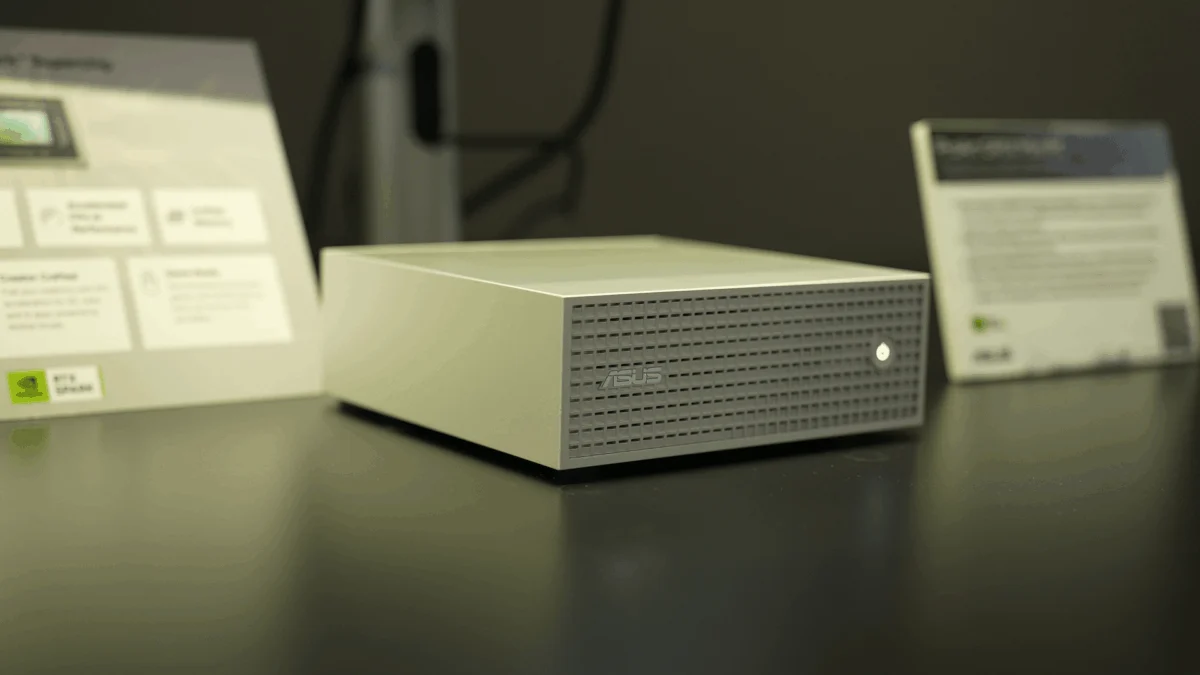
This compact yet potent device, measuring a mere 150mm per side and 51mm in height, presented in a sleek black or silver finish characteristic of the ProArt series, signifies a pivotal shift in personal computing. The GR1X, barely noticeable next to a conventional gaming tower, was a standout revelation at IFA 2026, promising to bring high-performance artificial intelligence capabilities directly to the user’s desktop, circumventing the need for continuous cloud reliance. This strategic move by Asus, in collaboration with Nvidia, aims to democratize powerful AI processing, making it accessible for sustained, local operations.
IFA 2026: A Platform for AI Innovation
The Internationale Funkausstellung (IFA) in Berlin has historically served as a critical global stage for consumer electronics and home appliance innovations. IFA 2026, continuing this tradition, prominently featured advancements in artificial intelligence as a central theme, with many manufacturers showcasing products that integrate AI more deeply into daily life. The unveiling of the Asus ProArt GR1X at such an event underscores the industry’s accelerating pivot towards "Edge AI" or "On-device AI." This trend is driven by growing concerns over data privacy, the demand for lower latency in AI applications, and the desire to reduce operational costs associated with cloud computing subscriptions. Asus’s presentation of the GR1X was particularly notable as it highlighted a complete, consumer-ready system designed from the ground up to host continuous AI workloads, differentiating itself from more developer-centric or enterprise-focused AI hardware.
Revolutionary Design and Unobtrusive Power
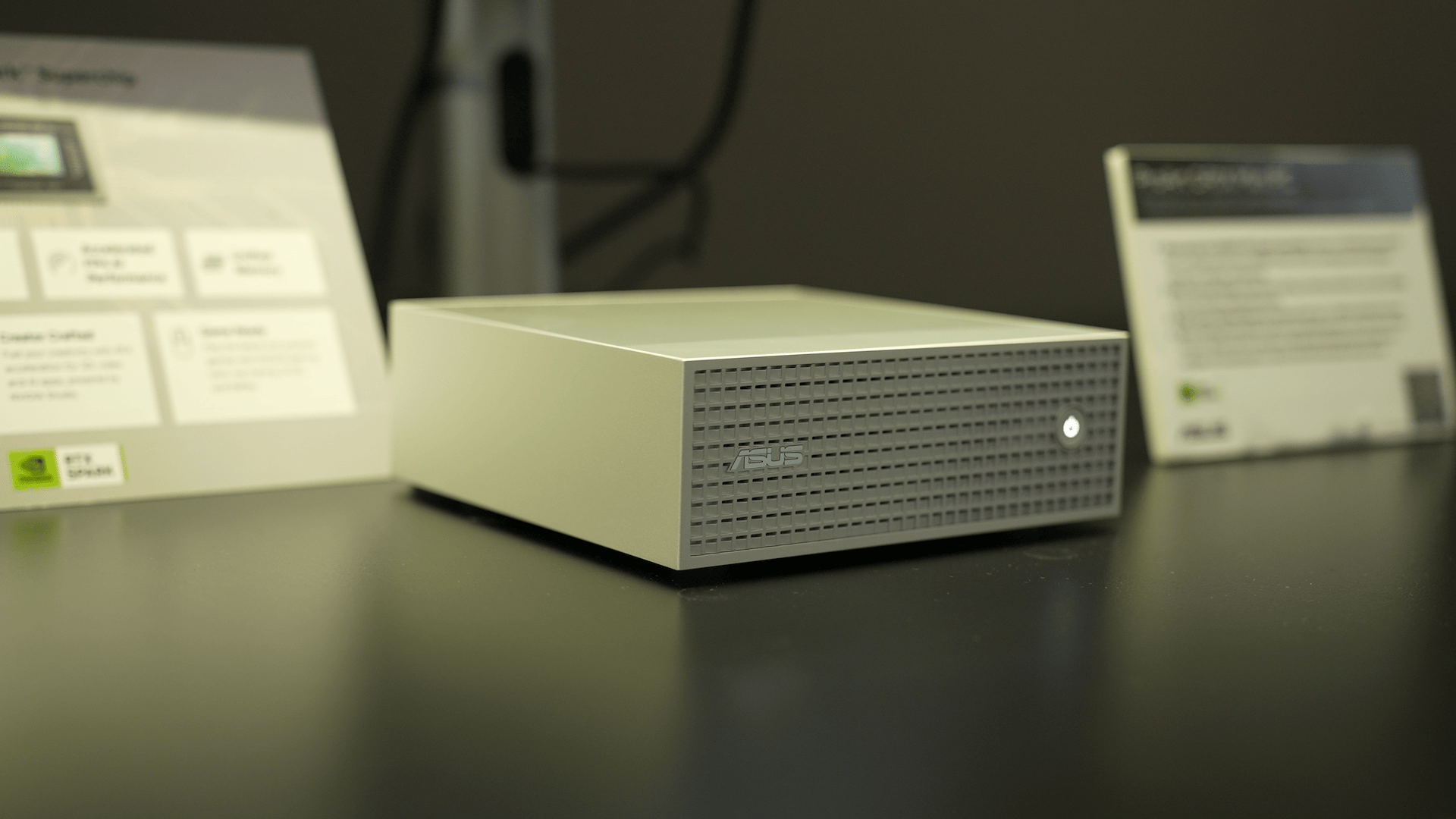
The physical design of the ProArt GR1X, a minimalist cube, embodies the ethos of the ProArt line: professional capability paired with understated elegance. Its dimensions—a mere 150mm cube with a height of 51mm—allow it to integrate seamlessly into virtually any workspace, from a cluttered creative studio to a minimalist home office. This small footprint belies the immense computational power housed within, a testament to advancements in component miniaturization and thermal management. Available in classic black or a sophisticated silver, the GR1X maintains the ProArt family’s signature clean lines and premium aesthetics, making it an attractive addition for professionals who value both performance and design. The choice of Windows 11 as the operating system further cements its position as a versatile tool, capable of running a vast ecosystem of creative and productivity applications alongside its dedicated AI functions.
At the Core: Nvidia RTX Spark’s Unprecedented Power
The true marvel of the Asus GR1X lies within: the Nvidia RTX Spark chip. This "System-on-Chip" (SoC) represents a significant leap in integrated computing, consolidating a formidable Blackwell RTX GPU with 6,144 CUDA cores and a 20-core Grace ARM processor, co-developed with MediaTek, onto a single silicon die. This fusion of a high-performance GPU and an energy-efficient ARM CPU is engineered specifically for accelerated AI workloads.
The RTX Spark boasts an astonishing AI compute capability of up to 1 petaflop (FP4 precision). To put this into perspective, a petaflop signifies one quadrillion floating-point operations per second, a level of performance previously confined to supercomputers or massive data centers. Achieving this on a mini-PC opens up unprecedented possibilities for local AI processing. Complementing this raw power is up to 128GB of unified LPDDR5X memory, shared seamlessly between the GPU and CPU. This unified memory architecture is crucial for AI tasks, as it reduces latency and increases efficiency when handling large datasets and complex models, eliminating the bottlenecks often found in systems with discrete CPU and GPU memory pools. Nvidia’s strategy with RTX Spark aims to bring the power of their data center-grade AI hardware to the personal computing space, empowering a new generation of AI applications directly on the user’s device. Asus had previously showcased this powerful configuration in its ProArt P14 laptop, indicating a broader strategy to integrate RTX Spark across its high-performance ProArt range.
Unleashing Local AI: Beyond the Cloud

The formidable capabilities of the RTX Spark chip in the GR1X translate into practical, high-impact applications for users. This mini-PC can effortlessly run large language models (LLMs) with up to 120 billion parameters directly on the device, eliminating the need to send sensitive data to remote servers. This is a game-changer for privacy-conscious users and professionals dealing with proprietary information, offering a secure environment for processing confidential data without exposure to third-party cloud providers.
Beyond LLMs, the GR1X excels in demanding creative tasks. It can generate 4K video content with remarkable speed and efficiency, a boon for videographers and content creators who typically rely on powerful desktop workstations or cloud rendering services. Similarly, manipulating complex 3D scenes up to 90GB in size becomes a fluid, real-time experience, catering to architects, industrial designers, and game developers. The ability to perform these intensive tasks locally means lower latency, faster iteration cycles, and significant cost savings over time by avoiding subscription fees for cloud-based AI services or high-performance computing clusters. This paradigm shift empowers users with greater control and autonomy over their AI workflows.
The Vision of the "Always-On" AI Agent
The most compelling promise of the Asus GR1X is its design as the "first Windows PC engineered to host personal AI agents capable of running in the background for years." This concept heralds a new era of ambient computing, where intelligent agents continuously work on behalf of the user, adapting to their needs and preferences. Asus illustrated this with an example: an AI agent perpetually monitoring the web for critical information, then proactively notifying the user via their preferred communication channels, such as WhatsApp or SMS.
The integration of Windows 11 is paramount to this vision. While Nvidia has offered Linux-based systems for AI development, Windows 11 provides a familiar and robust ecosystem that allows AI agents to seamlessly interact with everyday software, services, and peripherals. This broad compatibility enables a personal AI to extend its utility beyond mere computation, acting as an intelligent assistant that understands and operates within the user’s established digital environment. This contrasts sharply with more isolated Linux-based developer kits, such as the Nvidia DGX Spark variant tested by Dell, which, while powerful, often require a higher degree of technical expertise to integrate into a daily workflow. The GR1X aims to bridge this gap, offering a powerful, accessible, and integrated AI experience for the mainstream professional.

Engineering for Endurance: Cooling and Connectivity
To sustain 24/7 operation with such high computational demands, Asus has meticulously engineered the GR1X’s cooling system. It features a sophisticated dual-fan setup that draws air efficiently from both the front and bottom of the chassis, creating a robust airflow path. This design ensures that the Nvidia RTX Spark chip, with its advertised 140W Thermal Design Power (TDP), remains stable even under sustained full load and in ambient temperatures ranging from 25 to 30 degrees Celsius. Crucially, this advanced cooling is designed to operate quietly, ensuring the GR1X can reside unobtrusively in a living room or office environment without disturbing its occupants.
Connectivity options further underscore the GR1X’s role as a versatile AI workstation and multimedia hub. It includes two cutting-edge M.2 NVMe PCIe Gen 5 SSD slots, offering blistering storage speeds essential for handling massive AI datasets and large creative files. The inclusion of Wi-Fi 7 provides the latest in wireless networking, ensuring ultra-fast and low-latency data transfer, critical for accessing network resources or cloud services when necessary. A 10 Gb/s LAN port offers enterprise-grade wired networking, vital for high-bandwidth applications and network-attached storage. For visual output, the GR1X is equipped with HDMI 2.1 and multiple USB-C ports, allowing users to connect up to four displays simultaneously, supporting high-resolution and high-refresh-rate setups for complex creative workflows or data visualization.
A thoughtful design detail for storage expansion highlights Asus’s user-centric approach. While the primary SSD is ingeniously placed between the motherboard and the cooling system, the second M.2 slot is conveniently located at the bottom of the motherboard. This allows for straightforward expansion: users can simply remove the screws from the bottom plate of the device to easily insert a new SSD, doubling their storage capacity without complex disassembly.
Market Positioning and Autumn 2026 Launch

Asus has yet to announce the official pricing for the ProArt GR1X, stating only that it will launch in autumn 2026. This strategic timing allows for further market preparation and potentially the refinement of the Windows 11 AI ecosystem. The target audience for the GR1X is clearly defined: AI developers seeking a powerful local platform for model training and inference, creative professionals demanding high-performance local processing for video and 3D work, and technology enthusiasts eager to explore the potential of always-on personal AI agents without cloud dependencies. While the GR1X offers gaming capabilities as a secondary benefit due to its potent GPU, its primary design focus is unequivocally on AI and professional creative workloads.
For the average consumer, the GR1X might initially appear over-specced, but its compact form factor and unparalleled local AI power mark it as a pioneering device. It demonstrates how such immense computational capability can be integrated into a discreet 15cm cube, potentially setting a new standard for high-performance mini-PCs.
The Evolving Landscape of Local AI Hardware
The Asus ProArt GR1X enters a rapidly evolving market for powerful local AI hardware. Key competitors include Apple’s Mac Studio, particularly future iterations like the M5 Max-Ultra or M6, which offer integrated, high-bandwidth memory and powerful neural engines optimized for AI tasks within the macOS ecosystem. These machines have already established a strong foothold among creative professionals for their blend of performance and efficiency.
On the AMD front, the company has been actively developing its "super APU" solutions. The Strix Halo (Ryzen AI Max+ 395), which has undergone extensive testing, integrates a powerful CPU, a robust integrated GPU (iGPU often rivaling discrete GPUs like the RTX 4060), and dedicated AI accelerators, all within a single package. More recently, AMD also unveiled its "Gorgon Halo" chip, hinting at even more potent future offerings in the integrated AI computing space.

The emergence of these diverse architectures from Nvidia, Apple, and AMD signals a broader industry trend: the decentralization of AI processing. While cloud computing will remain vital for massive, enterprise-scale AI, the shift towards powerful, efficient local AI hardware empowers individual users with greater privacy, lower latency, and potentially reduced long-term costs. The GR1X, with its Nvidia RTX Spark and Windows 11 integration, positions itself as a compelling contender in this burgeoning market, offering a unique blend of power, accessibility, and a vision for the future of always-on personal AI.
Broader Implications: A New Era of Personal Computing
The launch of the Asus ProArt GR1X and similar devices heralds a significant paradigm shift in personal computing. The ability to run complex AI models locally reduces reliance on centralized cloud servers, addressing growing concerns about data privacy and security. Users gain more control over their personal data, as processing occurs directly on their device rather than being transmitted to third-party data centers.
Furthermore, this move towards edge AI can lead to a more responsive and personalized user experience. Local processing eliminates network latency, allowing AI agents to react in real-time, adapting to user inputs and environmental cues instantaneously. This could foster the development of highly customized AI applications that learn and evolve with the user over extended periods, providing genuinely proactive assistance.
From an economic perspective, while the initial investment in devices like the GR1X might be substantial, the long-term cost savings from avoiding continuous cloud subscription fees could prove attractive for heavy AI users. It also opens up new avenues for developers to create innovative, privacy-centric AI applications that leverage on-device intelligence. The competition between Nvidia, Apple, and AMD in this space will undoubtedly drive further innovation, leading to more powerful, efficient, and accessible AI hardware in the coming years. The Asus ProArt GR1X stands as a powerful testament to this future, offering a glimpse into a world where advanced artificial intelligence is not just a tool, but an ever-present, integral part of our personal digital lives.