Galang Taruna
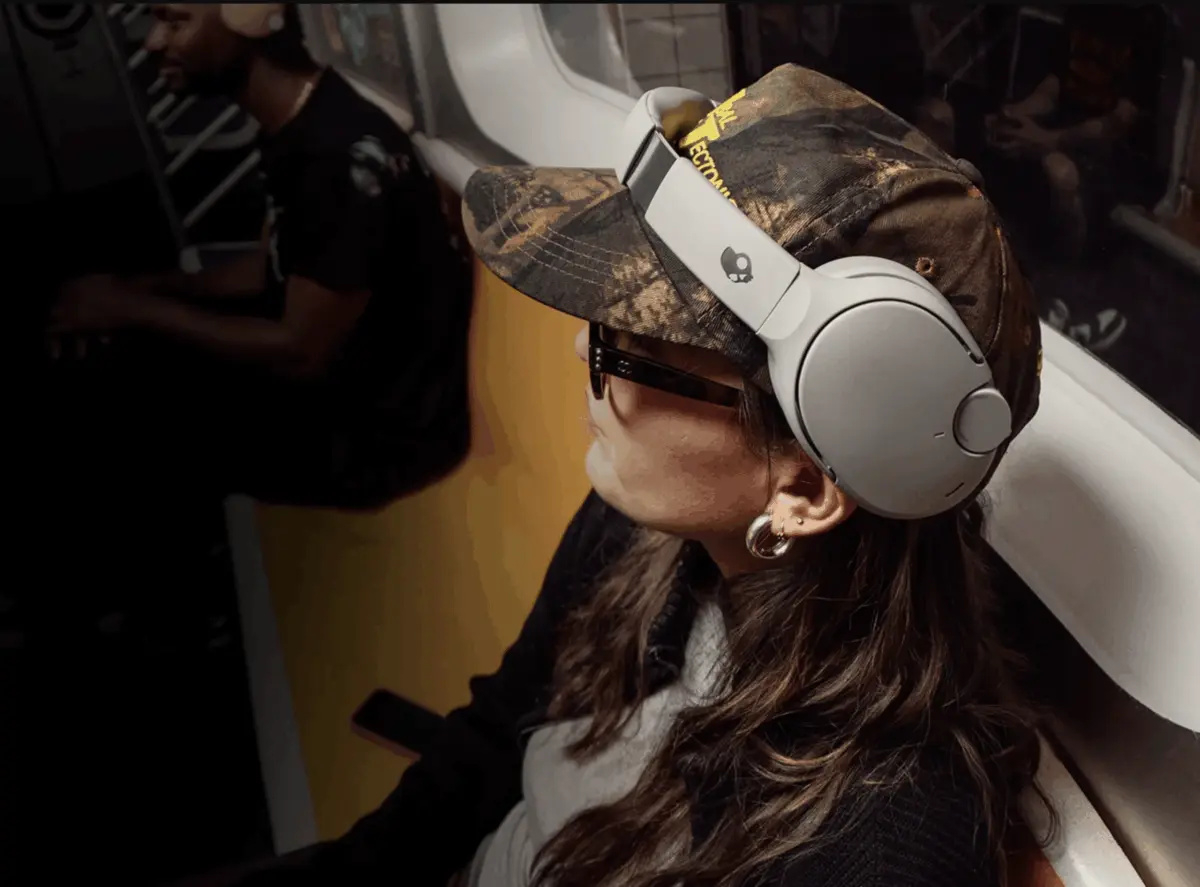
In a significant industry development, audio technology giant Bose Corporation officially announced on Wednesday, October 21, 2026, its acquisition of Skullcandy, the Utah-born brand synonymous with youth culture and affordable headphones and earbuds. This strategic move, confirmed via a press release, signals Bose’s concerted effort to broaden its market reach and solidify its position across various consumer audio segments, from luxury high-fidelity to the vibrant, price-sensitive youth market.
A Convergence of Audio Philosophies: Bose and Skullcandy
The acquisition brings together two distinct entities within the competitive audio landscape. Bose, founded in 1964 by the visionary Dr. Amar Bose, an MIT professor, has long been revered for its pioneering innovations in noise-cancellation technology, premium sound quality, and sophisticated design. Its target audience traditionally comprises audiophiles, professionals, and consumers seeking high-end audio experiences, particularly in the realm of Bluetooth headphones and home audio systems. The brand’s commitment to acoustic excellence has carved out a niche at the higher end of the market, with products often commanding premium price points.
Conversely, Skullcandy, established in 2003 by Rick Alden in Park City, Utah, cultivated a rebellious, edgy brand identity, heavily influenced by extreme sports, street culture, and gaming. With its distinctive skull logo and a focus on vibrant aesthetics, durability, and accessible pricing, Skullcandy rapidly captured the attention of a younger demographic. Its product lines, encompassing everything from basic earbuds to gaming headsets, are designed to resonate with a lifestyle-oriented audience that prioritizes style, functionality, and affordability without necessarily demanding the absolute pinnacle of acoustic fidelity. This demographic, often engaged in action sports or digital entertainment, represents a segment that Bose, with its traditionally more conservative branding and higher price points, has largely struggled to penetrate effectively.
Strategic Imperatives: Expanding Market Reach and Diversifying Portfolio
The rationale behind Bose’s acquisition of Skullcandy is multifaceted and deeply strategic. As Lila Snyder, CEO of Bose, articulated in the official announcement, the goal is to "reach more people" and expand Bose’s "portfolio of brands." In a subsequent interview with Wired, Snyder was even more direct, stating that Skullcandy provides access to "a clientele that largely eludes us with the Bose brand." This candid admission underscores a key challenge for established premium brands in an increasingly diversified consumer market: maintaining exclusivity while simultaneously seeking growth.
By integrating Skullcandy into its corporate structure while allowing it to operate as a distinct brand, Bose effectively addresses this dilemma. It gains immediate access to a younger, more dynamic, and price-conscious consumer base without diluting its own premium image. This strategy is akin to that employed by other tech giants, such as Apple with Beats by Dr. Dre, where a parent company leverages separate brands to cover different market segments and consumer preferences. Skullcandy’s products typically retail at less than half the price of comparable Bose offerings, creating a clear pricing ladder that was previously absent from Bose’s direct consumer offerings.
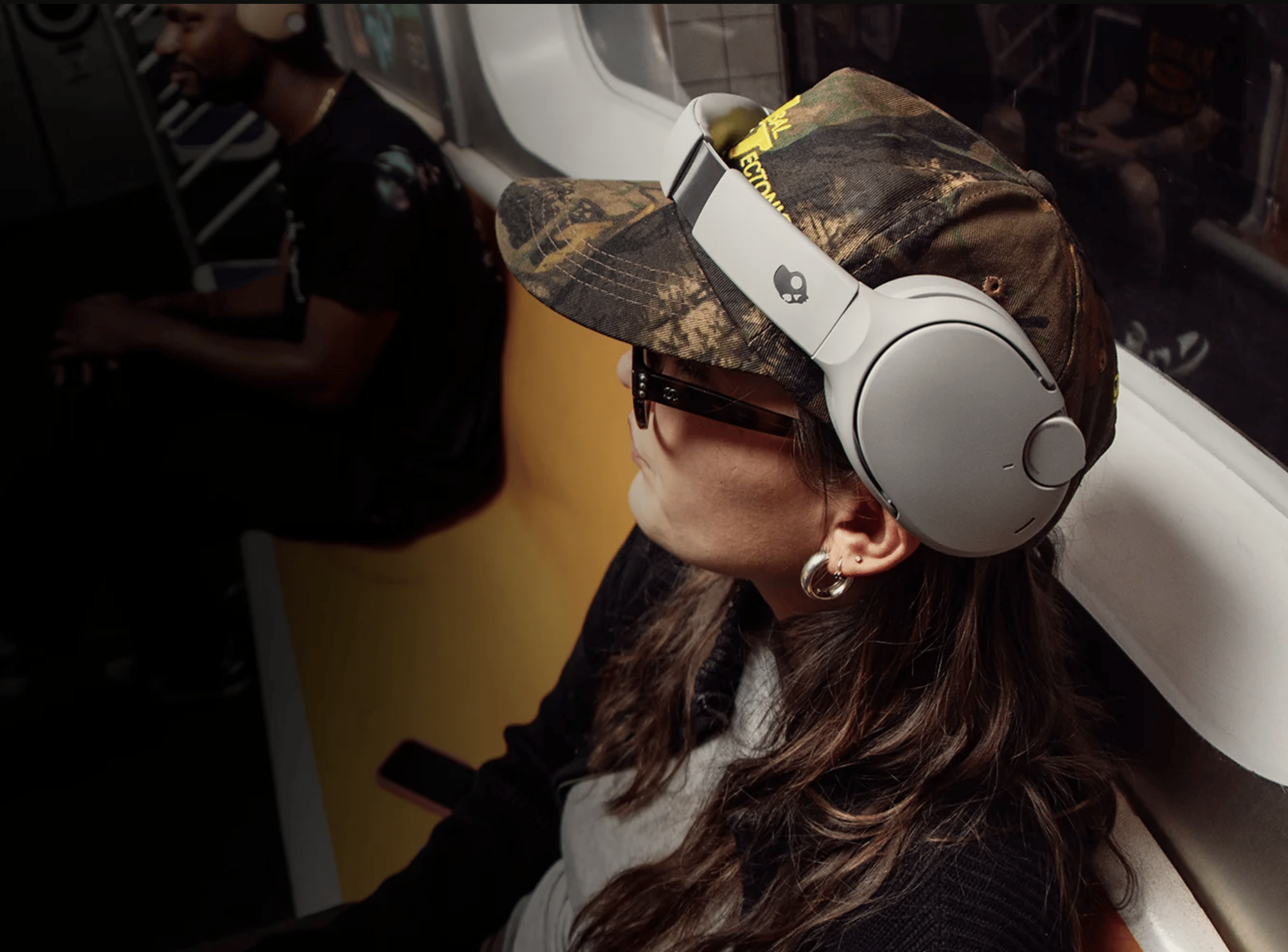
Furthermore, the acquisition is not merely about market segmentation; it also leverages a pre-existing technological synergy. For several years, Bose and Skullcandy have maintained a technical partnership, resulting in products like the Skullcandy Method 360 ANC earbuds and the Crusher 1080 ANC headphones, which proudly carried the "Sound by Bose" imprimatur. This collaboration demonstrated that Skullcandy’s platform could successfully integrate Bose’s acoustic engineering expertise, offering a taste of premium sound at a more accessible price point. This established working relationship likely streamlined the acquisition process and provided a clear roadmap for future product development and technological integration.
The Financial Landscape of the Deal
While the financial terms and specific amount of the acquisition remain confidential, as is often the case with privately held companies like Bose, the transaction’s seller has been identified as a fund managed by Mill Road Capital, a Connecticut-based investment firm. This marks Skullcandy’s second major ownership change in recent years. Mill Road Capital had itself acquired Skullcandy in 2016 when the brand was still publicly traded on Nasdaq, in a deal valued at approximately $200 million (equivalent to about €175 million at the then-current exchange rates). This prior valuation provides some context for the potential scale of the current transaction, highlighting Skullcandy’s significant market value and brand equity. The successful completion of the deal underscores the attractiveness of Skullcandy’s market position and brand loyalty to a major player like Bose.
Brian Garofalow, CEO of Skullcandy, expressed optimism about the future under Bose, hailing the acquisition as a "win for Skullcandy and our fans." This statement suggests a continuity of brand identity and a commitment to its existing customer base, a crucial factor for maintaining the loyalty that Skullcandy has painstakingly built over two decades. Bose, for its part, has pledged to inject more technology, resources, and global distribution capabilities into Skullcandy, while allowing the brand to retain its headquarters in Park City, Utah. This approach indicates a desire to nurture Skullcandy’s unique culture and operational independence, rather than fully subsuming it into the larger Bose corporate identity.
Bose’s Broader Strategic Transformation: A Timeline of Acquisitions and Divestitures
The acquisition of Skullcandy is not an isolated event but rather the latest move in a series of significant strategic adjustments undertaken by Bose in recent years, signaling a profound reorientation of its business model and market focus. This transformation reveals a clear intention to consolidate its position in the consumer audio market, spanning all price points and technological capabilities.
-
2023: Divestiture of Professional Division: Bose initiated this strategic overhaul by selling its professional division to Transom Capital Group. This segment, which had historically supplied specialized audio equipment to demanding clients such as NASA and the U.S. military, represented a significant B2B operation. Its divestiture signaled Bose’s intention to streamline operations and intensify its focus on the consumer market, shedding assets that did not align with its evolving core strategy.
-
November 2024: Acquisition of McIntosh Group: Just a year and a half after selling its professional arm, Bose made a decisive move into the ultra-luxury audio segment by acquiring McIntosh Group. This acquisition brought revered high-fidelity brands like McIntosh and Sonus faber under the Bose umbrella. McIntosh is celebrated for its iconic amplifiers and audio components, while Sonus faber is renowned for its exquisitely crafted loudspeakers. This move firmly established Bose’s presence at the absolute pinnacle of audiophile equipment, complementing its existing premium offerings and catering to a highly discerning, affluent clientele.

-
June 2026: Acquisition of StreamUnlimited: Demonstrating a commitment to technological infrastructure, Bose acquired StreamUnlimited, an Austrian company specializing in software and modules for connected audio devices. In an increasingly interconnected world, where smart features and seamless streaming are paramount, this acquisition bolsters Bose’s capabilities in developing sophisticated, integrated audio solutions. It positions Bose to enhance its products with advanced connectivity, multi-room audio, and smart home integration features, crucial for staying competitive in the modern audio market.
-
October 1, 2026: Acquisition of Firelight Technologies: Just weeks before the Skullcandy announcement, Bose acquired Firelight Technologies, an Australian firm known for its FMOD audio engine. FMOD is a widely used tool that dynamically adapts in-game audio to on-screen action, providing immersive and responsive soundscapes for video games. This acquisition is particularly synergistic with the Skullcandy deal, as gaming is a significant segment for Skullcandy’s target demographic. Integrating FMOD technology could allow Bose to develop superior audio experiences for gamers, whether through Skullcandy-branded headsets or future Bose-branded gaming audio solutions, further cementing its appeal to the youth market.
Implications and Future Outlook
Bose’s aggressive series of acquisitions and strategic divestitures paint a clear picture of a company undergoing a profound transformation. By shedding its professional hardware division and systematically acquiring companies across the consumer audio spectrum – from the luxury McIntosh and Sonus faber, to the software and gaming audio expertise of StreamUnlimited and Firelight Technologies, and finally to the youth-centric, accessible Skullcandy – Bose is meticulously constructing a comprehensive and formidable consumer audio ecosystem.
This expanded portfolio allows Bose to cater to an unprecedented range of consumers, from the discerning audiophile investing thousands in a hi-fi system, to the gaming enthusiast seeking immersive sound at a more approachable price point. The strategy mitigates the risk of over-reliance on a single brand identity and enables Bose to compete more effectively against rivals like Sony, Apple (with Beats), Samsung (with Harman International brands like JBL and Harman Kardon), and Sennheiser, all of whom have diverse product offerings across various price tiers.
For Skullcandy, the acquisition by Bose promises a new era of innovation and global reach. With Bose’s substantial research and development resources, manufacturing prowess, and extensive distribution networks, Skullcandy products could see significant enhancements in audio quality, features, and availability. While no new products or release dates have been announced yet, the existing "Sound by Bose" Skullcandy products, such as the Method 360 ANC and Crusher 1080 ANC, remain available, serving as a testament to the proven synergy between the two brands.
The challenge for Bose will be to effectively manage these diverse brands, ensuring each maintains its unique appeal and market position while leveraging the collective technological and operational strengths of the larger corporation. The strategic pivot from specialized professional equipment to a broad-spectrum consumer audio powerhouse, underpinned by both hardware and software innovation, positions Bose not just as a premium audio brand, but as a dominant force aiming for ubiquitous presence across the entire sound landscape. This bold strategy suggests a long-term vision where Bose aims to deliver exceptional audio experiences to every consumer, regardless of their budget or lifestyle.