
 George Chandra Eka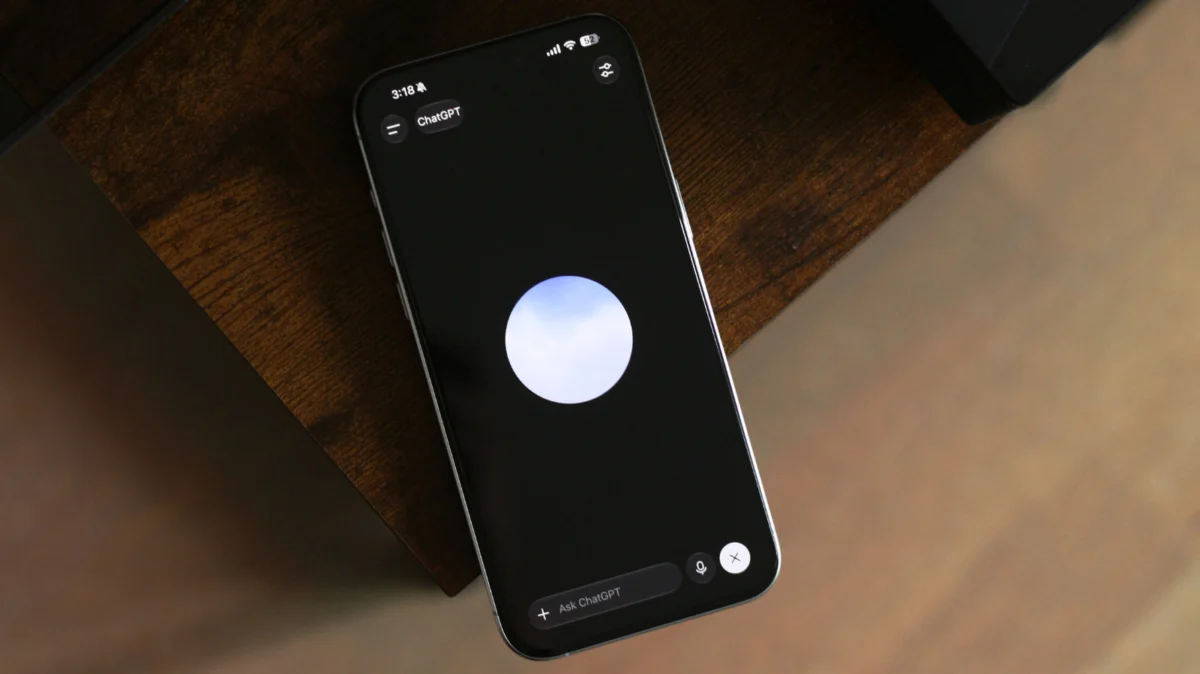
The landscape of human-computer interaction is undergoing a profound transformation with the latest advancements in artificial intelligence, exemplified by OpenAI’s introduction of GPT-Live, a significantly enhanced voice mode for its popular ChatGPT platform. This iteration marks a pivotal moment, moving beyond the often-awkward, turn-based interactions of previous AI assistants to a more fluid, natural, and genuinely conversational experience. Gone are the days of rigid pauses and mistimed interruptions; GPT-Live introduces a "full-duplex" architecture that allows the AI to listen and speak simultaneously, mirroring the nuances of human dialogue.
A New Paradigm in Conversational Flow
The core innovation of GPT-Live lies in its ability to engage in real-time, uninterrupted conversations. Unlike its predecessors, which operated through a sequential three-step process—speech-to-text conversion, language model processing, and text-to-speech output—GPT-Live utilizes a single, multimodal model. This integrated approach dramatically reduces latency and enhances the naturalness of the interaction. Users will now experience ChatGPT vocalizing subtle acknowledgements such as "mhmm" or "yeah" while they are speaking, a feature that significantly reduces the cognitive load associated with interacting with an AI and fosters a more comfortable, human-like rapport. This capability addresses a long-standing "pain point" for users of older voice AI systems, which frequently cut off speakers or began replying before a user had completed their thought, leading to frustration and a sense of artificiality.
The previous voice mode, introduced in 2023, represented an early step towards integrating spoken language into ChatGPT. While functional, it adhered to a more traditional, turn-based communication model. The subsequent Advanced Voice Mode improved upon this by streamlining some processes. However, GPT-Live, powered by a dedicated model, represents a qualitative leap. This "full-duplex" communication is not merely a technical refinement; it fundamentally alters the user experience, making interactions less transactional and more genuinely collaborative. The system is designed to anticipate user intent and maintain conversational coherence even amidst slight pauses or overlapping speech, a critical feature for fostering engaging and effective spoken exchanges.
Evolution of Voice AI: A Brief Chronology
The journey towards sophisticated voice AI began decades ago with rudimentary speech recognition systems. However, the modern era of widely accessible voice assistants truly commenced with Apple’s Siri in 2011, followed by Amazon’s Alexa in 2014 and Google Assistant shortly thereafter. These early assistants, while groundbreaking, primarily focused on command-and-control functions and simple queries, often struggling with complex contextual understanding or extended conversations. Their interactions were largely turn-based, with users needing to wait for a clear prompt before speaking.
OpenAI’s entry into the voice AI arena with ChatGPT’s initial voice mode in 2023 marked a significant expansion of capabilities, allowing for more open-ended dialogue powered by large language models. This was further refined with the Advanced Voice Mode, which began to hint at the multimodal capabilities that are now central to GPT-Live. The introduction of GPT-Live signifies the culmination of these incremental improvements, leveraging advanced neural networks to achieve a level of conversational fluidity previously confined to science fiction. This progression underscores a broader trend in AI development: moving from reactive, task-specific systems to proactive, context-aware, and highly adaptive conversational partners.
Technical Foundations and Behind-the-Scenes Intelligence
The ability of GPT-Live to listen and speak concurrently stems from its sophisticated multimodal architecture. This system processes audio input in real-time, interpreting not just the words spoken but also the rhythm, tone, and pauses, allowing it to predict when a speaker might be about to continue or conclude. Concurrently, it generates its own spoken responses, which are designed to integrate seamlessly into the ongoing dialogue. This is a stark contrast to older systems that required a complete speech segment before initiating processing.
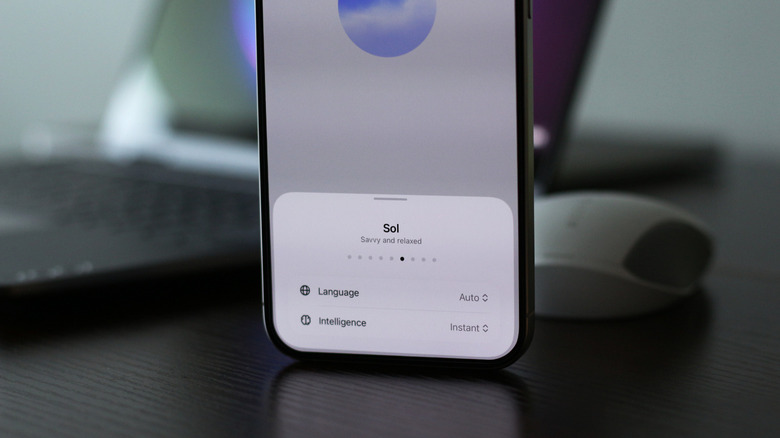
Furthermore, GPT-Live is not a standalone intelligence for complex tasks. While it excels at maintaining a natural conversational flow for everyday queries and immediate responses (its default "Instant" intelligence setting), it possesses the crucial capability to delegate more intricate tasks. When a question demands deeper reasoning, extensive research, or complex problem-solving, GPT-Live can seamlessly pass these requests to more powerful models operating in the background, such as GPT-4.5 or future iterations like GPT-5.5 (as mentioned in related reporting). This intelligent offloading ensures that the conversation remains fluid on the surface while leveraging the full analytical power of OpenAI’s broader AI ecosystem. The user experiences an uninterrupted, intelligent conversation, unaware of the complex computational orchestration occurring behind the scenes.
Accessibility and User Experience: Getting Started with GPT-Live
Accessing GPT-Live is designed to be straightforward for the millions of ChatGPT users. The feature is available through the official ChatGPT application on both Android and iOS devices, as well as via web browsers, ensuring broad compatibility. To initiate a voice conversation, users simply tap the waveform icon located at the far right of the text input box. First-time users will be prompted to grant microphone access, a standard security measure for voice-activated applications.
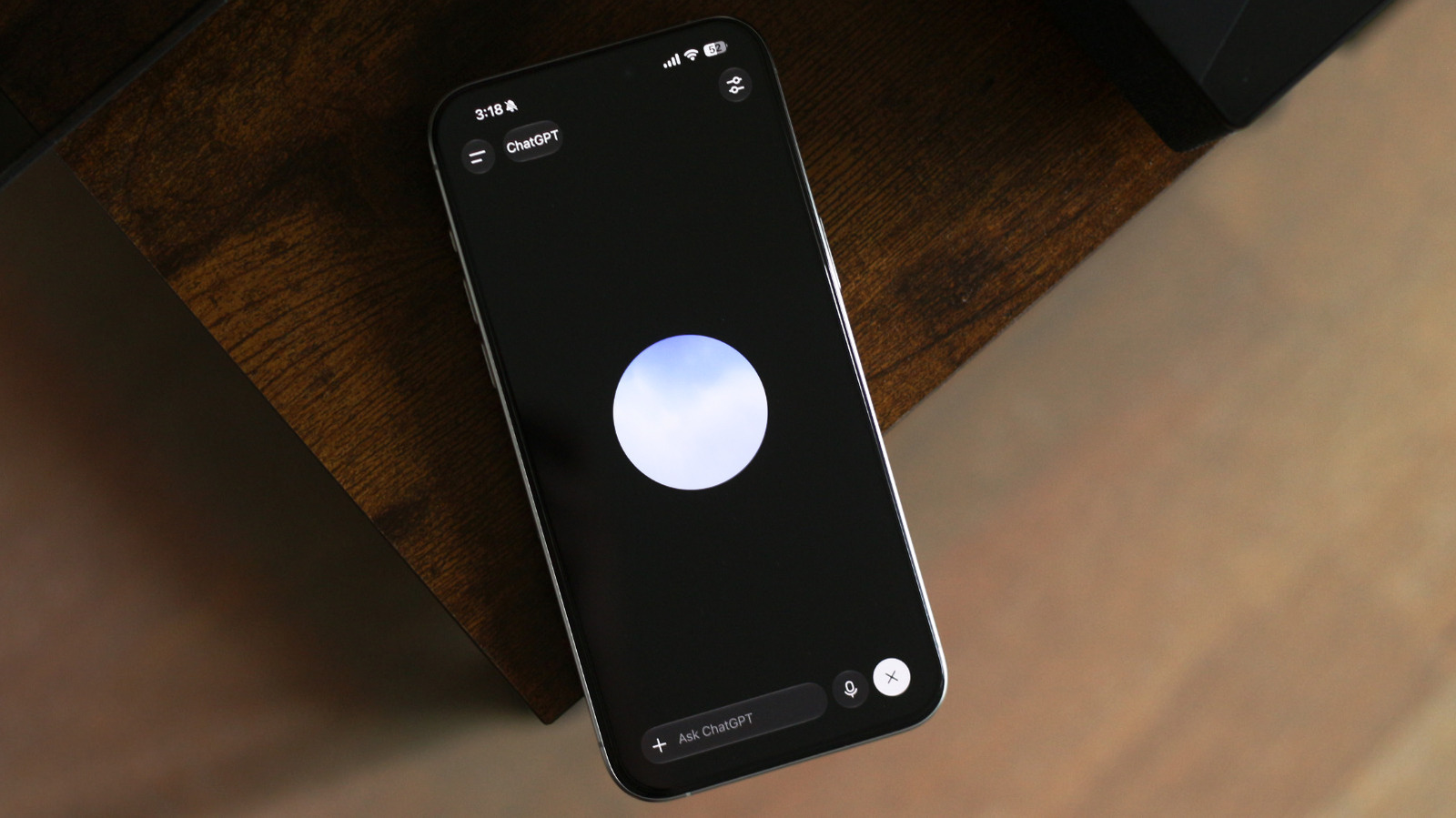
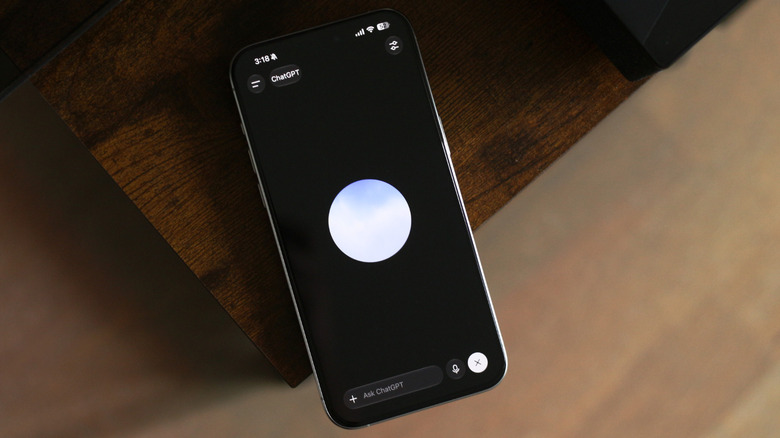
Upon entering voice mode, a responsive, floating orb appears on the screen, visually indicating that ChatGPT is actively listening. Paid subscribers (ChatGPT Pro, Plus, and Go users) gain access to the more capable GPT-Live-1 model, which offers customizable intelligence levels: Instant, Medium, and High. The "Instant" setting prioritizes rapid responses for general queries, while "Medium" and "High" introduce a slight, almost imperceptible delay to allow for deeper processing and more nuanced answers for complex topics. This customization is a significant advantage for power users who engage with ChatGPT for professional or academic purposes. Users on the free plan can access the GPT-Live-1 mini model, still offering a vastly improved voice experience over previous free iterations.
A notable convenience feature is GPT-Live’s ability to remain active even when the user switches to another application or locks their device. This allows for continuous background interaction, similar to how one might hold a phone conversation while performing other tasks. While GPT-Live represents a significant upgrade, it currently does not support screen or video sharing—a functionality that may be integrated in future updates as multimodal AI continues to evolve. For those who prefer the older voice models or wish to experiment with different settings, ChatGPT’s app allows users to revert to previous voice models, select from various AI voices, change the conversational language, or set GPT-Live as the default launch mode.
Beyond the Novelty: Real-World Applications and Benefits
The implications of GPT-Live extend far beyond mere convenience. The natural conversational flow makes it an invaluable tool for a multitude of applications:
- Enhanced Accessibility: For individuals with visual impairments or motor disabilities, voice interaction offers a more equitable and efficient way to access information and utilize AI capabilities, reducing reliance on typing or screen navigation.
- Live Translation: The real-time, full-duplex nature of GPT-Live makes it exceptionally well-suited for live translation. Users can speak in one language, and ChatGPT can translate and respond in another, facilitating cross-lingual communication with unprecedented fluidity.
- Productivity and Multitasking: Professionals can dictate emails, brainstorm ideas, summarize documents, or conduct research hands-free, allowing them to multitask more effectively, whether driving, cooking, or walking.
- Education and Learning: Students can engage in dynamic discussions with the AI, asking questions, exploring complex topics, and receiving immediate, verbal feedback, transforming the learning experience into an interactive dialogue.
- Customer Service and Support: Businesses could leverage similar full-duplex AI for highly personalized and efficient customer support, reducing wait times and improving resolution rates through natural language interactions.
- Creative Brainstorming: The seamless interaction fosters a more collaborative environment for creative professionals, allowing for rapid idea generation and iterative refinement through spoken dialogue.
The ability to scroll down at any point during a voice conversation to reveal a full transcript of the dialogue adds another layer of utility, allowing users to review information, copy key points, or share conversations easily. Moreover, if ChatGPT determines that a visual aid would enhance its spoken response, it can generate an interactive widget alongside its verbal explanation, blending auditory and visual information for a richer user experience.
Broader Market Context and Industry Impact
The launch of GPT-Live is set against a backdrop of explosive growth in the conversational AI market. Reports indicate that the global conversational AI market size, valued at billions of dollars, is projected to grow at a compound annual growth rate (CAGR) exceeding 20-30% in the coming years. This growth is driven by increasing adoption across various sectors, from healthcare and finance to retail and education. OpenAI’s move to enhance the naturalness of voice interaction positions ChatGPT as a leading contender in this rapidly evolving space, directly challenging other AI giants and startups that are also investing heavily in multimodal AI capabilities.
The shift towards more natural, full-duplex communication is likely to accelerate user adoption of voice interfaces, moving them from niche conveniences to indispensable tools for daily productivity and information access. This also puts pressure on competitors to match or exceed these conversational capabilities, leading to an innovation race that ultimately benefits consumers. The integration of "mhmm" and "yeah" acknowledgements, while seemingly minor, represents a crucial step in bridging the uncanny valley of AI interaction, making the technology feel less like a tool and more like a partner.
Challenges and the Road Ahead
Despite its groundbreaking features, GPT-Live, like all nascent AI technologies, presents areas for further development and ethical consideration. The current lack of screen or video sharing, for instance, limits its utility in scenarios requiring visual context or collaborative content creation. While the AI’s intelligence levels are customizable, the underlying issue of AI "hallucinations" – where the model generates plausible but incorrect information – remains a challenge across all LLMs. Users are consistently reminded that generative AI should not be treated as an unquestionable source of truth.
Ethical considerations also loom large. As AI voice models become more sophisticated and indistinguishable from human speech, questions around authenticity, consent, and potential misuse (e.g., deepfakes, impersonation) will become increasingly pertinent. OpenAI, alongside the broader AI community, will need to continue investing in safeguards, transparency, and user education to mitigate these risks. Data privacy, given the continuous listening nature of full-duplex systems, will also remain a paramount concern, requiring robust encryption and clear user controls.
Looking forward, the trajectory of conversational AI suggests even more integrated and context-aware systems. Future iterations may seamlessly combine voice, vision, and other sensory inputs, allowing AI to understand not just what is said, but also facial expressions, gestures, and environmental cues. This multimodal future promises AI assistants that are not only intelligent but also truly empathetic and intuitive, further blurring the lines between human and artificial interaction.
In conclusion, OpenAI’s GPT-Live voice mode represents a significant milestone in the evolution of conversational AI. By moving towards a full-duplex, natural interaction model, it dramatically reduces the awkwardness inherent in previous AI voice assistants, making human-computer dialogue more fluid, efficient, and engaging. This advancement has profound implications for accessibility, productivity, and the broader integration of AI into daily life, setting a new benchmark for what users can expect from their digital companions. As the technology continues to mature, it promises to unlock even more innovative applications, further transforming how we interact with information and each other.







