George Chandra Eka
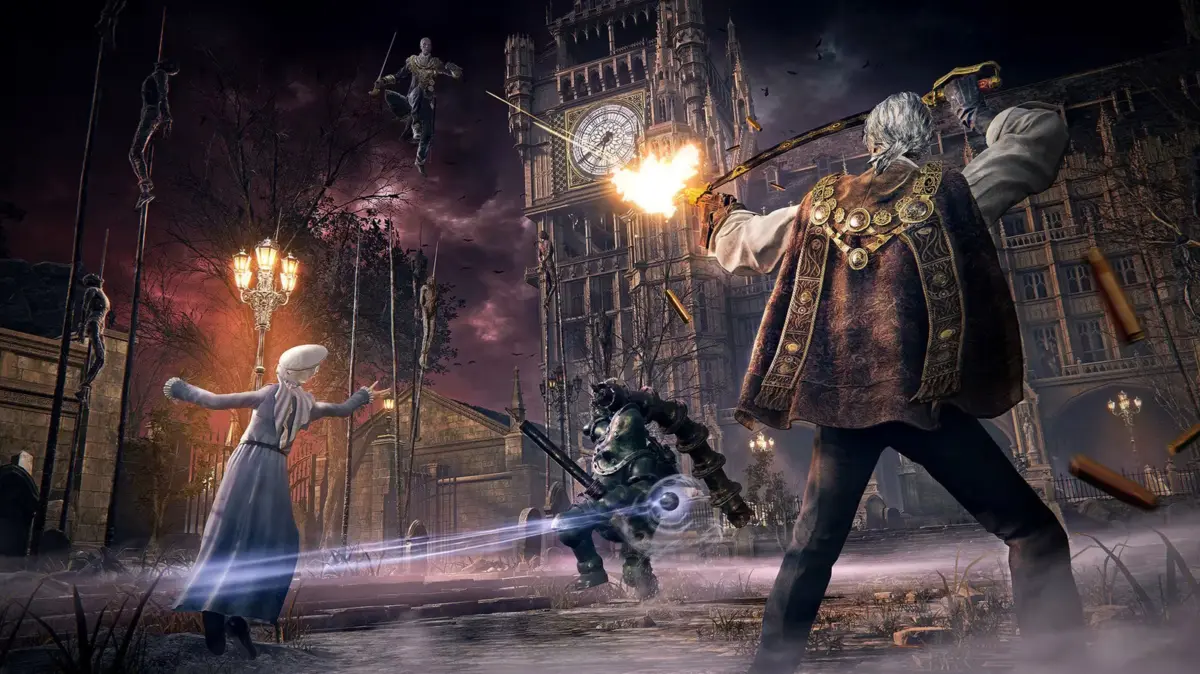
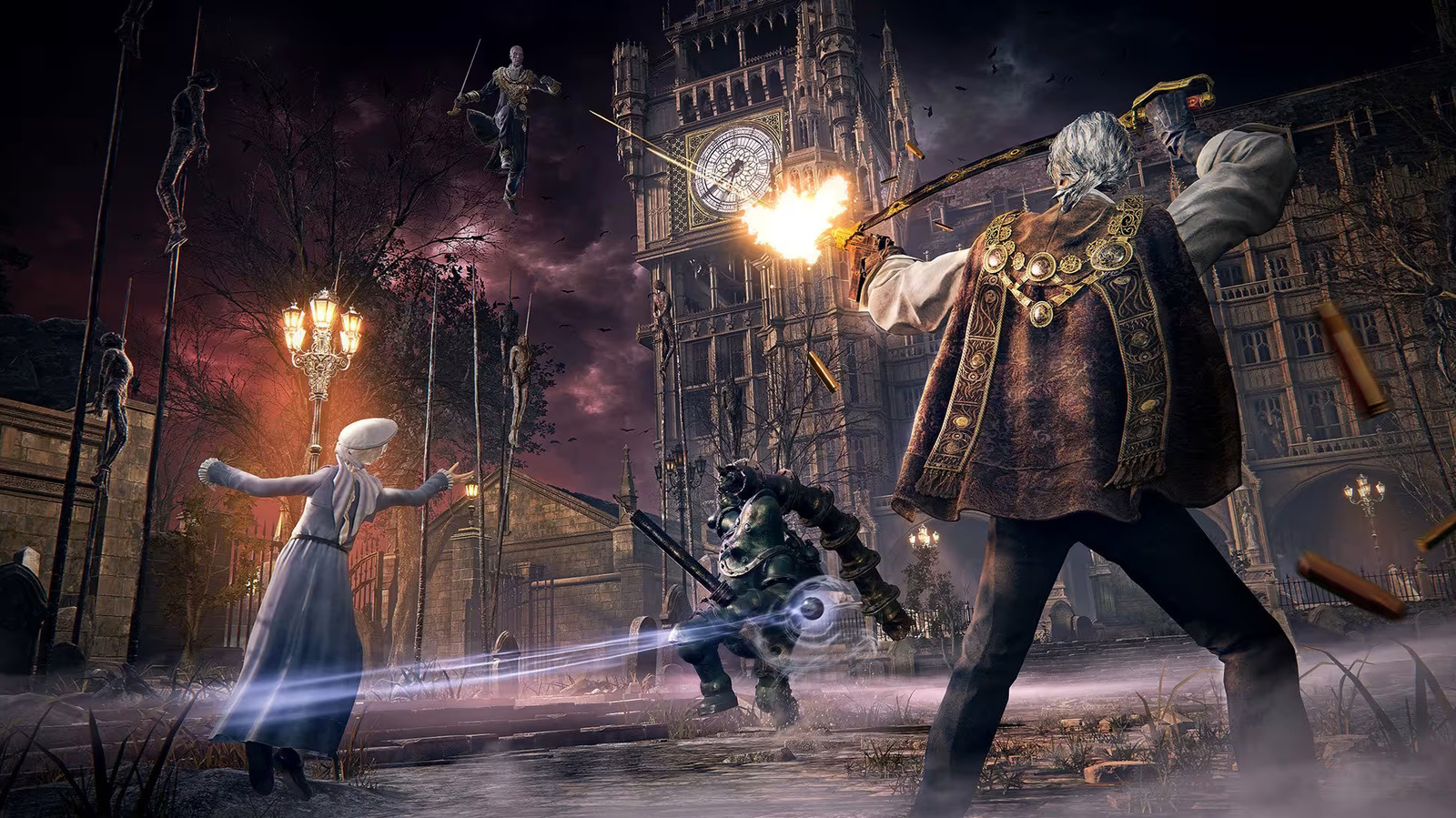
FromSoftware, the critically acclaimed Japanese development studio renowned for its challenging and atmospheric action RPGs, has announced a significant delay for its highly anticipated Nintendo Switch 2 exclusive, The Duskbloods. Originally slated for release in 2026, the unique gothic steampunk multiplayer title will now launch sometime in 2027. The studio cited the need for further refinement of the game’s "rules and balance" following extensive feedback gathered during a recent network test.
A Commitment to Quality: The Rationale Behind the Delay
The decision to postpone The Duskbloods was communicated via the game’s official X (formerly Twitter) account on October 29, 2026. In their statement, FromSoftware elaborated on the insights gained from the August network test, noting, "During the network test, we saw active interest in the core concepts of the game, including combat, strategic depth, and player expression. To further enhance these aspects, we have decided to move the launch, allowing time for final adjustments to game rules and balancing." This candid explanation underscores FromSoftware’s long-standing philosophy of prioritizing game quality and player experience over adherence to initial release schedules. The studio’s reputation has been built on delivering meticulously crafted, deeply engaging experiences, and this delay aligns with that legacy.
The Duskbloods represents a notable departure for FromSoftware in its explicit focus on multiplayer mechanics within a live-service framework, a genre less explored by the studio than its traditional single-player or cooperative-optional titles. The "rules and balance" mentioned are particularly crucial for competitive or persistent online games, where fairness, exploit prevention, and the long-term viability of diverse playstyles directly impact player retention and community health. Refining these elements ensures that the core gameplay loop remains compelling and equitable, preventing early burnout or a fragmented player base. Given the active interest in combat, strategic depth, and player expression during testing, it suggests that while the foundational ideas resonated, the intricate tuning required for a robust multiplayer ecosystem demanded more development time than initially anticipated. This includes ensuring every class, weapon, or ability feels balanced against others, and that the meta-game evolves healthily rather than stagnating around dominant strategies.
FromSoftware’s Legacy of Precision and Patience
FromSoftware has garnered immense respect globally for its distinctive approach to game design, characterized by intricate world-building, challenging combat, and often cryptic narratives. Titles like Demon’s Souls, Dark Souls, Bloodborne, Sekiro: Shadows Die Twice, and the monumental Elden Ring have not only achieved critical acclaim but have also carved out a unique niche in the gaming landscape, inspiring countless imitators and solidifying the "Souls-like" genre. This consistent track record of excellence has fostered a passionate and patient fan base, which often views delays not as a setback, but as an assurance of a more polished and complete final product.
The studio’s development process is often perceived as iterative and demanding, with a strong emphasis on internal testing and refinement. Their games are known for their demanding difficulty, which necessitates incredibly precise controls, responsive hitboxes, and deeply considered enemy design. Translating this philosophy to a multiplayer-centric experience like The Duskbloods, especially with its gothic steampunk aesthetic that promises unique mechanics and environments, naturally introduces layers of complexity. The sheer number of variables that must be accounted for in a multiplayer setting—player-versus-player interactions, environmental hazards, unique character builds, and network stability—multiplies the balancing challenges exponentially compared to a primarily single-player experience.
A Chronology of Development and Previous Delays
The Duskbloods was first publicly revealed in April 2025 during a dedicated Nintendo Switch 2 showcase, immediately capturing attention due to FromSoftware’s involvement and its intriguing visual style. At the time, it was positioned as a flagship exclusive for Nintendo’s new console, expected to arrive within the console’s early lifecycle. The initial 2026 release window, though ambitious for a title of this scope, set expectations high.
The August 2026 network test was a crucial milestone, allowing a select group of players to experience the game’s core mechanics and provide invaluable feedback. These tests are essential for identifying unforeseen issues, gauging player reception to core design choices, and stress-testing server infrastructure. The feedback from this test directly informed the studio’s decision to push the release date.
This is not FromSoftware’s first experience with adjusting release timelines, particularly concerning Nintendo’s new hardware. A port of their blockbuster title, Elden Ring, for the Nintendo Switch 2 was initially targeted for a 2025 release. However, reports of performance issues and the need for further optimization led to its delay until August 2026, when it finally launched to general acclaim, demonstrating that the additional development time was well-spent in delivering a stable and enjoyable experience on the new platform. This prior instance sets a precedent, illustrating FromSoftware’s willingness to delay a title rather than release it in a suboptimal state, even when dealing with a highly anticipated port of an existing game. The lessons learned from optimizing Elden Ring for the Switch 2, particularly concerning hardware capabilities and performance, may also indirectly influence the development strategy for The Duskbloods, ensuring that the exclusive leverages the console’s power effectively.
The Competitive Landscape of Late 2026 and Early 2027
While the primary reason for the delay is internal refinement, the broader market landscape likely played a secondary, albeit significant, role in the strategic decision. The latter half of 2026 is poised to be an extraordinarily crowded period for major game releases. The impending launch of highly anticipated titles such as Grand Theft Auto 6 and the remake of The Legend of Zelda: Ocarina of Time are set to dominate player attention and disposable income for months.
Grand Theft Auto 6, with its immense cultural footprint and anticipated record-breaking sales, is expected to capture a vast segment of the gaming audience. Similarly, a modern remake of The Legend of Zelda: Ocarina of Time, a title widely considered one of the greatest games ever made, will undoubtedly command significant enthusiasm, especially among Nintendo’s core fan base. Releasing The Duskbloods amidst such titans would have risked it being overshadowed, struggling to gain critical mindshare and sales momentum despite its own merits. By shifting to 2027, FromSoftware potentially positions The Duskbloods in a less congested window, allowing it to breathe and attract the undivided attention of its target audience. This strategic timing could prove beneficial, giving the game a clearer path to market penetration and critical recognition. The early months of 2027, while still likely to feature other significant releases, may offer a slightly less intense competitive environment, allowing The Duskbloods to establish its identity and secure its place within the Switch 2’s burgeoning library.
Implications for FromSoftware and Nintendo
For FromSoftware, the delay, while extending the development cycle and deferring revenue, reinforces its commitment to quality and player satisfaction. This reputation is a valuable asset, often translating into stronger long-term sales and a loyal fan base willing to wait for a superior product. A rushed release, especially for a multiplayer game that relies heavily on community engagement, could lead to negative reviews, a fractured player base, and lasting damage to the game’s commercial viability. By taking the extra time, FromSoftware aims to ensure The Duskbloods launches in a state that fully realizes its potential, providing a stable, balanced, and engaging experience that stands the test of time.
For Nintendo and the Switch 2, the delay of a high-profile exclusive is a mixed bag. On one hand, it removes a significant draw from their 2026 holiday lineup, potentially impacting console sales during a crucial period. Exclusive titles from renowned developers like FromSoftware are vital for attracting early adopters and showcasing the capabilities of new hardware. On the other hand, a well-received The Duskbloods in 2027 will ultimately serve as a stronger long-term asset for the Switch 2’s library. Nintendo has historically shown a willingness to allow its partners and internal studios the time needed to perfect games, understanding that quality ultimately drives platform success. The presence of The Duskbloods as a future exclusive continues to signal strong third-party support and diverse offerings for the Switch 2.
Anticipated Reactions and Future Outlook
The fan community, while likely experiencing an initial pang of disappointment, has largely responded to the news with understanding and support. FromSoftware’s reputation for delivering exceptional games often means fans are more forgiving of delays, viewing them as a necessary step towards perfection. Discussions across forums and social media platforms indicate a prevailing sentiment that "a delayed game is eventually good, but a rushed game is forever bad," a common adage in the gaming community. Players are already speculating on the specific areas of "rules and balance" that might be undergoing revision, ranging from character ability cooldowns to weapon damage values, and the overall pace of multiplayer encounters. This active engagement, even amidst a delay, underscores the high anticipation for the title.
Industry analysts are also likely to view this as a prudent, if not ideal, business decision. In a market where consumer expectations for polished, bug-free launches are higher than ever, avoiding a potentially flawed release is paramount. The long-term financial success of a game often hinges on its initial reception, particularly in the multiplayer sphere where a strong launch can build a thriving community. An additional year of development provides ample opportunity for further internal testing, potentially more closed or open beta tests to gather broader feedback, and the implementation of more robust network infrastructure. It also allows the studio to respond to evolving player trends and integrate cutting-edge features that might further enhance the gothic steampunk world and its unique gameplay mechanics.
As The Duskbloods now targets a 2027 release, FromSoftware will likely maintain communication with its eager fan base, perhaps offering further glimpses into the game’s refined mechanics or development progress in the coming months. The extended development cycle, while testing the patience of players, ultimately promises a more thoroughly realized vision for a game that aims to blend FromSoftware’s signature challenging design with the dynamic intricacies of a multiplayer experience. The delay sets the stage for a potentially superior launch, ensuring that when players finally step into the haunting, intricate world of The Duskbloods, they will be met with an experience truly worthy of the FromSoftware name.