Metty Iskandar
The landscape of artificial intelligence assistants has taken a significant leap forward with the emergence of tools capable of executing multi-step tasks autonomously, a development that was once relegated to the realm of science fiction. Google’s Gemini Spark stands at the forefront of this revolution, offering end-users an unprecedented level of accessibility and intuitive interaction within the Google ecosystem. While Gemini Spark’s seamless integration and ease of use are undeniable assets, a comparative analysis with established players like Perplexity Computer reveals key areas for potential improvement and highlights the diverse strategies employed in the AI assistant market.
The Dawn of Autonomous AI Assistants
For years, artificial intelligence development has focused on enhancing natural language processing and task execution. Early AI assistants were largely limited to single-command responses, requiring user supervision for each subsequent action. The advent of more sophisticated large language models (LLMs) and advancements in AI agent technology have paved the way for systems that can understand complex instructions, access and synthesize information from various sources, and perform a series of actions without constant human intervention. This marks a pivotal shift, transforming AI assistants from simple query responders into proactive digital collaborators.
Google’s Gemini Spark represents a significant milestone in making this advanced capability widely accessible. Unlike enterprise-focused solutions that often require intricate setup and specialized knowledge, Spark is designed for the everyday user. Its ability to operate in the background, contextually understanding and acting upon user needs within supported Google services, has quickly made it an indispensable tool for many. The novelty of an AI meticulously researching, verifying information, and executing tasks with human-like efficiency contributes to its compelling user experience.
Gemini Spark: Harnessing the Power of the Google Ecosystem
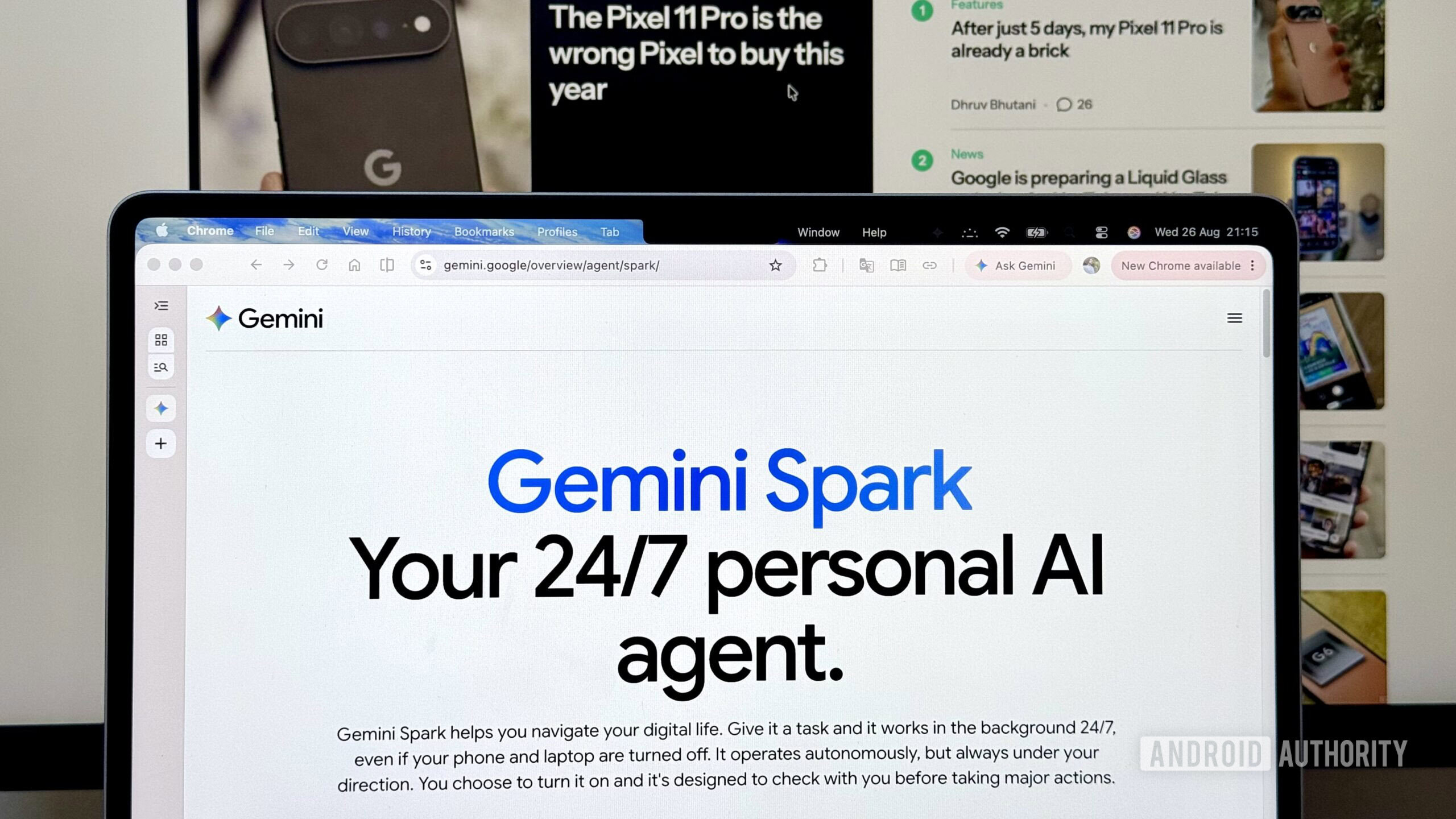
The core strength of Gemini Spark lies in its deep integration within Google’s extensive suite of applications. Unlike many AI tools that rely on external APIs and complex connectors to interact with services like Gmail and Google Drive, Spark operates natively within the Google family. This inherent advantage eliminates the need for cumbersome setup processes and allows for fluid data access and task execution across supported Google platforms.
For instance, a user needing to resolve an issue with an online purchase, such as a defective product, can leverage Gemini Spark to streamline the process. Instead of manually sifting through order histories in Gmail, locating customer support contact information, and drafting an email, Spark can automate these steps. By simply providing the product name, Spark can access relevant order details from Gmail, identify the appropriate customer support channel (even when brands attempt to obscure direct contact methods), and compose a comprehensive email. This significantly reduces the time and effort required for such tasks, allowing users to maintain their workflow without interruption. The ability to perform such actions across supported Google services underscores Spark’s potential to eliminate everyday digital friction.
Perplexity Computer: A Multimodal Approach to AI Assistance
In contrast to Gemini Spark’s ecosystem-centric approach, Perplexity Computer offers a broader, more flexible model by leveraging a diverse array of third-party LLMs. Perplexity does not develop its own proprietary LLM; instead, it acts as an orchestrator, intelligently selecting and deploying models from providers such as OpenAI, Anthropic, and Google itself, based on the specific requirements of a given task.
This multimodal strategy allows Perplexity Computer to tap into the unique strengths of various AI models. For example, when a user requires the generation of high-quality images, Perplexity can delegate this task to a model like ChatGPT, known for its superior image generation capabilities, rather than relying solely on Google’s internal offerings. This flexibility ensures that users benefit from the most advanced and appropriate AI technology for each specific need, a distinct advantage when dealing with tasks that extend beyond the direct purview of a single company’s services.
The Double-Edged Sword of Ecosystem Integration
While Gemini Spark’s seamless integration within the Google ecosystem is a primary selling point, it also represents its most significant limitation. Google’s business model and competitive landscape preclude the integration of competing AI models into its proprietary products. Consequently, Spark users are confined to the Gemini models made available by Google. Currently, Spark operates on Gemini 3.7 Flash. While Google’s Flash-class models offer accessibility, they have, in some user experiences, been found to be less reliable in understanding and responding to complex queries compared to models like Claude or ChatGPT.
This reliance on a single AI model can manifest in subtle errors or oversights within Spark’s output. Users may find it necessary to cross-check actions or information in other Google applications, indicating a need for more robust self-assessment mechanisms within Spark. Perplexity Computer, by contrast, appears to have a more mature and comprehensive self-evaluation process, a feature that Gemini Spark could benefit from incorporating.
Bridging the Gap: Potential for Gemini Spark’s Evolution
Despite its current limitations, Gemini Spark possesses considerable potential for future development. The "rough edges" observed in its current iteration are not insurmountable and are characteristic of a nascent product. The primary area for improvement lies in its ability to offer users a wider selection of LLMs, akin to Perplexity’s approach. The introduction of more advanced Gemini models, such as a future Gemini Pro iteration, could significantly enhance Spark’s capabilities and address current shortcomings in understanding and response accuracy.
The accessibility of Gemini Spark is also a key factor in its favor. While Perplexity Computer offers a robust feature set, its subscription model, reportedly around $200 per month for its premium tier, positions it as a premium solution. In contrast, Google has recently expanded access to Gemini Spark, making it available to users of its Pro tier subscriptions. This translates to significantly better value for money, with a $20 monthly Google AI subscription potentially granting access to one of the most advanced AI tools developed by the company. Google’s unparalleled global reach and infrastructure position it to make such sophisticated AI tools accessible to billions of users worldwide with relative ease.
Beyond the Ecosystem: Gemini Spark’s Enterprise Outlook
While Gemini Spark excels at streamlining tasks within the Google ecosystem, its utility for users operating outside of it is currently limited. The tool’s potential for more complex, professional applications is evident, yet it remains absent from Google’s business-oriented Workspace subscriptions. This absence could be attributed to regulatory considerations for enterprise adoption or strategic decisions by Google. However, this delay allows competitors like Perplexity Computer to gain a significant advantage in the professional market.
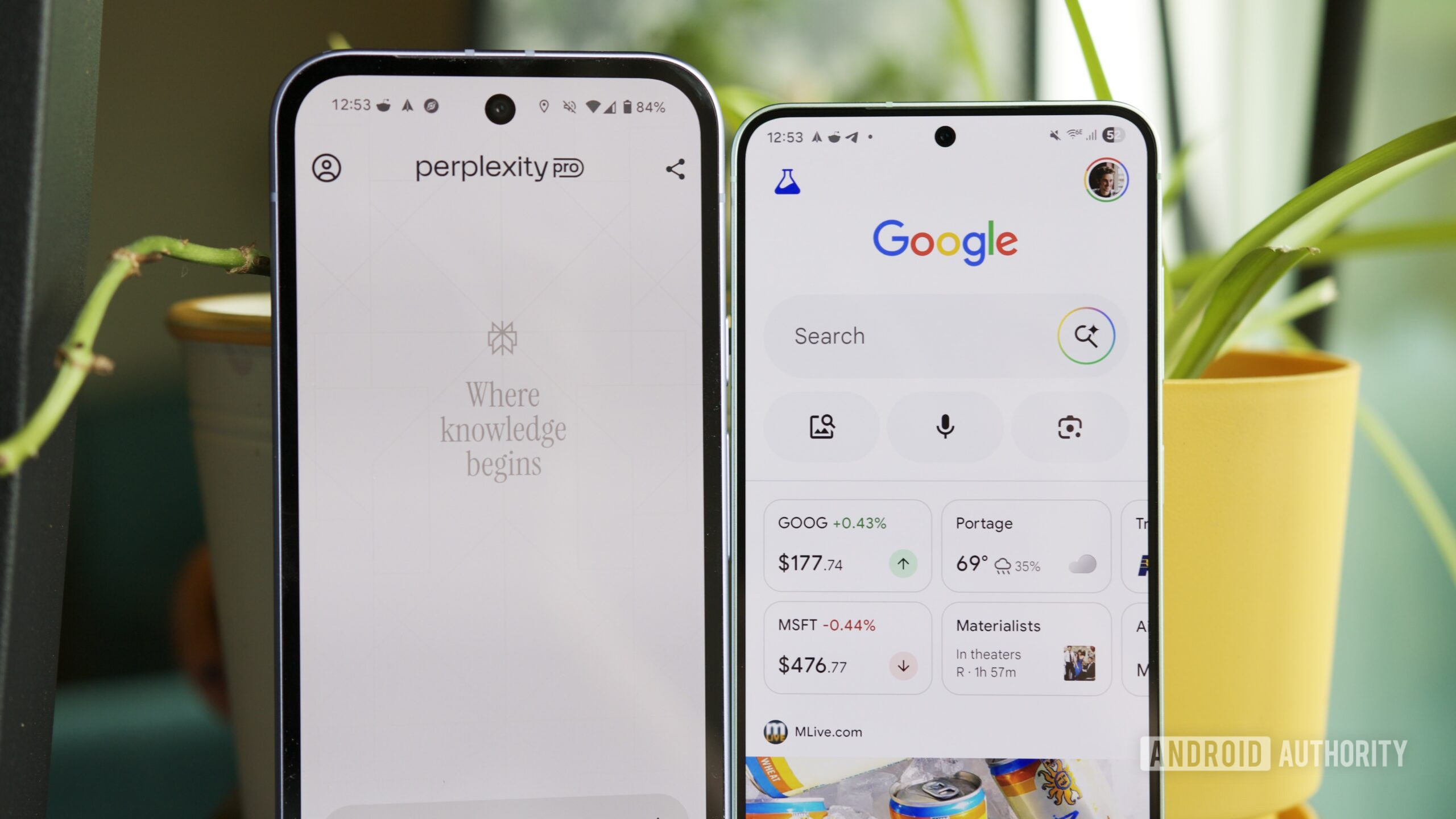
Perplexity Computer’s extensive list of third-party integrations, spanning professional tools from Salesforce, HubSpot, Microsoft 365, and even Google Workspace itself, makes it a compelling choice for professionals who do not exclusively operate within the Google environment. Until Gemini Spark achieves broader integration and potentially extends its reach into enterprise solutions, Perplexity Computer will likely remain the preferred choice for those requiring a more versatile and professionally oriented AI assistant.
User Experience and Accessibility: A Tale of Two Interfaces
A notable difference between Gemini Spark and Perplexity Computer lies in their user interface and perceived approachability. Perplexity Computer, with its focus on professional utility, presents a more serious and perhaps even intimidating interface, drawing comparisons to the distinction between Outlook and Gmail. This design choice, while signaling robustness, might present a steeper learning curve for novice AI users.
Gemini Spark, in line with Google’s product philosophy, offers a more user-friendly and intuitive experience. Its design is approachable, making it accessible even for individuals new to AI assistants. This user-centric design, coupled with its cost-effectiveness, positions Gemini Spark as a gateway for mass adoption of advanced AI technology. The ability to delegate tasks effortlessly without feeling overwhelmed by the underlying complexity is a significant achievement for Google.
Conclusion: The Evolving Landscape of AI Assistance
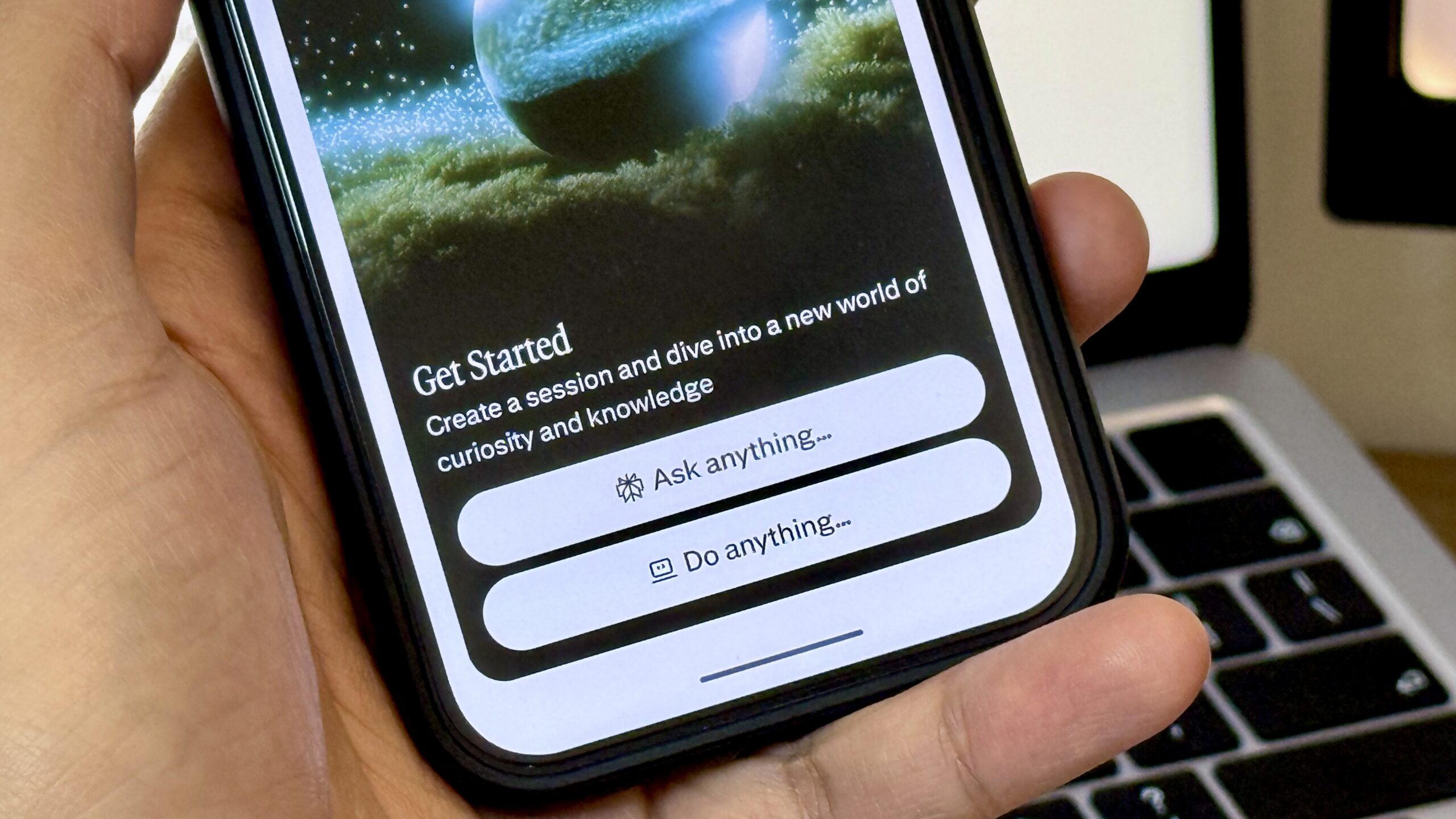
The emergence of AI assistants like Gemini Spark and Perplexity Computer signifies a transformative era in personal and professional productivity. Gemini Spark, with its deep integration into the Google ecosystem and user-friendly interface, is poised to become a default tool for everyday task automation for a vast number of users. Its affordability and Google’s commitment to ongoing development suggest a bright future for the platform.
However, the current limitations in model diversity and cross-ecosystem integration highlight areas where competitors like Perplexity Computer continue to excel. Perplexity’s multimodal approach, leveraging various LLMs and extensive third-party integrations, makes it a powerful tool for professionals requiring flexibility and advanced capabilities. As AI technology continues to evolve at an unprecedented pace, the competition between these platforms will likely drive further innovation, ultimately benefiting users with increasingly sophisticated and accessible AI assistance. The question of whether AI agents can be trusted with complex work is no longer theoretical; it is a rapidly unfolding reality, and the ongoing development of tools like Gemini Spark and Perplexity Computer will shape how we interact with technology in the years to come.