Garick Elordi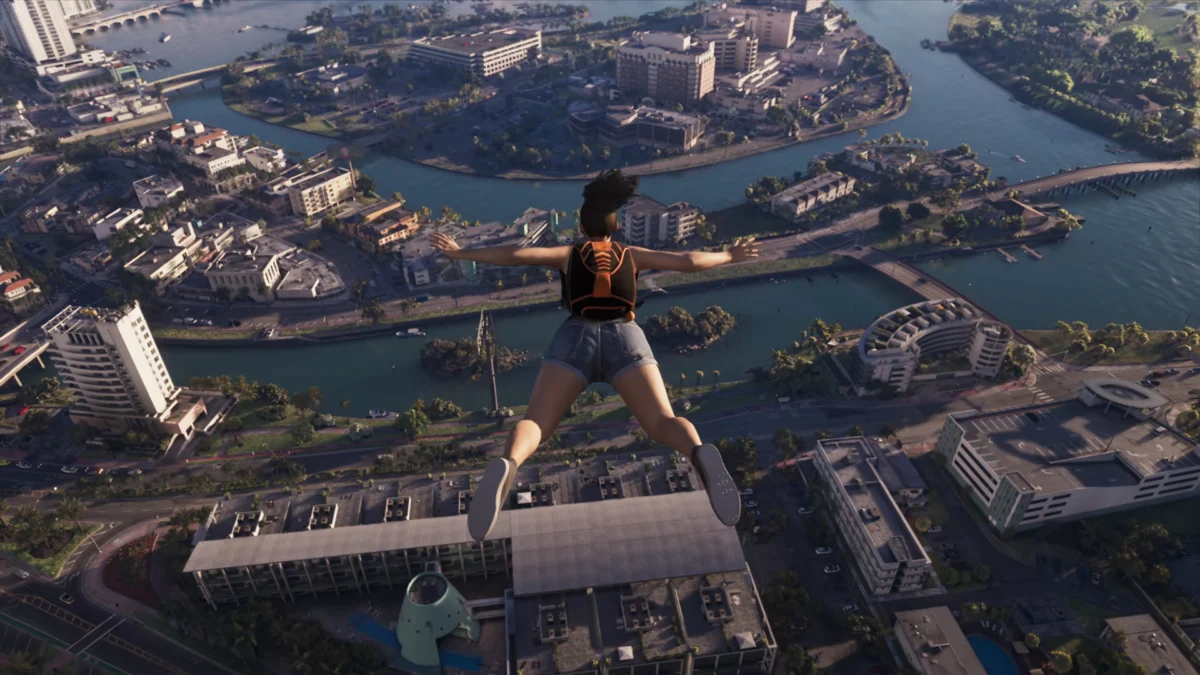
Rockstar Games has officially disclosed significant technical and narrative specifications for its upcoming open-world title, Grand Theft Auto 6, confirming that the game’s environment will be twice the size of its predecessor, Grand Theft Auto 5. In a series of high-profile media engagements following a massive information blowout, Rockstar leadership provided clarity on the scale of the state of Leonida, the Florida-inspired setting that serves as the backdrop for the franchise’s return to Vice City. According to Rob Nelson, Rockstar’s Head of Development, the game is designed not only to surpass previous entries in physical dimensions but also in narrative depth, with a projected playtime of approximately 80 hours for the primary storyline and select secondary objectives.
The revelation came through a combination of exclusive interviews and a highly anticipated "Extended Look" digital event. Speaking with content creator TGG, Nelson detailed the staggering proportions of the new map. While Grand Theft Auto 5’s Los Santos was previously considered a benchmark for open-world design, Grand Theft Auto 6’s Vice City alone is reportedly twice the size of the Los Santos urban center. When accounting for the surrounding suburbs and rural expanses, the scale increases exponentially; the total metropolitan area of Vice City and its outskirts is estimated to be 11 times larger than the equivalent areas in the 2013 predecessor. Furthermore, the total landmass of Leonida is approximately three times the size of the world found in Red Dead Redemption 2, a game widely lauded for its immense and detailed geography.
The Geography of Leonida: A Detailed Survey of the New World
The state of Leonida represents Rockstar’s most ambitious attempt at digital cartography to date. While Vice City serves as the primary neon-soaked hub, the "Extended Look" confirmed six distinct key locations that offer varied ecological and architectural environments. These regions are designed to provide a comprehensive cross-section of the Southeastern United States’ cultural and physical landscape.
- Vice City: The crown jewel of Leonida, this sprawling metropolis has been reimagined for the modern era. It features a dense urban core, luxury high-rises, and vibrant nightlife districts that are significantly more populated and interactive than any previous Rockstar city.
- Port Gellhorn: Once a thriving tourist destination, Port Gellhorn is depicted as a gritty, industrial, and coastal town that provides a stark contrast to the glitz of Vice City. It serves as a critical location for the game’s early narrative beats.
- The Leonida Keys: Inspired by the Florida Keys, this archipelago consists of a series of interconnected islands. These areas emphasize maritime gameplay, featuring coral reefs, luxury resorts, and secluded hideouts accessible primarily by watercraft.
- The Grassrivers: A massive wetland ecosystem modeled after the Everglades. This region introduces specialized traversal mechanics, such as airboats, and features a dangerous wildlife system including alligators and unique swamp-dwelling factions.
- Mount Kalaga National Park: Providing verticality to an otherwise flat state, this park offers hiking trails, dense forests, and mountainous terrain, catering to off-road enthusiasts and players seeking a break from urban chaos.
- Ambrosia: A rural, agricultural heartland that explores the "small-town" side of Leonida. This area is expected to house various criminal enterprises hidden behind the facade of legitimate farming operations.
The expansion of the map is not merely a matter of square footage. Rockstar has emphasized "interior density," suggesting that a significantly higher percentage of buildings will be enterable and functional compared to previous titles. This shift is intended to eliminate the "facade" feeling of older open-world games, ensuring that the world feels lived-in and reactive.
Narrative Scope and the 80-Hour Campaign
The longevity of Grand Theft Auto 6 has been a point of intense speculation among the gaming community. During a conversation with the New York Times, Rob Nelson indicated that his most recent internal playthrough, conducted in February 2024, lasted roughly 80 hours. This timeframe encompasses the central narrative arc involving protagonists Jason and Lucia, as well as "optional goals with narrative ramifications."
This 80-hour figure suggests a campaign nearly double the length of Grand Theft Auto 5’s main story, which typically took players between 30 and 40 hours to complete. The inclusion of "narrative ramifications" for optional content hints at a more complex branching dialogue and choice system, likely tied to the previously rumored relationship mechanic between the two leads. The game’s focus on a dual-protagonist system—a romantic couple engaged in a high-stakes criminal spree—allows for a more intimate and character-driven story than the satirical, multi-perspective approach of the previous entry.
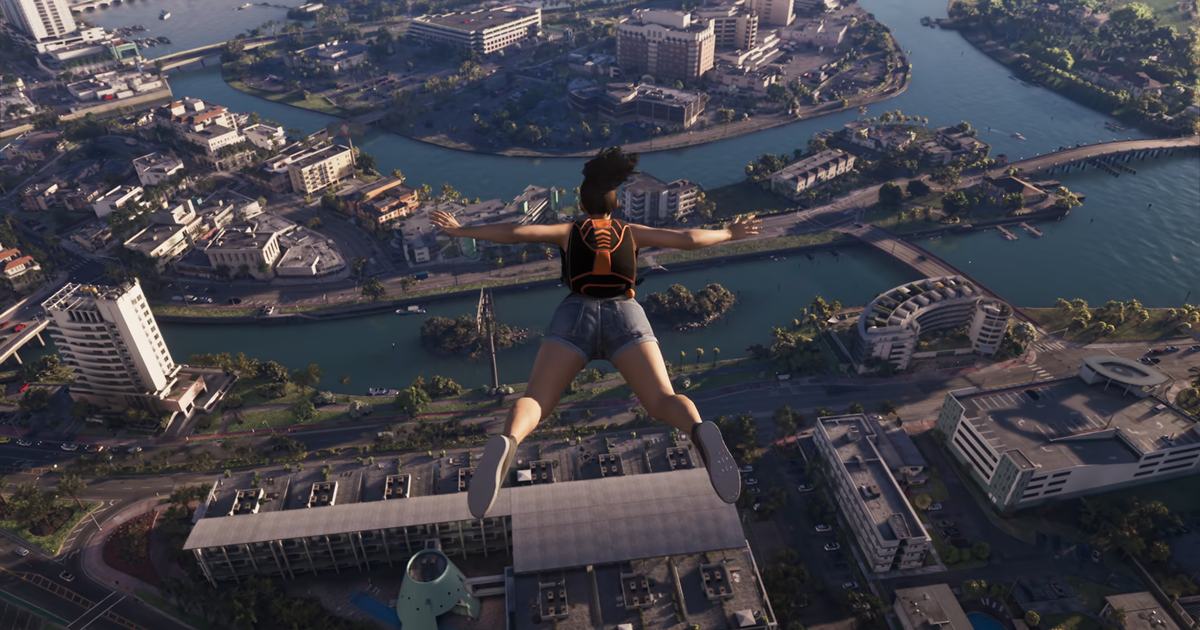
Beyond the main campaign, the world is reportedly filled with dynamic activities and emergent gameplay opportunities. From illegal street racing and deep-sea diving to managing criminal empires and engaging with a robust social media parody system, the "side content" is designed to be as polished as the primary missions. Analysts suggest that for completionists, the total playtime could easily exceed 150 to 200 hours.
Evolution of Gameplay Mechanics: Realism and Challenge
The "Extended Look" also provided insight into how Rockstar is evolving the core mechanics of the Grand Theft Auto franchise. A primary theme of the presentation was a "push toward realism," a design philosophy that carries over from the meticulous detail seen in Red Dead Redemption 2.
One of the most significant changes involves the vehicle systems. Driving and car-jacking—the eponymous activities of the series—have been made more challenging. Unlike previous games where stealing a car was a near-instantaneous action, Grand Theft Auto 6 introduces more complex animations and technical hurdles for high-end vehicles, requiring players to utilize tools or hacking devices. The driving physics have also been overhauled to provide a greater sense of weight and momentum, moving away from the "arcade" feel of the 2013 title.
Furthermore, the "Wanted" system has undergone a complete revamp. Police AI is now more tactical and persistent. Law enforcement will utilize "criminal profiles" to track players across sessions, meaning that changing vehicles or clothing will be essential to evading long-term detection. The traditional "stars" system remains, but the escalation of force is now more logical, with police setting up cordons and using surveillance technology rather than simply spawning in the player’s immediate vicinity.
Development Context and Industry Impact
The road to Grand Theft Auto 6 has been fraught with challenges and unprecedented levels of public scrutiny. The game has been in development for over a decade, with Rockstar Games investing what industry insiders estimate to be between $1 billion and $2 billion. This makes it the most expensive piece of media ever produced.
The recent "Extended Look" was strategically timed to reclaim the narrative following a series of damaging leaks. In late 2022 and early 2024, early development footage and confidential documents were released online by hackers, forcing Rockstar into a defensive posture. The official reveal on Netflix and other platforms served as a powerful rebuttal, demonstrating a level of graphical fidelity and systemic complexity that surpassed the leaked materials.
The popularity of the reveal was so immense that it caused brief service interruptions on Netflix’s streaming infrastructure. This "server-crushing" demand underscores the cultural weight of the franchise. For many industry observers, the shift toward ultra-realism is seen as a calculated risk. While some players may find the slower pace and increased complexity of realistic mechanics "awkward" or "cumbersome," others view it as the necessary evolution for the medium to move beyond simple escapism into true immersion.

Corporate Controversy and Labor Relations
Despite the technical triumphs showcased in the new footage, Rockstar Games continues to face internal and external pressures. The company is currently embroiled in a labor dispute in the United Kingdom, where workers have raised allegations of "union-busting" tactics. As the studio pushes toward the final stages of development—often referred to as "crunch" in the industry—employees have voiced concerns regarding mandatory return-to-office policies and the impact on work-life balance.
Trade unions representing game developers have urged Rockstar to engage in fair negotiations, warning that the success of a billion-dollar product should not come at the cost of worker well-being. Rockstar has issued statements emphasizing its commitment to its staff, but the friction remains a point of contention that shadows the game’s marketing campaign.
Future Implications for the Gaming Landscape
The release of Grand Theft Auto 6 is poised to be a seismic event for the global entertainment industry. With its massive scale, 80-hour narrative, and technical innovations, the game is expected to set a new standard for what is possible in interactive media. The "Leonida" setting is not just a playground for chaos but a sophisticated simulation of modern American life, complete with its social, political, and economic contradictions.
As the 2025 release window approaches, the focus will likely shift to the game’s online component. Given that Grand Theft Auto Online has generated billions in revenue over the last decade, the transition to a "next-generation" online experience within the Leonida map is perhaps the most significant financial factor for Rockstar’s parent company, Take-Two Interactive.
For now, the confirmed data points—a map twice the size of Los Santos and a campaign designed for nearly 100 hours of engagement—paint a picture of a game that is as much a digital destination as it is a traditional narrative experience. Grand Theft Auto 6 appears ready to redefine the boundaries of the open-world genre, provided it can navigate the high expectations of its audience and the complex realities of its own development.