
 George Chandra Eka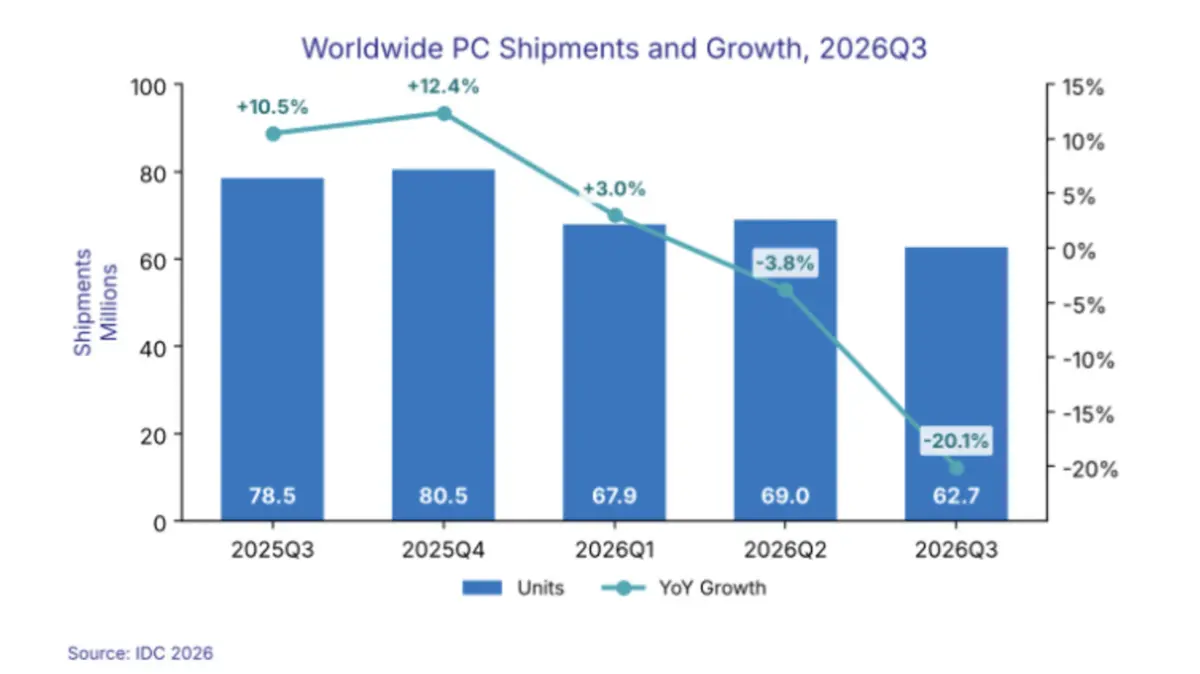
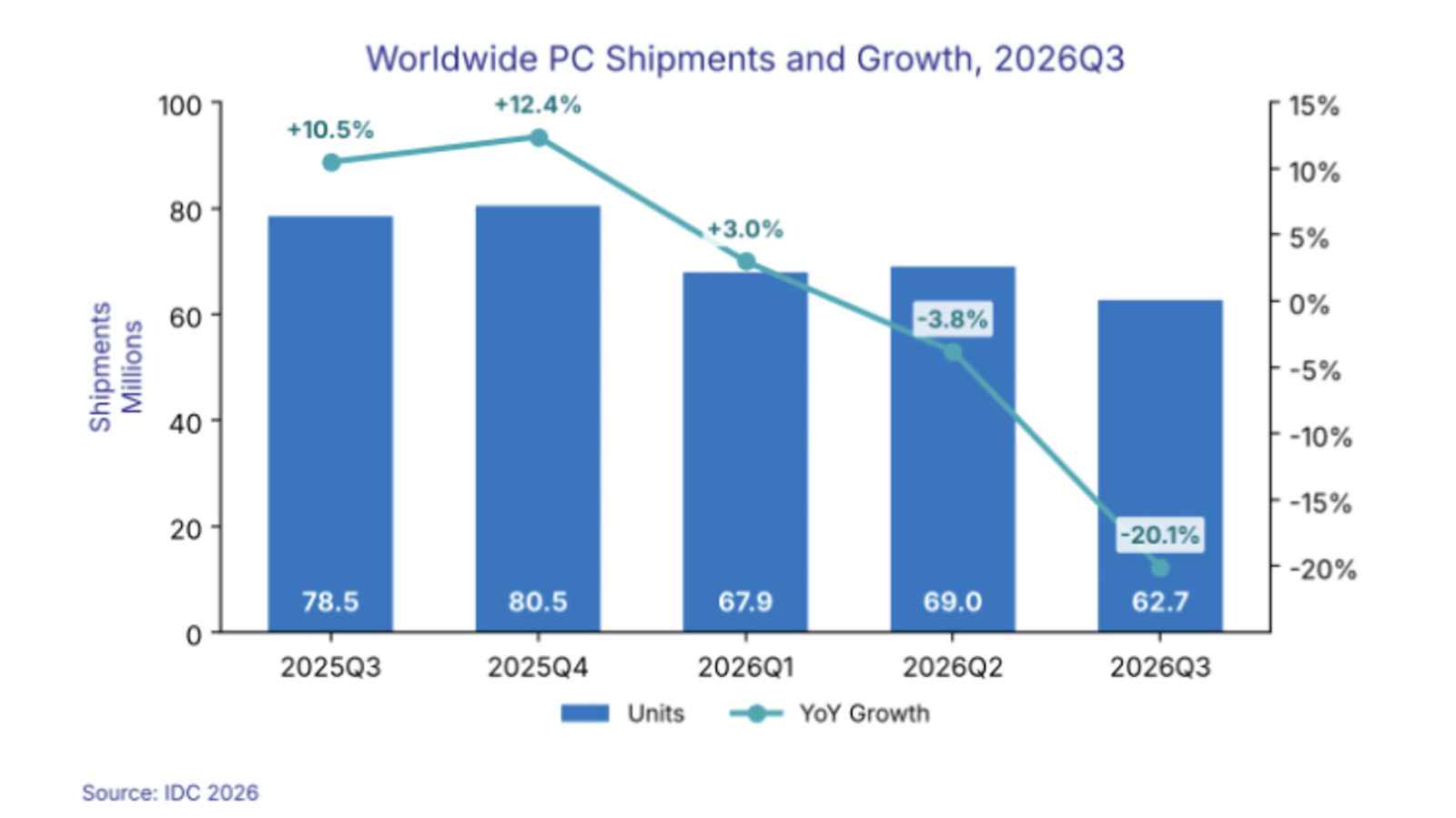
Global personal computer shipments experienced a substantial downturn in the third quarter of 2026, totaling 62.7 million units, according to a recent report by the International Data Corporation (IDC). This figure represents a notable 9.1 percent decrease from the previous quarter (Q2 2026) and a significant year-over-year decline of 20.1 percent when compared to Q3 2025. The pronounced drop signals a challenging period for the PC market, which has been grappling with persistent supply chain disruptions and elevated component prices, a situation colloquially referred to as "RAMaggedon" by some industry observers.
The Return of "RAMaggedon": A Lingering Crisis
The term "RAMaggedon" resurfaces in discussions surrounding the current market contraction, highlighting the persistent challenges related to memory (RAM) and other critical component shortages that have plagued the tech industry for an extended period. While the immediate focus of IDC’s report is on the overall decline in PC shipments, the underlying issues of supply constraints and resultant price hikes are deeply intertwined with the memory market. The origins of these issues can be traced back several years, exacerbated by a confluence of factors including:
- COVID-19 Pandemic: The onset of the pandemic in early 2020 initially triggered an unprecedented surge in demand for PCs, as remote work, online education, and home entertainment became the norm. This sudden spike overwhelmed existing supply chains, which were not equipped to handle such a rapid increase in orders.
- Supply Chain Fragility: The global supply chain for semiconductors and other electronic components is highly complex and geographically distributed. Lockdowns, factory closures, and logistics bottlenecks in key manufacturing regions, particularly in Asia, severely disrupted the flow of components.
- Increased Demand for Other Electronics: Beyond PCs, demand for other semiconductor-intensive devices, such as smartphones, gaming consoles, and automotive electronics, also surged, creating intense competition for limited chip manufacturing capacity.
- Cryptocurrency Mining: Periods of high profitability in cryptocurrency mining historically led to increased demand for high-performance graphics processing units (GPUs) and memory, further straining supplies and driving up prices.
- Manufacturing Limitations: Building new semiconductor fabrication plants (fabs) is an incredibly capital-intensive and time-consuming process, often taking several years from conception to full operation. This inherent lag makes it difficult for the industry to quickly adapt to sudden shifts in demand.
These factors collectively contributed to a period of constrained supply and inflated prices for essential components like RAM, NAND flash, CPUs, and GPUs. While some aspects of the supply chain have shown signs of improvement, the cumulative effect of these disruptions continues to ripple through the PC market, keeping prices elevated and impacting consumer purchasing power.
A Detailed Look at Q3 2026 Performance
The 62.7 million units shipped in Q3 2026 represent a stark contrast to the boom periods experienced earlier in the decade. The sequential decline of 9.1 percent from Q2 2026 indicates a worsening trend within the current year, suggesting that the market has yet to find a stable floor. More critically, the 20.1 percent year-over-year contraction from Q3 2025 underscores the severity of the market correction, moving from a period of robust growth to significant decline.
While IDC’s report primarily focuses on overall PC shipments, the downturn is understood to affect various segments differently. Typically, the consumer segment is more susceptible to economic pressures and price sensitivity, often leading to delayed purchases of new devices. Commercial PC demand, driven by corporate refresh cycles and business investments, tends to be more resilient but is not immune to broader economic uncertainties. Both desktop and notebook shipments are likely experiencing declines, with notebooks, which saw an exceptional surge during the pandemic due to their portability for remote work and learning, now facing saturation in some markets and a slowdown in replacement cycles.
Chronology of the Downturn: From Boom to Bust
The PC market’s trajectory in recent years has been a rollercoaster, marked by unprecedented highs followed by a sharp correction.
- Early 2020 – Mid-2021: The Pandemic Boom: Driven by the sudden shift to remote work and online learning, worldwide PC shipments surged. Manufacturers struggled to keep up with demand, leading to extended lead times and a temporary suspension of the long-term trend of declining PC sales. This period saw multiple quarters of robust, double-digit growth.
- Late 2021 – Early 2022: Initial Signs of Strain: While demand remained strong, early signs of supply chain stress began to appear more prominently. Component shortages, particularly for semiconductors, started to limit production capacity, even as order backlogs grew. Prices for certain components began to creep upwards.
- Mid-2022 – Late 2025: Transition and Peak Challenges: The market entered a period of transition. While overall demand remained elevated compared to pre-pandemic levels, the extraordinary growth rates began to moderate. The full impact of component shortages and logistics issues became more apparent, leading to sustained elevated prices for consumers.
- Q1 2026: First Indications of Decline: The IDC had previously reported its first decline for PC shipments in nine quarters during July 2026, which would correspond to the results of Q2 2026. This marked the end of an extended period of growth, signaling a significant shift in market dynamics. This initial decline was attributed to the culmination of memory shortages and other supply issues.
- Q2 2026: Forecast Adjustments: Just a few months prior to the Q2 2026 report, the IDC had already cut its forecast for the PC market for the entirety of 2026. This revision indicated a growing awareness among analysts that the market was heading for a tougher year than initially anticipated, largely due to ongoing supply challenges and emerging demand-side pressures.
- Q3 2026: Deepening Contraction: The latest report detailing the 20.1 percent year-over-year drop in Q3 2026 confirms the deepening contraction, moving from a moderation of growth to a significant market downturn. This quarter’s figures underscore that the challenges are not merely transient but represent a sustained period of market adjustment.
Analyst Insights and Market Sentiment
Jitesh Ubrani, IDC’s research director for consumer devices, provided critical insight into the current market sentiment and future outlook. His statement highlighted a growing concern among distribution channels regarding inventory levels: "Channels are now worried about carrying too much inventory into a market where high prices are suppressing demand." This suggests a delicate balancing act for retailers and distributors who stocked up during the boom but now face dwindling consumer appetite due to prohibitive costs.
Ubrani’s analysis offers a glimmer of hope for consumers in the short term, predicting that this inventory overhang "could translate into promotions and some short-term relief." However, he quickly tempered expectations, stating, "but we don’t expect pricing anywhere near what it was a year ago. Prices will remain elevated." This indicates that while temporary discounts might emerge, the structural issues keeping prices high, particularly for memory and other components, are not expected to resolve quickly. The long-term outlook remains challenging, with Ubrani concluding, "With macro conditions worsening, the risk is that the outlook for the next few quarters gets worse before it gets better." This alludes to broader economic headwinds, such as inflation, rising interest rates, and geopolitical uncertainties, further dampening consumer and business spending.
Factors Driving the Contraction
The significant decline in PC shipments is not attributable to a single factor but rather a complex interplay of supply-side constraints and demand-side pressures.
- Elevated Component Prices: The enduring "RAMaggedon" and shortages of other critical components (CPUs, GPUs, power management ICs, display drivers) have kept manufacturing costs high. These costs are inevitably passed on to consumers, making new PCs less affordable.
- Supply Chain Disruptions: While some aspects have improved, the global supply chain remains vulnerable. Geopolitical tensions, new outbreaks of disease, and natural disasters can still cause localized disruptions that ripple through the system, affecting component availability and logistics.
- Inflation and Cost of Living Crisis: Across many economies, consumers are facing significant inflationary pressures, leading to a higher cost of living. Discretionary spending, including on non-essential electronics like new PCs, is often among the first areas to be cut or postponed as households prioritize essential goods and services.
- Rising Interest Rates: Central banks globally have been raising interest rates to combat inflation. This makes borrowing more expensive for both businesses and consumers, impacting capital expenditure for companies and reducing consumer purchasing power, especially for larger ticket items.
- Market Saturation Post-Pandemic: The massive surge in PC purchases during 2020 and 2021 meant that many households and businesses upgraded their devices. This led to a degree of market saturation, reducing the immediate need for replacements. The typical refresh cycle for PCs is several years, and many recent purchases are still relatively new.
- Economic Uncertainty: Broad economic uncertainty makes both consumers and businesses more cautious about spending. Companies might delay IT upgrades, and consumers might hold off on major purchases until economic conditions stabilize.
- Currency Fluctuations: A strong U.S. dollar, for instance, can make imported goods, including PCs and components, more expensive in other markets, further suppressing international demand.
Implications for Consumers and the Retail Landscape
For consumers, the current market dynamics present a mixed bag. The immediate advice from IDC is clear: "take whatever deals you can find." This suggests that as retailers grapple with excess inventory, there may be opportunities for short-term promotions and discounts, particularly around major shopping holidays. However, this relief is likely to be temporary and localized. The overarching message is that "prices will remain elevated," implying that the era of easily accessible, budget-friendly PCs seen before the pandemic may not return for some time. Consumers looking for significant savings are advised to "hold off on purchases for at least another year when prices will hopefully regain some sense of normalcy." This recommendation highlights the expected prolonged period of higher pricing and market instability.
Retailers, on the other hand, face significant challenges. An inventory overhang, especially of high-priced stock, can tie up capital and lead to reduced profit margins if products need to be sold at a discount. This necessitates careful inventory management, aggressive marketing strategies, and potentially closer collaboration with manufacturers to clear stock. The shift in consumer behavior—from eager buying during the pandemic to hesitant postponement now—requires retailers to adapt quickly to changing demand patterns.
Impact on Manufacturers and the Broader Tech Ecosystem
PC manufacturers (OEMs) like Lenovo, HP, Dell, Apple, and Acer are directly impacted by the declining shipment figures. They face the immediate challenge of adjusting production volumes to align with reduced demand and manage their own component inventories. Overproduction can lead to costly write-downs, while underproduction can miss potential sales if demand unexpectedly recovers. This requires sophisticated forecasting and agile manufacturing processes. Some manufacturers might pivot their strategies, focusing more on premium segments where margins are higher, or diversifying their product portfolios beyond traditional PCs.
The impact extends throughout the broader tech ecosystem:
- Component Suppliers: Companies producing RAM, CPUs, GPUs, storage devices, and other PC components will see reduced orders from OEMs, potentially leading to lower revenues and profits. This can affect their investment in research and development for next-generation technologies.
- Software Developers: While less directly affected by hardware sales fluctuations, a slowdown in new PC adoption could indirectly impact the growth of new software licenses and operating system upgrades.
- Peripheral Manufacturers: Companies making monitors, keyboards, mice, webcams, and other accessories may also experience a dip in demand as fewer new PCs are sold.
- Logistics and Shipping Companies: Reduced shipment volumes for PCs and components will also affect the businesses involved in transportation and logistics.
Looking Ahead: Navigating an Uncertain Market
IDC’s outlook suggests that the market may "get worse before it gets better." This implies that the current contraction is likely to extend into the next few quarters, potentially through the first half of 2027. A return to "normalcy" in pricing and demand is not anticipated until at least a year out, or perhaps even longer, depending on how quickly macroeconomic conditions improve and supply chain issues are permanently resolved.
For the industry, this period demands strategic foresight. Manufacturers may need to re-evaluate their long-term supply agreements, invest in more resilient supply chain models (e.g., regional diversification), and focus on innovation that can genuinely drive upgrade cycles, even in a challenging economic environment. The emphasis might shift from sheer volume to value, sustainability, and specialized solutions.
Ultimately, the PC market is undergoing a significant recalibration after an anomalous period of exponential growth. While the 20.1 percent year-over-year decline in Q3 2026 is a stark indicator of current challenges, it also represents a necessary adjustment as the market moves towards a more sustainable equilibrium. The path forward will be dictated by the interplay of global economic recovery, the resolution of persistent supply chain vulnerabilities, and the industry’s ability to adapt to evolving consumer needs and spending patterns.







