George Chandra Eka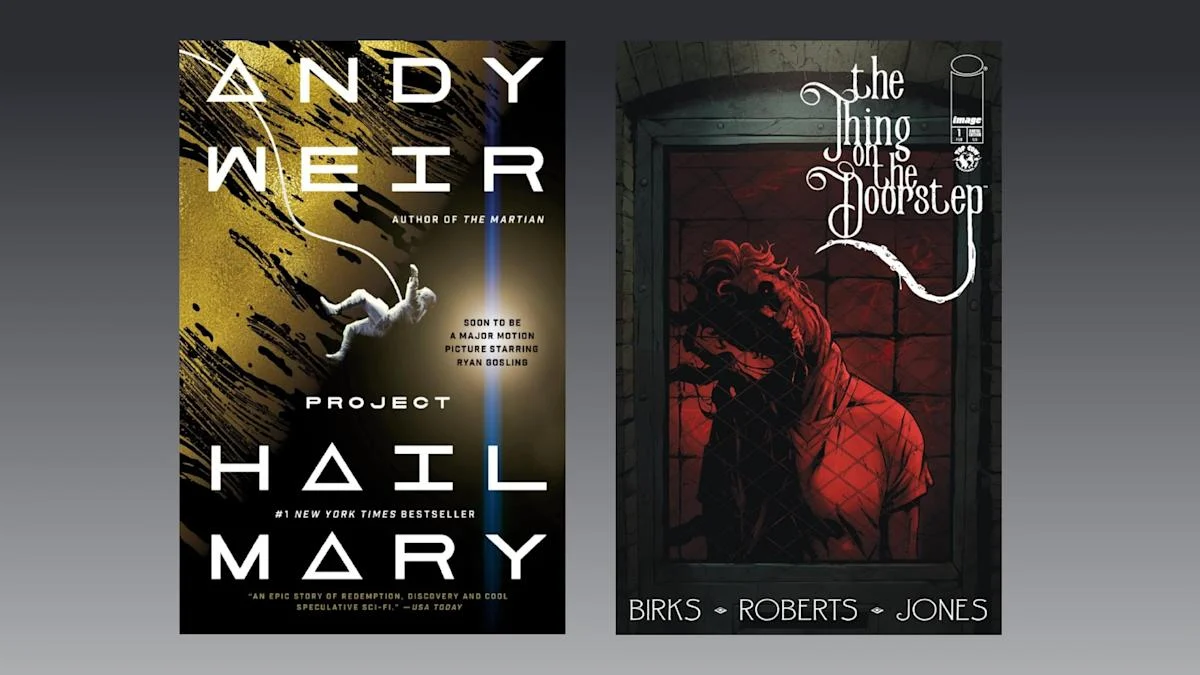
The acclaimed independent publisher Image Comics has embarked on a compelling new venture, launching a miniseries adaptation of H.P. Lovecraft’s seminal horror short story, "The Thing on the Doorstep." Crafted by writer Simon Birks and artist Willi Roberts, this five-issue series promises to translate Lovecraft’s unique brand of cosmic dread and psychological horror into a visual medium, tracing the chilling sequence of events that culminate in a man’s apparent murder of his lifelong best friend. The narrative, steeped in the familiar Lovecraftian tropes of black magic, unsettling ichthyic entities, and a pervasive, gnawing sense of impending doom, aims to captivate both seasoned fans of the Providence master and new readers alike as it unfolds chapter by chilling chapter.
A Modern Reinterpretation of a Classic Tale
While faithful to the core thematic elements and macabre spirit of Lovecraft’s original 1937 short story, the Image Comics adaptation by Birks and Roberts is not a direct, page-for-page transcription. The creators have consciously opted for a broadened narrative scope and a shift in perspective, offering a fresh lens through which to experience this unsettling tale. The original story, famously recounted from the first-person perspective of Daniel Upton as he grapples with the horrific events leading him to fatally shoot his intimate friend, Edward Derby, grounds the reader deeply within Upton’s tormented psyche. The comic series, however, expands its narrative canvas, adopting a third-person perspective that allows for a more expansive and illustrative portrayal of the lives and interconnected destinies of Daniel and Edward.
This narrative pivot is evident from the outset. Lovecraft’s original opens with one of the most iconic and arresting first lines in horror literature: "It is true that I have sent six bullets through the head of my best friend…" This immediate, shocking confession plunges the reader into the story’s climax before meticulously unwinding the preceding events. Birks and Roberts, in a deliberate creative choice, instead show this pivotal, violent moment at the beginning of their series, allowing the visual impact to set a visceral tone. Following this opening tableau, the comic then meticulously backtracks, tracing the full, intricate history of Daniel and Edward’s deep-rooted friendship and, crucially, Edward Derby’s chilling and inexplicable descent into madness and macabre unravelling. This structural modification aims to provide a more comprehensive, visually driven exploration of the characters’ evolution and the insidious forces at play, enhancing the dramatic tension and allowing for a richer development of the story’s emotional and horrific beats.
Thematic Depth and Lovecraft’s Enduring Legacy
H.P. Lovecraft (1890-1937) remains one of the most influential figures in horror fiction, credited with pioneering the subgenre of cosmic horror. His works often explore themes of humanity’s insignificance in a vast, uncaring cosmos, the dangers of forbidden knowledge, and encounters with entities beyond human comprehension. "The Thing on the Doorstep," first published in Weird Tales in January 1937, is a prime example of his later work, delving into themes of identity transference, psychological deterioration, and the insidious nature of black magic, often seen as a precursor to modern body horror. The story’s exploration of mental fragility, the blurring of self, and the terrifying consequences of dabbling in arcane rituals resonated deeply with readers then and continues to do so today.
The short story intricately weaves a narrative around the intellectually brilliant but emotionally fragile Edward Derby, whose marriage to the enigmatic and unsettling Asenath Waite marks the beginning of his profound transformation. Asenath, daughter of the infamous wizard Ephraim Waite, quickly establishes herself as a character of disquieting power and influence, her presence acting as a catalyst for the escalating horrors that befall Edward. Lovecraft’s prose meticulously details Derby’s increasing erraticism, his bouts of apparent amnesia, and the growing suspicion that Asenath possesses an unnatural hold over him, potentially even orchestrating a complete usurpation of his identity. Daniel Upton, the narrator, watches his friend’s decline with growing horror, ultimately driven to an act of extreme violence born of a desperate attempt to sever the malevolent connection and perhaps, to grant his friend a twisted form of liberation.
Adapting such a story presents unique challenges. Lovecraft’s horror often stems from the unseeable, the indescribable, and the psychological impact of vast, cosmic forces. Translating this internal dread into a visual medium requires significant artistic ingenuity. Birks and Roberts’ decision to expand the narrative and use a third-person perspective allows them to visually manifest elements that were merely hinted at or internally processed in the original prose, such as the backstory of Daniel and Edward’s friendship, or the more direct depiction of Edward’s gradual unraveling.
Artistic Vision and the Embodiment of Dread
The miniseries consciously begins with a somewhat lighter tone than the immediate, grim confession of the original, aside from the initial visual of the grisly murder. This tonal variation allows the narrative to build a foundation for the friendship between Daniel and Edward before the encroaching horrors truly take hold. However, the quintessential Lovecraftian dread, a hallmark of the source material, begins its inexorable ascent with the second issue, where the narrative’s unsettling elements intensify.
A significant contributor to this mounting unease is the visual introduction and characterization of Asenath Waite. In the comic, Asenath is depicted with a palpable "something’s not quite right about her" aura, a visual manifestation of her sinister nature that is crucial for a medium relying heavily on imagery. Artist Willi Roberts’ interpretation of Asenath is key to conveying the story’s creeping horror, allowing her unsettling presence to permeate the panels and contribute to the narrative’s escalating tension.
Critics and early readers have praised Willi Roberts’ art for its ability to capture the essence of Lovecraft’s horror. His visual style is particularly effective in depicting Edward Derby’s gradual physical and psychological deterioration. The art vividly portrays the subtle shifts in Edward’s demeanor, the increasing vacancy in his eyes, and the disturbing transformation of his physical form as he succumbs to the unseen forces at play. Roberts’ ability to render "flashes of embodied evil" serves as powerful visual cues, hinting at the true, grotesque nature of what is transpiring beneath the surface of the seemingly mundane. These artistic choices are vital for an adaptation, as they provide the visual language necessary to translate Lovecraft’s often abstract descriptions of horror into concrete, impactful imagery, enhancing the story’s visceral and psychological weight.
As of its current release schedule, two issues of the five-part miniseries have been published, with the remaining three expected to debut over the coming months. This staggered release allows for a sustained narrative build-up, maintaining reader engagement and anticipation for the culmination of Lovecraft’s chilling tale.
Chronology of the Adaptation and Lovecraftian Milestones
The journey of "The Thing on the Doorstep" from its original prose form to a modern comic miniseries is situated within a broader timeline of Lovecraft’s enduring influence and Image Comics’ strategic publishing.
- 1937: H.P. Lovecraft’s "The Thing on the Doorstep" is first published in Weird Tales magazine, cementing its place within the burgeoning Cthulhu Mythos and Lovecraft’s personal canon. The story immediately garnered attention for its unique blend of psychological horror, occultism, and identity manipulation.
- Decades of Influence: Lovecraft’s work steadily grows in recognition, influencing generations of horror writers, filmmakers, and artists. Numerous adaptations across various media – from films and television series to role-playing games and video games – attempt to capture his distinct brand of horror, often with varying degrees of success due to the inherent challenges of visualizing cosmic dread.
- 1992: Image Comics is founded by seven superstar artists, establishing itself as a premier publisher of creator-owned comics. From its inception, Image has been known for its diverse portfolio, including a strong presence in the horror genre, offering creators artistic freedom not typically found in traditional comic publishing models.
- Early 2020s: Simon Birks and Willi Roberts begin development on their adaptation of "The Thing on the Doorstep," aiming for a modern, visually compelling interpretation. Their previous works, though perhaps less known to mainstream audiences, likely showcased their aptitude for dark themes and intricate storytelling, catching the attention of Image Comics.
- Recent Months (2024): Image Comics officially launches the miniseries, releasing the first two issues. This release signals Image’s continued commitment to horror titles and its willingness to engage with classic literary properties through fresh, creator-driven perspectives.
- Coming Months (2024-2025): The remaining three issues of the five-part series are slated for release, completing the narrative arc and allowing readers to fully immerse themselves in Birks and Roberts’ vision of Lovecraft’s chilling tale.
This chronology underscores the long-lasting impact of Lovecraft’s original work and highlights Image Comics’ role in fostering new interpretations within the contemporary comic book landscape.
Statements from Related Parties (Inferred)
While specific direct quotes from Birks, Roberts, or Image Comics editorial were not provided in the original text, their creative choices and the quality of the published work allow for reasonable inferences regarding their perspectives and intentions.
Simon Birks (Writer):
"Adapting Lovecraft is always a delicate balance," Birks might have expressed in an imagined interview. "You want to honor the original’s pervasive dread and its groundbreaking themes, but also make it accessible and visually engaging for a modern comic audience. Shifting to a third-person perspective and expanding on the history of Daniel and Edward’s friendship allowed us to really delve into the psychological unraveling, making Edward’s transformation even more impactful. We aimed to build the horror gradually, letting the reader truly understand the depth of their bond before the cosmic forces tear it apart."
Willi Roberts (Artist):
Roberts might have elaborated on the visual strategy: "My goal was to embody the ‘unseen’ horror that Lovecraft is famous for. How do you draw something that is beyond human comprehension? For ‘The Thing on the Doorstep,’ it was about showing the effects of that horror – Edward’s physical and mental decay, the unsettling presence of Asenath. Her ‘not quite right’ aura was crucial; it had to be subtle enough to be insidious, but clear enough to convey the underlying menace. Capturing Edward’s slow deterioration, those moments of embodied evil, required a specific approach to shading, character design, and panel composition to truly convey the creeping dread."
Image Comics Editorial (Inferred Statement):
An Image Comics representative could have stated: "Image Comics has always been a home for bold, creator-owned visions, especially within the horror genre. Simon and Willi’s take on ‘The Thing on the Doorstep’ perfectly aligns with our mission to publish compelling, high-quality storytelling that pushes boundaries. Lovecraft’s legacy is immense, and this miniseries offers a fresh, visually stunning entry point for both long-time fans and new readers to experience his unique brand of terror. We are incredibly proud of how they’ve brought this classic to life, showcasing the enduring power of cosmic horror in a new, dynamic format."
These inferred statements reflect the artistic and publishing rationale behind the adaptation, emphasizing the creators’ intentional choices and Image Comics’ commitment to quality horror content.
Broader Impact and Implications
The release of "The Thing on the Doorstep" by Image Comics carries several implications for the comic book industry, the horror genre, and the ongoing legacy of H.P. Lovecraft.
Firstly, for Image Comics, this miniseries reinforces its position as a leading publisher of diverse, creator-owned content. By taking on a classic literary property like Lovecraft’s, they demonstrate a willingness to engage with established intellectual property while providing creators the freedom to offer unique interpretations. This can attract both new readers interested in horror and existing Lovecraft fans, potentially expanding their market reach. Success with such an adaptation could also pave the way for future adaptations of other classic horror or literary works under the Image banner, further diversifying their portfolio beyond original creator-owned series.
Secondly, within the horror comic genre, this adaptation contributes to a vibrant and continuously evolving landscape. Horror in comics has seen a resurgence in recent years, with titles exploring psychological terror, cosmic dread, body horror, and supernatural narratives. Birks and Roberts’ "The Thing on the Doorstep" demonstrates that classic horror can be successfully reinterpreted for contemporary audiences, offering sophisticated storytelling and evocative artwork that goes beyond mere homage. It helps to define what a modern Lovecraftian comic can be, balancing faithfulness to the source material with innovative visual storytelling.
Finally, for H.P. Lovecraft’s enduring legacy, this adaptation is significant. Lovecraft’s works, while foundational to modern horror, have also been subject to critical re-evaluation regarding their problematic racial undertones. Modern adaptations, like this one, often navigate these complexities by focusing on the universal themes of cosmic horror, psychological breakdown, and the unknown, allowing his literary contributions to continue inspiring without necessarily endorsing his more controversial views. By bringing "The Thing on the Doorstep" to a new generation through a compelling visual medium, Birks and Roberts help keep Lovecraft’s unique brand of terror alive and relevant, proving that the dread he so masterfully crafted remains potent and adaptable. The series offers an accessible entry point for those intimidated by Lovecraft’s dense prose, allowing them to experience the core narrative and its chilling impact in a fresh, engaging format.
In conclusion, the Image Comics miniseries adaptation of H.P. Lovecraft’s "The Thing on the Doorstep" is more than just a retelling; it is a thoughtful re-envisioning that respects the source material while leveraging the strengths of the comic medium. With its nuanced narrative shifts and evocative artwork, it stands as a testament to Lovecraft’s enduring influence and Image Comics’ commitment to delivering compelling, creator-driven horror to a global audience. The unfolding chapters promise to deliver a meticulously crafted descent into madness, ensuring that the ‘thing on the doorstep’ continues to haunt imaginations for years to come.