
 Sonny Valindra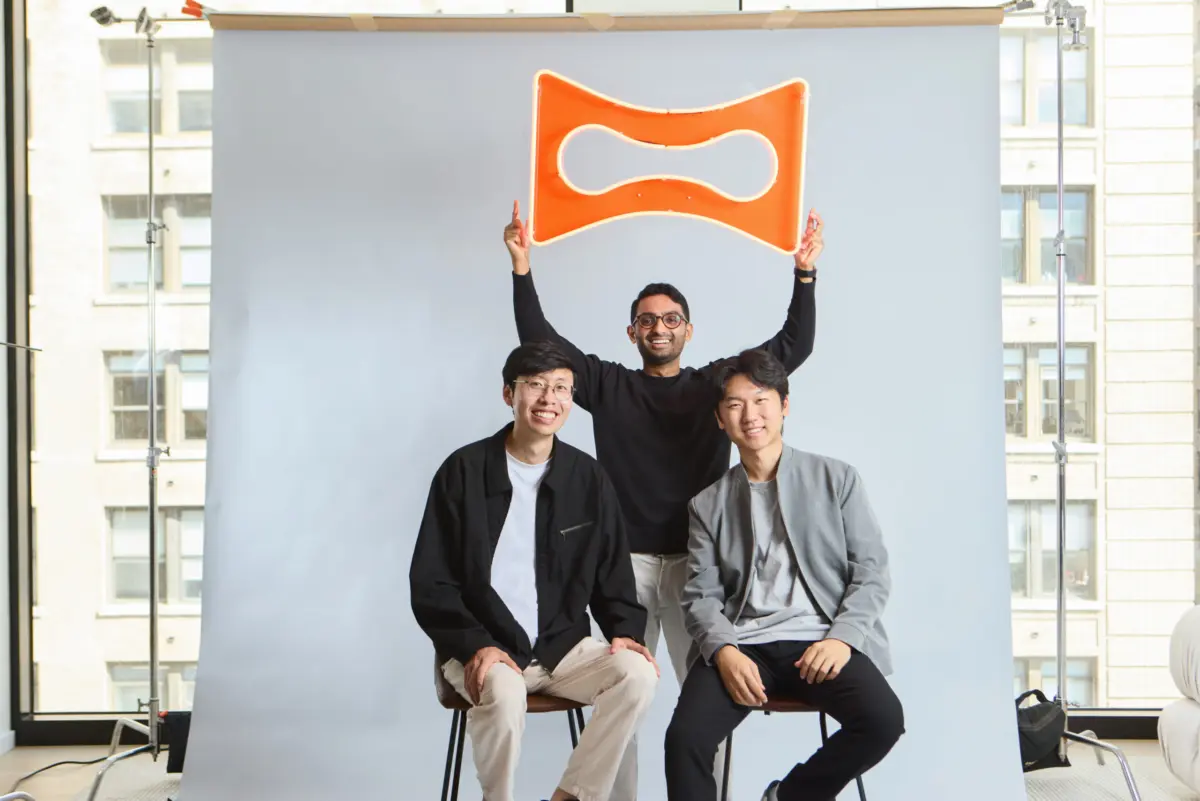
Melius, an innovative artificial intelligence platform designed to streamline the creation of ad campaigns, images, and videos, announced on Tuesday the successful closure of a significant funding round totaling $25 million. This substantial investment comprises a $20 million Series A round, spearheaded by prominent venture capital firm CRV, and a $5 million seed round led by General Catalyst. The infusion of capital signals strong investor confidence in Melius’s vision to transform the creative advertising landscape through advanced AI technologies.
The company’s announcement comes on the heels of a remarkable commercial milestone. Melius claims to have achieved over $1 million in annualized revenue within just two months of emerging from stealth mode in July. This rapid revenue growth underscores the market’s eagerness for sophisticated AI tools that can automate and enhance the often time-consuming and resource-intensive process of advertising creative production.
Founding Narrative and Strategic Pivot
The genesis of Melius lies in the shared experience of its co-founders: Joowon Kim, Young Kim, and Arnav Ramu. All three engineers previously worked together at Ramp, a rapidly growing corporate spending and finance software company. This background provided them with a deep understanding of complex software development and the challenges faced by businesses in optimizing their operations.
Initially, when Melius launched over a year ago, the New York-based startup’s objective was to build an AI-powered performance marketing tool. The ambition was to equip marketers with advanced capabilities to manage and optimize their ad spend more effectively. However, after dedicating more than six months to developing this initial product, the co-founders collectively realized that their original concept lacked the necessary traction and long-term viability.
Joowon Kim candidly admitted to TechCrunch that the initial direction “didn’t have legs.” This realization prompted a bold and decisive pivot. Instead of focusing on the optimization of ad spend, the team shifted its focus to a more fundamental and, in their view, larger opportunity: building the tools that would generate the creative assets and entire ad campaigns themselves.
This strategic reorientation involved a complete overhaul of their development efforts. “We scrapped the entire codebase; we burned all of it,” Kim stated, emphasizing the thoroughness of their pivot. This decision, though drastic, allowed Melius to rapidly develop a new product tailored to what they identified as a more pressing market need. The result, revealed nearly a year after their initial launch, is a platform that the company describes as an “agents lab for creative work.”
The AI Creative Generation Market Landscape
Melius enters a burgeoning market segment where AI is increasingly being leveraged to assist ad agencies, marketers, and brands in generating creative assets and comprehensive campaigns. This space is not without its formidable players. One notable competitor is Higgsfield, a company that has experienced exponential growth and was recently valued at an impressive $5.4 billion in August. The landscape also includes a host of other emerging startups, such as Krea and Flora AI, all vying to capture market share by offering innovative AI-driven creative solutions.
Despite the presence of well-funded and rapidly expanding competitors, Joowon Kim expresses a notable lack of concern. He acknowledges the impressive trajectory of Higgsfield, which has reportedly achieved over $700 million in annualized revenue, describing its growth as “like mad.” However, Kim’s confidence stems from his belief in the sheer scale of the market. He posits that the demand for AI-powered creative generation tools is so immense that it can comfortably accommodate multiple successful companies.
“There are a lot of players, which is pretty exciting,” Kim remarked. “That means there are customers to be won and there is demand in this space.” This perspective suggests a market ripe for innovation and expansion, where differentiation and execution will be key determinants of success.
Personal Passion and Technological Vision
The motivation behind former Ramp engineers venturing into the ad-generation domain is rooted in personal passion and a long-held fascination with digital media creation. Joowon Kim, who also identifies as a social media influencer, revealed his lifelong interest in creating short videos, a passion that dates back to his elementary school days. He once harbored ambitions of becoming a famous YouTuber.
“I tried my best to make vlogs,” he shared, recounting his early efforts. He fondly remembers his father’s proficiency with video editing software like Final Cut Pro, though he admits his own skills in that area were less developed. While those early vlogs did not achieve widespread success, Kim’s fascination with crafting digital content persisted.
Now, with Melius, Kim feels he is building the very tool he wished he had during his formative years. The platform is envisioned as a powerful yet accessible solution where individuals, from aspiring content creators to seasoned creative directors, can translate their ideas into tangible creative outputs using simple, natural language prompts. This democratization of creative production is a core tenet of Melius’s mission.
Investment Rationale and Market Implications
The significant funding secured by Melius is a testament to the venture capital community’s growing belief in the transformative potential of AI in the advertising industry. CRV and General Catalyst, both reputable firms with a track record of investing in high-growth technology companies, likely recognized Melius’s strategic pivot, its early commercial success, and the founders’ technical expertise.
The $25 million in funding will undoubtedly be instrumental in accelerating Melius’s product development, expanding its engineering and sales teams, and scaling its go-to-market strategy. Investors are betting on Melius’s ability to capture a substantial share of the rapidly expanding AI-powered creative market.
The implications of Melius’s success and the broader trend it represents are far-reaching. For brands and advertisers, platforms like Melius promise to:
- Reduce Production Costs and Time: Automating creative generation can significantly cut down on the expenses associated with hiring creative teams, photographers, videographers, and editors. It also drastically reduces the time it takes to produce a high volume of creative assets for A/B testing and campaign diversification.
- Enhance Campaign Agility: The ability to quickly generate and iterate on creative assets allows marketers to respond more rapidly to market trends, competitor activities, and evolving consumer preferences. This agility is crucial in today’s fast-paced digital advertising environment.
- Democratize Creative Production: By enabling users to generate high-quality visuals and campaign concepts with natural language prompts, Melius and similar platforms empower individuals with limited design or video editing skills to contribute to the creative process.
- Drive Innovation in Ad Formats: AI can explore novel creative approaches and combinations that human creatives might not readily conceive, potentially leading to more engaging and effective advertising.
However, the rise of AI in creative production also raises important considerations and potential challenges:
- Authenticity and Originality: As AI-generated content becomes more prevalent, questions about authenticity, originality, and the potential for homogenization of creative output will likely intensify.
- Ethical Considerations: Issues surrounding data privacy, copyright, and the ethical use of AI in generating persuasive content will require careful navigation and robust regulatory frameworks.
- The Evolving Role of Human Creatives: While AI can automate many tasks, the need for human oversight, strategic thinking, emotional intelligence, and artistic direction will remain critical. The industry will likely see a shift in the roles of creative professionals, with a greater emphasis on AI collaboration and strategic oversight.
Melius’s journey from an initial concept to a well-funded, revenue-generating startup highlights the dynamic nature of the tech industry and the power of strategic adaptation. The company’s focus on empowering users to generate creative content with AI, coupled with its impressive early traction, positions it as a significant player to watch in the evolving landscape of digital advertising and creative technology. The significant investment from CRV and General Catalyst underscores a broader market trend: the increasing recognition of AI as a fundamental tool for business innovation and growth, particularly in areas demanding rapid content creation and optimization. As Melius continues to develop its platform, its impact on how ad campaigns are conceived, created, and deployed is poised to be substantial.








